Outdoor Heating Cable Eliminates Permafrost
The key to the solution was provided via an Outdoor Heating Cable. While snow melting systems are typically designed for heated driveways and sidewalks or other outdoor applications, a cable with lower power was required for this project. First I recommended that the homeowner excavate at least two feet around the corner where the foundation was heaving. Then a heating cable was laid that would snake back and forth across the area. The mineral insulated heating cable assembly was 180 ft. long, generated 3,370 Watts and was installed to make 6 passes back and forth, 15 ft. in each direction from the corner of the house. (30 ft. per pass x 6 passes = 180 ft.)
Next 12" of dirt was added between each pass of heater cable, creating a build-up of heat that would slowly travel upward and melt the permafrost. The system included a SmartStat™ thermostat and sensor to control the heat. Thanks to the WarmlyYours heating cable, the permafrost has been eliminated. Consequently, the foundation is subjected to much less stress, an important consideration for any homeowner.
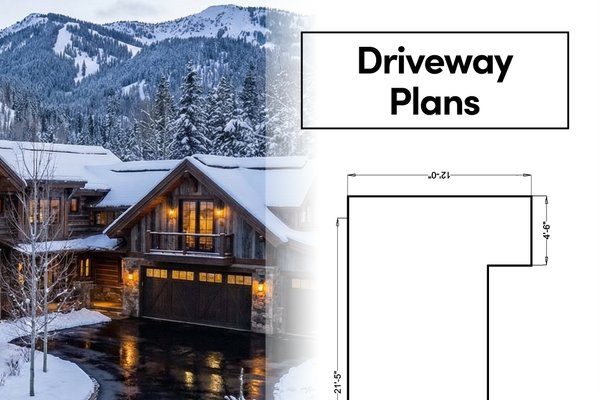
Other applications for outdoor heating cables include heated driveways, sidewalks and gutter deicing.
Labels: snow melting
-
Blink -
Del.icio.us -
Digg -
Furl -
Google -
Spurl -
Y! MyWeb


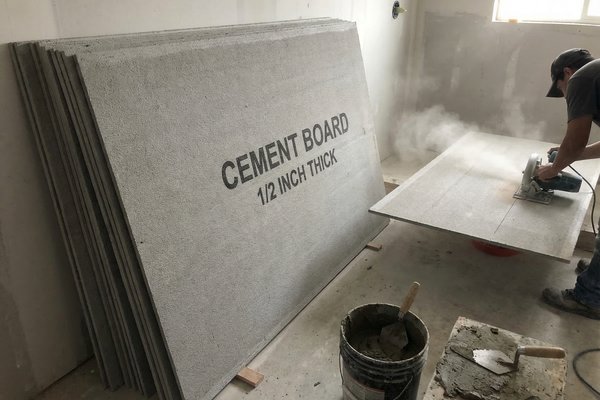
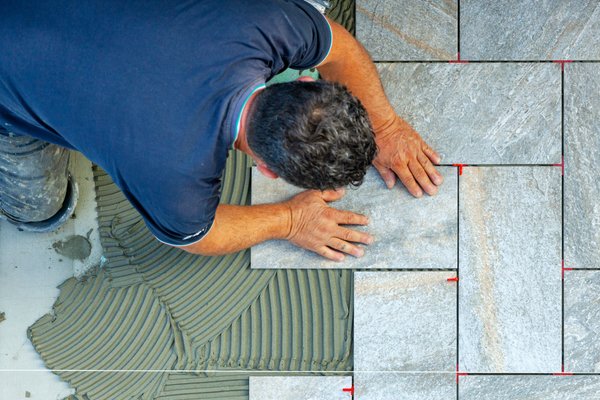
When installing any electric floor heating system over a cold garage, cement slab or crawl space, it is important to keep in mind that an additional layer of insulation is recommended. Without insulation, depending on the particular job conditions, the floor may get to only 70 – 75 degrees. While this is a vast improvement over a chilly 55-degree floor, you won't get the nice warm feeling that an 80-degree floor would provide and the 'warm' floor will have almost no effect on the room temperature besides simply canceling the chilling effect of a cold floor. A few degrees can sometimes make all the difference. For more information about insulation, please visit:
Join our on-line communities at: