
Radiant Heat vs. Conventional Heat
last updated march 17, 2026

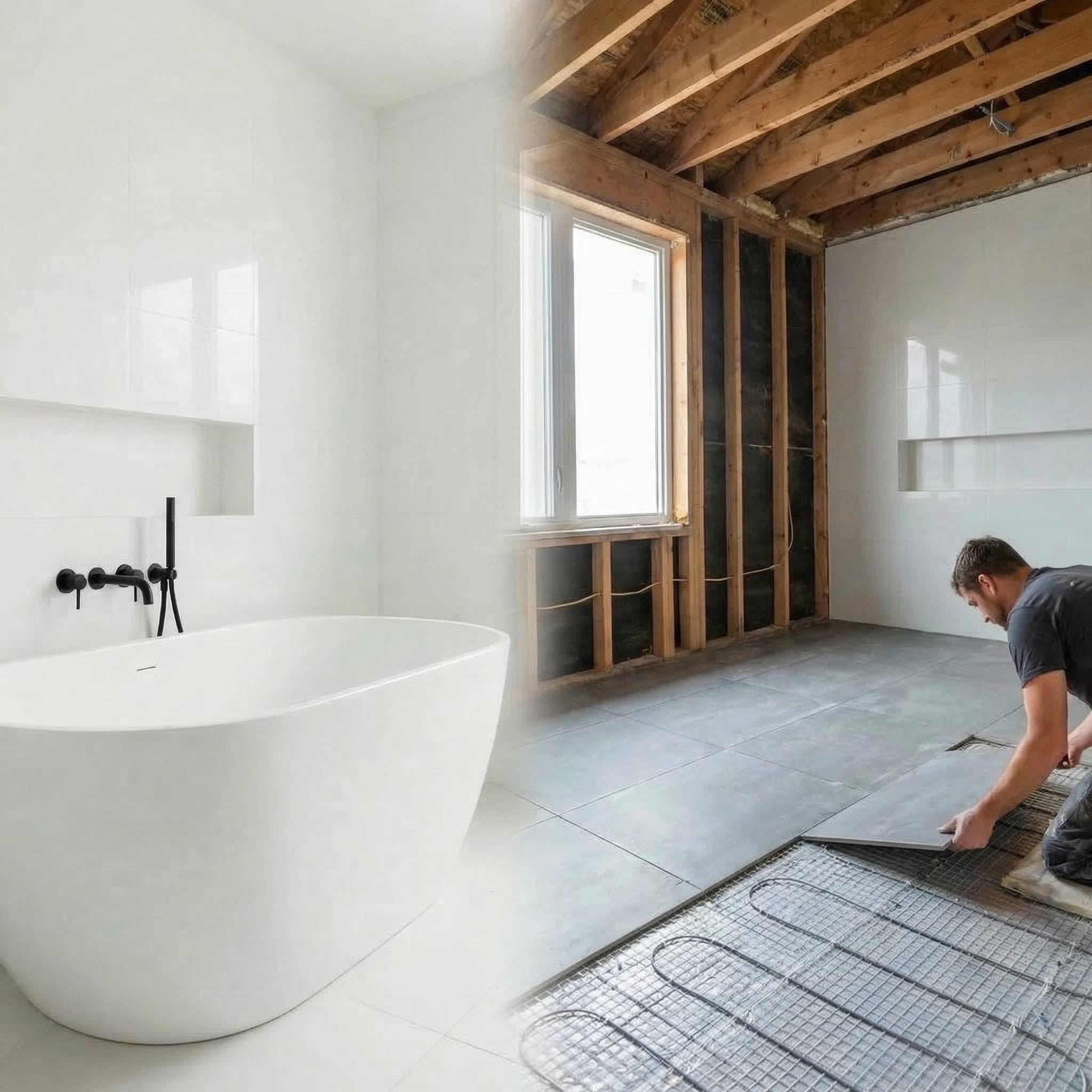
If you are wondering what is radiant heat, it is a system that warms objects and people directly rather than blowing heated air. Radiant heat is generally more efficient, comfortable, and cleaner than conventional forced-air heating. By eliminating the 20-30% energy loss typical of ductwork, radiant systems reduce circulating allergens and provide consistent, zoned comfort without the “hot head, cold feet” effect. For instance, operating a typical master bathroom system costs about $1.30/day.
Quick Summary
- Energy Efficiency: Radiant systems avoid the 20-30% energy loss typically found in forced-air ductwork.
- Zoned Comfort: Easily heat only the rooms you are using, rather than the entire house.
- Air Quality: No blowing air means fewer allergens and dust particles circulating in your home.
- Operating Cost: Running a system in a typical master bathroom costs about $1.30/day.
For a quick reference, check out our radiant heat vs forced air cheat sheet.
Pros and Cons
Radiant Floor Heating
- Pros: Highly energy efficient (no duct losses), silent operation, eliminates cold spots, improves indoor air quality, and is completely invisible.
- Cons: Higher upfront installation cost and typically requires flooring removal for retrofits.
Conventional Forced Air
- Pros: Lower upfront cost, can share ductwork with central air conditioning, and delivers heat quickly.
- Cons: 20-30% energy loss through ducts, circulates dust and allergens, creates uneven temperatures (hot ceilings, cold floors), and operates noisily.
Still wondering, is radiant heating right for your home?
Comparison: Radiant Heat vs. Forced Air
| Feature | Radiant Heat | Forced Air (Conventional) |
|---|---|---|
| Heat Distribution | Warms people and objects directly from the floor up. | Blows warm air that rises to the ceiling, leaving floors cold. |
| Energy Efficiency | High; no ductwork losses. Can save 10-30% on energy bills. | Lower; 20-30% of energy is often lost through leaky ducts. |
| Air Quality | Excellent; does not circulate dust or allergens. | Poor to Fair; blows dust, pet dander, and allergens around. |
| Maintenance | Minimal to none for electric systems. | Requires regular filter changes and duct cleaning. |
| Noise Level | Completely silent. | Can be noisy when the blower turns on and air rushes through vents. |
What is Radiant Floor Heating?
According to research highlighted by Scientific American, radiant floor heating supplies heat directly to the floor through a variety of energy sources. And, since heat rises, having radiant floor heating can balance the temperature in a room far better than forced-air conventional heating.
The U.S. Department of Energy research shows that radiant heating is more efficient than baseboard heating and has a number of advantages. While using radiant floor heating, there is no energy lost through ducts, providing significantly more flexibility in how you heat your home. For another comparison, see our post on Electric Floor Heating vs. Board Heaters: Pros, Cons & Shared Benefits.
WarmlyYours specializes in electric radiant floor heating, which has proven to be highly energy efficient. We use electric cables installed under the floor to produce consistent, gentle heat. Installing radiant floor heating can significantly reduce your utility bills because it does not take nearly as much energy to maintain comfort as a conventional heating system.
Radiant heat isn’t just for humans; it’s also a great way to keep your pets comfortable during the winter months.
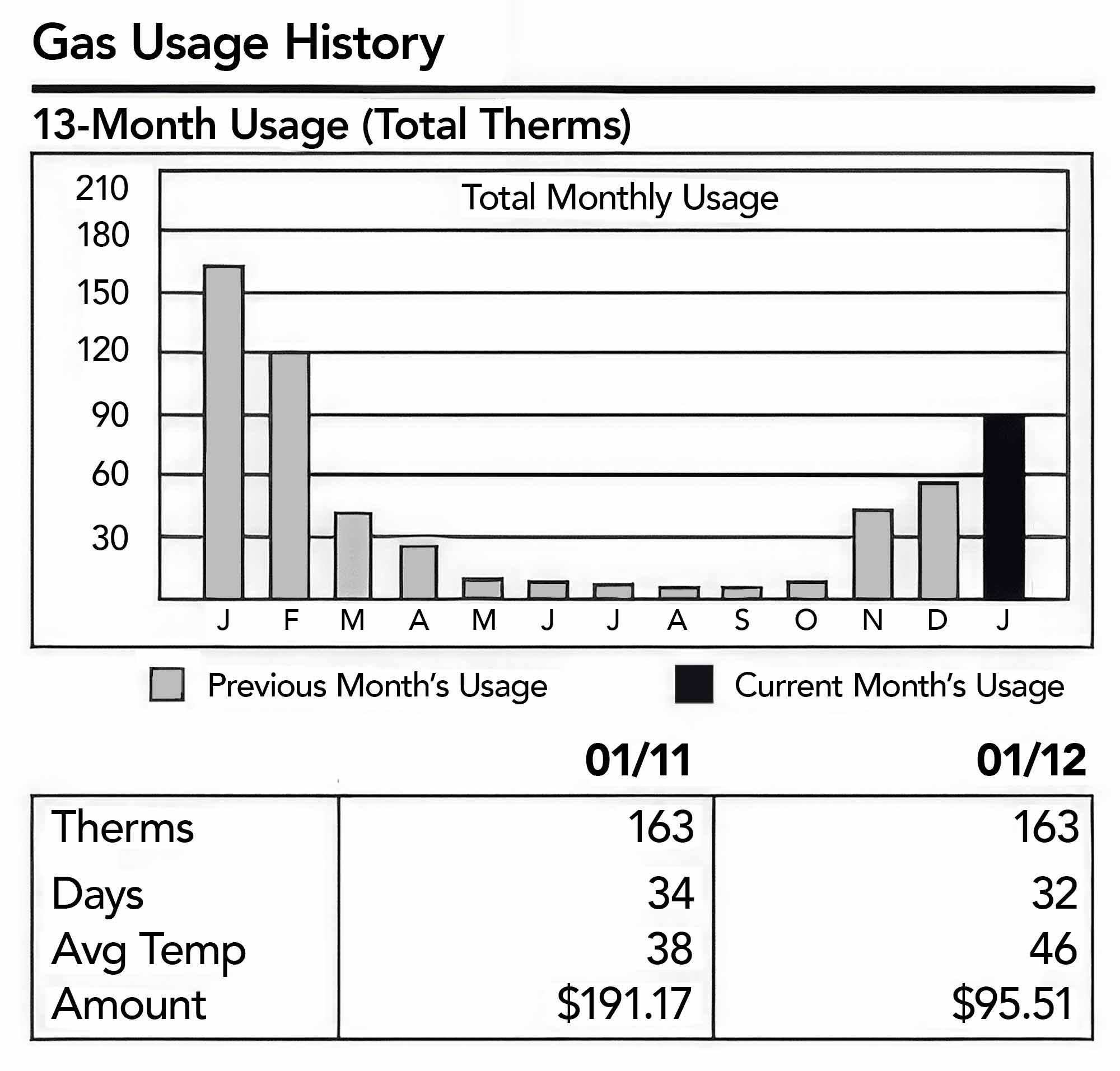
Our customer, Noelle Norfolk, is living proof that radiant floor heating can save energy. By installing radiant heat in their two-story open family room, they were able to regulate the temperature throughout their entire home and cut their gas bill in half! Read their full story here.
Combining Radiant Heat with Conventional Systems
Combining both radiant and conventional heating can also be very beneficial. It is often the most cost-efficient approach for existing homes because it reduces the load on your primary furnace. By using radiant heat in high-traffic areas like bathrooms or kitchens, you can lower the thermostat for the rest of the house. For a complete heating solution, pairing your system with a programmable thermostat ensures optimal energy usage. You can also explore radiant heating panels for targeted wall or ceiling heat.

If you choose to combine the systems, you will see an immediate reduction in your gas bills—sometimes as much as a 12 percent annual reduction! To learn whether radiant heat can be used as a primary heat source in your home, visit our Heat Loss Calculator.
Electric vs. Hydronic Radiant Heating
When considering radiant heat, you may wonder what’s the difference between electric and hydronic basement radiant heating? While hydronic systems use heated water pumped through tubing, electric systems use heating cables or mats. Electric systems are often much easier and more cost-effective to install for remodeling projects.
To explore this further, read our guide on Making the Case for Radiant Heating: Electric vs. Hydronic Systems.
You can also see how cost-effective adding a radiant floor heating system to your project can be by trying our online Operating Cost Calculator. Experience the efficiency and economy of radiant heat today.
Ready to Experience Radiant Comfort?
Stop settling for cold floors and inefficient heating. Whether you’re planning a bathroom remodel or a whole-home upgrade, our experts are ready to help you design the perfect system.
Frequently Asked Questions
Yes, radiant heat is generally more efficient than forced air. Because it warms objects and people directly, it eliminates the 20% to 30% energy loss typically associated with ductwork in forced-air systems.
Infrared heating panels are generally safer, more energy-efficient, and provide more consistent warmth than traditional space heaters. They mount securely to walls or ceilings and do not pose the same fire or tripping hazards as portable space heaters.
Infrared heating panels work by emitting infrared radiation that travels through the air until it hits an object or person, warming them directly. This is similar to how the sun warms the earth, making it a highly efficient way to heat specific zones in a room.
In many well-insulated homes, a whole-house radiant heating system can completely replace a conventional furnace. However, many homeowners choose to use radiant heat as a supplemental system in key rooms like bathrooms and kitchens to lower the overall burden on their furnace.
Yes, radiant heating significantly improves indoor air quality compared to forced-air systems. Because it doesn't rely on blowing air through vents, it doesn't circulate dust, pet dander, or other allergens throughout your home.
Radiant heat is a technology that transfers heat directly to objects and people in a room, rather than heating the air. In the construction industry, it is widely recognized for its energy efficiency, ability to eliminate ductwork losses, and superior comfort compared to conventional forced-air systems.
Radiant floor heating is far superior for entertaining. Portable heaters only warm one area, leaving cold spots where guests sit on the floor. Blankets shift around and don't provide consistent warmth. Radiant floor heating delivers even, consistent warmth throughout your entire entertainment space, eliminates drafts and cold spots, operates silently (no distracting noise during the big game), and allows zone-based temperature control so you can adjust comfort levels independently. Plus, it's safer than portable heaters and creates a premium hosting experience.
Electric radiant heating uses cables or mats and is ideal for basement retrofits due to lower upfront costs and easier installation. Hydronic systems use hot water tubing, which requires a boiler and is generally only practical for whole-home new construction projects.
Have Questions About Your Project?
Our team of Radiant Experts is ready to help!
Related Articles

Making the Case for Radiant Heating: Electric vs. Hydronic Systems

Answering Some of Electric Floor Heating’s Most Frequently Asked Questions (FAQs)

How Much Does Radiant Floor Heating Cost in 2026?

Electric Floor Heating vs. Baseboard Heaters: Pros, Cons & Shared Benefits
Stay Updated
Get the latest radiant heating news and tips delivered to your inbox.
