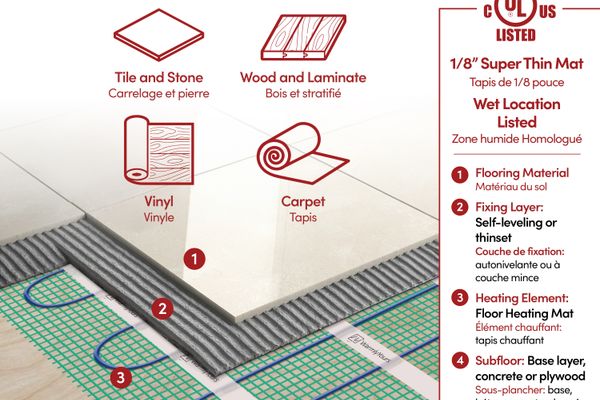
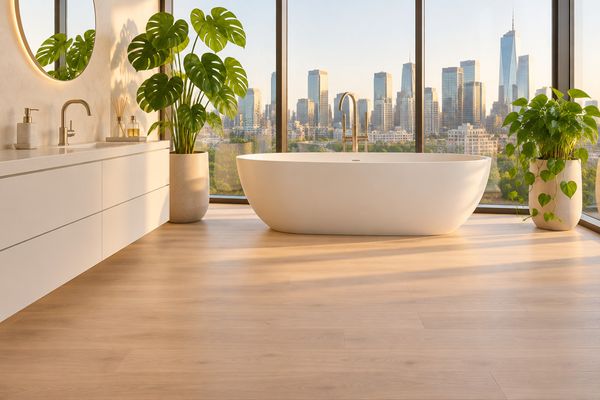
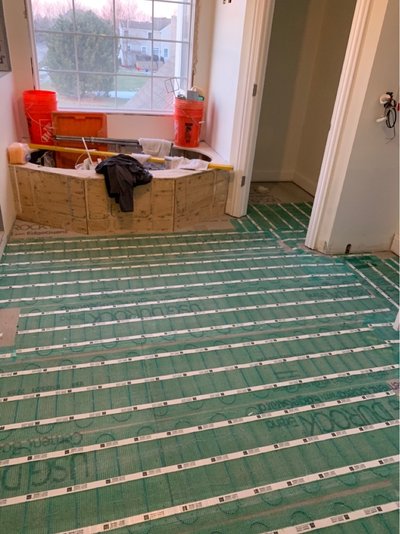
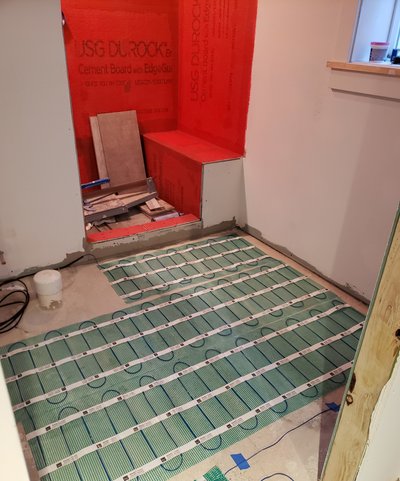
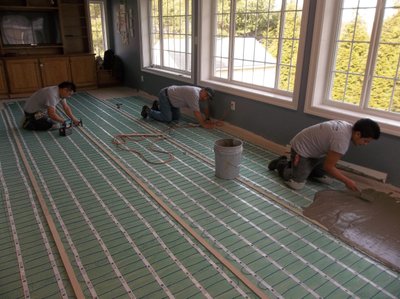
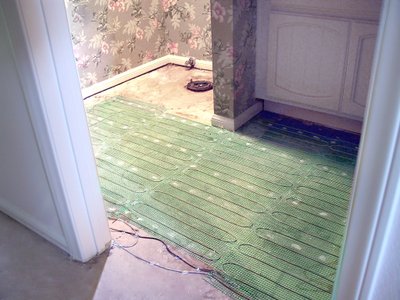
Most bathroom flooring materials work great with radiant heating. The key is choosing materials that conduct heat well and resist moisture.
Excellent Choices:
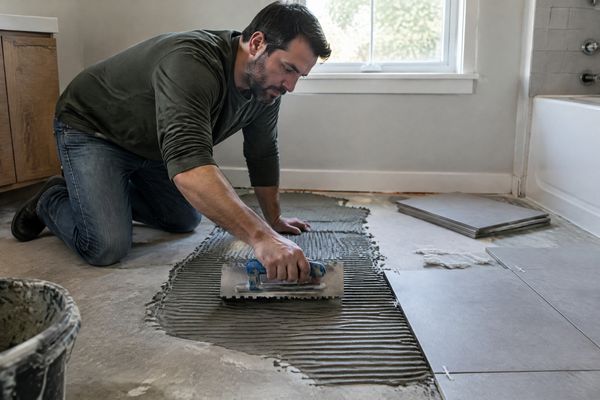
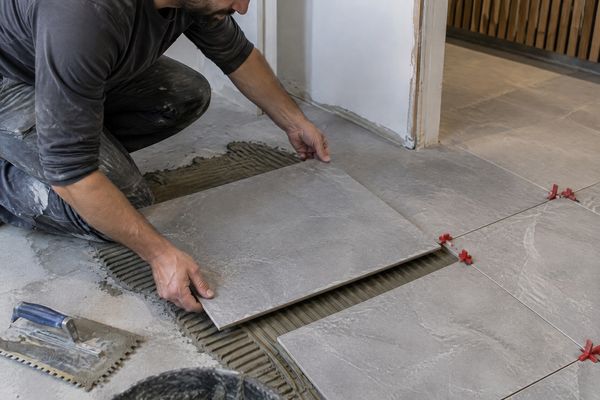
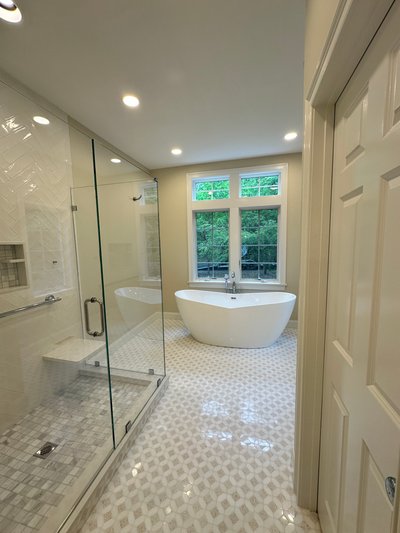
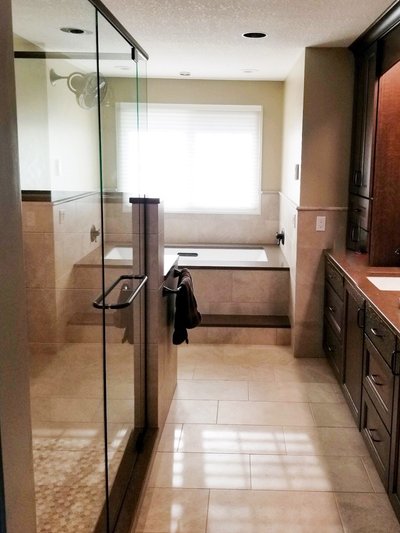
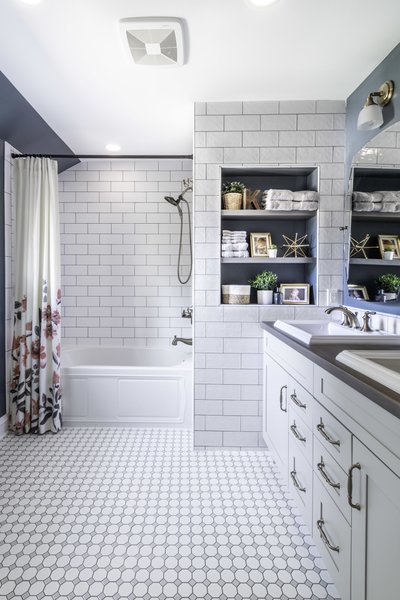
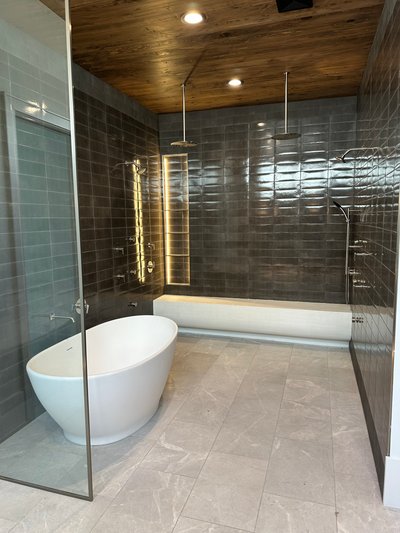
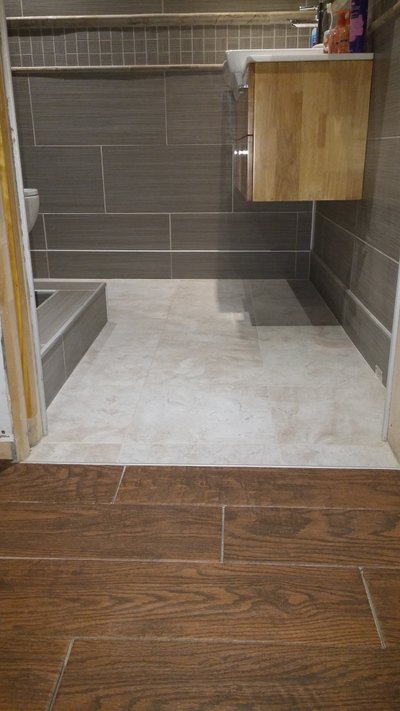
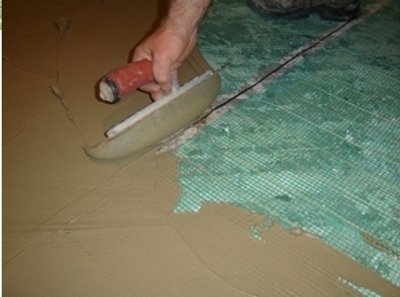
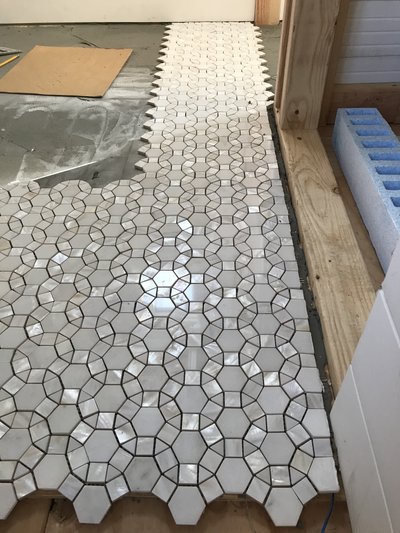
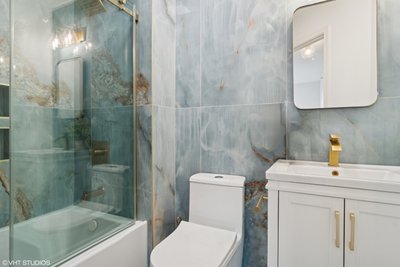
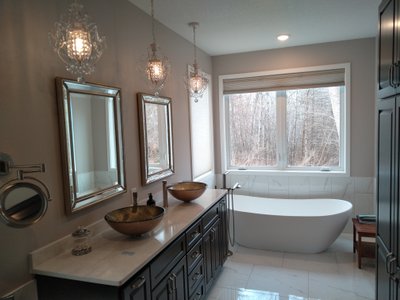
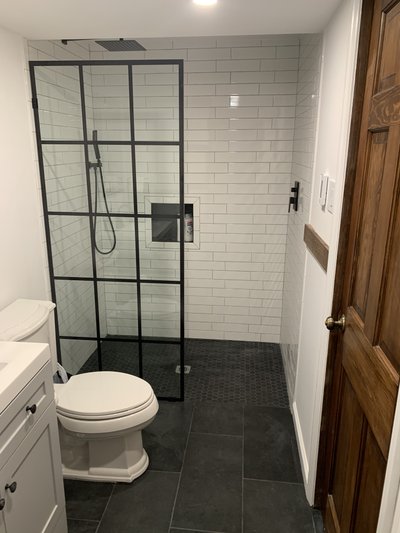
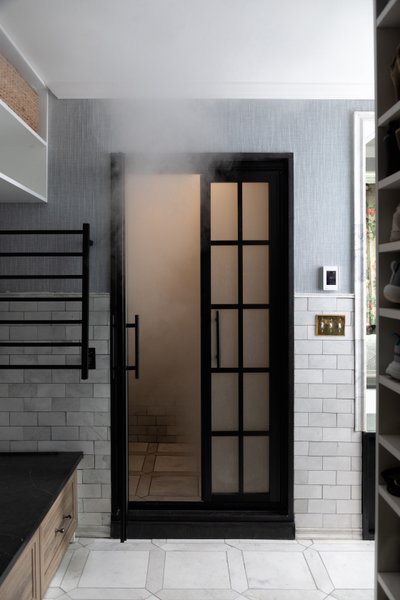
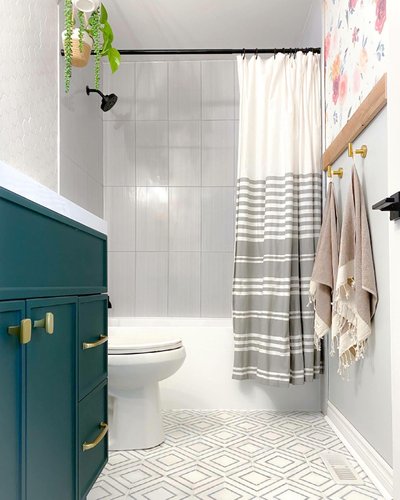
Ceramic & Porcelain Tile:
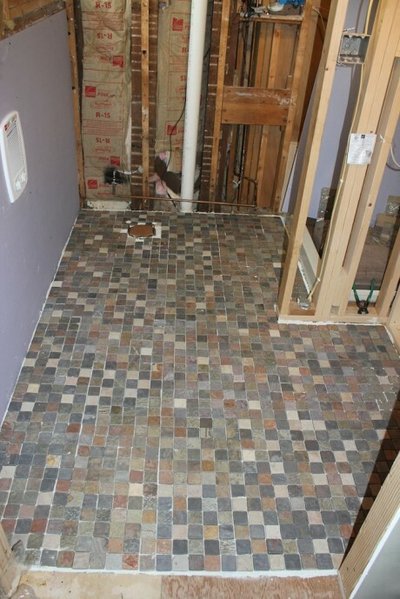
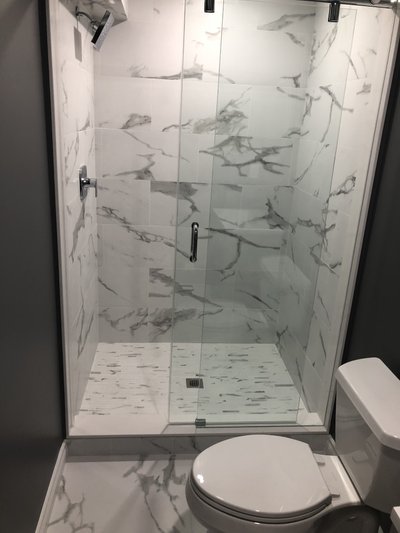
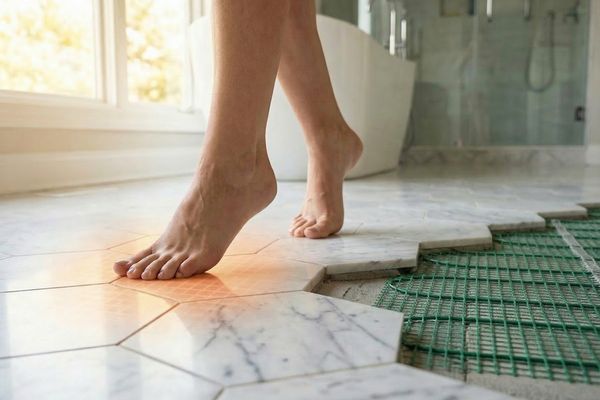
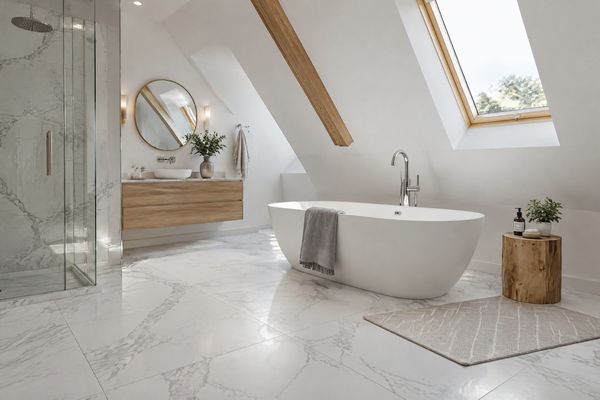
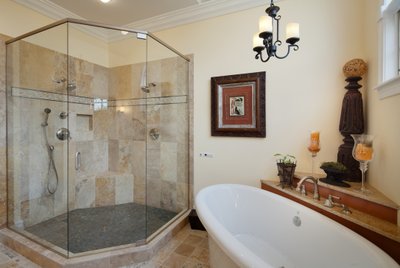
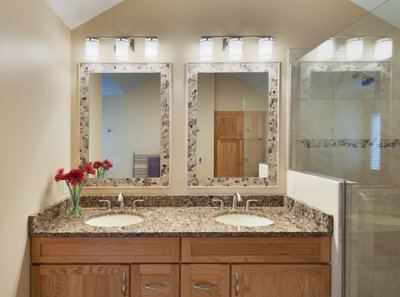
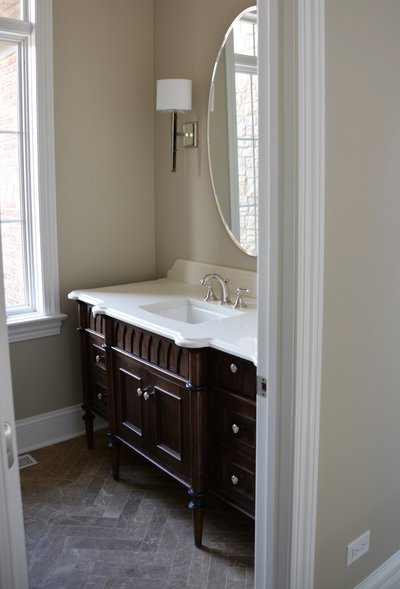
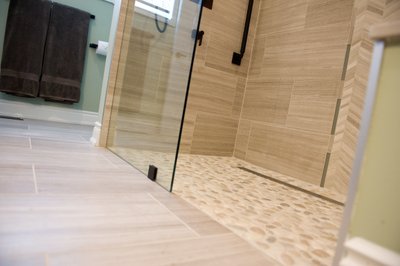
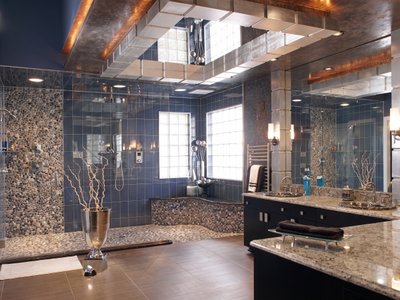
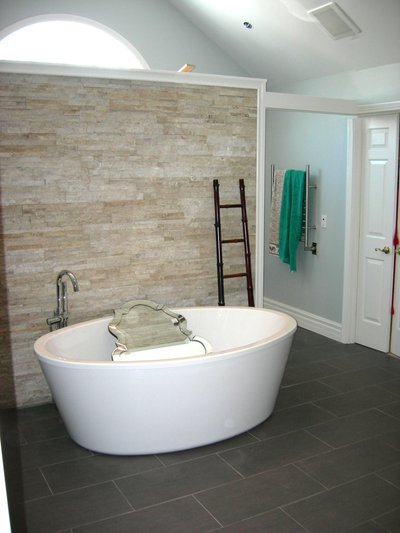
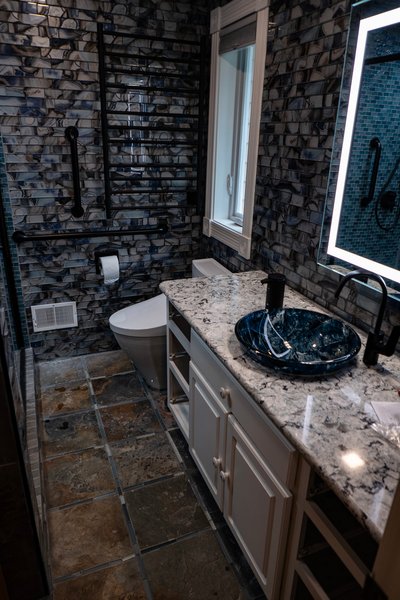
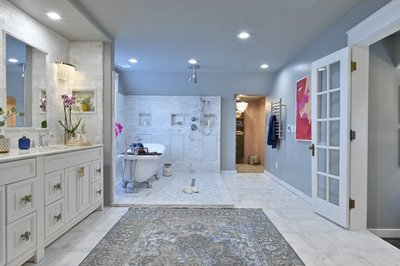
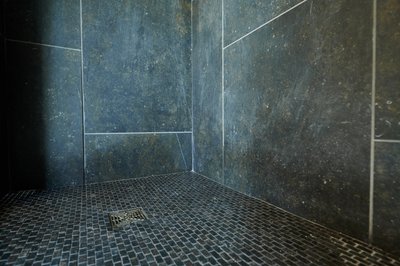
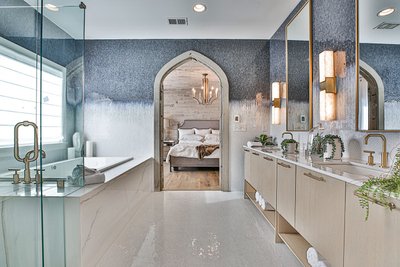
Natural Stone (Marble, Granite, Slate, Travertine):
- Excellent heat conductor and retains warmth very well
- Efficiently transfers heat from the system
- Floors feel luxurious and warm
- Thicker stones may take slightly longer to heat up initially, but then release heat slowly for consistent comfort
- Can potentially save energy due to excellent heat retention
- Moisture-resistant when properly sealed
- Premium aesthetic appeal
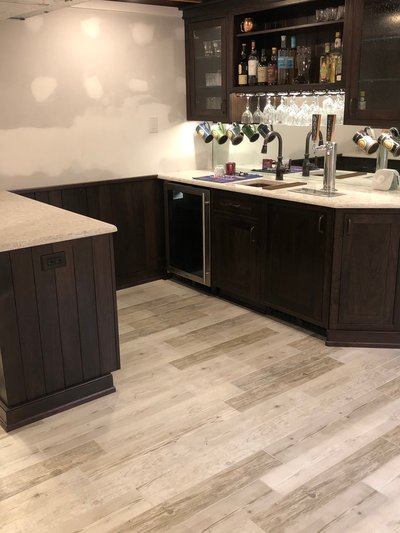
Luxury Vinyl Tile/Plank (LVT/LVP):
Good Choices:
Engineered Hardwood:
Laminate:
- Moisture-resistant varieties work
- Requires proper waterproofing
- Avoid standard laminate in high-moisture bathrooms
- Laminate floor heating guide
Avoid:
Solid Hardwood:
- Too sensitive to moisture and temperature fluctuations
- Risk of cupping, warping, or splitting
- Not recommended for bathrooms
Standard Carpet:
- Traps moisture underneath
- Creates mold risk
- Reduces heat transfer efficiency
Pro Tip:
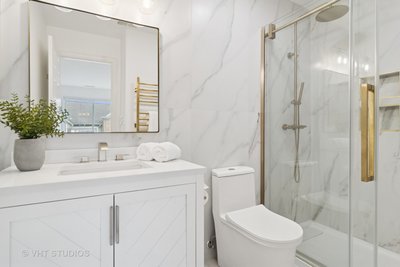
Tile and natural stone are the #1 choices for bathrooms because they combine excellent heat conductivity, moisture resistance, durability, and aesthetic appeal. LVT/LVP is an excellent budget-friendly alternative.
Bottom Line:
Choose tile, natural stone, or LVT/LVP for best results. Avoid solid hardwood and standard carpet. These materials maximize comfort, durability, and the benefits of radiant heating.