

Snow Melting for Asphalt Surfaces
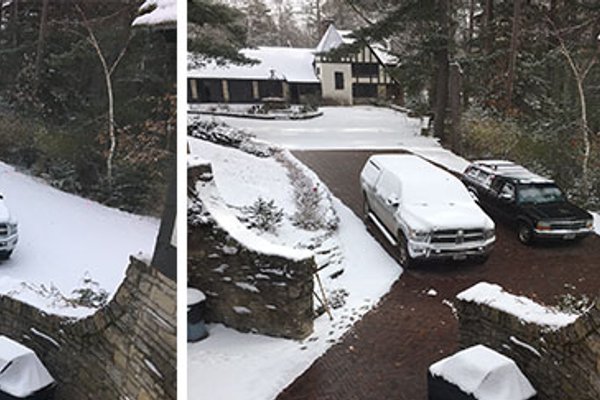
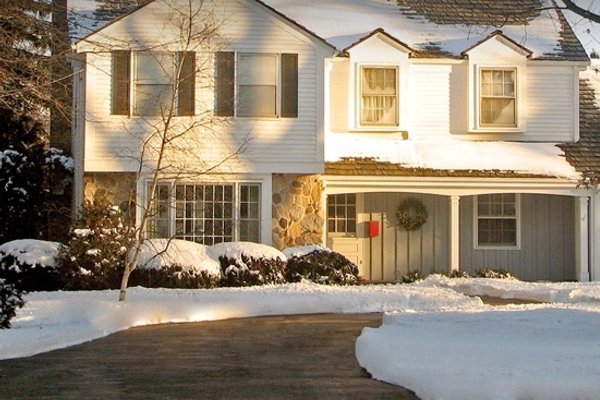
Asphalt is a popular and cost-effective surface for snow melting systems. Heating cables are laid on the base course and paved over—driveways, parking areas, walkways, and more stay clear of snow and ice all winter.
Get an Instant Quote
Answer a few quick questions and we'll match you with the best snow melting system.
Jump to
Why Asphalt is Great for Snow Melting
Excellent Heat Absorption
Asphalt's dark colour absorbs and retains heat, helping snow melting systems work efficiently.
High Temperature Rating
Our cables are rated to 450°F, easily withstanding asphalt's 330°F installation temperature—always use electric, never hydronic.
Works for Any Application
Driveways, parking areas, walkways, ramps, loading docks—any asphalt surface can be heated.
Eliminate Slip Hazards
Asphalt becomes dangerously slick when icy. A snow melting system keeps surfaces clear and safe automatically.
No Salt, No Damage
Eliminate chemical deicers that accelerate asphalt deterioration and harm surrounding landscaping.
Affordable to Operate
Systems run only during snow events. A typical residential driveway costs a few dollars per snow event to operate.
10-Year Warranty
All WarmlyYours snow melting cables and mats are backed by a 10-year manufacturer warranty.
Increase Property Value
A heated driveway or parking area is a premium feature that adds lasting value and curb appeal.
Snow Melting Customer Reviews
We take pride in providing both exceptional service and great products. But don't just take our word for it, check out what some of our customers have had to say.


Asphalt Snow Melting Projects
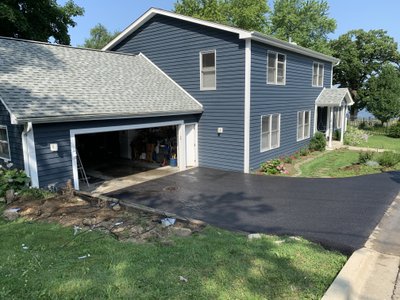
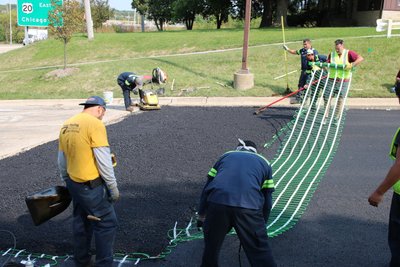
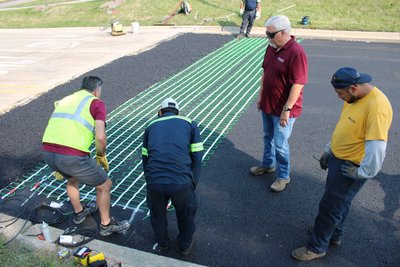
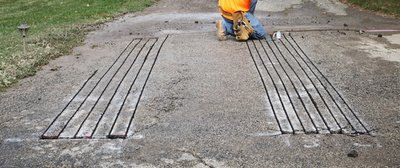
See how homeowners and contractors installed snow melting systems in asphalt driveways, parking areas, and more.

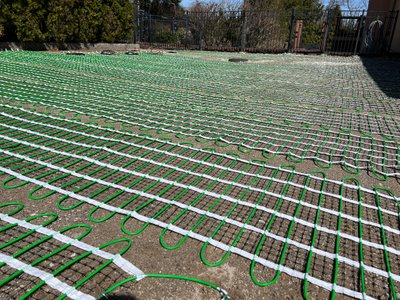
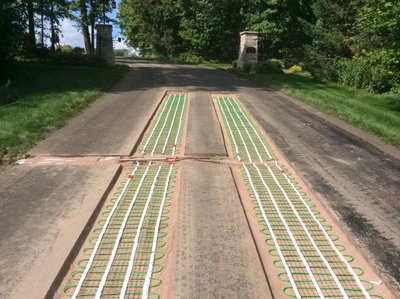
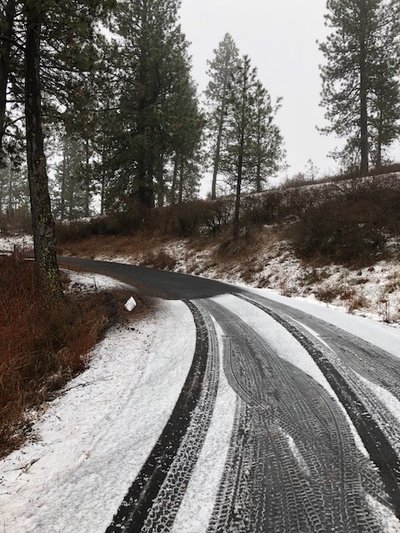
How Snow Melting Works in Asphalt
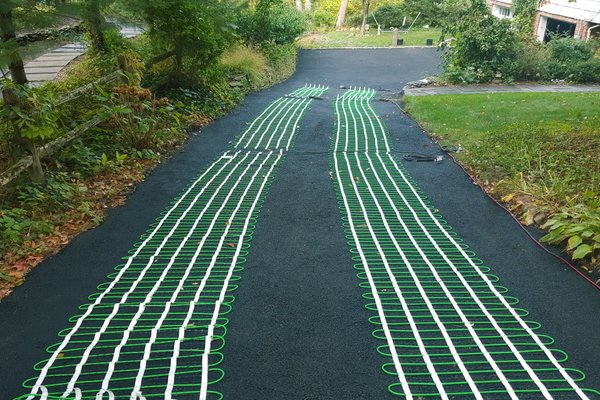
Snow melting cables are laid on the compacted base course (or on a binder layer of asphalt) and then paved over with 2–3 inches of finished asphalt. When snow falls, the system heats the asphalt from within, melting snow and ice on contact.
Because asphalt is installed hot (up to 330°F), only electric heating cables should be used—hydronic tubes will melt. WarmlyYours cables and mats are rated to 450°F, making them the ideal choice.
You can choose full coverage for complete snow elimination, or an economical tire-track layout that keeps just the wheel paths clear. Both options work with manual timers or automatic snow/temperature sensors.
Learn More About Snow MeltingFree SmartPlan
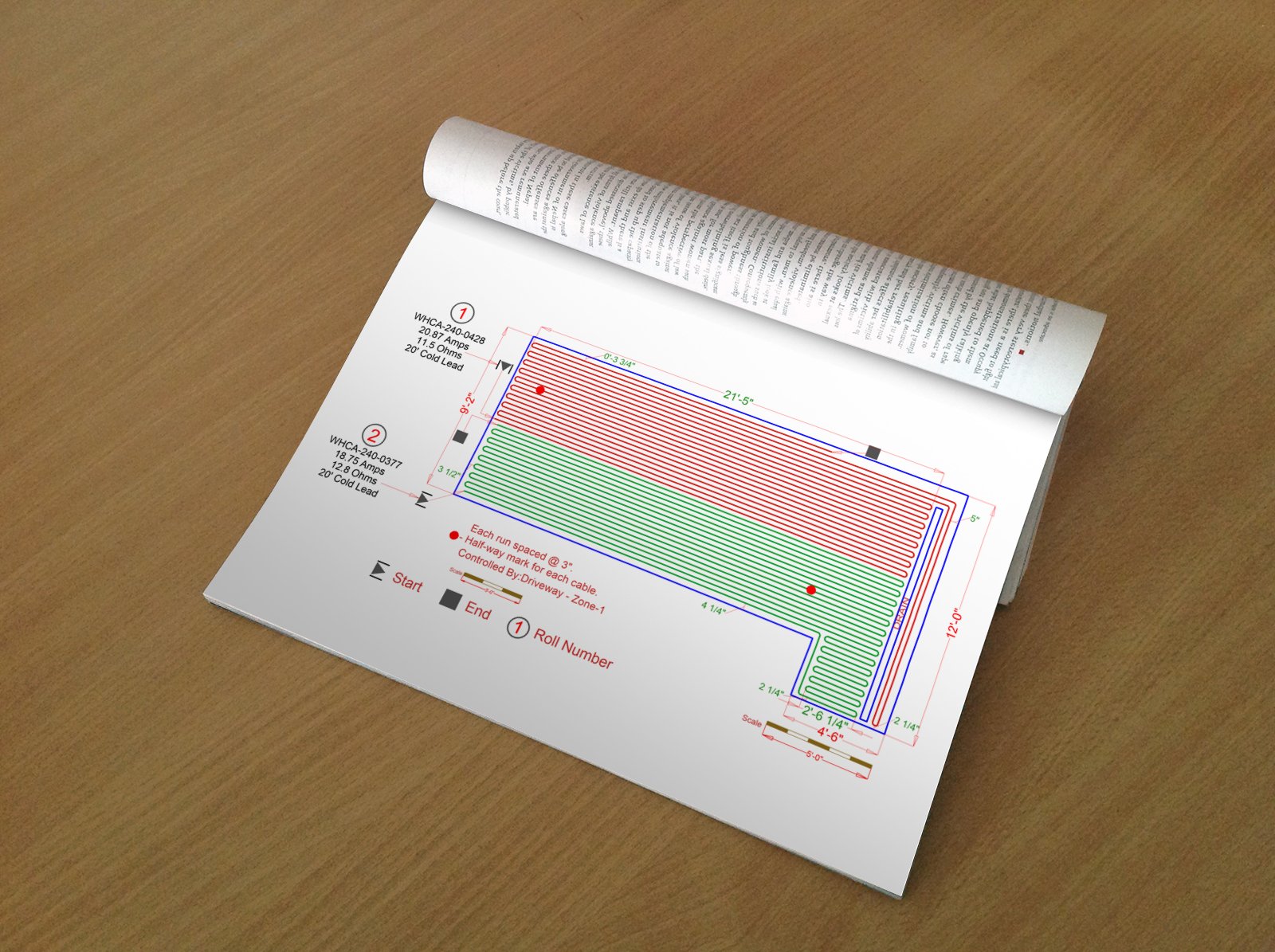
Get a custom installation plan for your asphalt project in just 1 business day.

"I'll design a custom snow melting layout for your project, complete with cable spacing, electrical requirements, and a full quote."
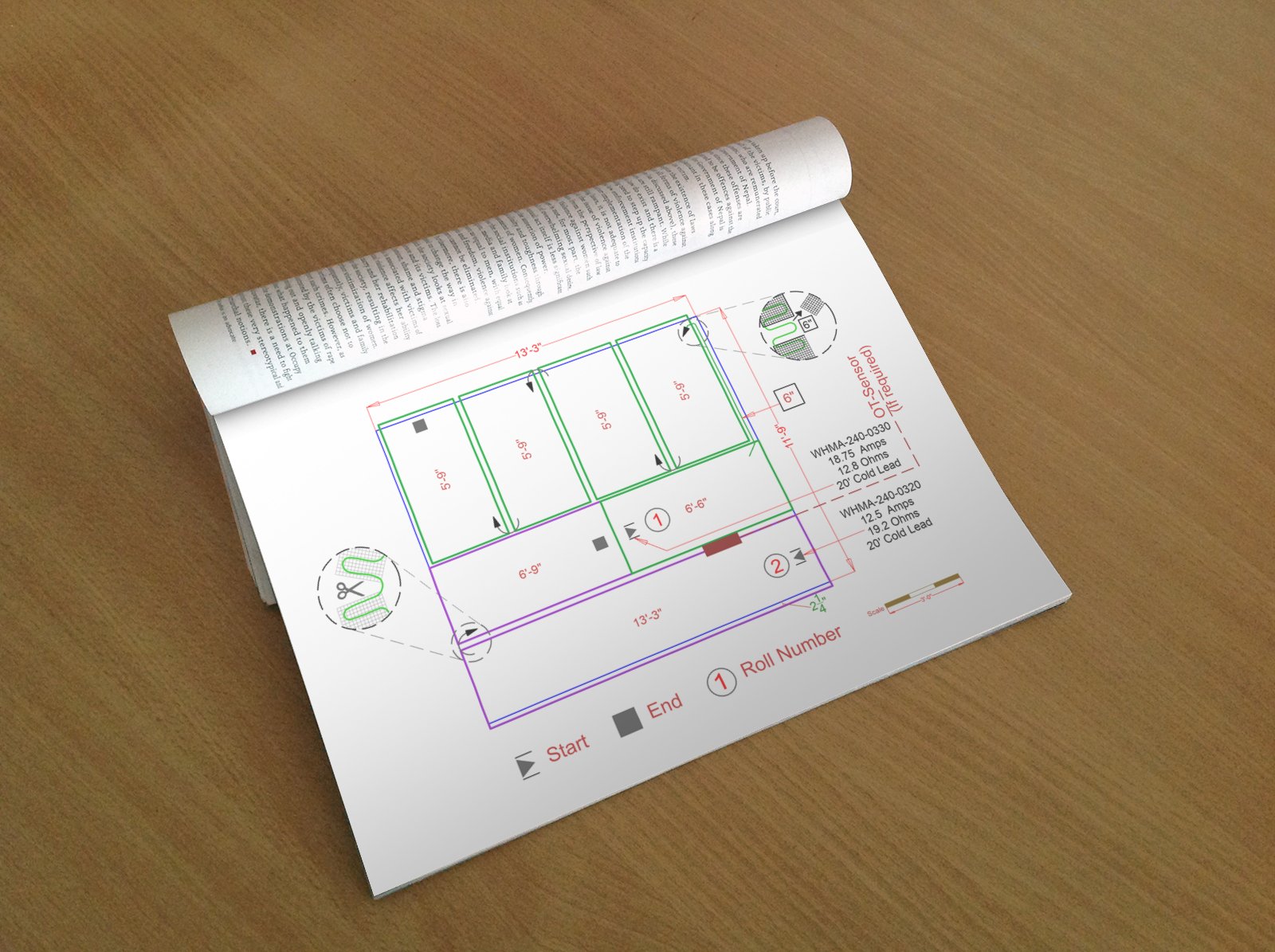
When to Install Snow Melting in Asphalt
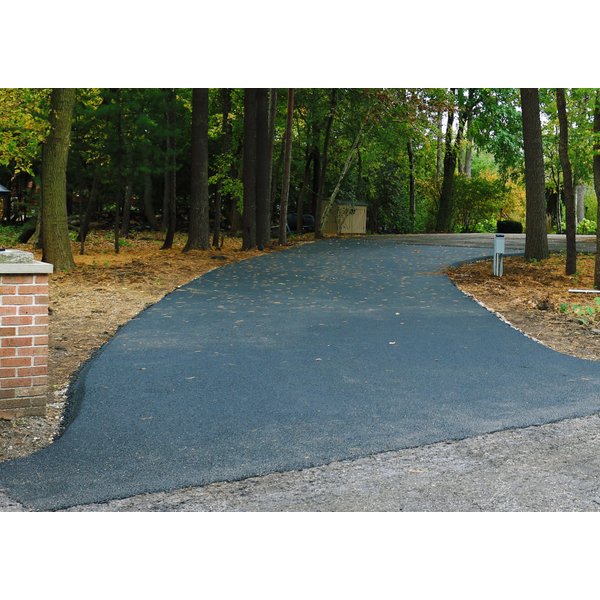
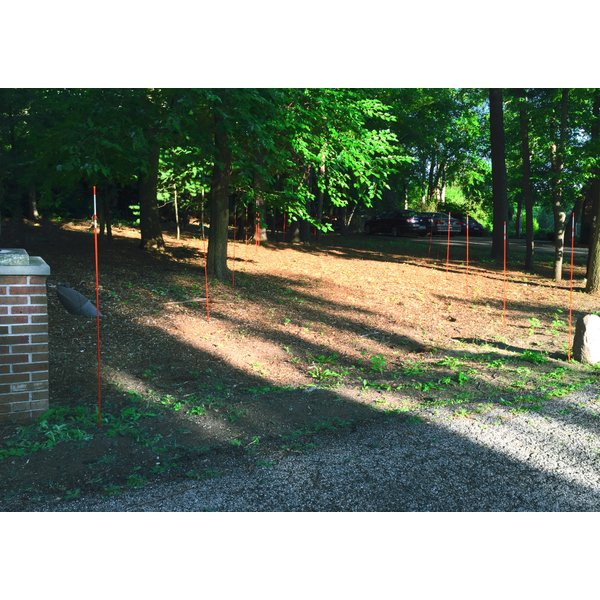
Because the snow melting system is embedded within the asphalt itself, the best time to install is when a surface is being created, redone, or expanded.
These projects are typically undertaken from late spring to late fall. Contractors prefer warmer temperatures of 50°F and above as they have more time to work with the asphalt. At 40°F, a contractor has only 25 minutes to work with a 2" thick asphalt installation.
The heating element must be installed approximately 2–3" beneath the finished surface. The thinness of our mats (5/16") means minimal impact on overall surface depth.
Because electric systems are modular, they can easily be expanded in the future if you decide to heat additional sections.
Full Coverage vs. Tire Tracks
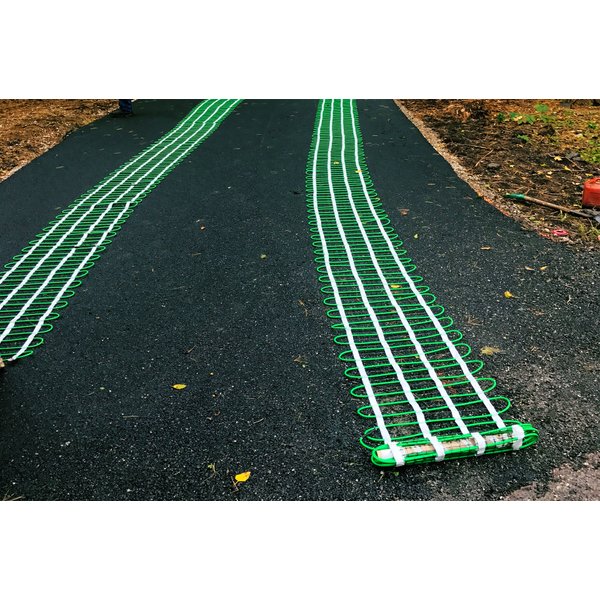
You can choose to have your entire asphalt surface covered with snow melting, but one popular alternative is to simply heat tire tracks.
This economical option helps cut down on both installation and operating costs, while still providing great functionality.
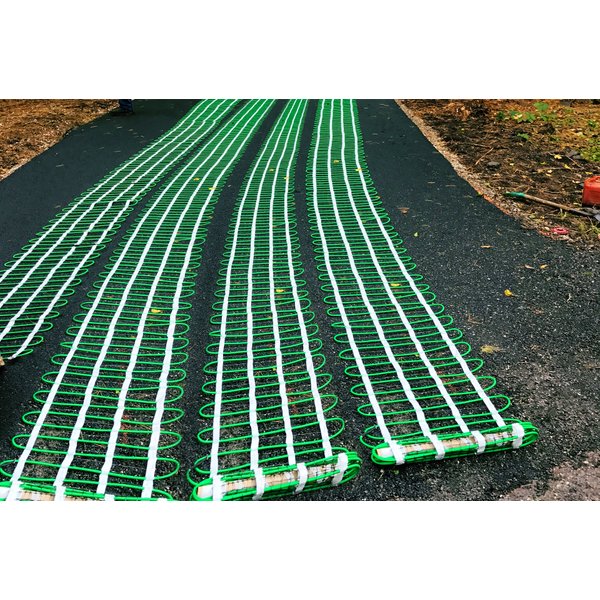
Tire track coverage works by installing two sets of heating elements, typically 2 feet wide and the length of the driveway, which will keep the surface passable even in heavy snowfalls.
How to Install Snow Melting in Asphalt
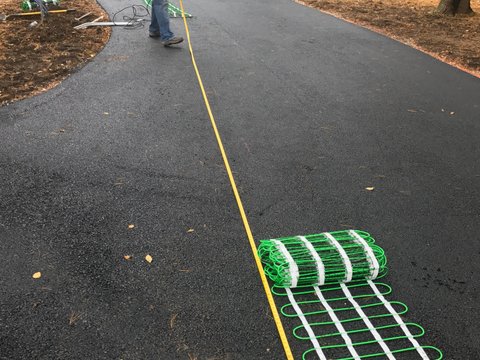
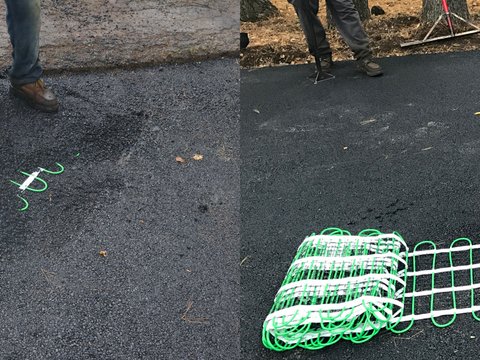
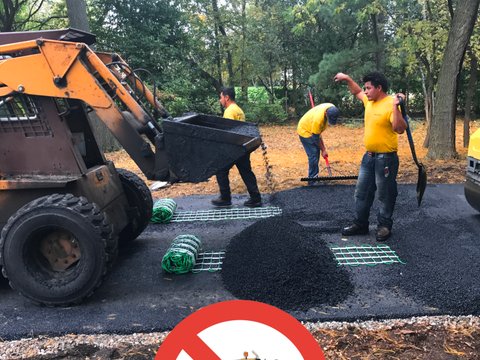
The construction of any quality asphalt surface involves several layers. In a heated installation, one of the layers includes 5/16" thick snow melting mats or cables. Here's what the process looks like:
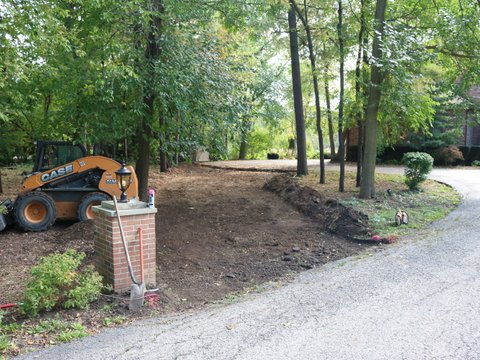
Step 1. Excavate and Compact the Ground
Prior to digging, contact a local utility locating firm to make sure your project won't hit any gas, water, or electrical lines. Excavate and tamp down a solid base of soil.
Tip: A front-loader and steamroller make quick work of this step.
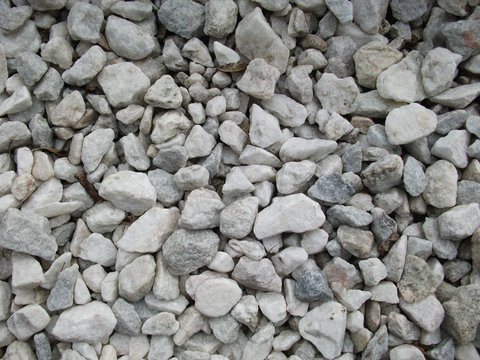
Step 2. Add Compacted Gravel Base
Compacted gravel provides a stable base while allowing effective drainage. For most residential applications, we recommend 4" to 8" of compacted gravel.
The secret to a long-lasting asphalt surface is a good, strong layer of compacted gravel.
Step 3. Base Coat of Asphalt (1.5"–2")
A quality installation has a base coat poured and spread before the final layer. This increases longevity and is required for any asphalt surface with snow melting.
We recommend this layer be between 1.5" and 2" deep.
Step 4. Dry-Fit the Snow Melting System
With the base layer down, lay out your snow melting mats to verify everything fits according to your WarmlyYours SmartPlan.
Test your system with an ohmmeter at every stage to ensure proper function and warranty coverage.
Step 5. Lay Out the Snow Melting Mats
Secure the end with a large scoop of asphalt or a stake into the binder coat. Only unroll a few feet at a time to maintain proper spacing.
Ensure the manufacturer's splice is embedded in asphalt—a common mistake is leaving it exposed.
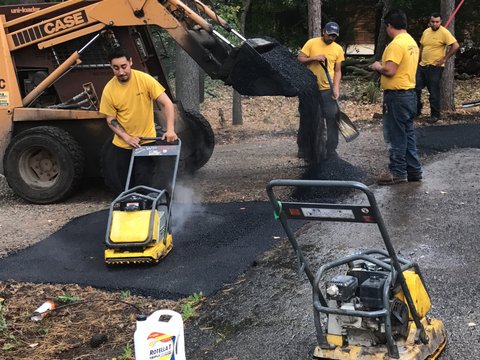
Step 6. Spread Asphalt Over the Mats (2"–3")
All spreading should be done with hand tools. Never use mechanized asphalt pavers as they can damage the heating element.
This "finished asphalt" layer should be between 2" to 3" deep.
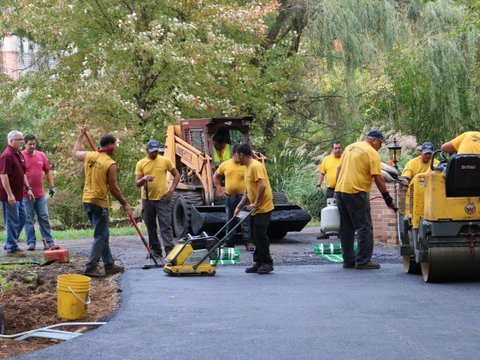
The Finished Surface
Once the heating element is embedded in 2"–3" of finished asphalt, it's safe to use traditional surfacing methods and steamrollers.
Just add snow! Monitor your system during the first few snowfalls to see if any adjustments are needed.
Snow Melting Products for Asphalt
Both mats and cables work great for asphalt installations. Mats offer faster installation while cables provide maximum flexibility for tire-track layouts and custom shapes.
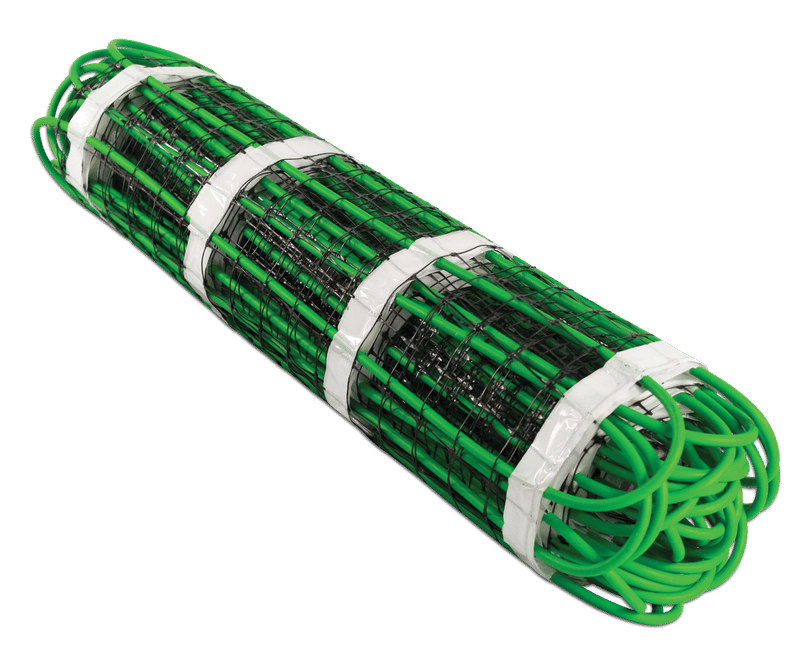
Maximum Heat Density for Heavy Snowfall (3" spacing)
Ideal for heavy snowfall regions (60+ inches annually) or high-traffic commercial areas. The 3-inch cable spacing delivers maximum heat density (~50 watts/sq.ft) for the fastest snow melting performance. Best for: Northern climates, steep driveways, loading docks, emergency exits, and areas requiring rapid clearing.
Features
- Maximum Heat Output: Approximately 50-watts per sq. ft with 3" cable spacing for fastest snow melting
- Best for Heavy Snowfall: Recommended for regions with 60+ inches of annual snowfall or when rapid melting is critical
- Even Heating: Pre-attached heating elements in a serpentine pattern with consistent 3" spacing ensures uniform coverage
- Fast and Easy Installation: Cut-and-turn design makes installation faster than cables while providing maximum heat density
- Installation Support: Free SmartPlan™ installation plans, 24/7 phone support, and a 10-year limited warranty
Optimal Performance & Energy Balance (4" spacing)
The versatile choice for moderate snowfall regions (30-60 inches annually). The 4-inch cable spacing provides an optimal balance of melting performance (~39 watts/sq.ft) and energy efficiency. Best for: Most residential driveways, walkways, and patios in typical winter climates.
Features
- Balanced Heat Output: Approximately 39-watts per sq. ft with 4" cable spacing for optimal performance and efficiency
- Best for Moderate Snowfall: Recommended for regions with 30-60 inches of annual snowfall—our most popular choice
- Even Heating: Pre-attached heating elements in a serpentine pattern with consistent 4" spacing ensures uniform coverage
- Fast and Easy Installation: Cut-and-turn design makes installation faster than cables while balancing cost and performance
- Installation Support: Free SmartPlan™ installation plans, 24/7 phone support, and a 10-year limited warranty
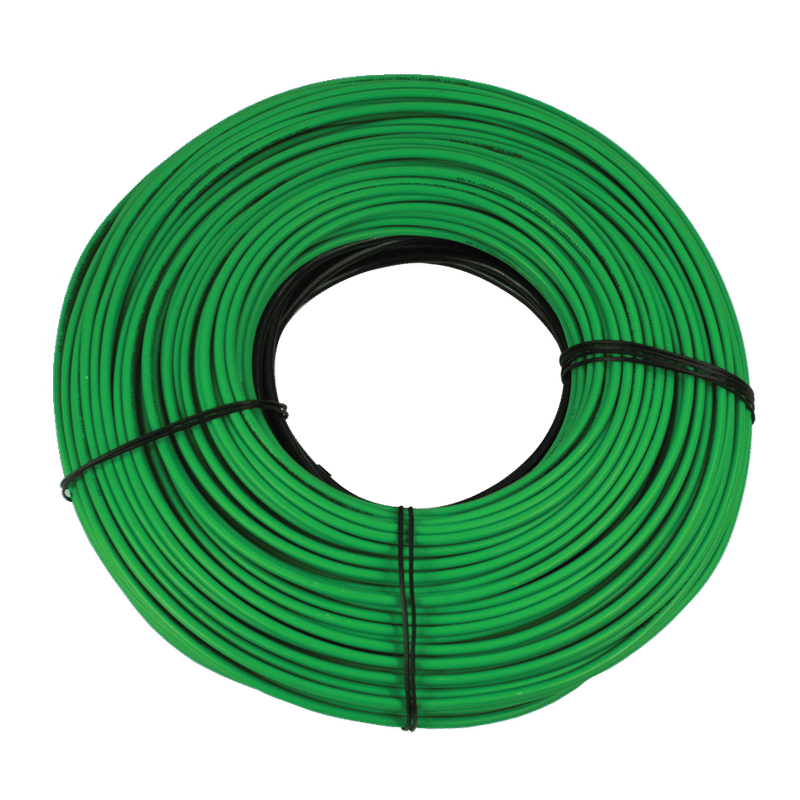
Maximum Flexibility at a Minimal Cost
WarmlyYours Snow Melt Cables offer a high heat output solution to keep your driveway, walkway, or patio snow-free. Embeddable in concrete, asphalt, or under pavers, these cables provide a flexible and cost-effective alternative to mats. Choose from a variety of voltages and lengths to suit your outdoor heating needs, ensuring safe, dry surfaces all winter long. Benefit from our 10-year warranty and 24/7 customer support for peace of mind.
Features
- High Heat Output: This embeddable electric heating cable provides 12-watts of heat per linear foot (nearly 50-watts per sq. ft.)
- Embeddable in Concrete, Asphalt, or in Mortar Under Pavers: Installing a cable-based snow melting system within a new driveway, walkway, or patio means you can enjoy snow/ice free outdoor surfaces all year
- Cost-Effective and Flexible: Snow melting cables are an less expensive (but more time consuming) alternative to snow melting mats and they provide maximum flexibility to cover round driveways, cornered patios, or outdoor stairs
- Wide Variety of Voltages: We offer snow melting cables in 120, 208, 240, and 277 voltages and in a range of different lengths
- Installation Support: WarmlyYours offers free SmartPlan™ installation plans, 24/7 phone support, and a 10-year limited warranty
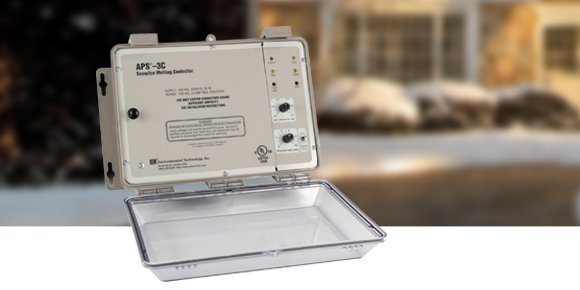
Controls for Asphalt Snow Melting
WarmlyYours offers controls ranging from simple manual timers to fully automatic systems that detect snowfall and activate on their own.
Important for asphalt installations: Slab sensors (embedded temperature/moisture sensors) are NOT recommended for use with asphalt due to the high installation temperatures. Instead, we recommend aerial sensors that detect precipitation and temperature from above ground.
Multi-zone controllers allow the system to heat in separate zones instead of all at once, useful for projects with limited power availability while cutting energy consumption.
For a full comparison of available controls and sensors, see our comparison chart.
Shop ControlsAsphalt Surfaces You Can Heat
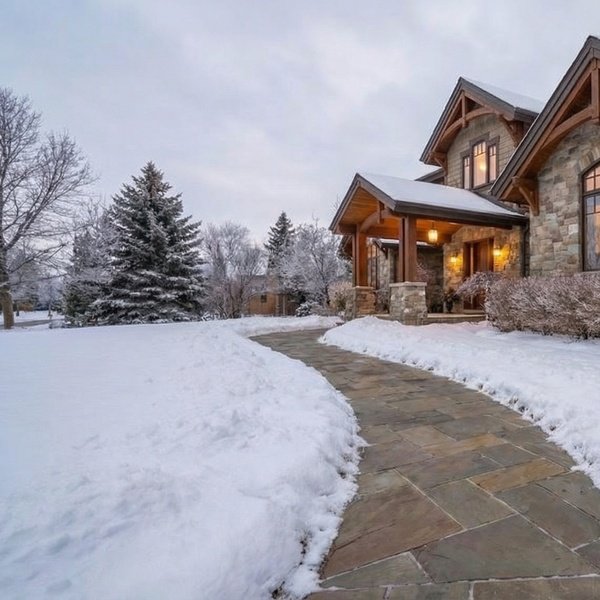
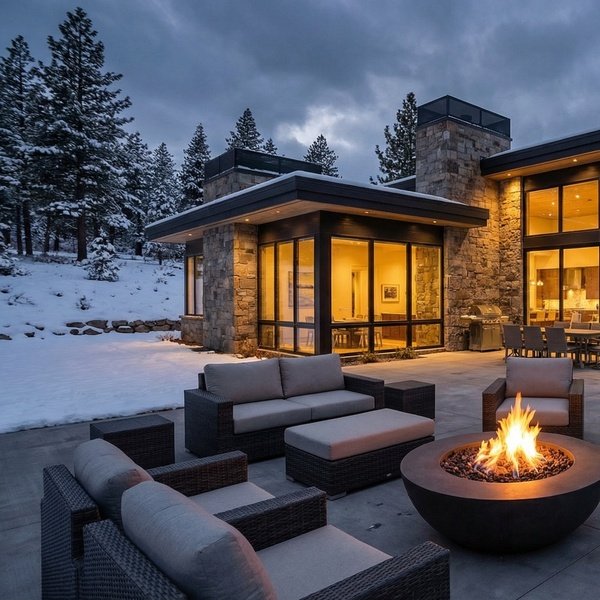
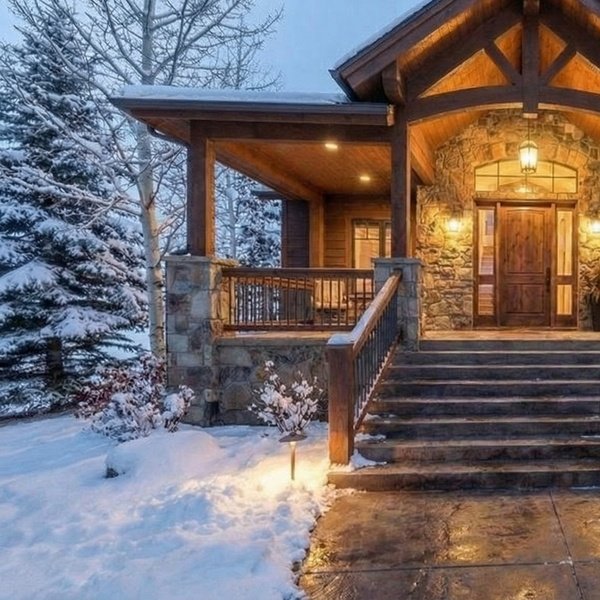
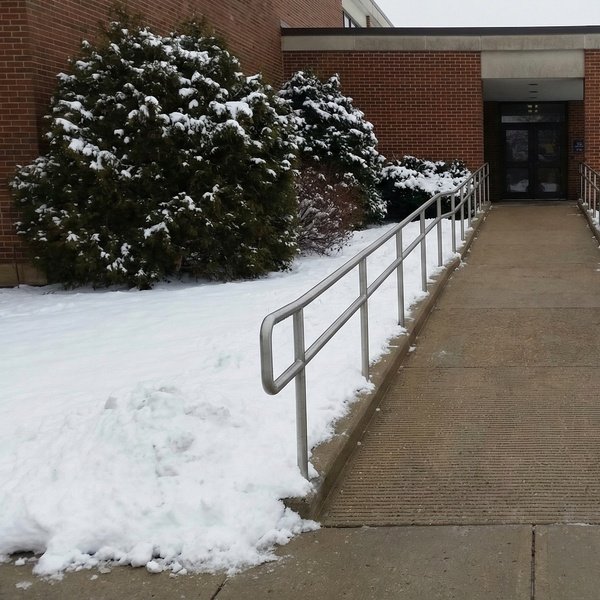
Snow melting systems work in any asphalt surface. Explore the most common applications:
Asphalt vs. Other Surfaces for Snow Melting
All three major surface types work with snow melting systems, but each has different installation requirements:
| Concrete | Asphalt | Pavers & Stone | |
|---|---|---|---|
| Installation Method | Cables embed directly in the pour | Cables laid on base course, asphalt poured over | Cables in sand or mortar bed under pavers |
| Thermal Efficiency | Excellent—concrete retains heat | Good—asphalt absorbs heat quickly | Good—depends on paver thickness |
| Best For | Driveways, walkways, patios, stairs | Driveways, parking areas, walkways | Patios, walkways, driveways |
| Sensor Options | Slab sensors + aerial sensors | Aerial sensors only | Aerial sensors only |
| Surface Finishes | Stamped, stained, polished, brushed, exposed aggregate | Standard asphalt | Brick, stone, cobblestone, interlocking |
| Learn More | Concrete | You're here | Pavers & Stone |
Snow Melting in Asphalt Videos
Documents

PDF

PDF

PDF

PDF
Asphalt Snow Melting Posts






Consult with a Snow Melting Expert
Have questions about heating your asphalt driveway, parking area, or walkway? Our experts will respond within 1 business day.
Typically respond within 1 business day
Asphalt Snow Melting FAQs
Showing 10 of 21 questions
To ensure optimal performance, snow melting heating elements should be installed so that they are consistently 2"-3" from the finished surface. For installations using pavers, the maximum thickness for pavers installed over heating elements is 2.5".
Yes, you can retrofit a snow melting system into a preexisting driveway made of concrete or asphalt. You can do this by using an appropriate tool to cut properly spaced lines (or trenches for tire tracks heating) in the surface. Then you can place the the heating elements in the lines (or trenches) before sealing them with either hot asphaltic sealer for asphalt retrofits, or backer rod and expansion joint sealer (SikaFlex or similar) for concrete retrofits. Of course, you'll want to make sure this step is done in accordance with the filler manufacturer’s recommended procedures. Check out our snow melting retrofit guide for more information about this process.
Yes, you can install a heated driveway system under asphalt. WarmlyYours snow melting cables and mats are designed to withstand the high temperatures of fresh asphalt during installation. The heating elements are typically laid out on the base surface and covered with a layer of asphalt, providing efficient and reliable snow melting for your driveway.
Yes. WarmlyYours electric snow melting cable is engineered to withstand asphalt pour temperatures exceeding 300°F, so it can be embedded directly in the pavement. The cable is laid on a base (binder) coat, then covered with a 1.5–2 inch asphalt top coat — a required two-layer pour.
Yes, with a retrofit installation. The process involves saw-cutting 2–3" deep channels into the existing asphalt, embedding the heating mats into the channels, and filling with hot asphalt. This works best for tire-track layouts where only two strips need to be cut.
Full-coverage retrofit is possible but more labour-intensive. If your asphalt surface is due for resurfacing, adding snow melting during the repaving is the most cost-effective approach.
See our Retrofit Application Guide for a step-by-step walkthrough of a real project.
Yes. Asphalt is an excellent surface for snow melting systems. Heating cables or mats are laid on the compacted base course (or on a binder layer of asphalt) and then paved over with 2–3 inches of finished asphalt.
Important: Only electric snow melting systems should be used with asphalt. Asphalt is installed at temperatures up to 330°F, which would melt the tubing used in hydronic (water-based) systems. WarmlyYours cables and mats are rated to withstand temperatures up to 450°F.
Yes, snow melting works on all three surface types, but installation methods differ:Asphalt:
- Heating cables/mats embedded in asphalt layer
- Best for new construction or overlay applications
- Cost: $8–$18/sq.ft. installed
- View Asphalt Design Guide
Concrete:
- Cables/mats embedded in concrete slab
- Ideal for new driveways or complete replacement
- Cost: $10–$25/sq.ft. installed
- View Concrete Design Guide
Pavers:
- Cables installed in sand base beneath pavers
- Best retrofit option for existing driveways
- Cost: $12–$22/sq.ft. installed
- View Paver Design Guide
Pro tip: Pavers offer the most flexibility for retrofitting existing driveways. All three options deliver the same reliable snow melting performance with proper installation.
No. You can choose full coverage, heated tire tracks (two strips aligned to your wheelbase), or a hybrid that combines tracks along the run with full coverage at the parking area or a steep incline. Tire tracks significantly reduce power draw and amperage, which is often the deciding factor on long driveways.
Yes—and often longer. A heated asphalt driveway eliminates the two biggest causes of asphalt deterioration: freeze-thaw cycles and chemical deicers. Without salt and plowing damage, the asphalt surface stays intact longer.
The snow melting system itself is maintenance-free and designed to last the lifetime of the driveway. WarmlyYours cables and mats carry a 10-year manufacturer warranty.
With an embedded snow melting system, both surfaces melt snow effectively. Concrete has better thermal mass (retains heat longer), while asphalt absorbs heat more quickly due to its dark colour. In practice, the difference in melting performance between the two is minimal when a properly designed snow melting system is installed.
Without a heating system, asphalt's dark surface absorbs more solar radiation and naturally melts snow slightly faster than lighter-coloured concrete—but this depends heavily on weather conditions.
Snow melting systems use electric heating cables or mats embedded in outdoor surfaces to melt snow and ice as it falls.How it works step-by-step:
- Heating element activation: When snow/ice is detected, the control system activates heating cables or mats embedded in the surface
- Heat generation: Cables/mats generate 50 watts per square foot (mats) or 12 watts per linear foot (cables)
- Snow melting: Heat melts snow and ice on contact, preventing accumulation
- Water drainage: Melted water drains away naturally
- Automatic shutoff: System stops when snow event ends (smart controls)
Control options determine operation:
- Manual control: You turn system on/off manually
- Thermostat control: Activates when temperature drops below freezing
- Moisture sensor: Detects snow/ice and activates automatically
- WiFi control: Remote operation + automatic weather-based activation
Why it's effective:
- Proactive (melts snow as it falls, not after accumulation)
- Automatic (smart controls require no manual intervention)
- Efficient (only runs during snow events)
- Safe (eliminates shoveling and slip hazards)
System components:
- Heating cables or mats (embedded in surface)
- Thermostat/sensor (detects temperature/moisture)
- Control panel (manages operation)
- Power supply (240V or 120V, depending on system)
View installation videos to see snow melting systems in action.
Snow melting cable provides a baseline of about 50 watts per square foot. The exact output is tuned to your location using ASHRAE climate data geo-targeted by ZIP code, typically landing between 23 and 50 watts per square foot. A free WarmlyYours SmartPlan calculates the right wattage and cable spacing for your driveway.
A heated asphalt driveway typically costs:
- Product cost: $12–$22 per square foot for WarmlyYours snow melting mats or cables
- Installation: Adds minimal time to a standard asphalt paving job — the mats lay on the binder coat before the top layer is spread
- Controls: $200–$800 depending on manual vs. automatic with sensors
Tire-track coverage is especially popular with asphalt driveways. By heating only two 2-foot-wide strips, you cut product costs roughly in half while keeping the driveway passable.
Use our Snow Melting Cost Calculator for a free instant estimate.
Heated driveway installation costs $8–$25 per square foot, depending on size, surface type, and system choice:
- Small driveway (500 sq.ft.): $4,000–$12,500
- Medium driveway (1,000 sq.ft.): $8,000–$25,000
- Large driveway (2,000 sq.ft.): $16,000–$50,000
Cost factors:
- Surface type: Asphalt is typically cheaper than concrete or pavers
- System type: Mats ($249+) vs. Cables ($229+) affect material costs
- Labor: Professional installation adds $2–$8 per sq.ft.
- Controls: Basic manual ($200–$400) to premium WiFi ($800–$1,500)
Get an accurate quote: Use our Instant Quote Builder or request a free SmartPlan with custom pricing for your project.
Operating cost depends on the heated area, installed wattage, your electricity rate and how many hours the system is energized. For example, 100 sq ft at 50 W/sq ft draws 5 kW (100 × 50 ÷ 1,000). At an illustrative $0.20/kWh, that is $1.00 per energized hour, or $6.00 for six energized hours. This is an example, not a typical bill. What changes your total:
- Heated area and coverage (full area or tire tracks)
- Installed watts per square foot
- Your local electricity rate
- Runtime, including preheating, snowfall and the controller’s drying cycle
Enter your own numbers in our snow melting cost calculator.
It depends on your climate, the area you need kept clear and what snow removal costs you now. An automatic system melts snow on the heated area during a storm, which can reduce shoveling, plowing and deicer use. Weigh that against two separate costs. Installation covers mats or cable, controls, electrical work and the driveway surface; our heated driveway cost guide breaks these down. Operating cost depends on area, wattage, electricity rate and runtime. For example, 100 sq ft at 50 W/sq ft is 5 kW: $1.00 per energized hour at an illustrative $0.20/kWh, or $6.00 for six energized hours. That is an example, not a typical bill. Compare your quote and a cost calculator estimate with your current snow removal costs.
Full coverage heats the entire driveway surface, eliminating all snow and ice. This is ideal for high-traffic areas, sloped driveways, and commercial properties where complete clearance is needed.
Tire tracks heat only two strips (typically 2 feet wide) aligned with the vehicle wheel paths. This keeps the driveway passable at roughly half the product and operating cost. Tire-track coverage is the most popular option for residential asphalt driveways.
Both options use the same WarmlyYours snow melting mats or cables—the only difference is the heated area. Our free SmartPlan service will design the optimal layout for your driveway.
The safest approach is to eliminate chemical deicers entirely by installing an electric snow melting system. Chemical deicers (rock salt, calcium chloride, magnesium chloride) accelerate asphalt deterioration, damage surrounding vegetation, and contaminate groundwater.
A WarmlyYours snow melting system embedded in your asphalt driveway melts snow and ice automatically—no chemicals, no shoveling, and no long-term damage to the surface. The system operates only during snow events and costs just a few dollars per event to run.
Asphalt is installed and compacted at temperatures between 275°F and 330°F. Hydronic (water-based) snow melting systems use plastic PEX tubing that cannot withstand these temperatures—the tubing would melt during the paving process.
WarmlyYours electric snow melting cables and mats are rated to 450°F, well above the maximum asphalt installation temperature. This makes electric systems the only safe and reliable option for asphalt installations.