

Snow Melting for Heated Sidewalks, Walkways & Paths
Electric heating cables and mats under walkways and paths melt snow as it falls. Keep outdoor access clear and safe all winter with customized design from our specialists.
Get an Instant Quote
Answer a few quick questions and we'll match you with the best snow melting system.
Jump to
Why Heat Your Walkways & Paths?
Safe Passage
Keep walkways clear for safe access to your home, garage, or outbuildings.
No More Shoveling
Put away the rock-salt and shovels and retire from backbreaking snow removal labor.
Accessibility
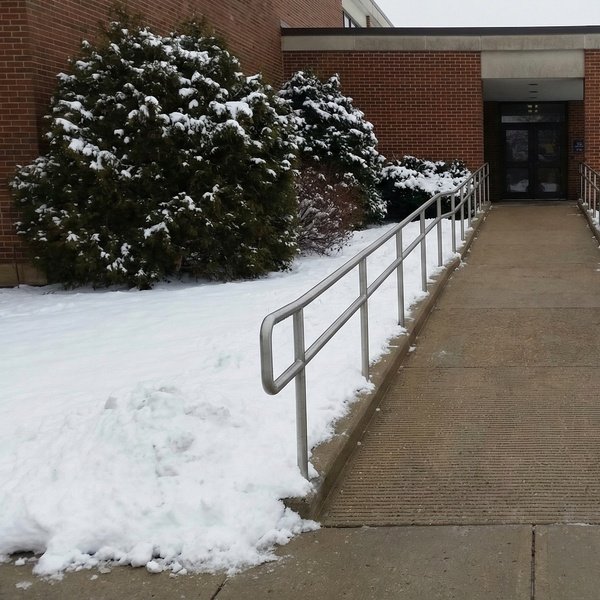
Essential for wheelchair ramps and ADA-compliant pathways that must remain clear.
Eco-Friendly
Eliminate harmful chemical melting agents that can damage surfaces and harm pets.
Works with Any Surface
Install in concrete, asphalt, or mortar beneath pavers and natural stone.
Affordable to Operate
Systems only run during snow events, keeping operating costs low.
10-Year Warranty
Our snow melting cables and mats are backed by a 10-year manufacturer warranty.
Increase Property Value
Heated walkways are a premium feature that adds lasting value to your home.
Snow Melting Customer Reviews
We take pride in providing both exceptional service and great products. But don't just take our word for it, check out what some of our customers have had to say.


Featured Walkway & Path Projects

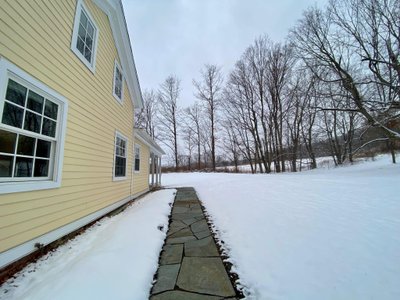
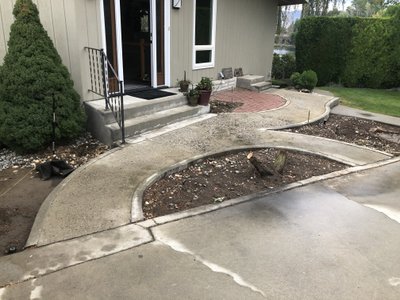
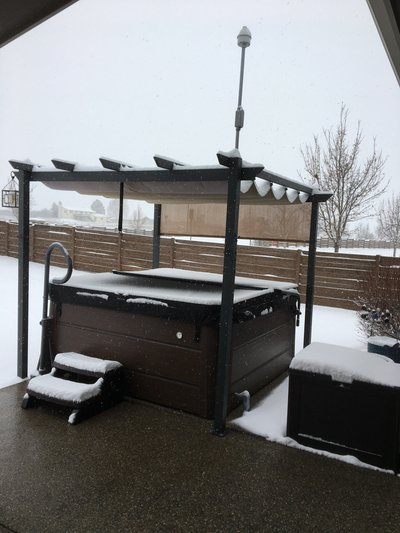
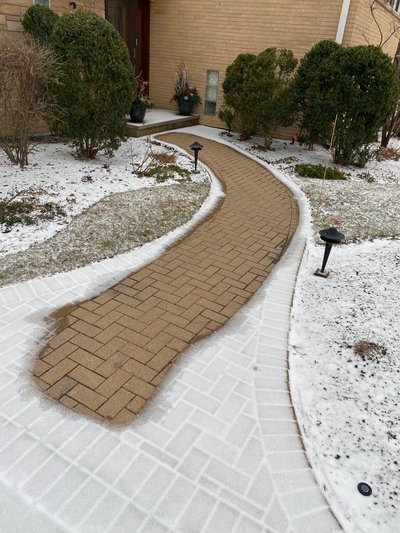
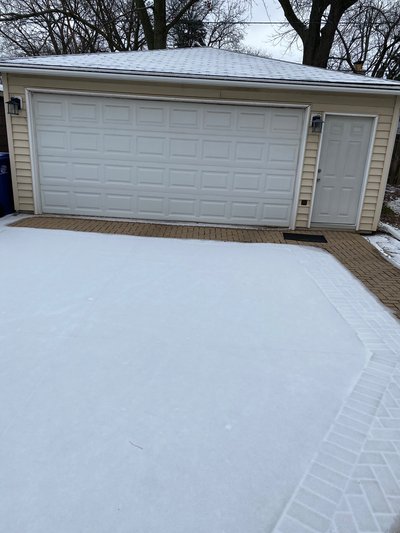
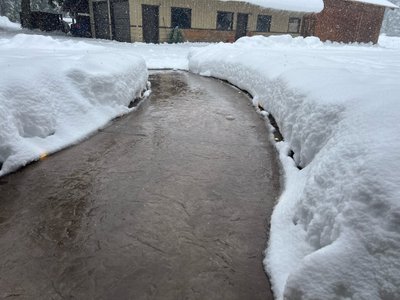
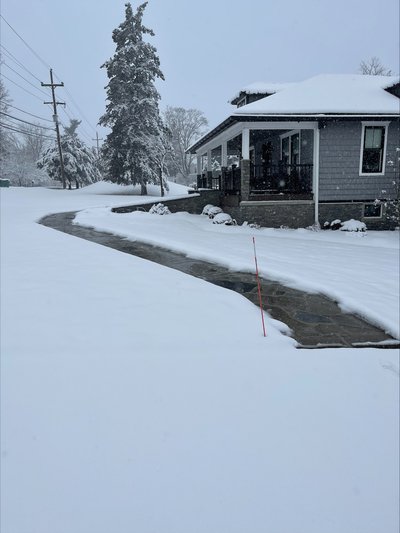

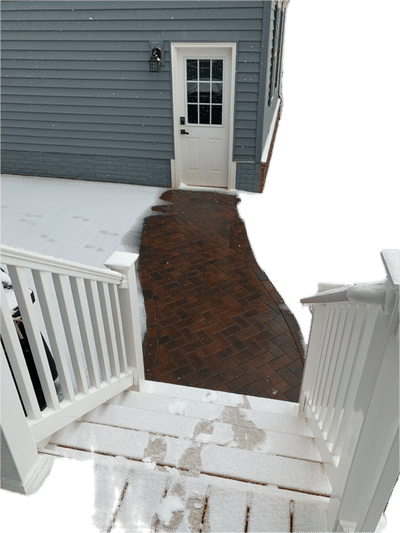
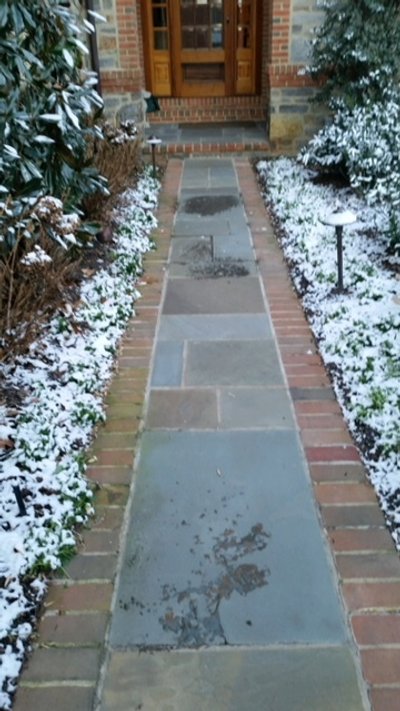
What is Snow Melting?
Have you ever seen snow fall on an already warm car? It melts instantly. This is the essential idea behind snow melting systems—a heating element is embedded in your walkway and it melts the snow that falls on it.
Walkways and pathways benefit greatly from a WarmlyYours snow melting system (available in both mats and cables). Designed to install directly in concrete, asphalt, or in mortar beneath pavers, our systems ensure safe passage year-round.
Because electric systems are modular, they can easily be expanded in the future if you decide to add heated driveways or patios.
Learn More About Snow MeltingWhat Makes a Heated Sidewalk Different
A sidewalk is not a small driveway. People walk its full width, in every direction, and the layout of the heating element has to account for that. These are the things our design team plans differently on a heated sidewalk or walkway.
Heat Only Travels 2 Inches Sideways
An embedded cable warms a narrow band, roughly 1.5 to 2 inches to either side. That one number drives the entire layout. It is why sidewalk runs sit 3 inches apart, and why guessing at spacing leaves cold stripes you only discover after the concrete has cured.
Full Width, No Cold Stripes
Nobody walks a sidewalk in predictable tracks, so it has to be clear edge to edge. Walkways get full-width coverage at a tight 3-inch spacing. A partial layout that leaves one icy strip down the side defeats the point of heating it at all.
Wide Decorative Walks Can Heat the Center
An exceptionally wide decorative walkway is the one exception. A dedicated heated path down the center keeps people on a clear, safe route while drawing far less energy than heating the full width would.
Mats for Straight Runs, Cable for Curves
Sidewalks bend around gates, branches, and landscaping. Pre-made mats roll out quickly along long straight stretches, and loose cable takes over wherever the path curves or branches. Most walkway plans use both.
Clean Breaks at Every Transition
Where a sidewalk meets a driveway, a step, or a porch, the heating element stops and a separate run picks up on the far side. Carrying one element straight through a structural seam invites damage as the slabs shift and settle.
Free SmartPlan
Get a custom installation plan for your walkway or path in just 1 business day.

"I'll design a custom snow melting layout for your project, complete with cable spacing, electrical requirements, and a full quote."
When to Install a Snow Melting System
Because the snow melting system is embedded within the surface itself, the best time to install is when a walkway or path is being created for the first time, redone, or expanded.
These projects are typically undertaken from late spring to late fall when ground temperatures are above freezing.
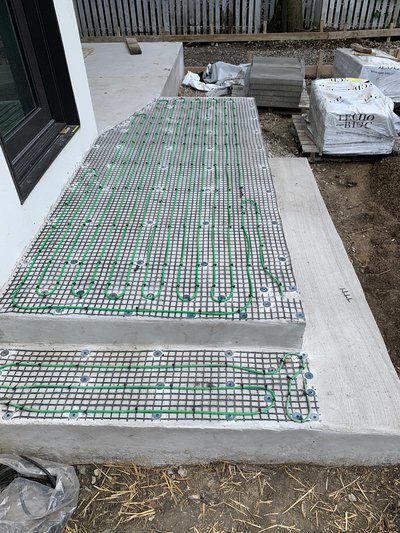
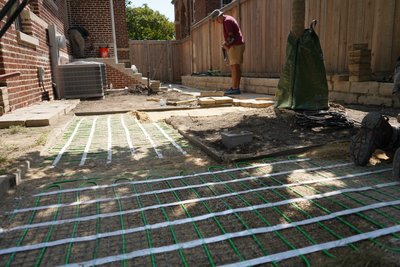
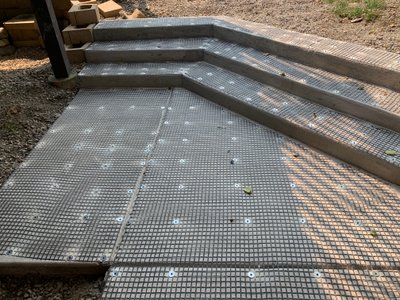
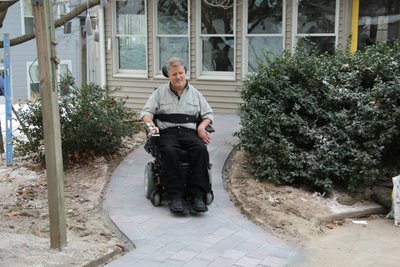
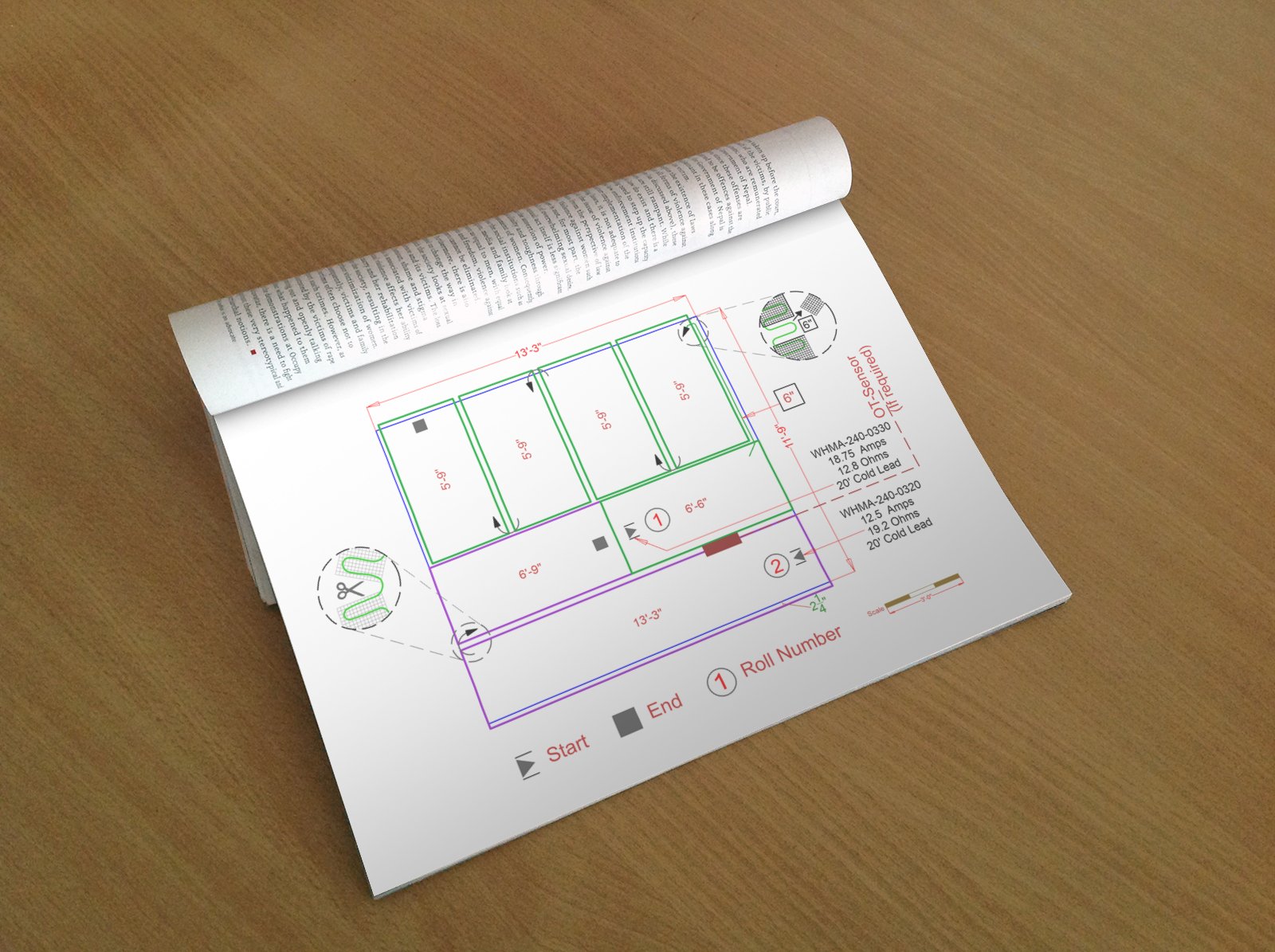
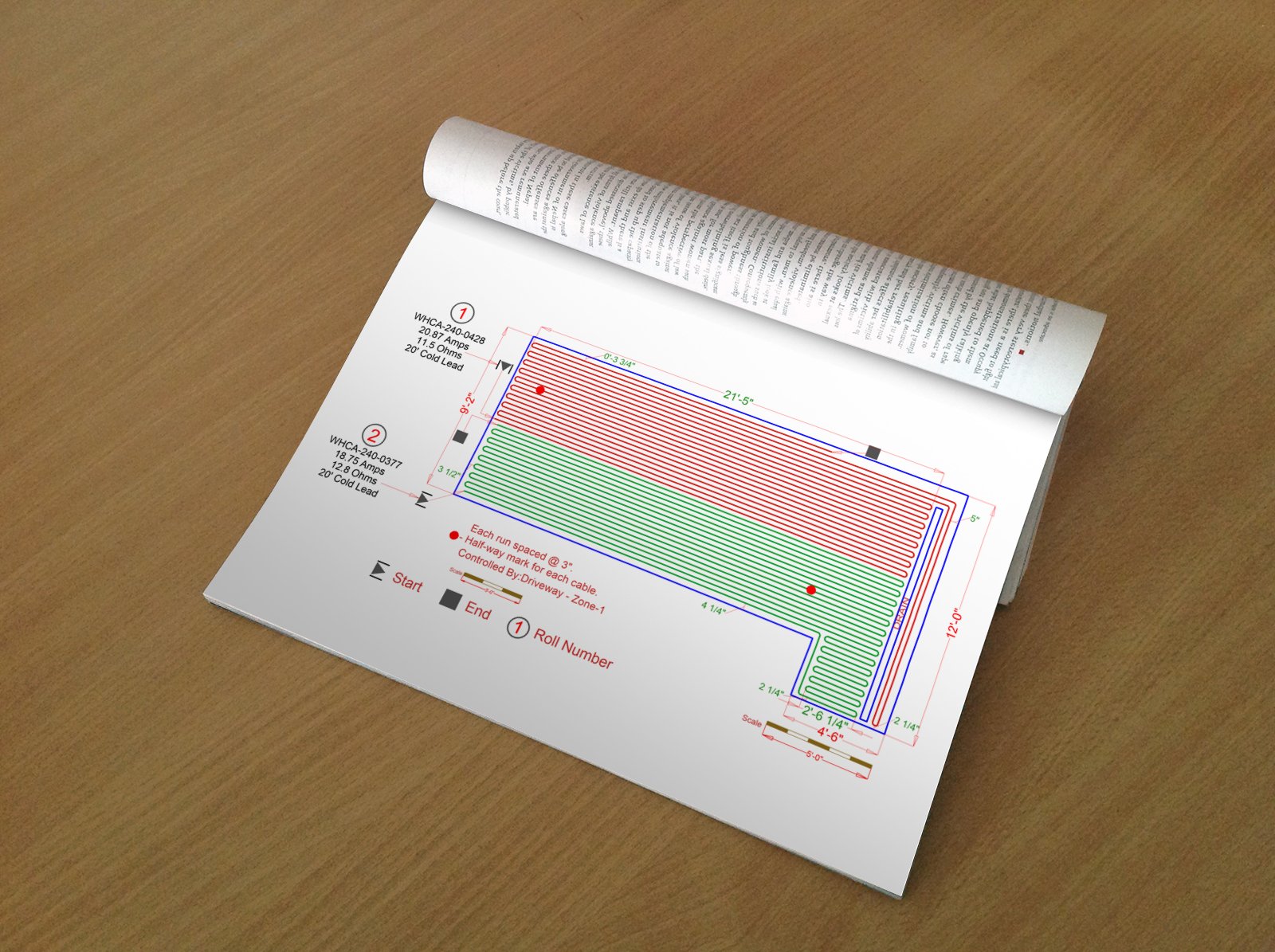
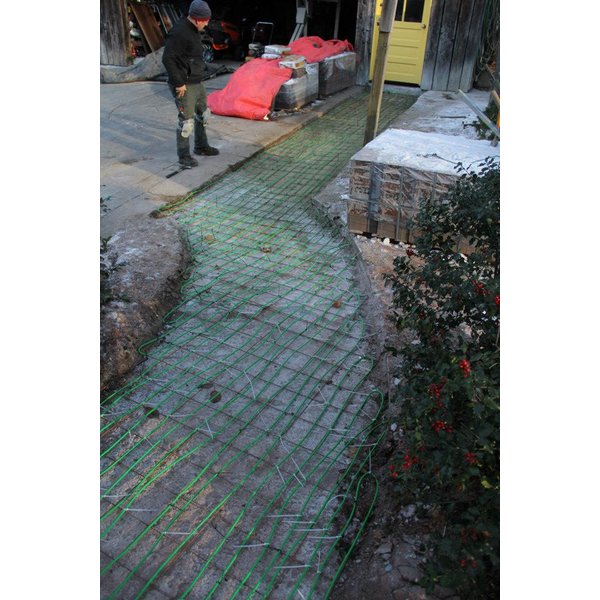
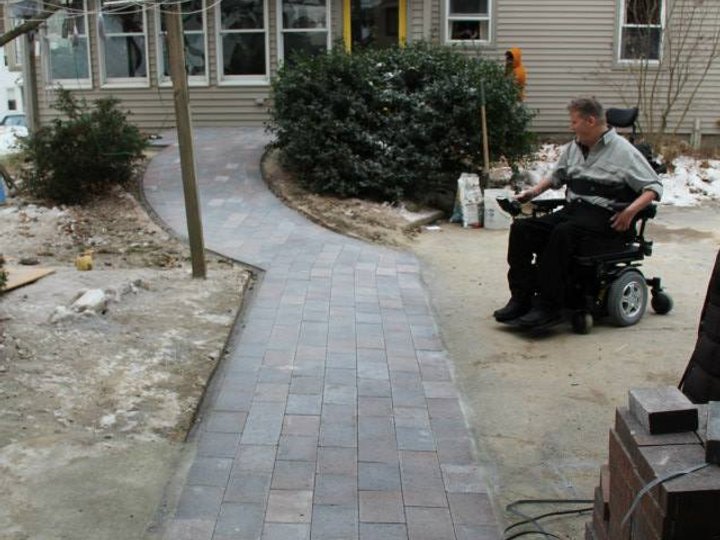
The example pictured is of a walkway improvement that will double as an accessibility ramp, leading to a detached garage for wheelchair accessible van access.
By adding the snow melting system, the customer is sure to have a clean path to the garage without relying on a snow removal service.
Installing the Snow Melting System
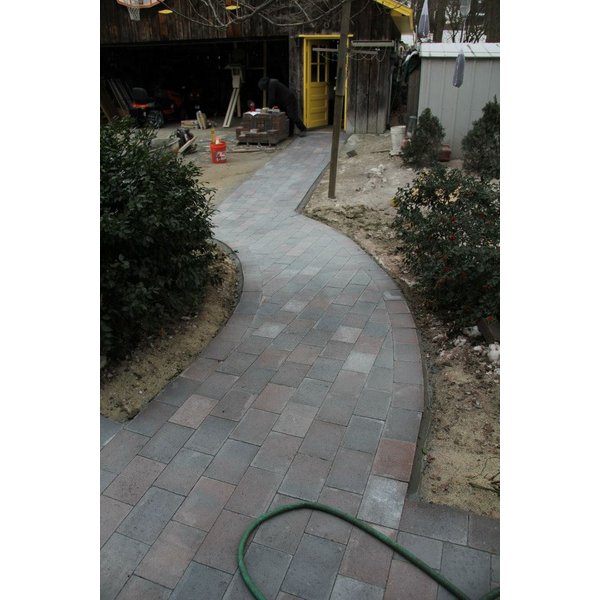
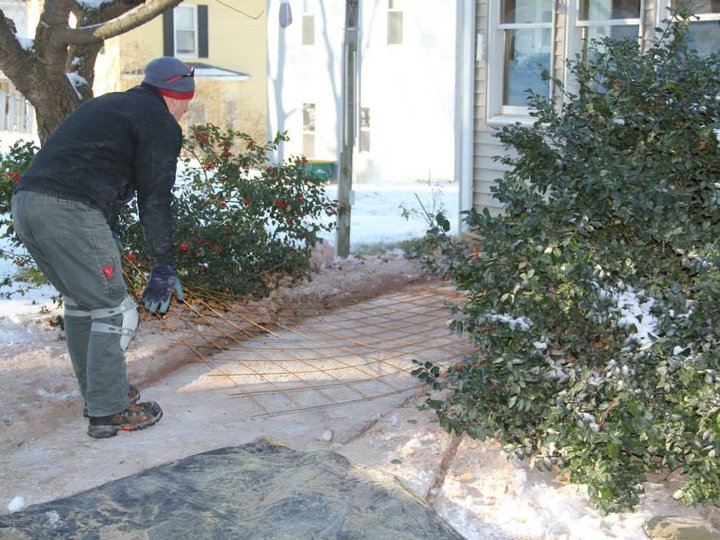
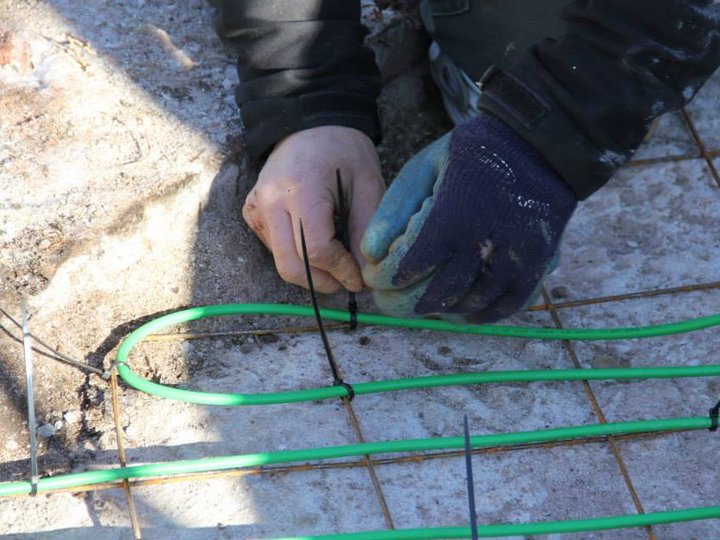
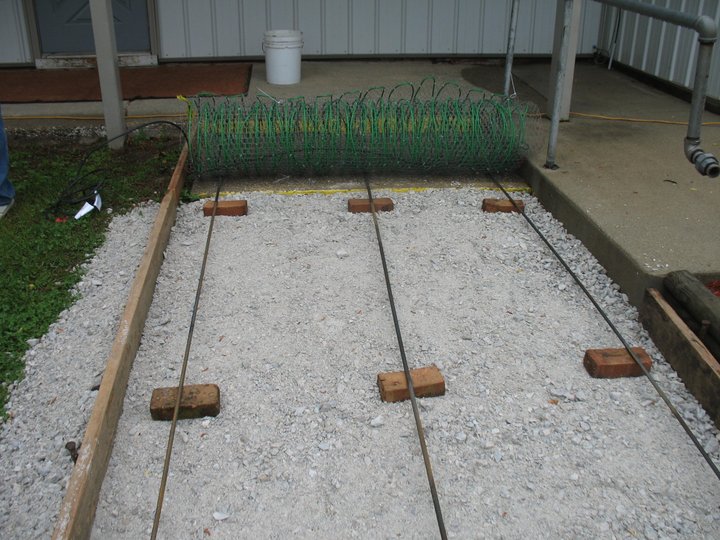
The thinness of an electrical snow melting system means minimal impact on overall walkway depth. These systems work with concrete, pavers, and asphalt—each surface type has different depth requirements.
Follow these steps for a successful walkway installation:
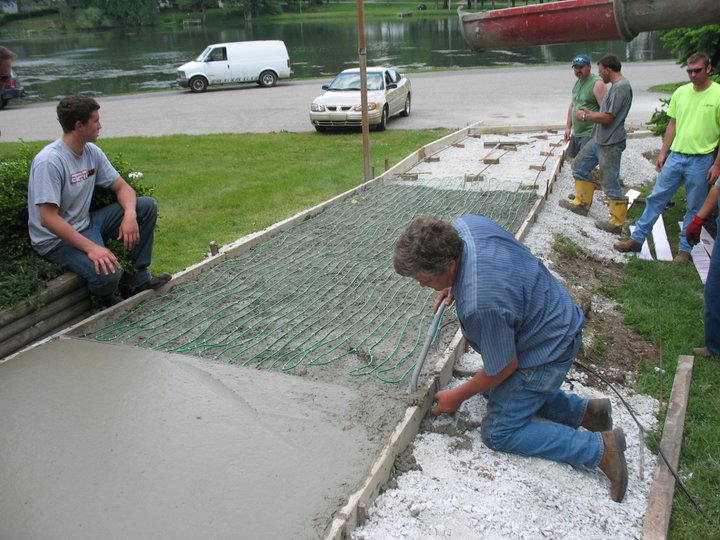
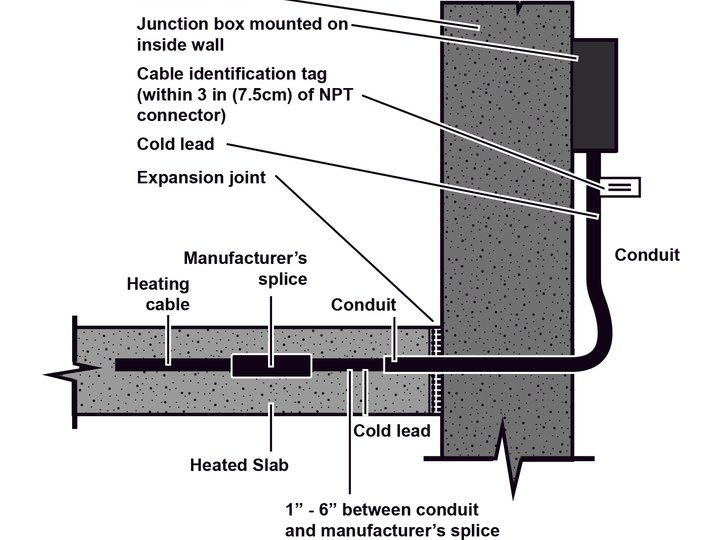
1 of 6
Snow Melting Products for Walkways & Paths
Cables offer maximum flexibility for custom layouts, while mats provide faster installation for straight sections.

Maximum Flexibility at a Minimal Cost
WarmlyYours Snow Melt Cables offer a high heat output solution to keep your driveway, walkway, or patio snow-free. Embeddable in concrete, asphalt, or under pavers, these cables provide a flexible and cost-effective alternative to mats. Choose from a variety of voltages and lengths to suit your outdoor heating needs, ensuring safe, dry surfaces all winter long. Benefit from our 10-year warranty and 24/7 customer support for peace of mind.
Features
- High Heat Output: This embeddable electric heating cable provides 12-watts of heat per linear foot (nearly 50-watts per sq. ft.)
- Embeddable in Concrete, Asphalt, or in Mortar Under Pavers: Installing a cable-based snow melting system within a new driveway, walkway, or patio means you can enjoy snow/ice free outdoor surfaces all year
- Cost-Effective and Flexible: Snow melting cables are an less expensive (but more time consuming) alternative to snow melting mats and they provide maximum flexibility to cover round driveways, cornered patios, or outdoor stairs
- Wide Variety of Voltages: We offer snow melting cables in 120, 208, 240, and 277 voltages and in a range of different lengths
- Installation Support: WarmlyYours offers free SmartPlan™ installation plans, 24/7 phone support, and a 10-year limited warranty

Maximum Heat Density for Heavy Snowfall (3" spacing)
Ideal for heavy snowfall regions (60+ inches annually) or high-traffic commercial areas. The 3-inch cable spacing delivers maximum heat density (~50 watts/sq.ft) for the fastest snow melting performance. Best for: Northern climates, steep driveways, loading docks, emergency exits, and areas requiring rapid clearing.
Features
- Maximum Heat Output: Approximately 50-watts per sq. ft with 3" cable spacing for fastest snow melting
- Best for Heavy Snowfall: Recommended for regions with 60+ inches of annual snowfall or when rapid melting is critical
- Even Heating: Pre-attached heating elements in a serpentine pattern with consistent 3" spacing ensures uniform coverage
- Fast and Easy Installation: Cut-and-turn design makes installation faster than cables while providing maximum heat density
- Installation Support: Free SmartPlan™ installation plans, 24/7 phone support, and a 10-year limited warranty
Optimal Performance & Energy Balance (4" spacing)
The versatile choice for moderate snowfall regions (30-60 inches annually). The 4-inch cable spacing provides an optimal balance of melting performance (~39 watts/sq.ft) and energy efficiency. Best for: Most residential driveways, walkways, and patios in typical winter climates.
Features
- Balanced Heat Output: Approximately 39-watts per sq. ft with 4" cable spacing for optimal performance and efficiency
- Best for Moderate Snowfall: Recommended for regions with 30-60 inches of annual snowfall—our most popular choice
- Even Heating: Pre-attached heating elements in a serpentine pattern with consistent 4" spacing ensures uniform coverage
- Fast and Easy Installation: Cut-and-turn design makes installation faster than cables while balancing cost and performance
- Installation Support: Free SmartPlan™ installation plans, 24/7 phone support, and a 10-year limited warranty
Controls for Walkway Snow Melting
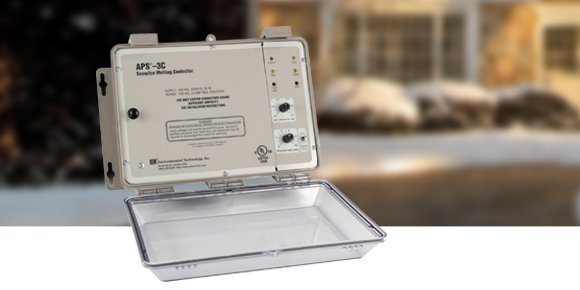
WarmlyYours offers a wide variety of controls—from manual options with timers to automatic controls that activate when they sense snow is falling.
Controls use two main types of sensors: slab sensors (installed with the heating element to measure surface conditions) and aerial sensors (installed in the open to detect snowfall). Note: slab sensors are not recommended for use with pavers.
For more information, check out this comparison chart.
Shop ControlsExplore Snow Melting Applications
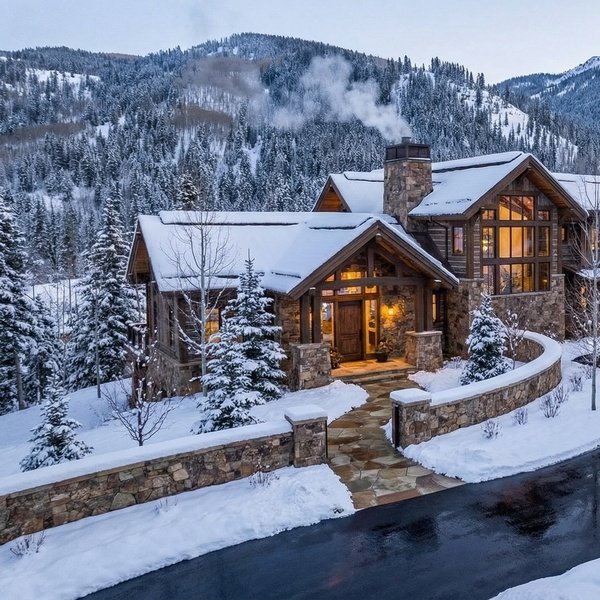
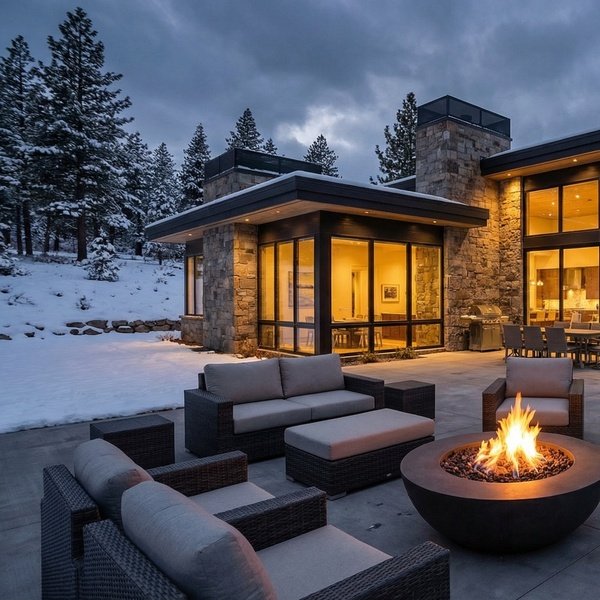
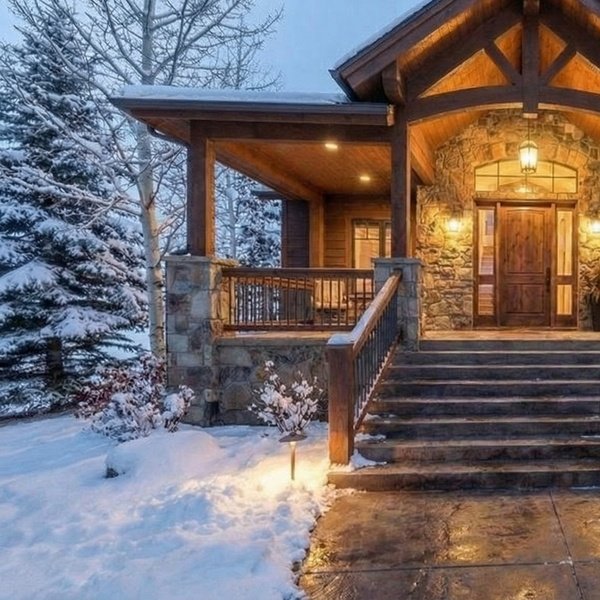
Snow melting systems work in a variety of outdoor surfaces and applications:
Snow Melting Videos
Documents

PDF

PDF
Heated Sidewalk & Walkway FAQs
Showing all 6 questions
To ensure optimal performance, snow melting heating elements should be installed so that they are consistently 2"-3" from the finished surface. For installations using pavers, the maximum thickness for pavers installed over heating elements is 2.5".
It depends on what you pay now to keep the sidewalk clear and what matters to you. Compare the installed and operating costs with your current shoveling, service and salt costs. Operating cost depends on area, wattage, electricity rate and energized hours: a 100 sq ft sidewalk at 50 W/sq ft draws 5 kW, or $1.00 per energized hour at an illustrative $0.20/kWh. That is an example, not a typical bill. Beyond cost, an automatic system can reduce shoveling and the salt use that can damage concrete and pavers, and keep the entry clearer during storms. Run your own numbers with a free SmartPlan and quote.
Absolutely! Snow melting is perfect for walkways, patios, and outdoor stairs. In fact, these are among the most popular applications because they provide maximum safety benefits.Walkways & Paths:
- Eliminates slip-and-fall hazards
- Improves accessibility for elderly/disabled residents
- Cost: $10–$20/sq.ft. installed
- View Walkway Design Guide
Outdoor Stairs:
- Critical safety upgrade (stairs are slip hazards)
- Prevents ice buildup on steps
- Cost: $15–$25/sq.ft. installed
- View Stair Design Guide
Patios:
- Extends outdoor entertaining season
- Melts snow for safe access
- Cost: $10–$22/sq.ft. installed
- View Patio Design Guide
Real-world example: A Hudson, MA homeowner installed snow melting on a paver walkway for $1.20/hour operating cost—providing safe winter access for wheelchair users. View the project.
Electric heating mats or cable are embedded 2–3 inches below the sidewalk surface — in the concrete pour, the asphalt, or the sand bed under pavers — so nothing is visible once the job is done. An automatic activation device senses both freezing temperature and moisture and switches the system on only when snow or ice is actually falling, then shuts it off after the surface is clear. You get a bare, dry sidewalk with no shoveling, no salt, and no equipment to store or maintain. See how the full snow melting system is put together.
A heated sidewalk typically runs $8–$20 per square foot for the heating system and control, with most residential sidewalk projects landing between $1,500 and $5,000 installed. Your final cost depends on the square footage, whether you use snow melting mats or cable, the surface (concrete, pavers, or asphalt), and local electrician rates. Because the heating element is embedded during the pour or paver base work, installing with a new or replacement sidewalk is far less expensive than retrofitting later. Get an exact number with a free SmartPlan and quote — no account required.
Start with a compacted, well-drained gravel base. Lay Snow Melt Mats or Cables on the base, then embed them in a 1.5” to 2” bed of sand or mortar — never in direct contact with paver edges. Use pavers no thicker than 2.5”, and test the system before laying pavers and again before final compaction.