product works great; support was great; even with the basic controller from them as well, it works amazing.

Contact Us After Hours
Loading contact options...
Sign In
Loading...

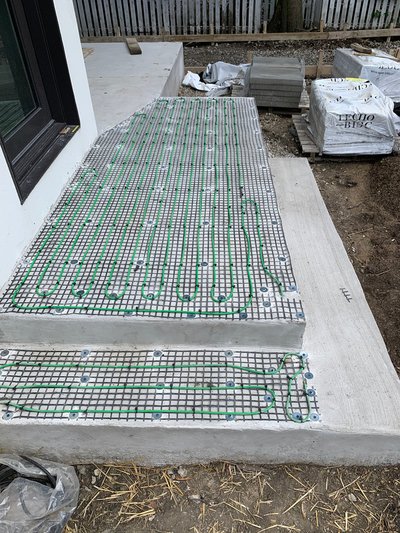
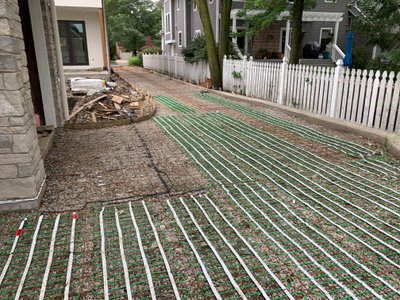
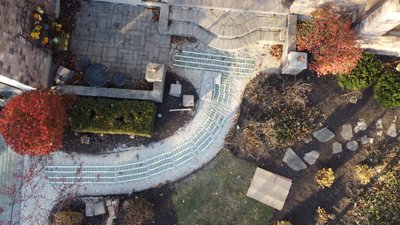
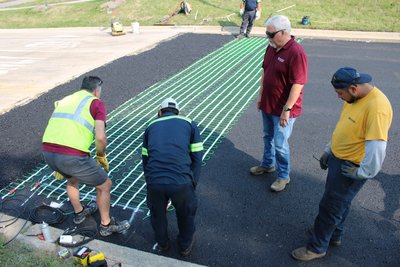
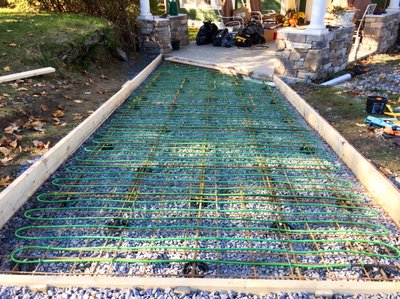
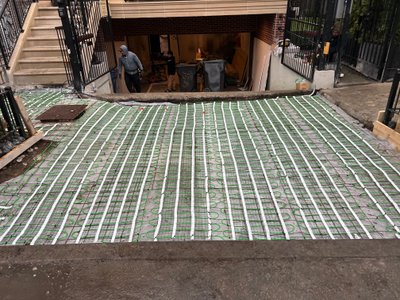
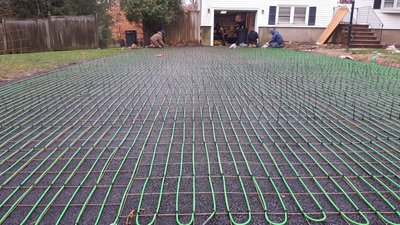
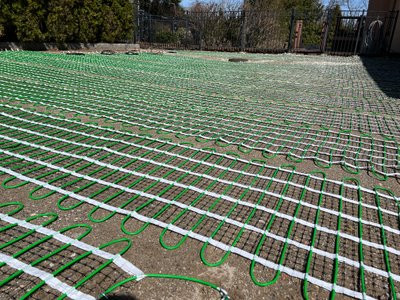
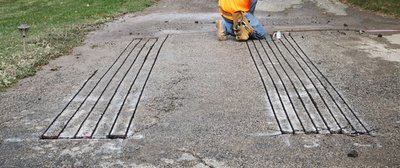
WarmlyYours snow melting cable gives you complete control over your layout. Space the cable wider or tighter to dial in heat output, and route it around curves, borders, drains, and any obstacle for full coverage on irregular surfaces. At 12 watts per linear foot, it embeds in concrete, asphalt, or under pavers—ideal for custom shapes and retrofit projects where pre-spaced mats won't fit.
When your project has tight curves, borders, or an irregular shape, loose cable delivers full coverage that pre-spaced mats can't.
We take pride in providing both exceptional service and great products. But don't just take our word for it, check out what some of our customers have had to say or View All Reviews.
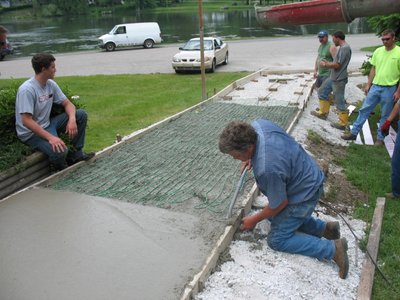
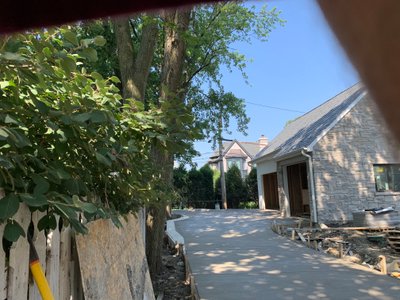
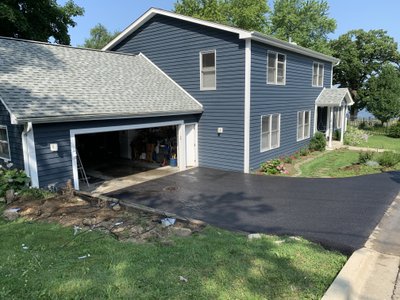
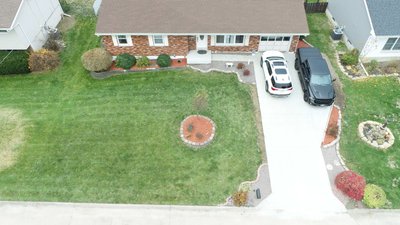
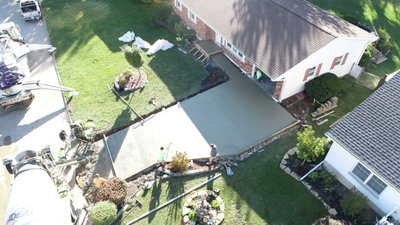
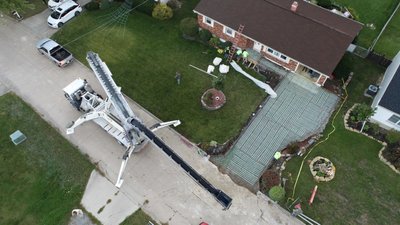
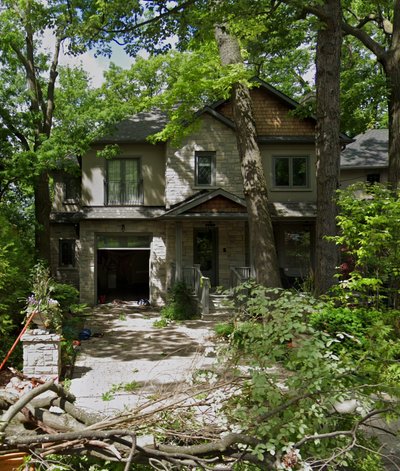
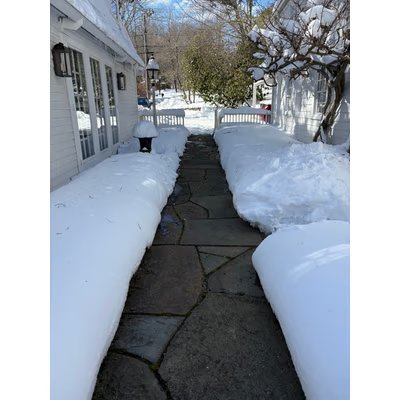
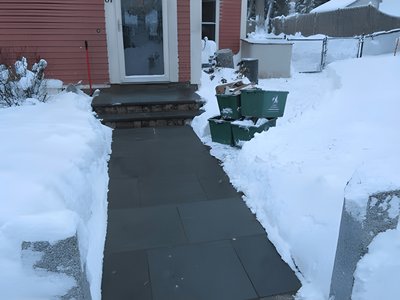
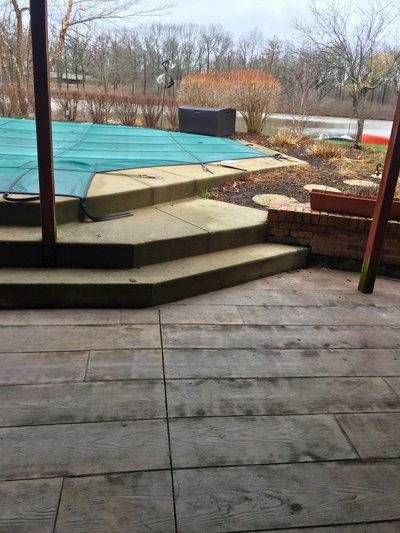
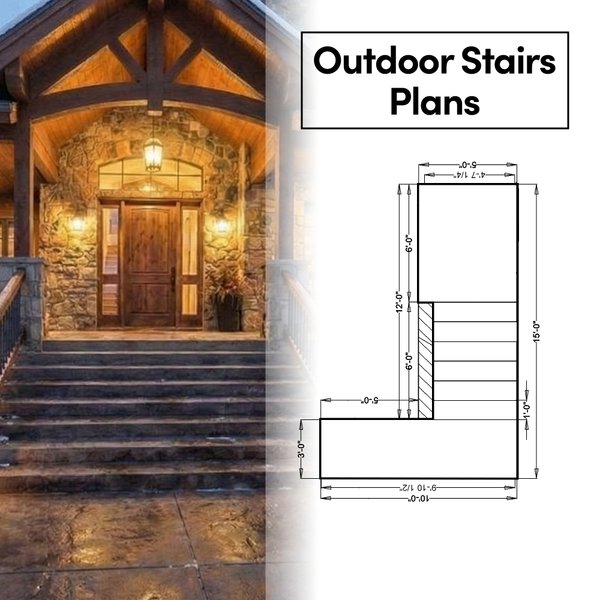
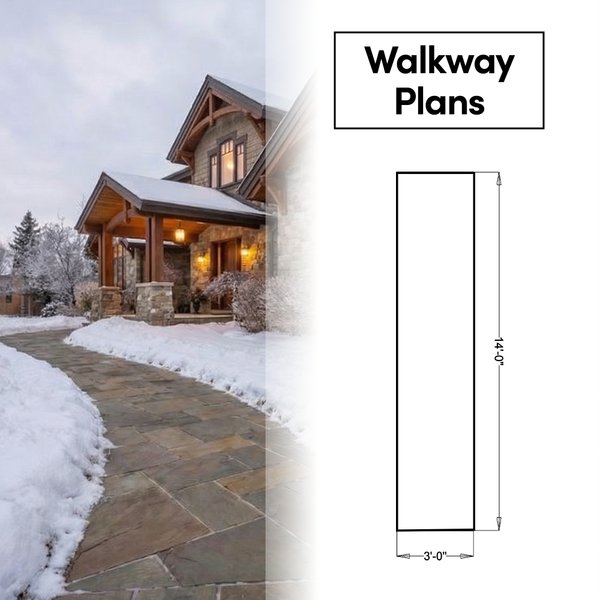
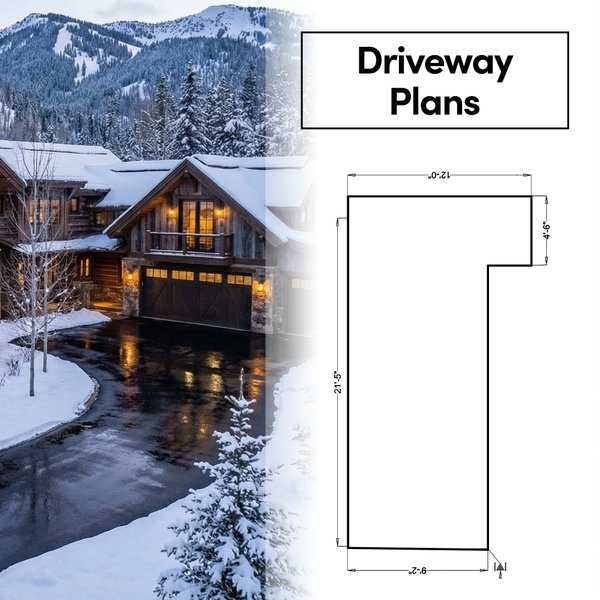
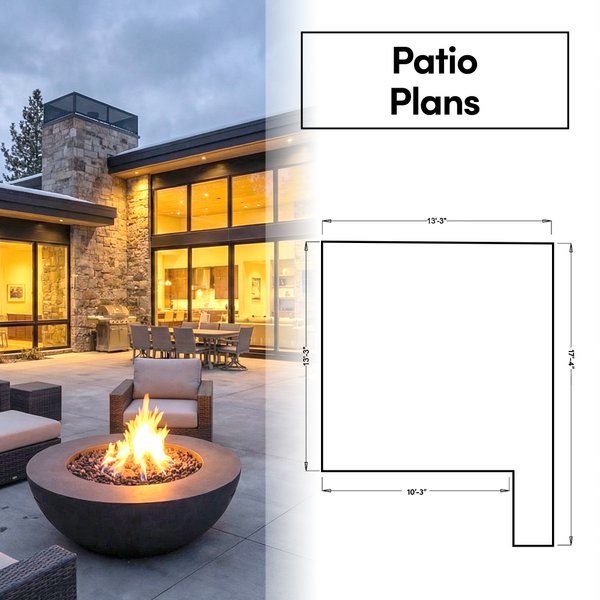
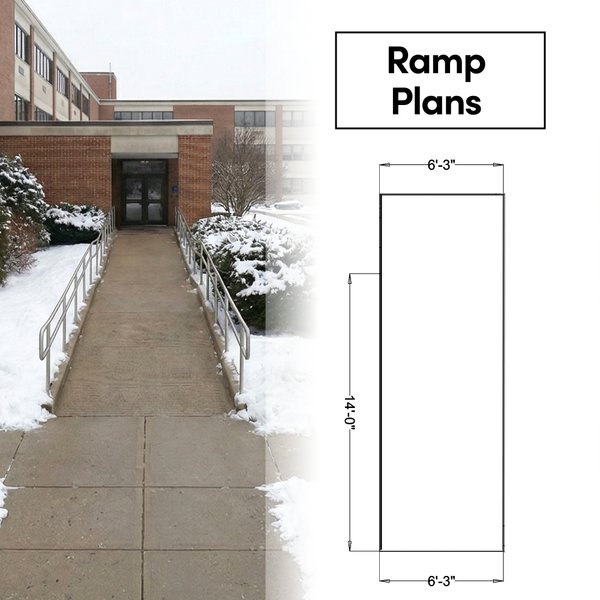
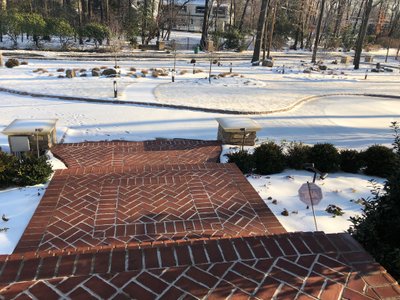
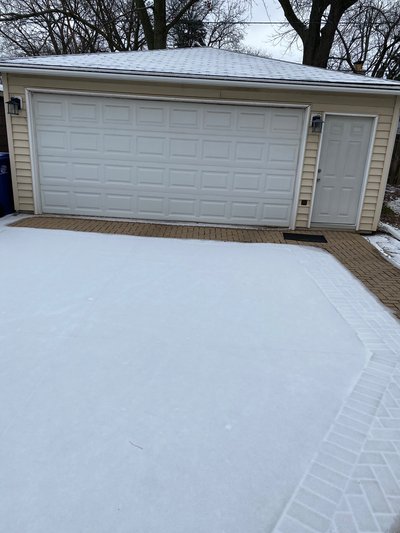
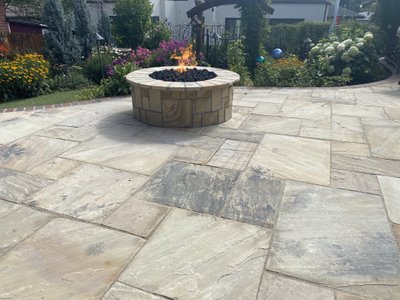
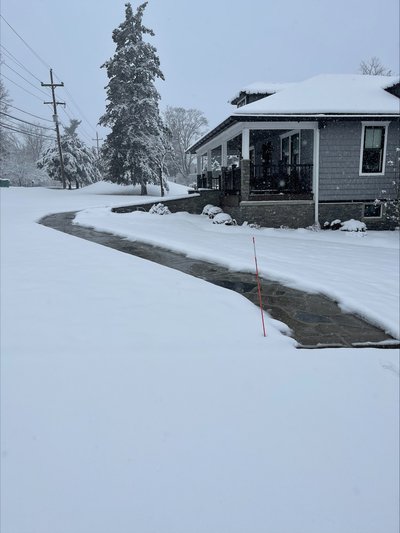
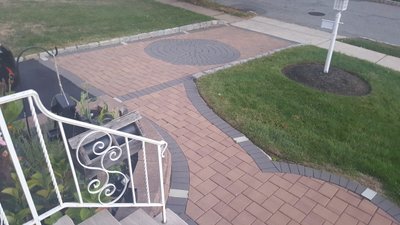
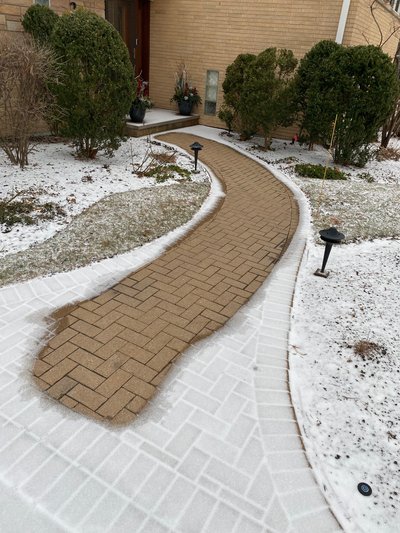
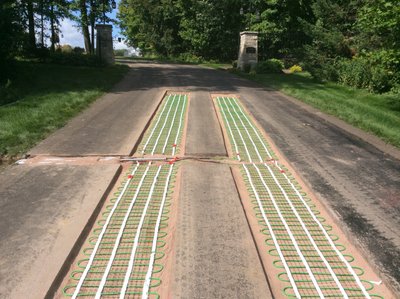
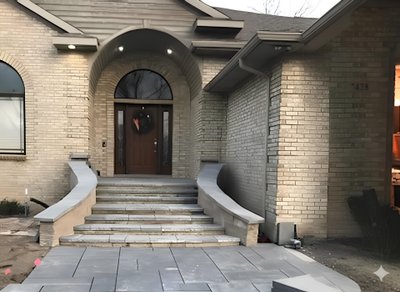
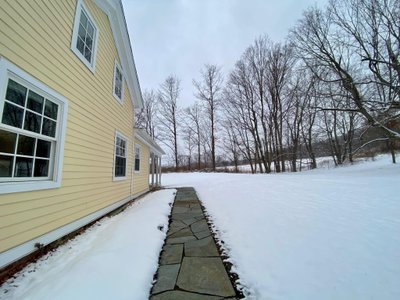
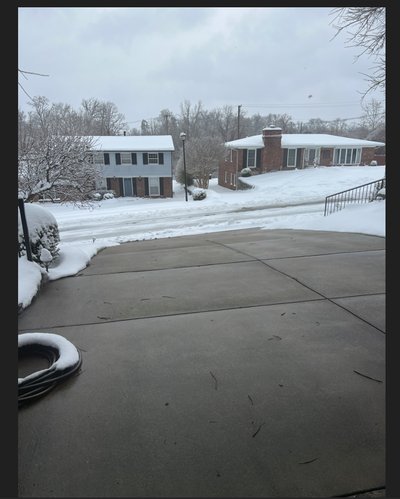
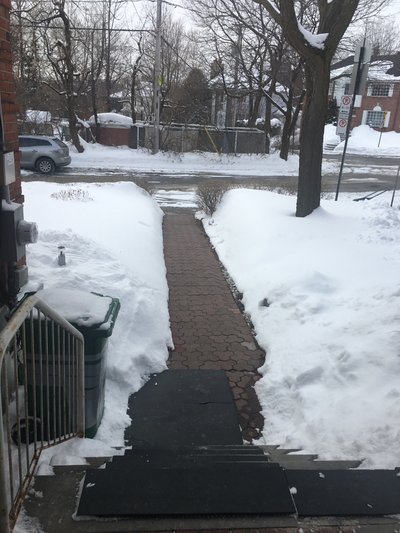
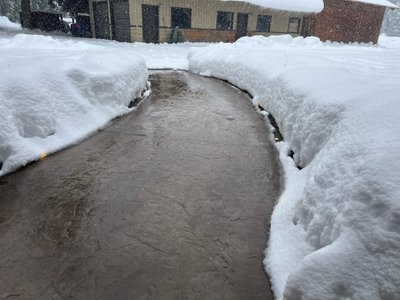
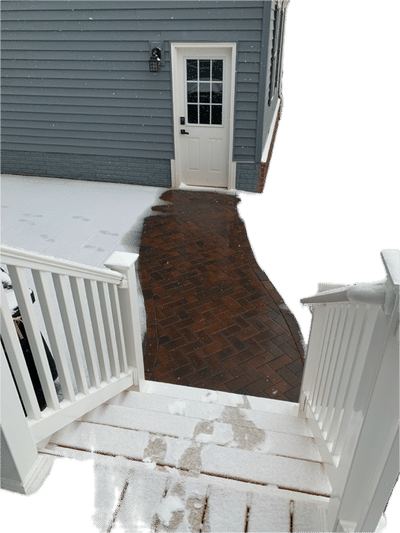
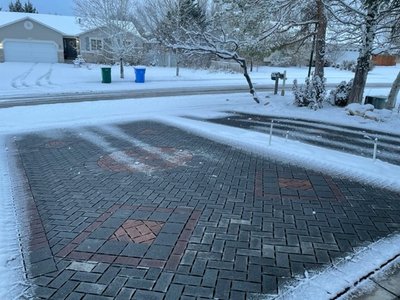
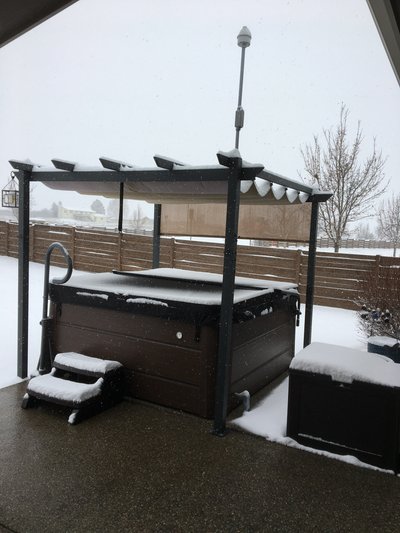
See how homeowners use WarmlyYours snow melting cable to clear custom driveways, walkways, and stairs all winter.
A single flexible heating cable that generates 12 watts per linear foot. Lay it out at the spacing your project needs, embed it in concrete, asphalt, or under pavers, and pair it with the control that fits your installation.
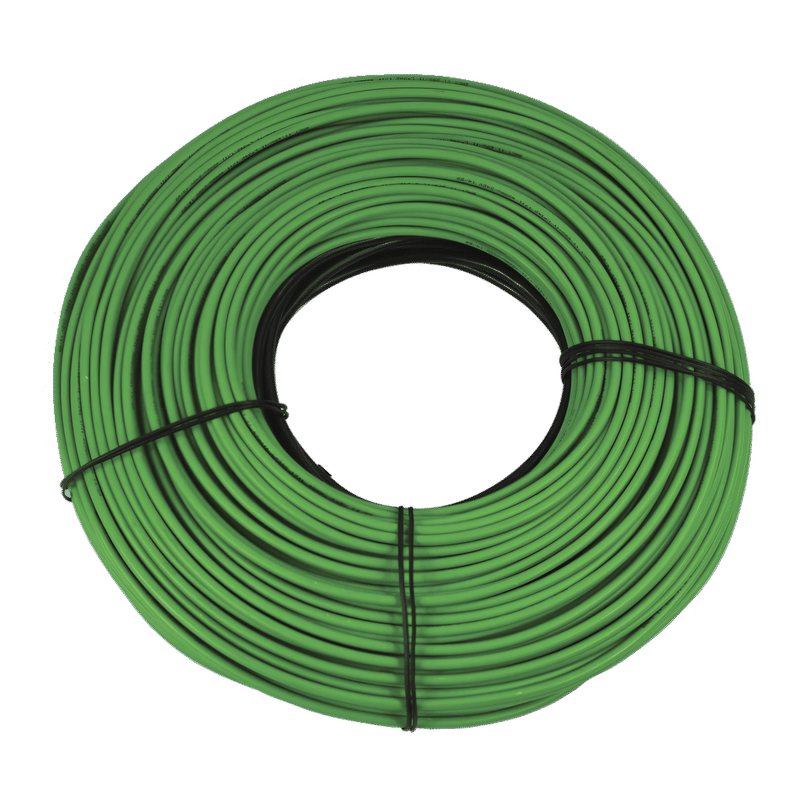
Maximum Flexibility at a Minimal Cost
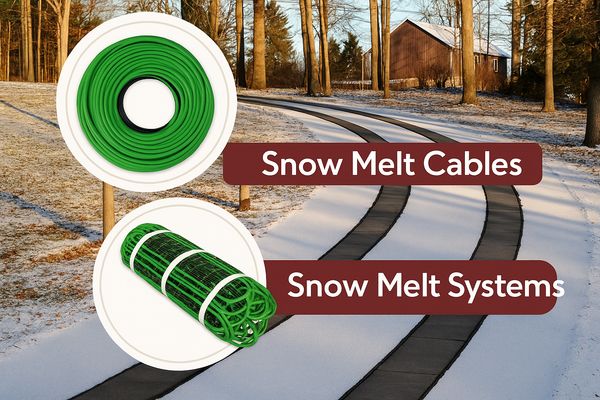
WarmlyYours Snow Melt Cables offer a high heat output solution to keep your driveway, walkway, or patio snow-free. Embeddable in concrete, asphalt, or under pavers, these cables provide a flexible and cost-effective alternative to mats. Choose from a variety of voltages and lengths to suit your outdoor heating needs, ensuring safe, dry surfaces all winter long. Benefit from our 10-year warranty and 24/7 customer support for peace of mind.
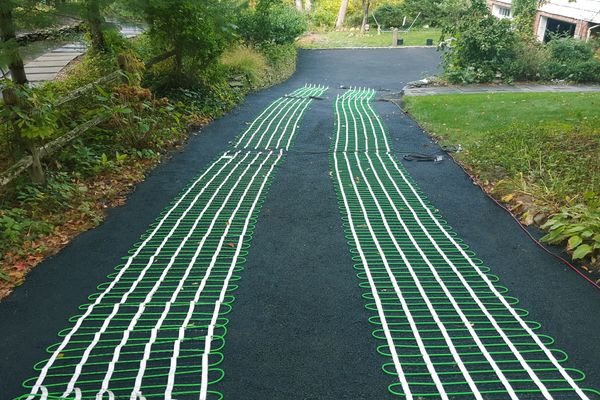
Both clear snow automatically—the choice comes down to the shape of your project. Loose cable gives you complete spacing control to wrap tight curves, borders, and irregular areas. Pre-spaced mats are the fastest path to full, even coverage on regular, open layouts.
This example uses an illustrative electricity rate of $0.20/kWh: 100 sq ft × 50 W/sq ft ÷ 1,000 = 5 kW; 5 kW × $0.20 = $1.00 per energized hour. Six energized hours costs $6.00. This is an example, not a typical bill: use your system’s installed wattage, heated area, local rate, and runtime in the calculator.
Several key factors determine how much your snow melting system will cost to run:
The electricity estimate does not include mats or cable, controls, electrical work, or the driveway surface. Compare those items in our heated driveway installation cost guide. Automatic controls help manage runtime; costs and snow-clearing performance depend on the design and weather.


"A snow melting system is the ultimate set-it-and-forget-it solution. No more shoveling, no more slipping—just safe, clear walkways and driveways whenever you need them!"
— Rae RadiantOnce you've decided what type of heating system, you'll need to choose a control for your snow melting system. WarmlyYours offers a selection of controls, ranging from a basic manual control to our premium option that provides the ultimate in convenience and hands-off operation. We even offer an affordable and user-friendly WiFi control that can be configured so that the heating system can be controlled remotely or can be energized based on real-time weather events.
Shop Controls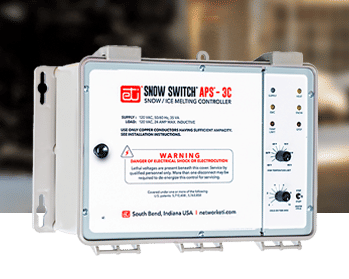
Each plan shows you the total pricing for the installation, the complete product list (heating elements, thermostats, and accessories), projected operating costs, a detailed installation layout, the coverage area, and the compatible surface materials—so you can compare options side by side and pick what fits your project.
We're here to help you every step of the way—and that starts at the beginning with a free, professional installation plan for your electric snow melt system. Simply provide us with a rough sketch of your project area, including dimensions, power source, and any relevant obstacles, and we'll get back to you (usually in as little as one business day) with a no-obligation SmartPlan that includes a detailed installation diagram, an itemized product quote, and an electrical plan.
Learn More About SmartPlans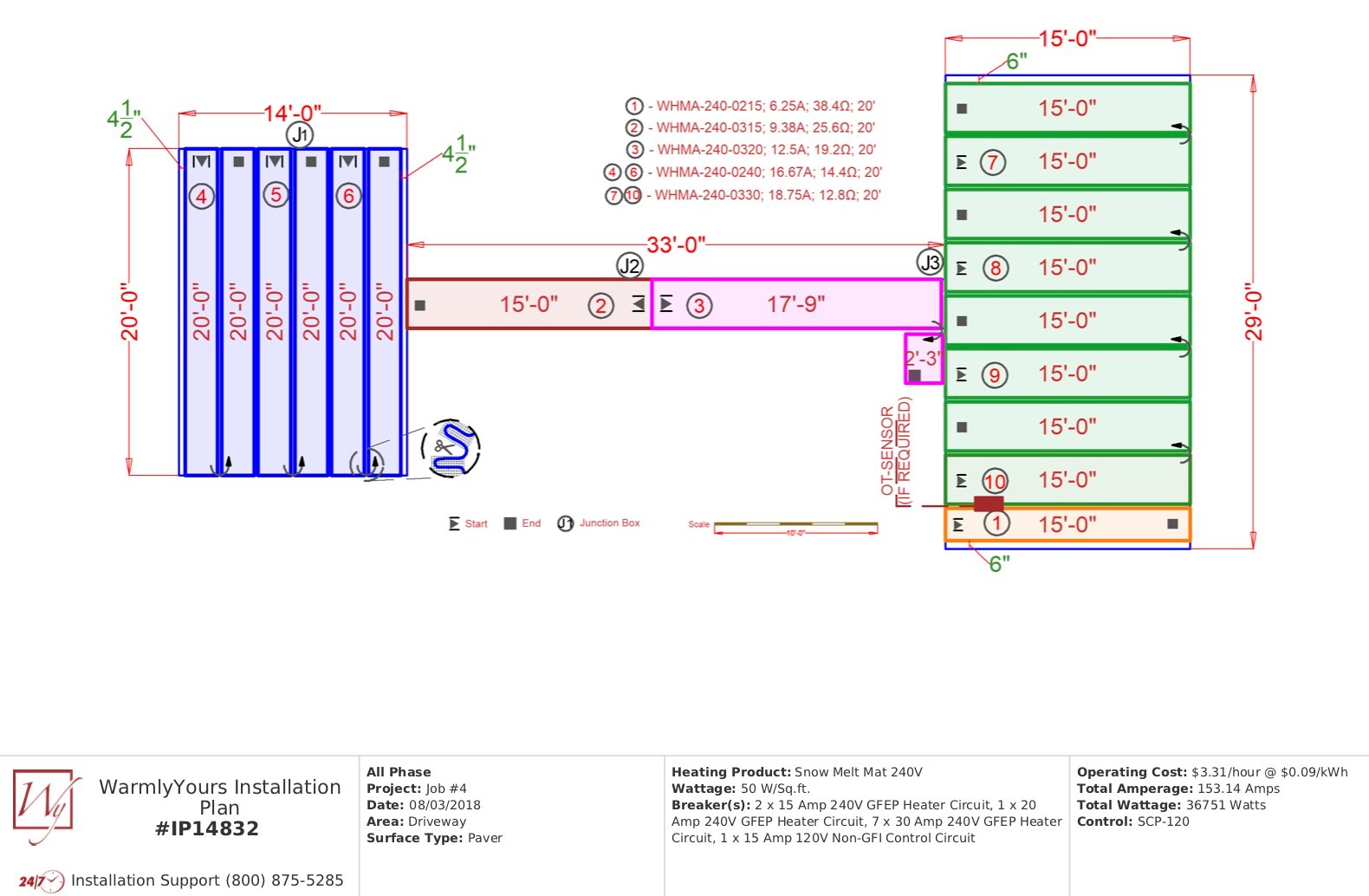
When planning your snow melting project, you'll typically choose between two technologies: electric and hydronic. While both effectively clear snow, electric snow melt systems are the gold standard for residential applications due to their efficiency and ease of use.
For a detailed head-to-head comparison of installation, performance, and long-term costs, read our full guide: Electric vs. Hydronic Snow Melting: Which System is Right for Your Home?


Do you need to discuss your snow melting project with our experts? We will respond within 1 business day.
Typically respond within 1 business day
Showing all 2 questions
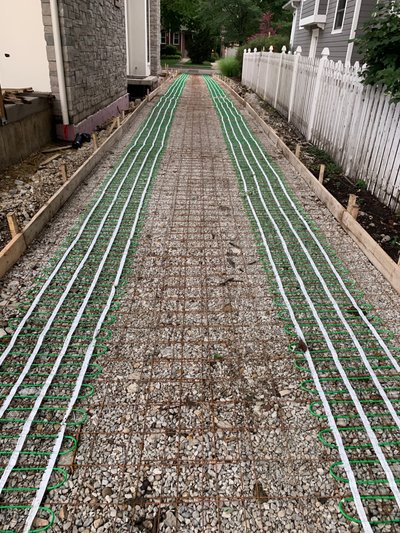
When installing outdoor WarmlyYours snow melting cables for your driveway, patio, walkway, terrace, stairs, ramp, etc. - NEVER cross, overlap, or allow the heating cables to touch each other. Doing so will quickly cause a circuit failure due to excessive heat build up. Always follow the installation instructions and/or design layout plan to ensure the cable is installed with the correct spacing required for proper operation.
Both systems effectively melt snow and ice, but they're designed for different installation scenarios:
Your SmartPlan™ will recommend the best option based on your project's layout, budget, and installation timeline. Many projects use a combination of both for optimal efficiency.
Chat with us
We'll reply by email
Your recent conversations
Email you this conversation?
We couldn't confirm your browser, so the message wasn't sent — an ad blocker or privacy extension is the usual cause. Please try again, or call us on the number at the top of the page.