
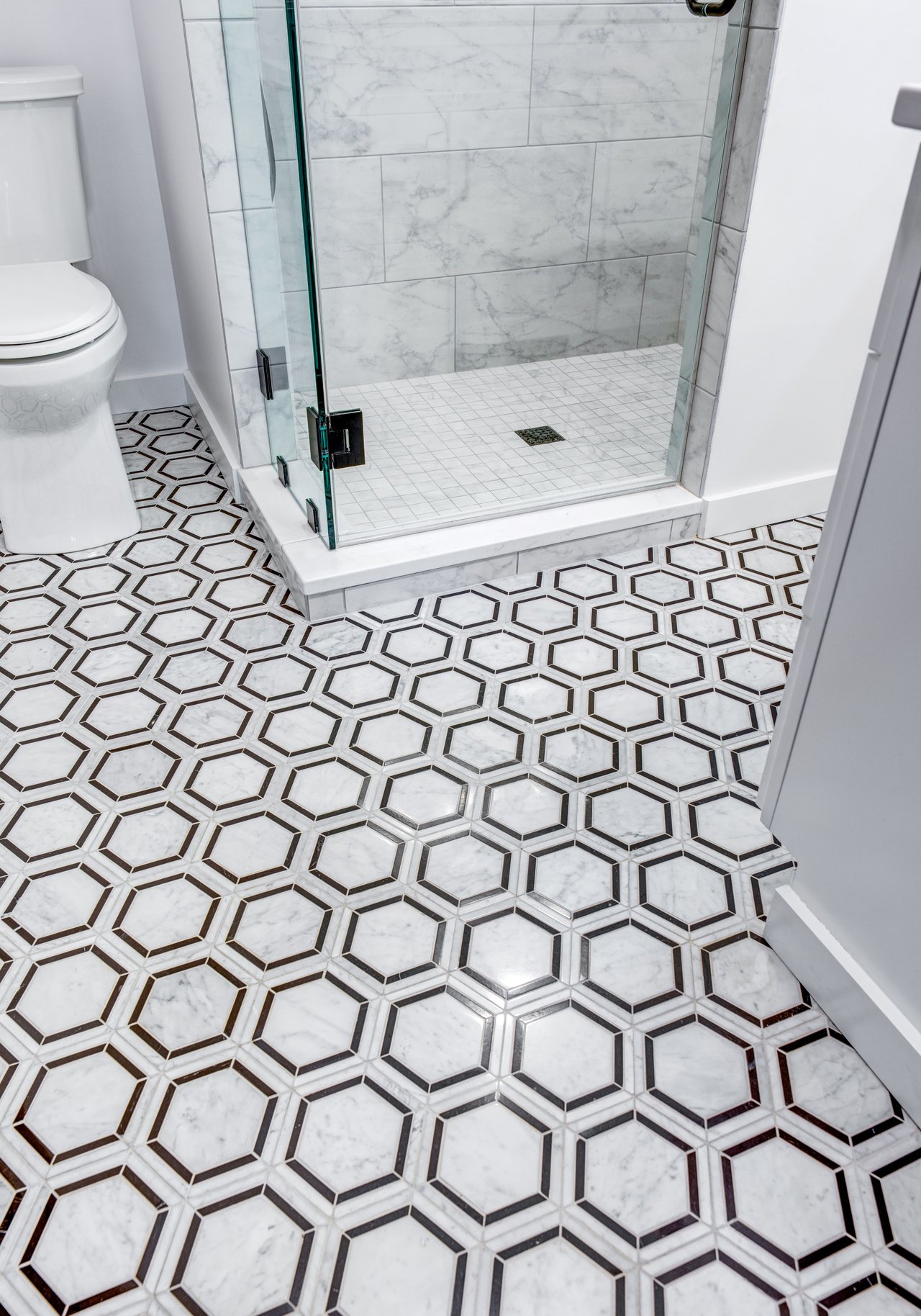
The End of the "Cold Floor Compromise"
For owners of historic homes, "character" often comes at the cost of comfort. In this 1800’s farmhouse renovation, the homeowner faced a classic dilemma: how to install beautiful, period-appropriate tile without inheriting a floor that feels like an ice block for six months of the year.
Most people accept biting-cold bathroom floors as an unavoidable reality of older homes. By integrating radiant floor heating, this project transformed a functional necessity into an inviting retreat, proving that you don’t have to sacrifice modern wellness to preserve historical integrity.
Project Details
| Location | York, PA |
| Heated Space Type | Bathroom |
| Flooring / Surface Type | Tile, Marble, or Stone |
| Sub-Floor Type | Wood |
| Total Heated Square Footage | 27 sq. ft. |
| System Type | TempZone™ Flex Roll (Electric Floor Heating) |
| Voltage | 120V |
| Wattage | 405 W |
| Amps | 3.4 A |
| Operating Cost | |
| Per Hour | ~$0.07 (Based on average PA rates) |
| Per Day | ~$0.28 (Assuming 4 hours of active heating) |
| Per Month | ~$8.40 (Seasonal usage) |
| Professional Installer | Lora Deller | Red Oak Remodeling |
Modern Comfort in a Historic Shell
When Red Oak Remodeling took on this 1800’s farmhouse renovation, they knew the challenge wasn't just aesthetics—it was thermal comfort. Historic farmhouses are notorious for drafty floors and poor insulation. Laying high-end tile directly over a wooden subfloor in York’s climate typically results in a surface that leaches body heat, making every morning routine a startlingly cold ordeal.
The solution was the TempZone™ Flex Roll. Because it is cut-and-turn capable, it allowed the installers to navigate the unique footprint of an older bathroom with ease. By embedding the heating element directly beneath the tile, the system creates an even, gentle heat that rises from the ground up, warming not just the floor, but the objects and people in the room.
The result is a bathroom that maintains its 19th-century soul while offering sophisticated convenience. With the addition of the nJoy WiFi Thermostat, the homeowner can ensure the floor is perfectly tempered before their feet even hit the ground in the morning—all controlled from a smartphone.
Featured Products
- TempZone™ Flex Roll: A low-profile heating cable attached to a mesh carrier. It provides 15 watts per square foot, ensuring fast heat-up times for dense surfaces like marble and stone.
- nJoy WiFi Thermostat: This isn't just a switch; it's an energy-saver. It allows for precise scheduling and remote access, ensuring the system only uses electricity when you actually need it.
- Circuit Check: A specialized tool used during installation to ensure the heating element remains perfectly intact while the tile is being laid—providing peace of mind for the installer and homeowner alike.


