Resistor, 470 kOhm, .5W, 2% tolerance, for SCP-120
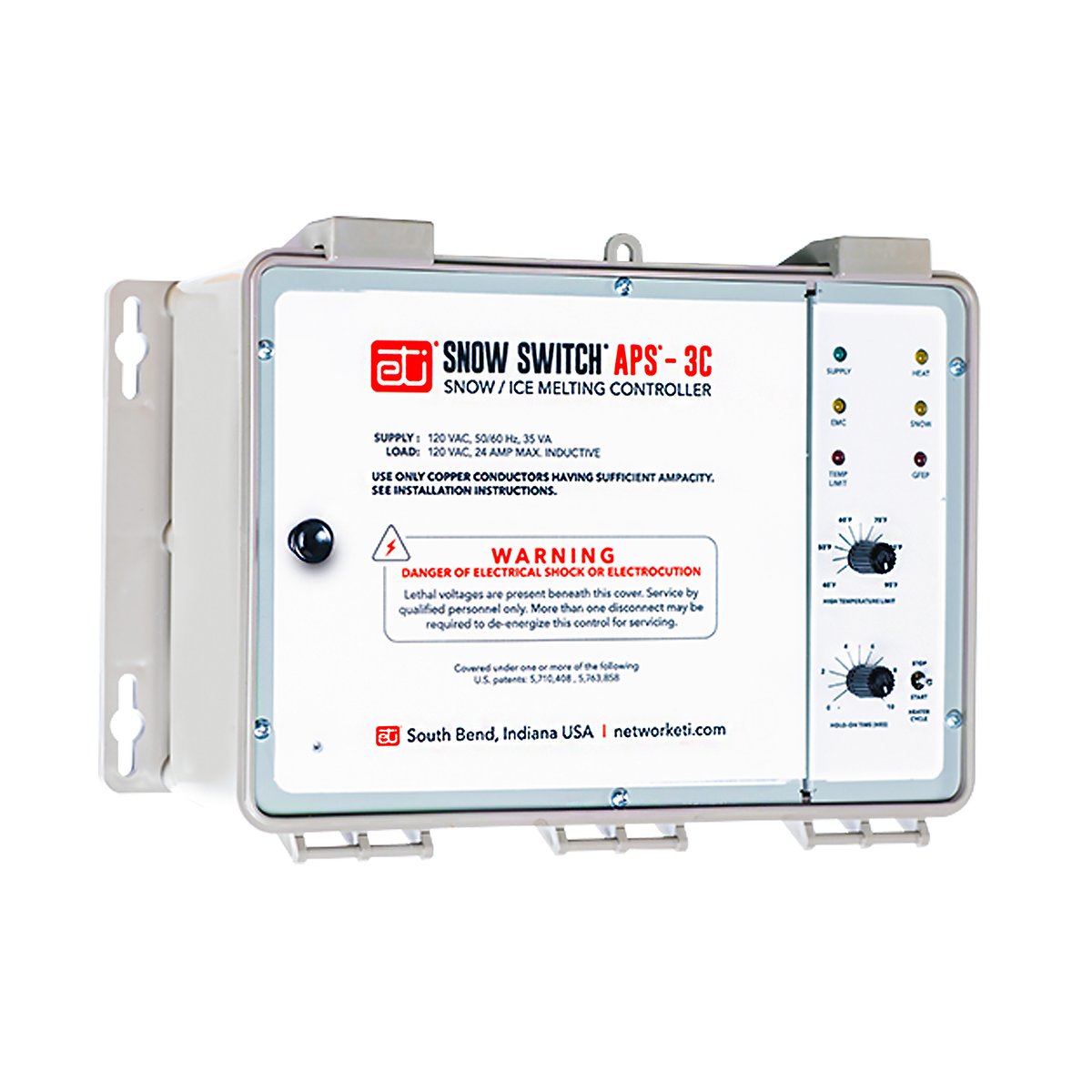
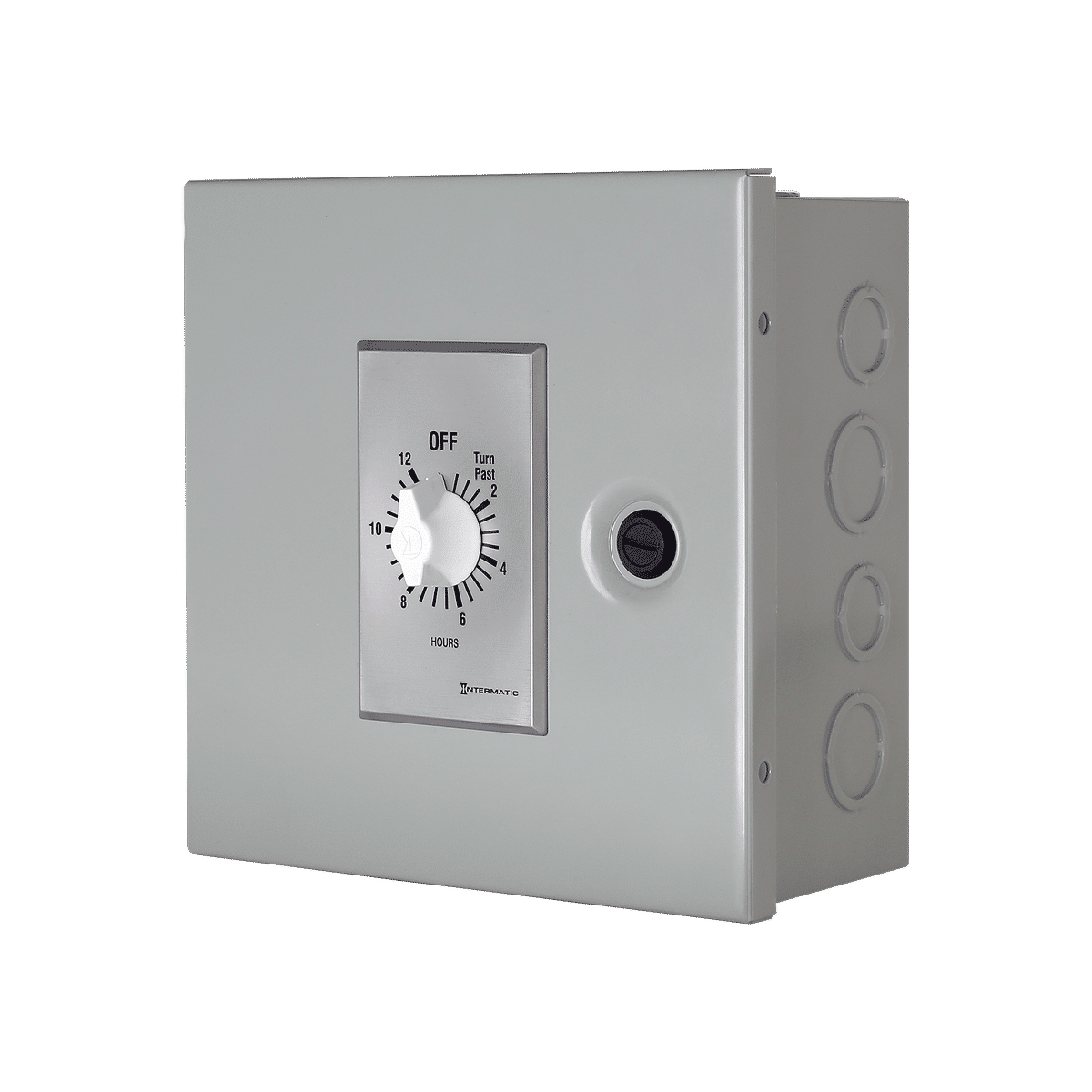
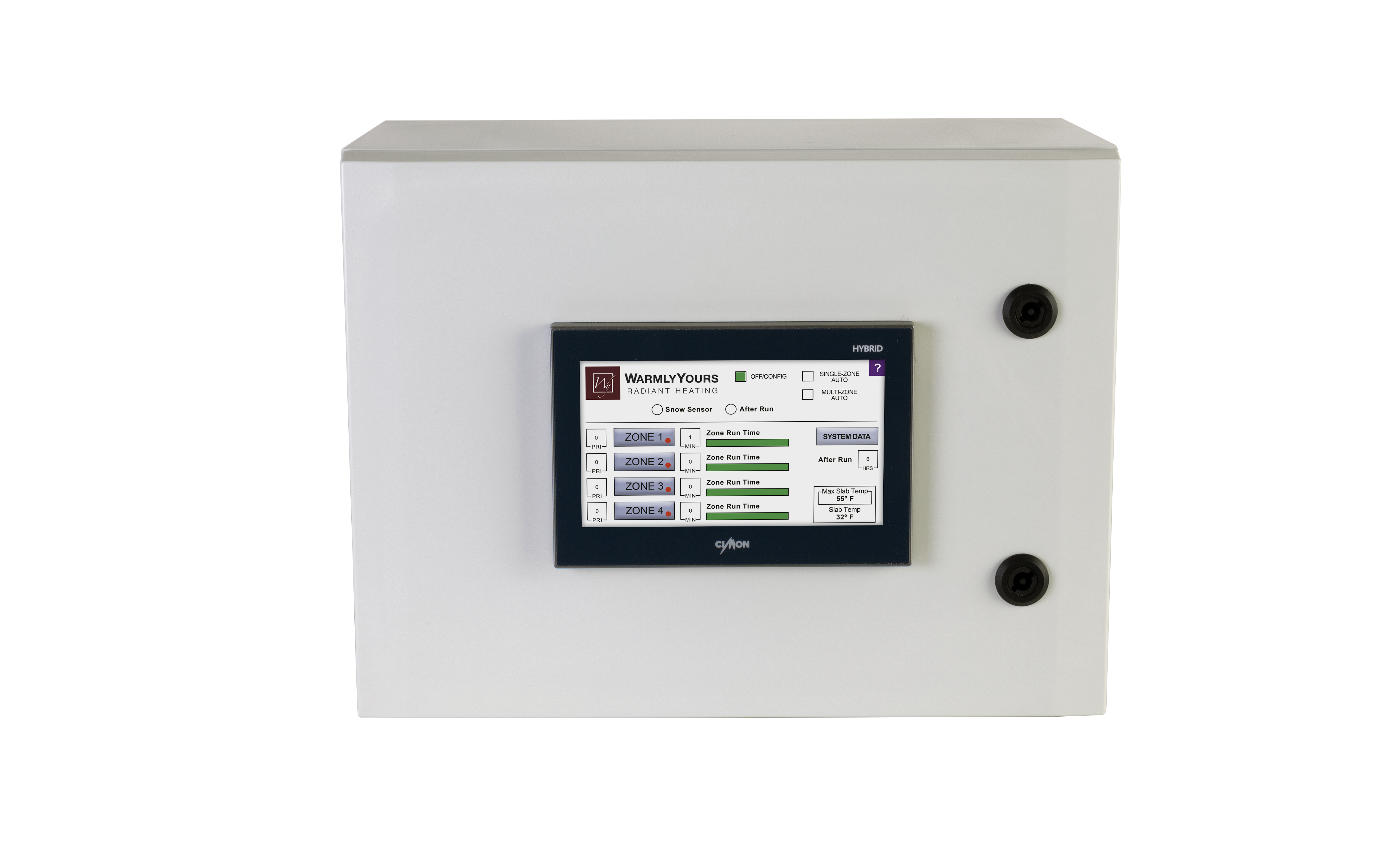
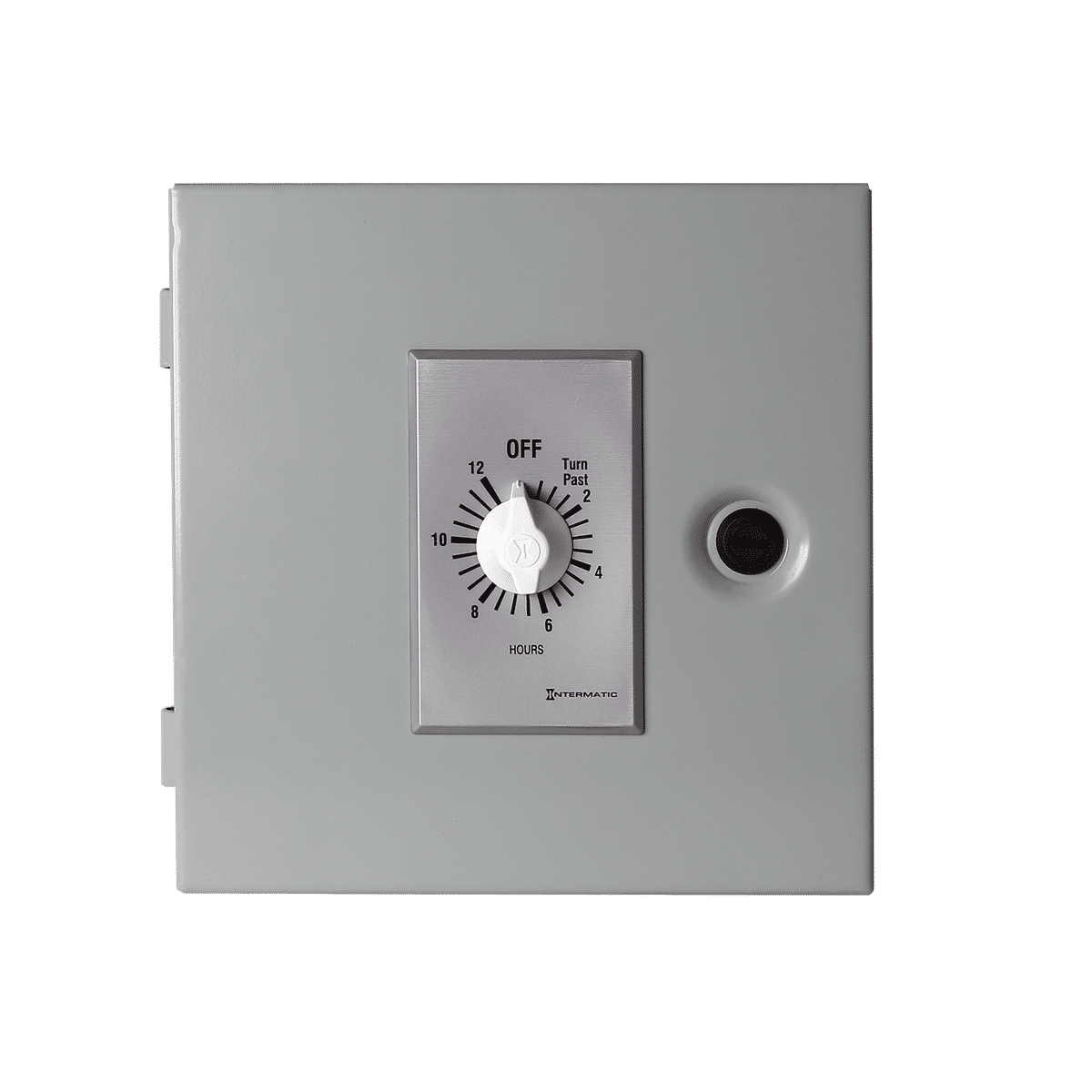
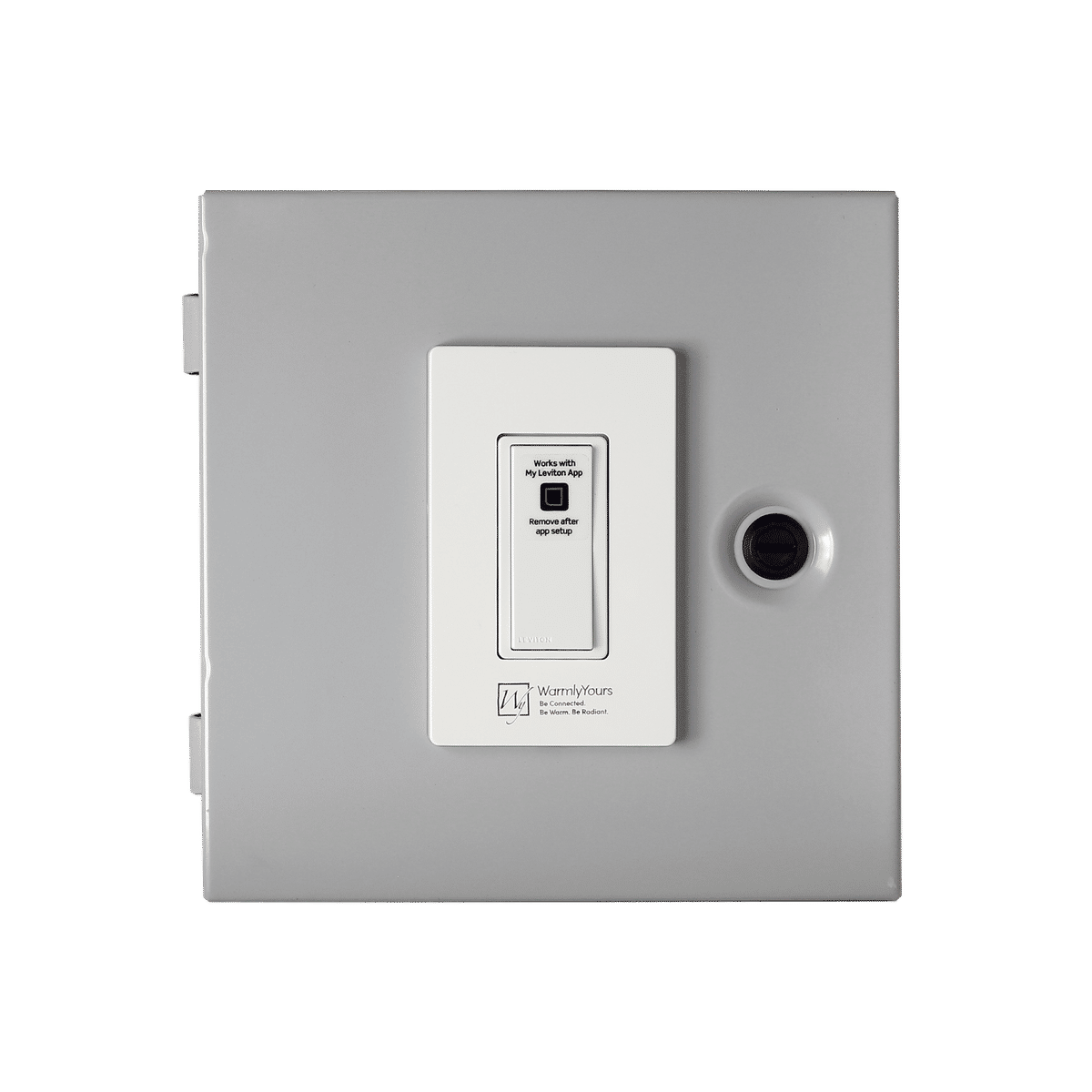
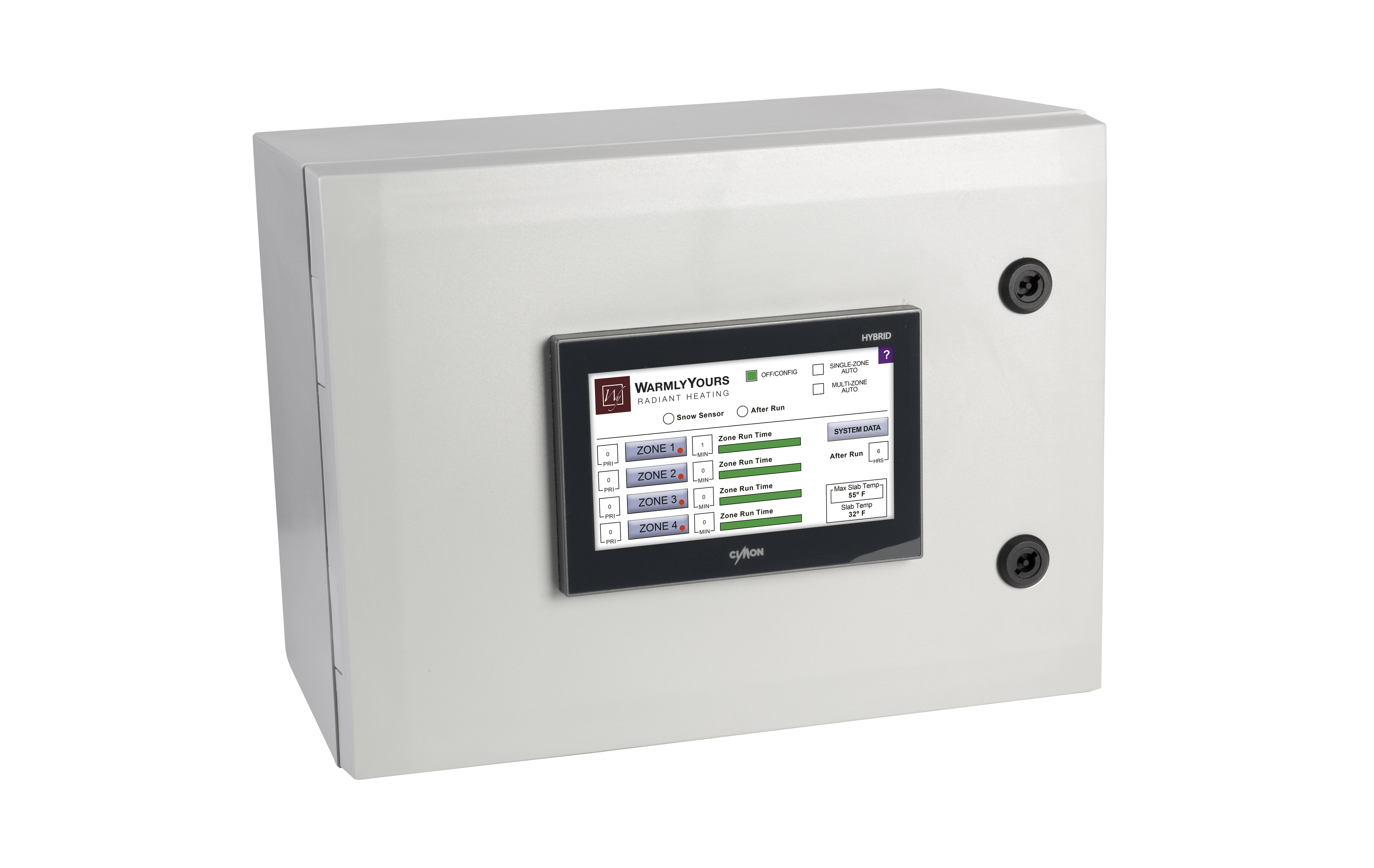
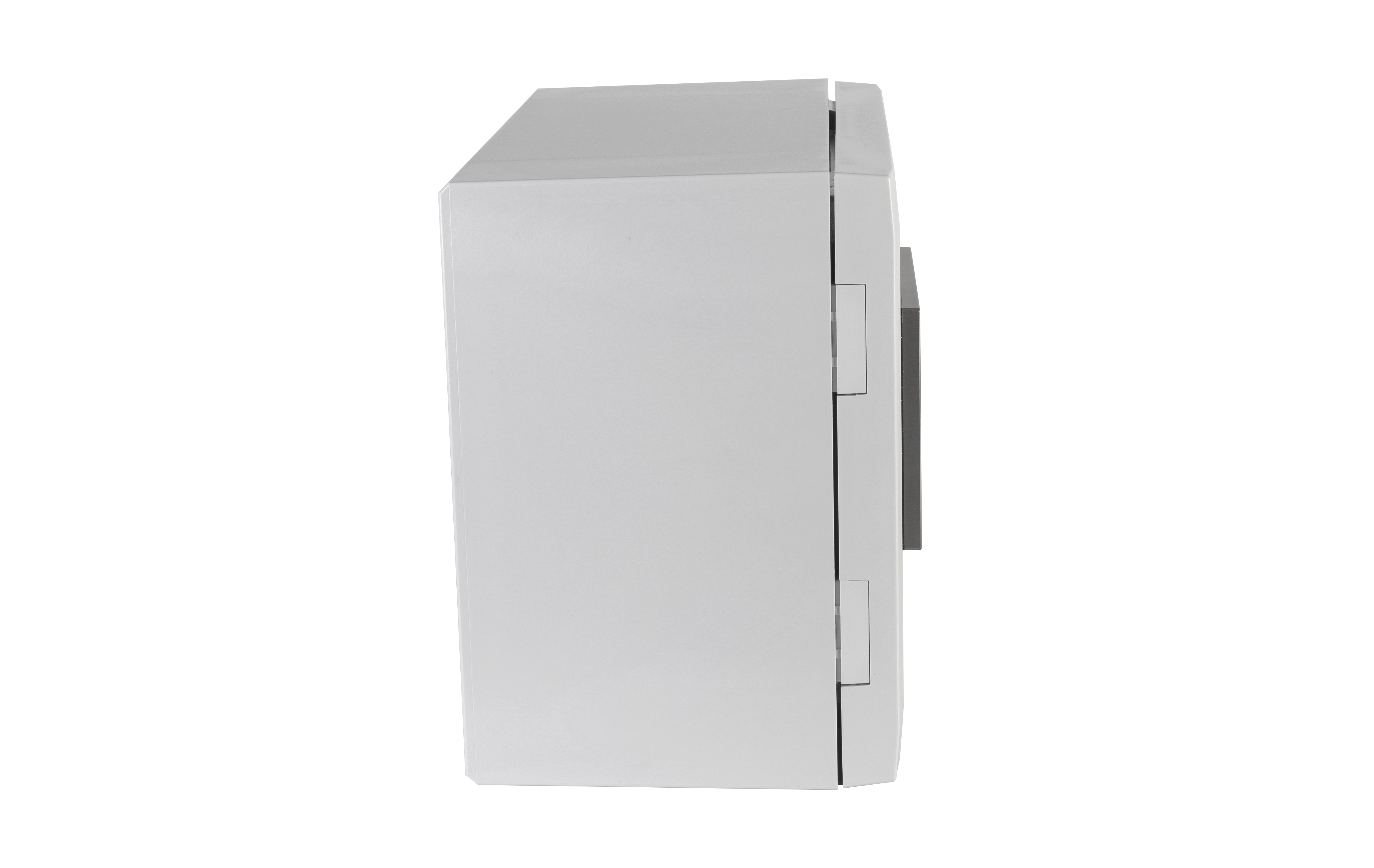
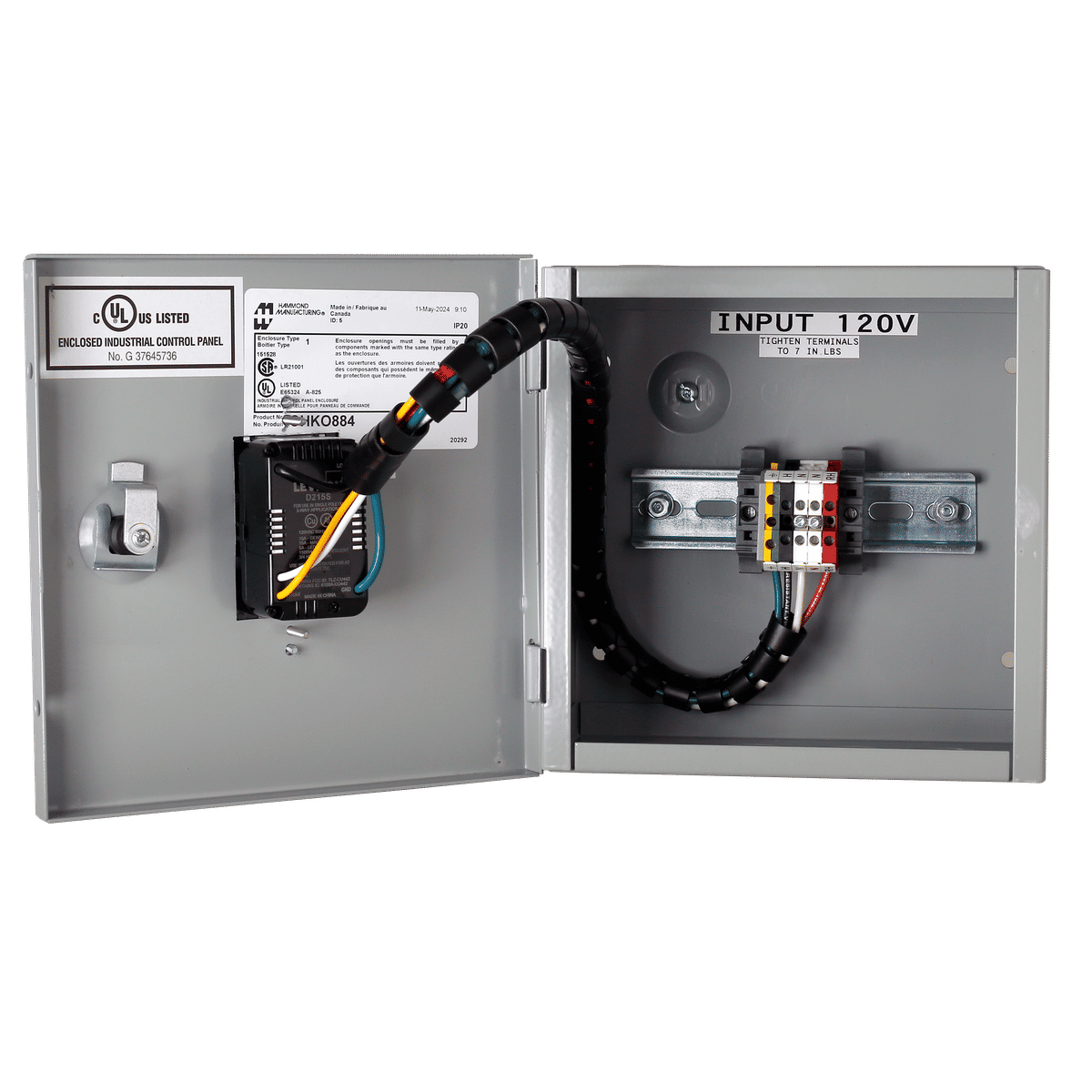
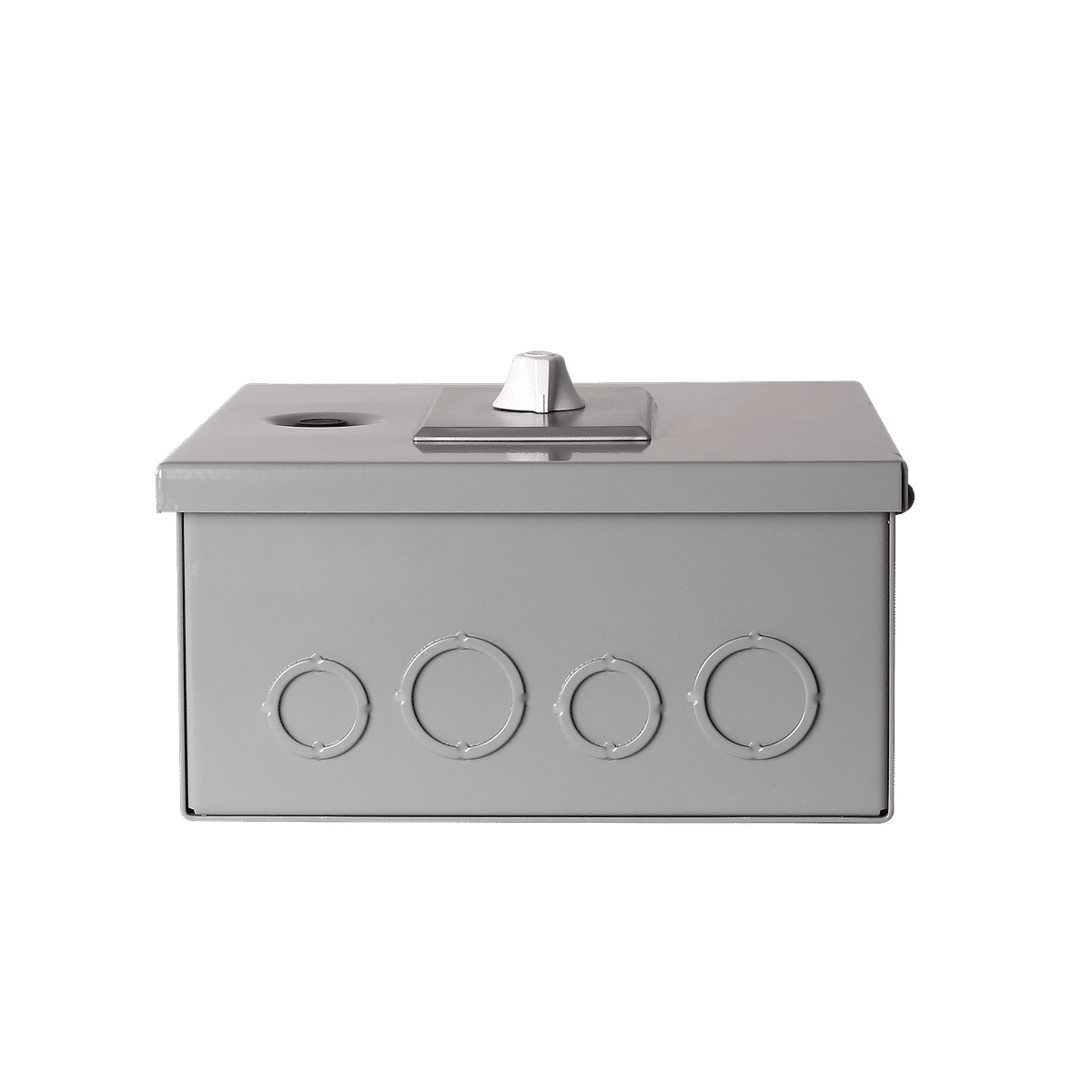
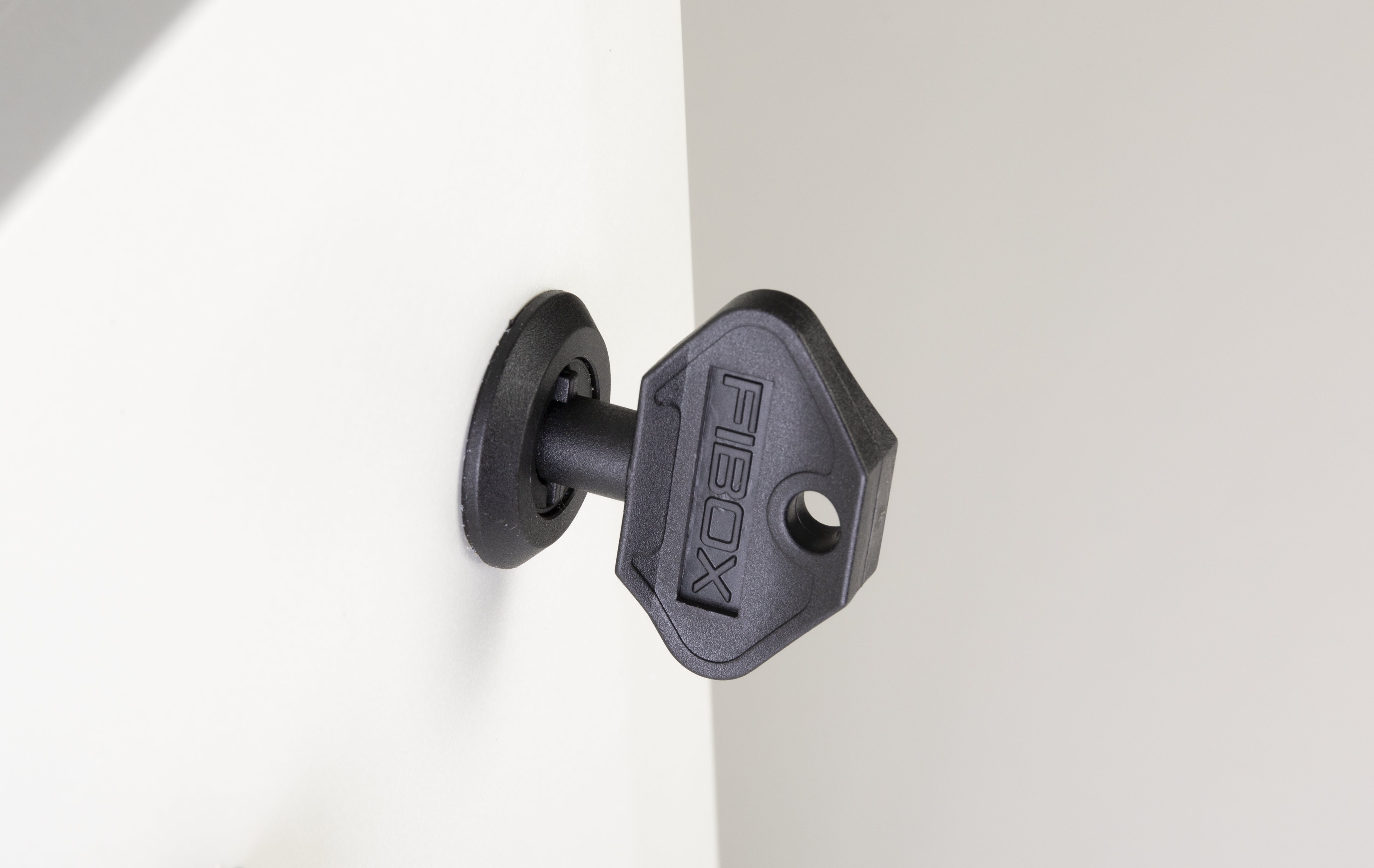
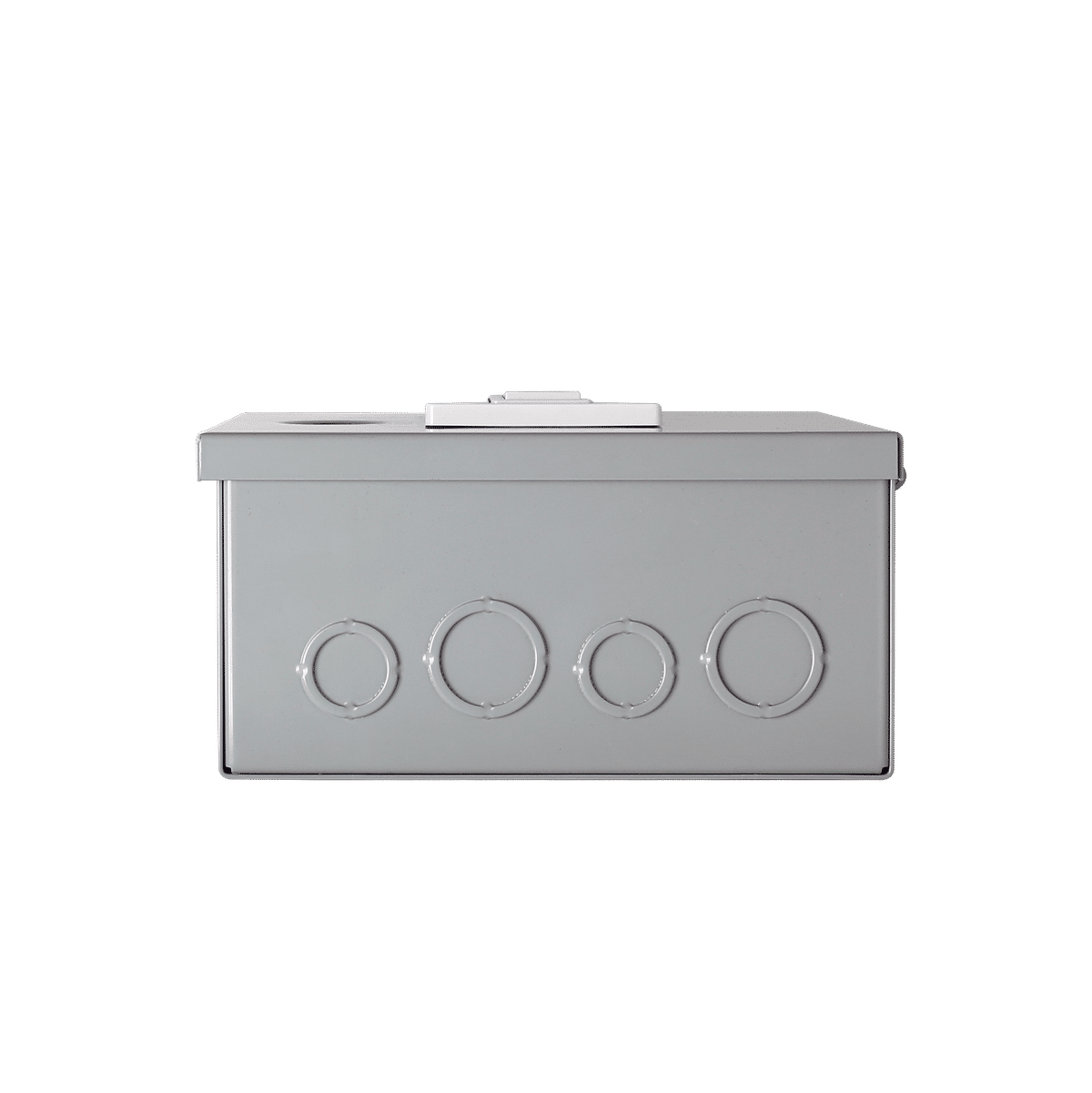
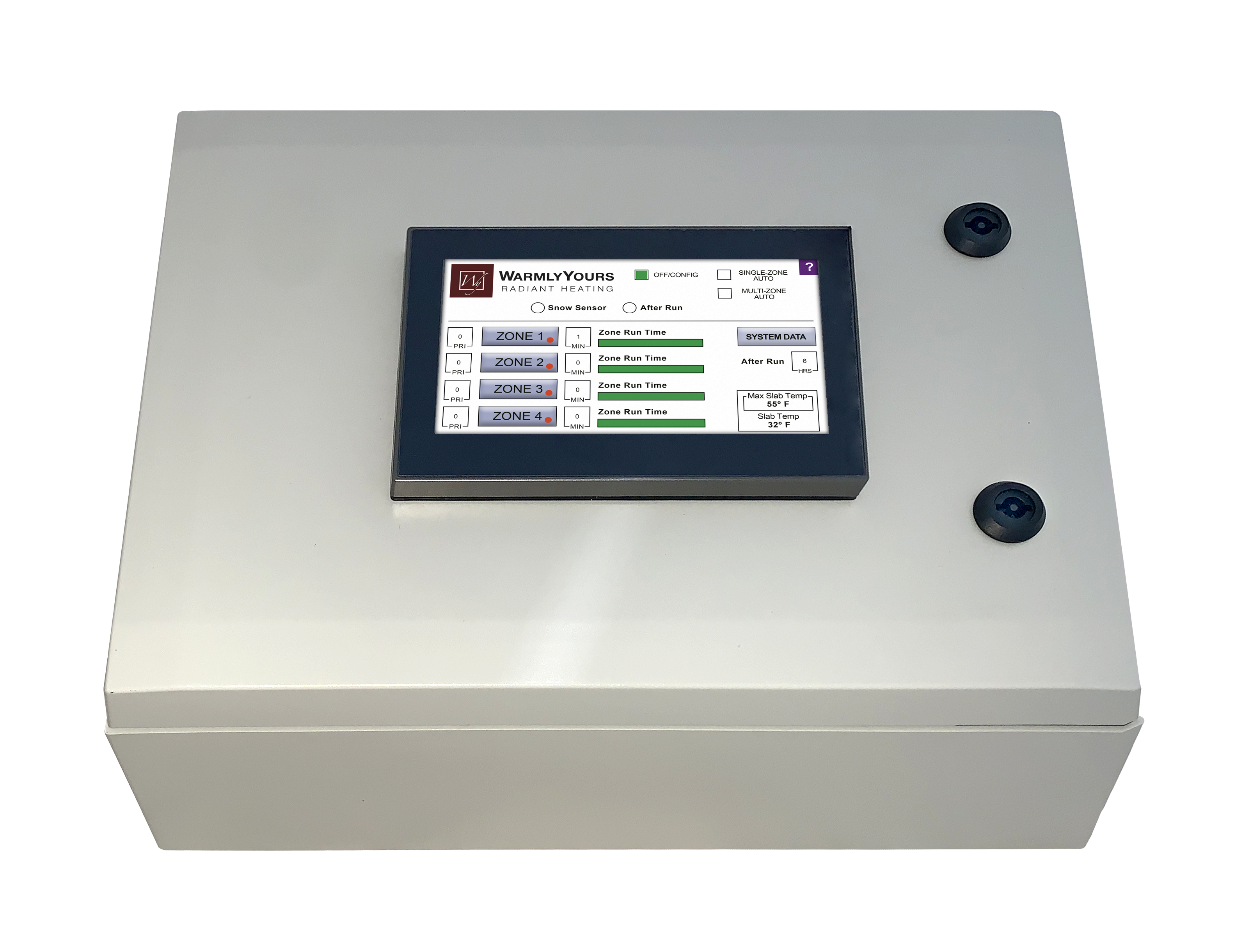
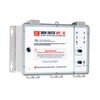
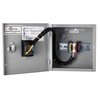
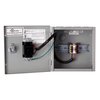
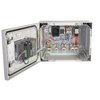
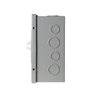
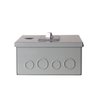
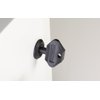
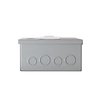


Features
-
Voltage: 120/240 VAC; 50/60 hz, 24A
-
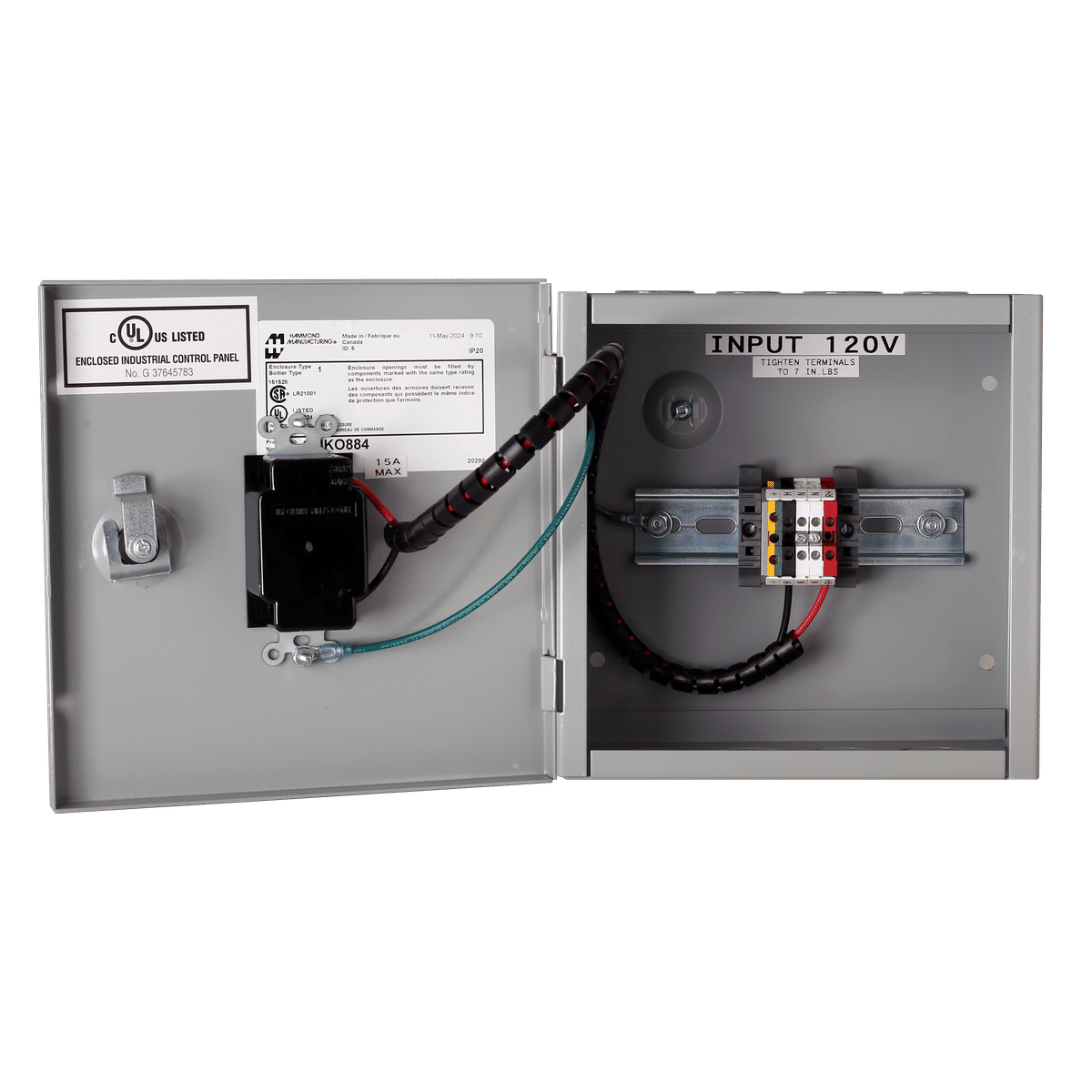
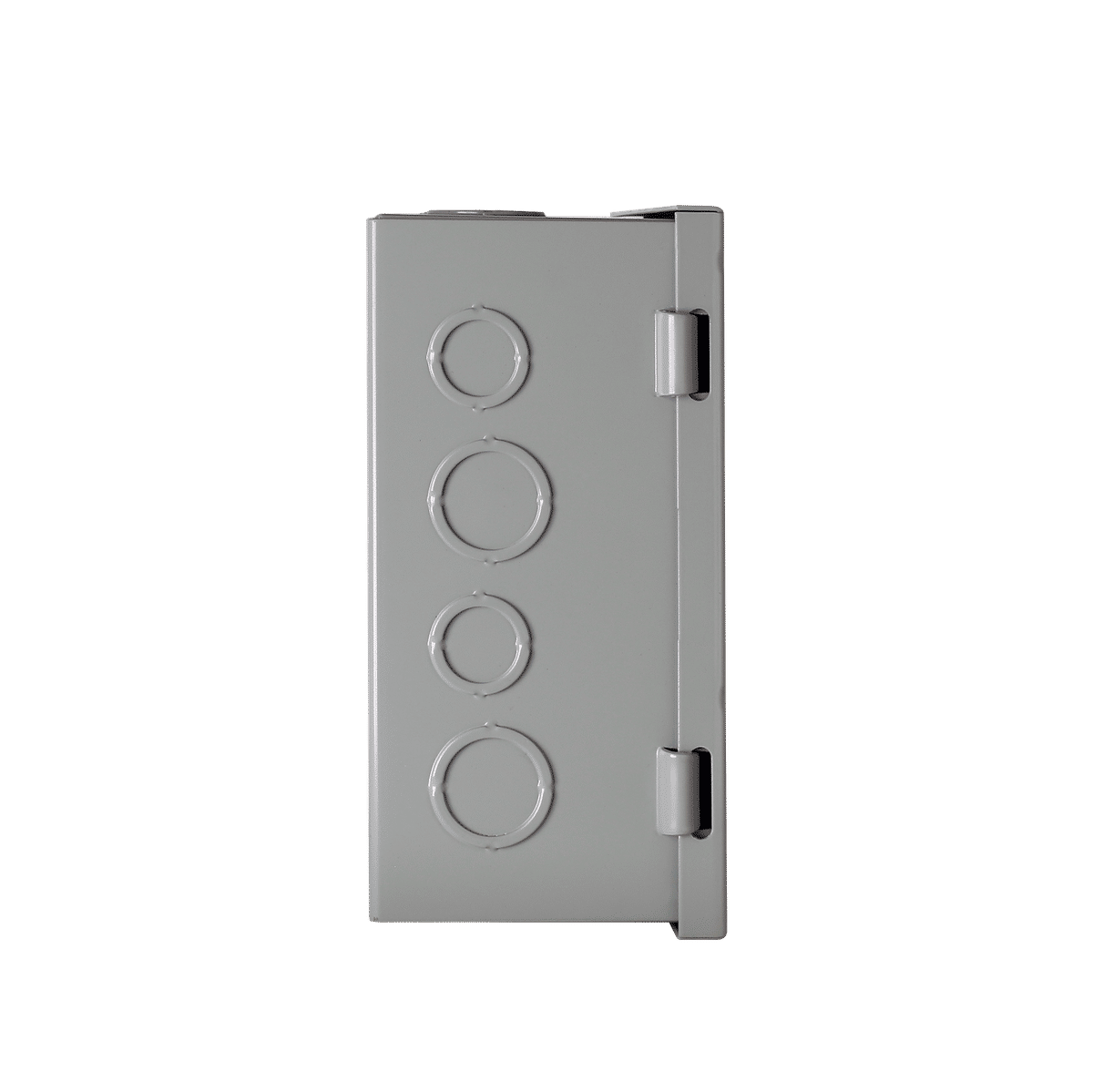
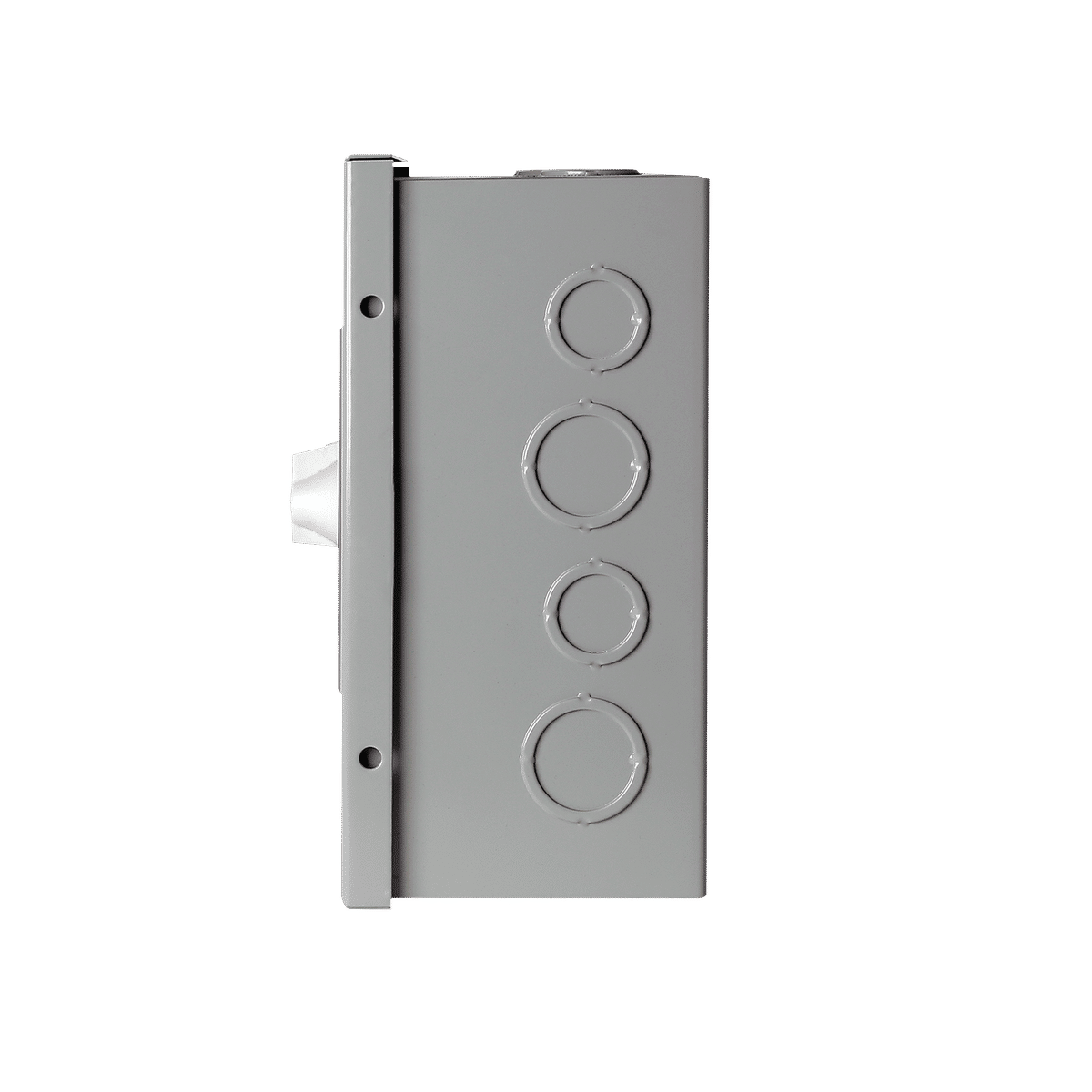
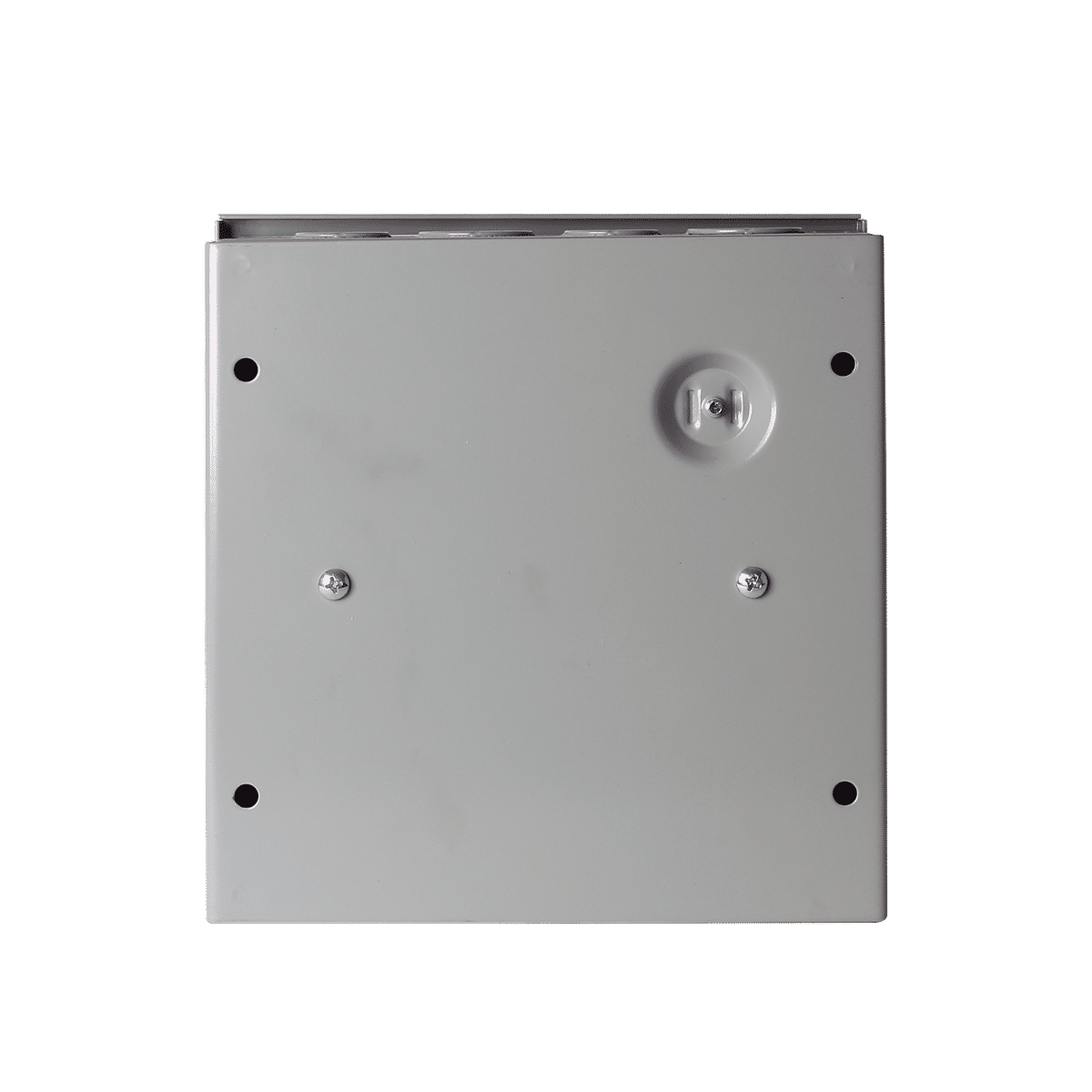
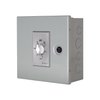
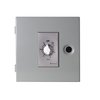
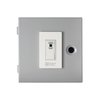
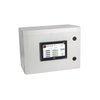
Features NEMA 3R enclosure
-
Supports up to 6 sensors (aerial, gutter, or pavement)
-
Automatic and manual override operator controls
-
2-year warranty
Premium Snow & Ice Melt Control Description
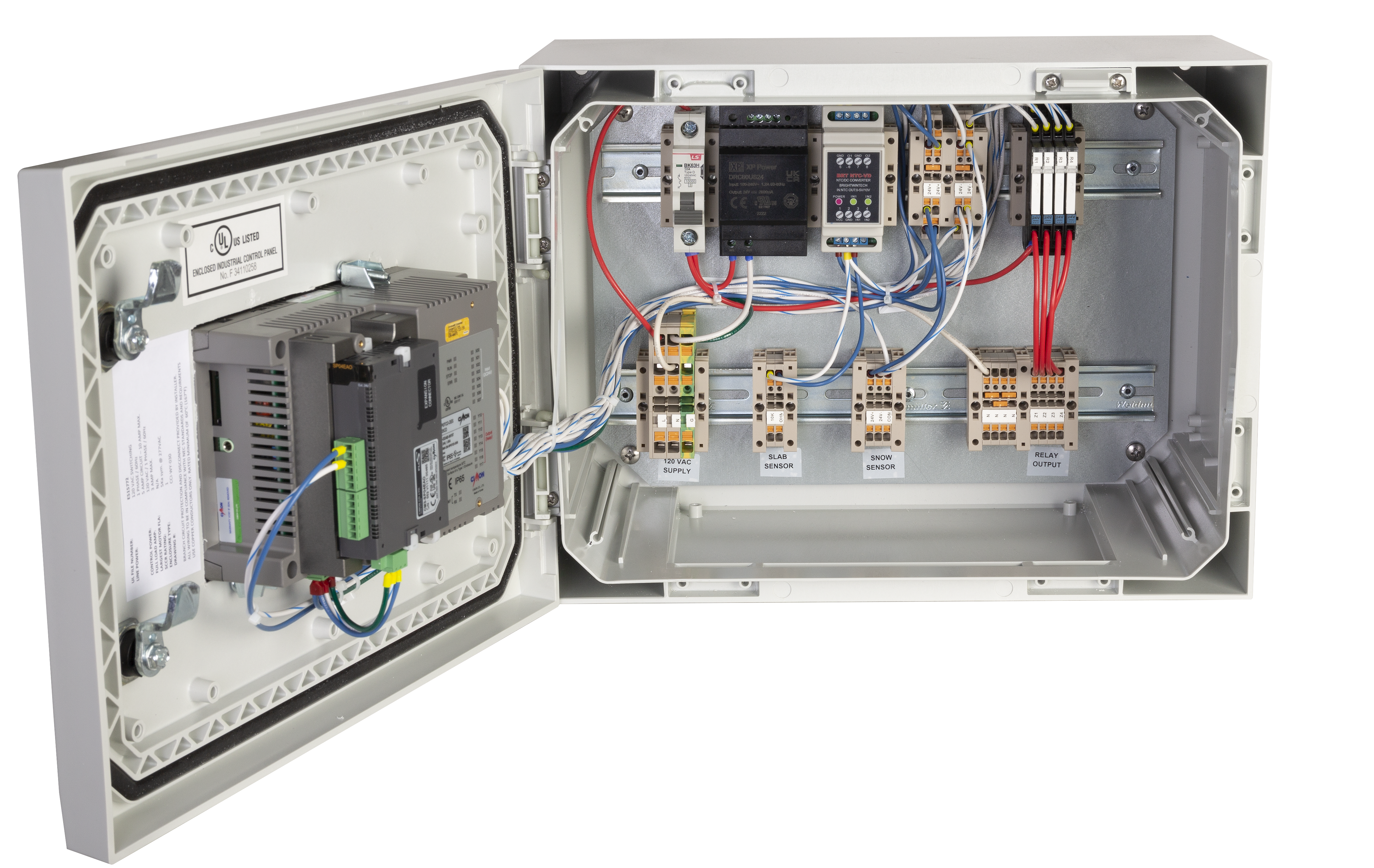
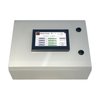
TheSCP-120 premium, automatic snow/ice melting control provides for easyinstallation and operation to minimize energy use. For use with WarmlyYourssnow melting or roof and gutter deicing systems,it operateselectrically- and mechanically-held contactors for pilot duty applications.
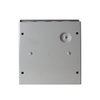
TheSCP-120 Premium Snow Melt Control includes an OT-Sensor (for use as anadditional slab temperature sensor) and features a NEMA3R wall-mounted enclosure (recommended for indoor installation). With an Energy Management Computer (EMC) interface and heater hold-onand test capabilities, the unit is rated for 120/240 VAC and supports up to sixsensors (aerial, gutter, or pavement). cULus Listed for use in Canada and the U.S.
The maximum load for this control is 24 Amps. We do recommend that it is used in conjunction with a compatible relay panel.
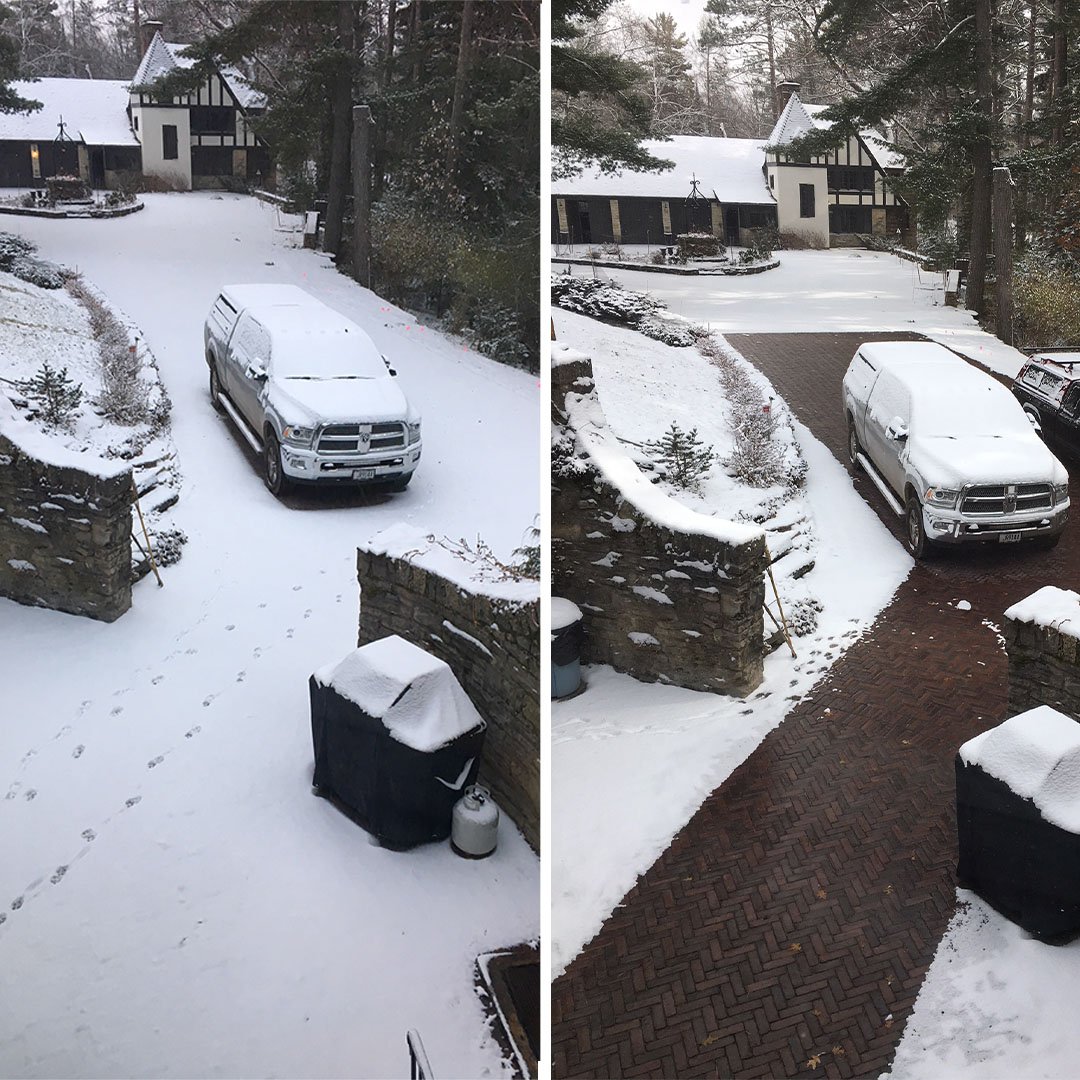
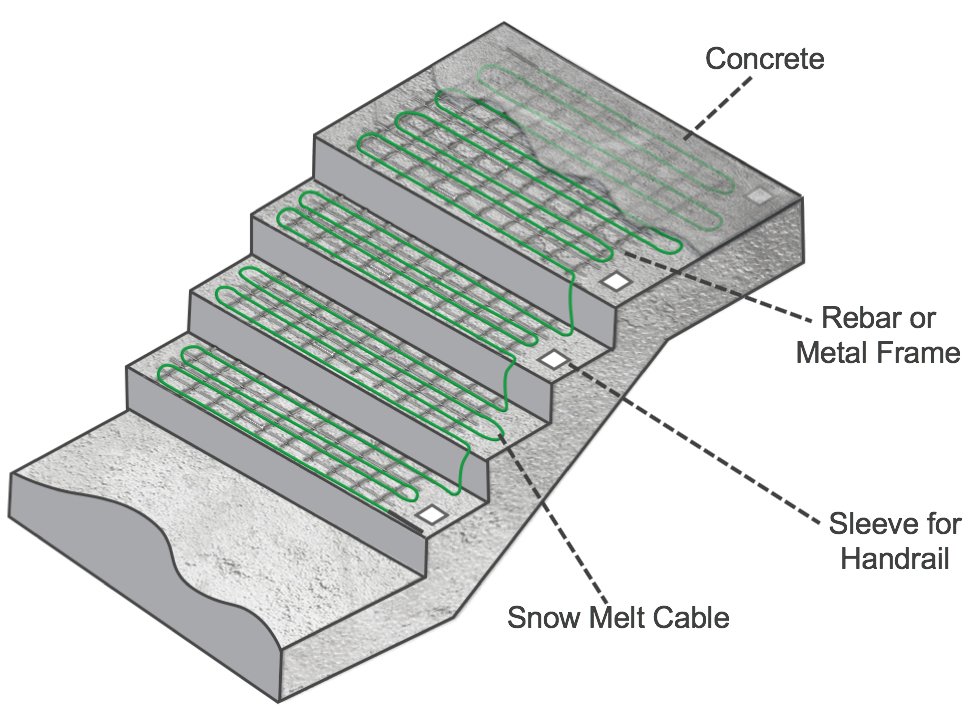
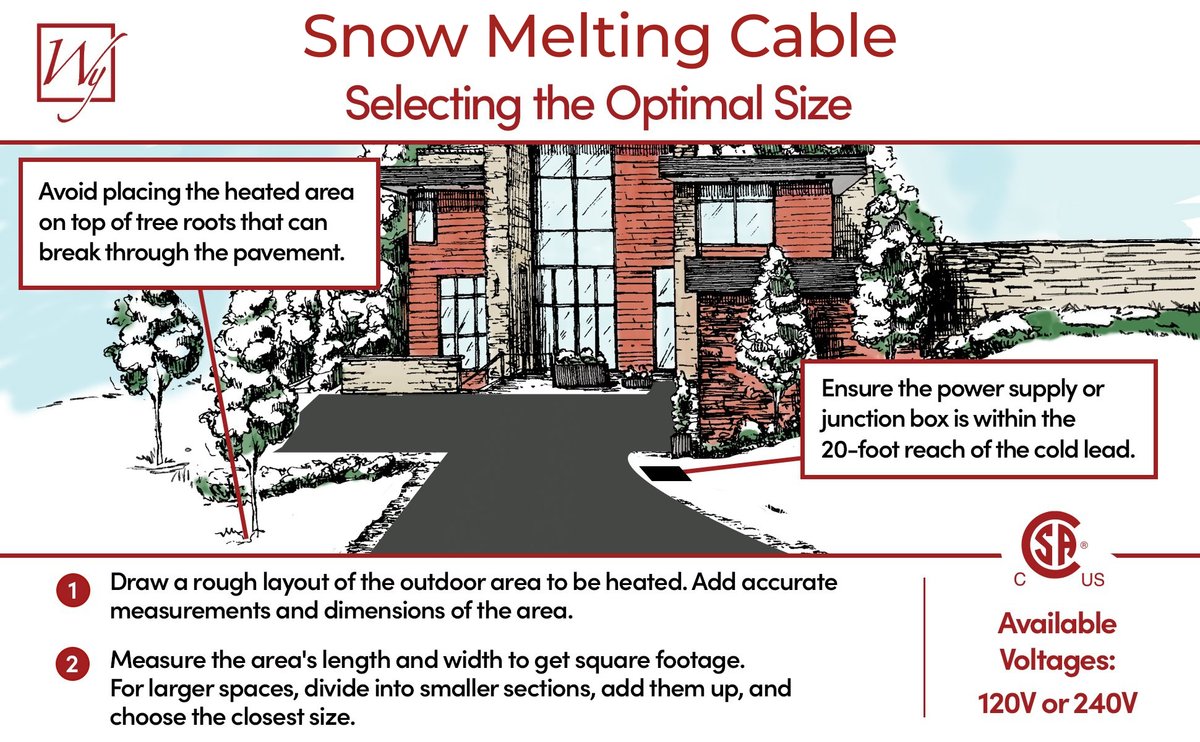
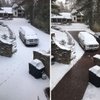
Learn more about snow melting systems. Perfect for heated driveways, patios, walkways and paths, accessibility ramps, or even stairs.
Specifications
Installation
| Best Use | Best For Asphalt Projects |
Electrical
| Connection Method | Hardwired |
Identifiers
| SKU | SCP-120-470k |
Warranty / Certifications
| Warranty | 2 years |
Product Dimensions
| Weight | 9.4 lbs |
Documents
Frequently Asked Questions
The material costs are similar. However, electric systems are easier to install, with fewer components and significantly lower maintenance costs. Electric systems will run for a shorter period of time to give the same level of performance but with much higher energy efficiency (typically 95%-98% efficient). Controls and sensors required for the two types of systems are very similar. Electric systems do not usually require slab insulation and do not create the concerns typically associated with hydronic systems. These concerns include, but are not limited to, return temperatures, flue gas venting, waterway shrinkage and property damage caused by leaking pipes or tubes.
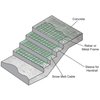
When installing outdoor WarmlyYours snow melting cables for your driveway, patio, walkway, terrace, stairs, ramp, etc. - NEVER cross, overlap, or allow the heating cables to touch each other. Doing so will quickly cause a circuit failure due to excessive heat build up. Always follow the installation instructions and/or design layout plan to ensure the cable is installed with the correct spacing required for proper operation.
Our systems can handle low temperatures, but many controls come equipped with a Low-Temperature Lockout Feature. This feature prevents the system from running in very low temperatures. At very low temperatures it can become difficult for the system to effectively melt the snow. It is however possible to turn off this feature should you need the system to keep running during such low temperatures.