
Self-Regulating vs. Constant Wattage Heating Cables
last updated december 19, 2019

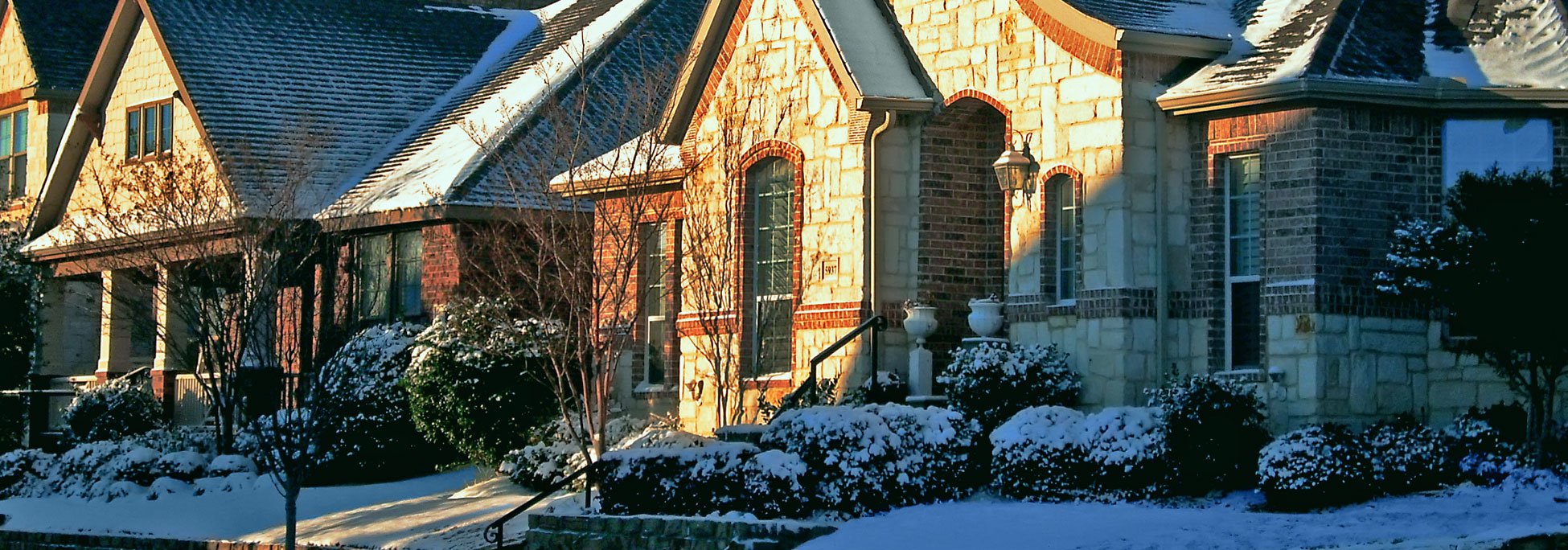
Let’s start by asking the important questions about self-regulating and constant wattage cable - what is the difference between the two types of cable and is one more effective than the other?
An electric heating cable is a wire cable that produces heat, also referred to as heat trace cable. Heating cable can be used in a wide range of applications for the home, such as floor heating, heat loss replacement, pipe freeze protection, roof and gutter deicing, and snow melting. There are two different kinds of cables, self-regulating and constant wattage, and both can serve the same purpose, although the application will typically determine the best solution for the job.

Are heat tape, heat cable, and heat trace different?
Heat tape is a common customer term for electric heating cable used for pipe freeze protection and roof and gutter deicing. Heat cable and heat trace are also used in these applications. The name alone does not establish suitability: select a product approved for the exact application, pipe or roof material, and installation conditions.
What is Self-Regulating Heating Cable?
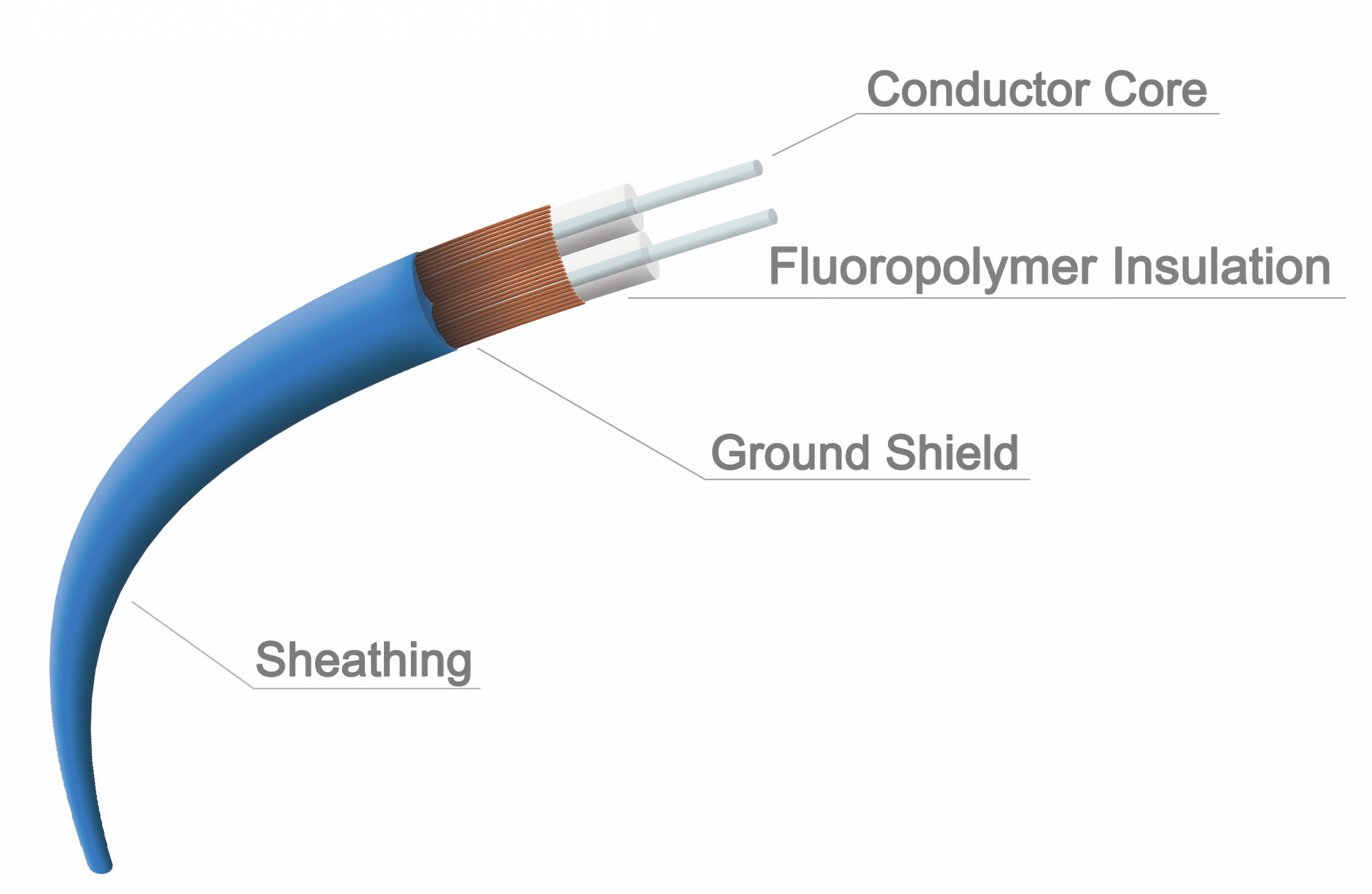
Self-regulating heat cable has a special conductive core between the two bus wires. This core becomes more conductive during cold ambient conditions; therefore the heating cable will increase its wattage per linear foot in response to the cold. This feature makes it ideal for the freeze protection of pipes in the winter or for keeping gutters clear of ice formations. This type of cable will also decrease its power output (watts per linear ft.), in warmer conditions, when the higher temperature will make the special core less conductive.
Does self-regulating heat trace need a thermostat? Although it’s called “self-regulating,” the cable will not turn itself completely on or off. So, we do recommend that a controller or thermostat of some sort to be used with this type of heating wire.
Examples of Self Regulating Heat Trace Cable:
Self-Regulating Heat Tape for Roofs and Gutters
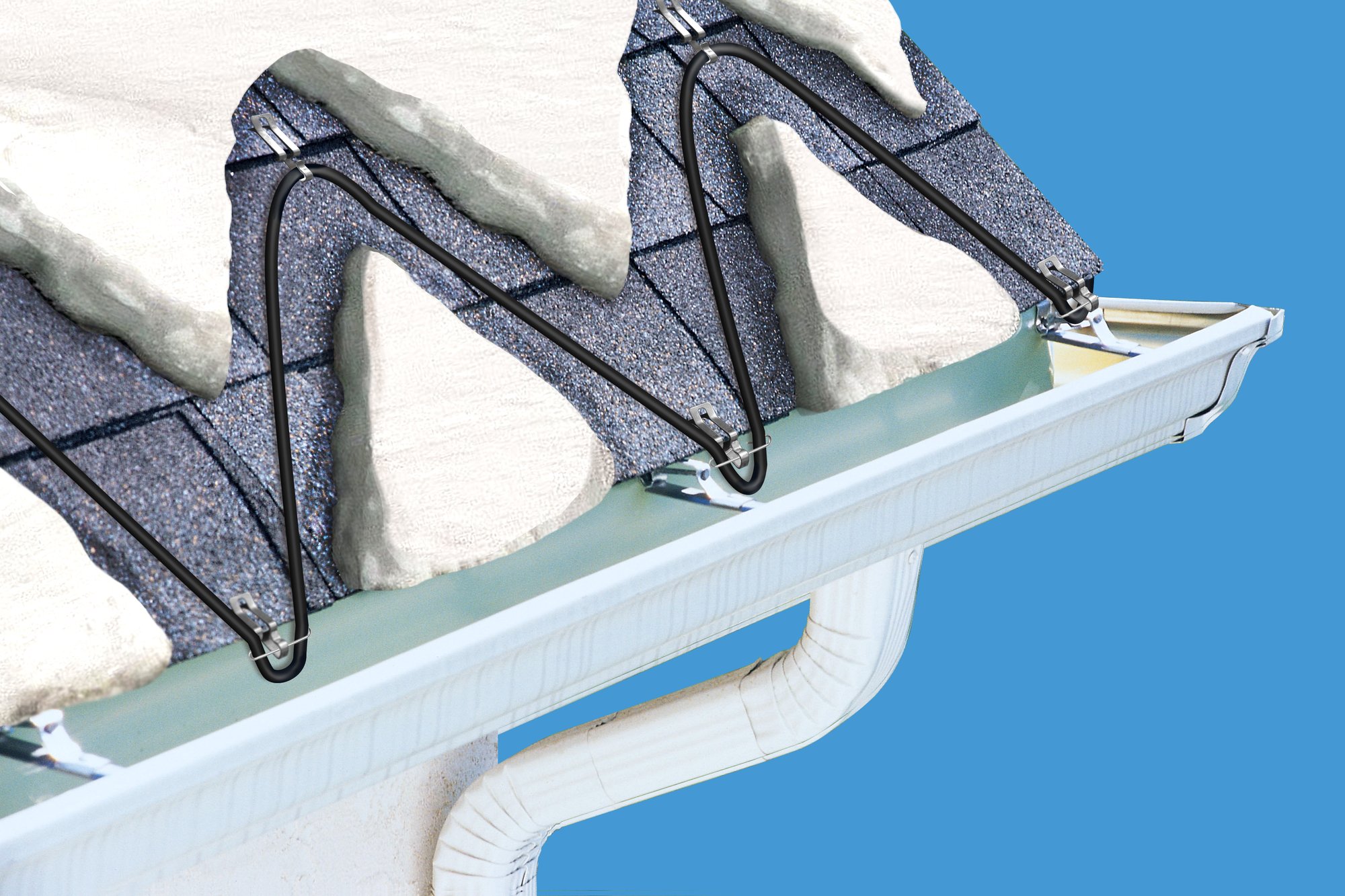
Self-regulating roof and gutter heat tape helps maintain meltwater drainage channels along roof edges, gutters, and downspouts. Select the voltage, output, connection kits, and attachment hardware specified for the project. Cut-to-length cable must remain within the manufacturer’s circuit-length limits.
Self-regulating cable varies its heat output with local cable temperature. It does not automatically shut itself off, and total energy use also depends on cable length, conditions, and controls.
WarmlyYours also offers fixed-length constant wattage roof and gutter heat tape kits with plug-in connections. Roof compatibility and installation requirements differ by product; neither cable type is automatically the best choice for every project.
PRO-Tect Self-Regulating Heat Tape for Pipes
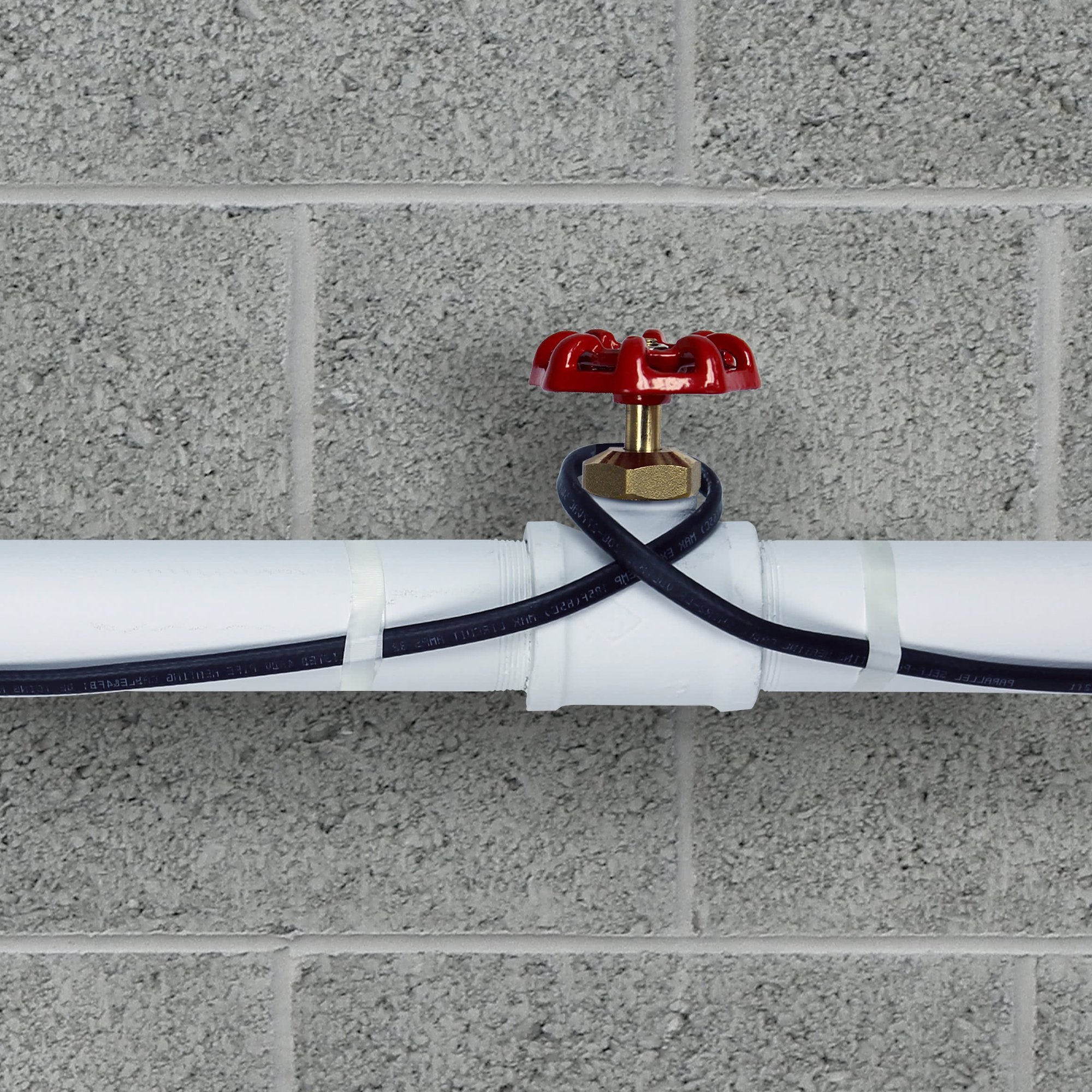
This product is used for what is called “pipe tracing” to protect non-flowing water pipes from freezing (which can result in very costly repairs) or, in some cases, for process heating. The heat trace cable can be used in light commercial and residential applications and is very similar to the self-regulating roof and gutter deicing cable (offering similar heat outputs and construction materials) but with some key differences in some of the accessories and installation methods. It is also sold by the foot.
Self-regulating and constant wattage pipe heat tape both have approved applications. Installation effort and energy use depend on the selected product, pipe layout, insulation, and controls. Follow the product’s permitted uses rather than assuming that all heat tracing cables are interchangeable.
What is Constant Wattage Heat Cable?
Constant Wattage Heat Cable is a heating cable that has the same wattage per linear foot (power output), throughout its entire length. Since this wattage cable is generally not affected by varying ambient or pipe content temperatures, it provides a constant heat output. So, this type of heating cable is preferred for homeowners who want to ensure that environmental conditions will not affect their heating output. These heating systems usually rely on a control or thermostat to operate the system.
Examples of Constant Wattage Heating Cable:
TempZone, Environ, and Slab Heating Floor Heating Elements
All of the floor heating elements that are sold by WarmlyYours are constant wattage, as are most of the electric floor heating elements sold across the industry. The reason for this is that it’s much easier to precisely control the heat in a room with a cable that consistently produces the same heat output. Then, the control (or thermostat), can use either the room’s ambient temperature or the floor temperature (through the use of a floor sensor that is installed with the heating elements) to alternate turning the radiant heating system on and off to achieve the desired results.
This “predictability” also allows for programmable thermostats to set up events so that you can customize your heating system to your schedule.
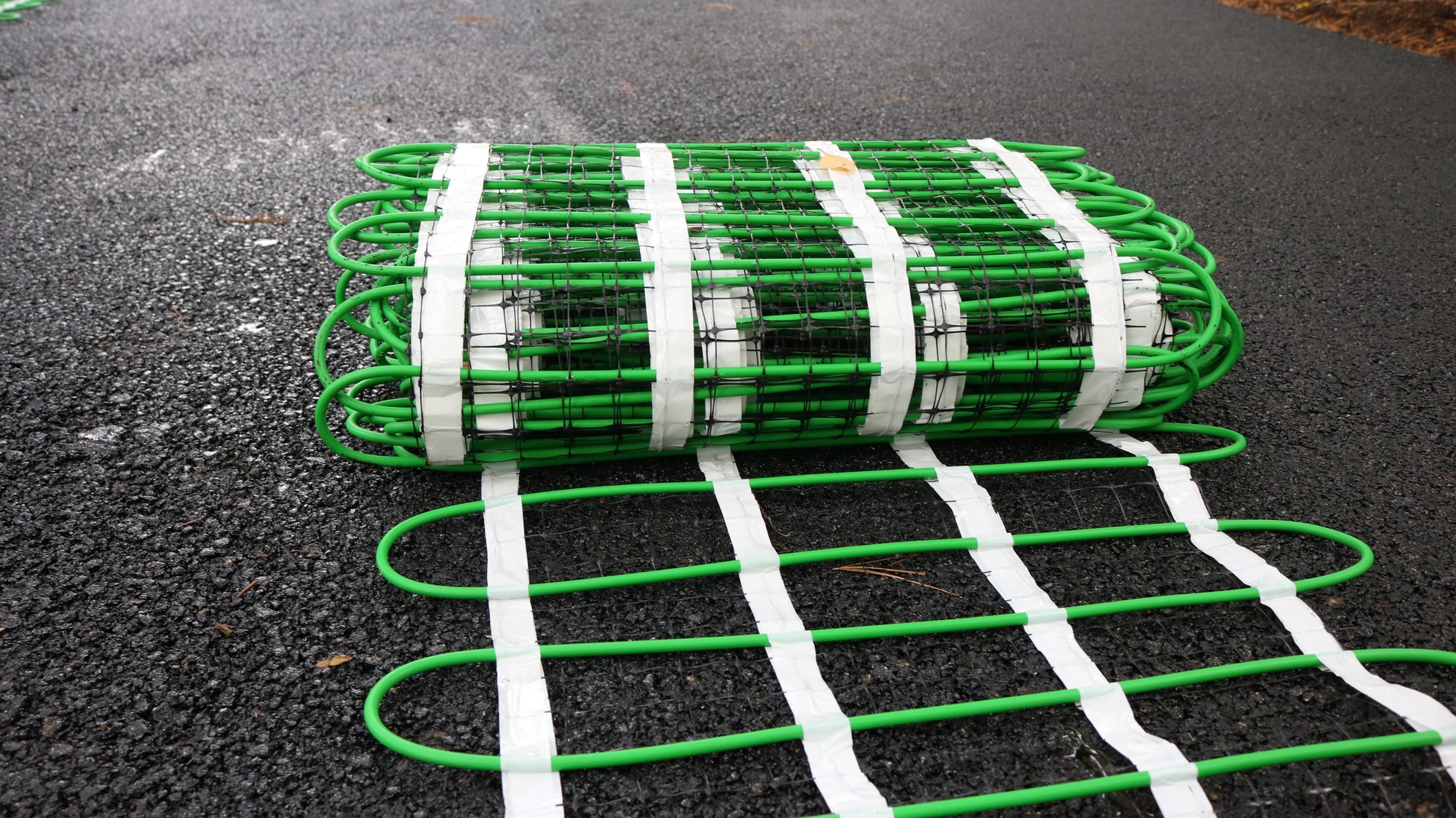
Our snow melting systems (often used in heated driveways, walkways, and patios) are also constant wattage. Similarly to floor heating, snow melting relies on a control to essentially turn the heating elements on and off. This is particularly useful because WarmlyYours offers a wide variety of controls for snow melting—from a manual timer option to an automatic option that can be used with sensors to turn the system on and off depending on environmental factors like the presence of moisture when the outside temperature is below a certain point.
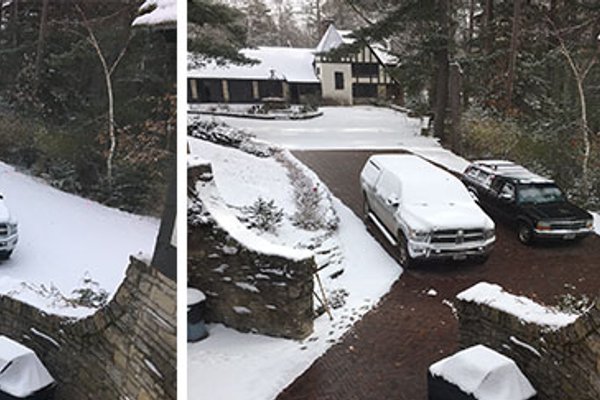
Additionally, WarmlyYours now offers a snow melting control that is WiFi-enabled and can be paired with the IFTTT service’s weather app to control the system based on real-time weather events. This control also allows for a user to operate the system remotely.
Which is Better--Self-Regulating or Constant Wattage Heating Cable?
The application determines the cable type. WarmlyYours offers self-regulating and constant wattage heat tape for pipe freeze protection and roof and gutter drainage, while its floor heating and embedded snow melting systems use constant wattage elements with suitable controls. Compare approved uses, design conditions, installation requirements, and operating controls; neither technology is universally more efficient or interchangeable with the other.
Whether you are looking for self-regulating cables or constant wattage cables, WarmlyYours has a heating solution for you. Get started by speaking with a radiant heating expert today.
Have Questions About Your Project?
Our team of Radiant Experts is ready to help!
Related Articles
WarmlyYours Launches Affordable WiFi Control for Snow Melting Systems

Answering Some of Electric Floor Heating’s Most Frequently Asked Questions (FAQs)

How Much Does Radiant Floor Heating Cost in 2026?
Stay Updated
Get the latest radiant heating news and tips delivered to your inbox.

Comments