How Radiant Heating Helps Football Season Thrive in the Winter
last updated february 5, 2026

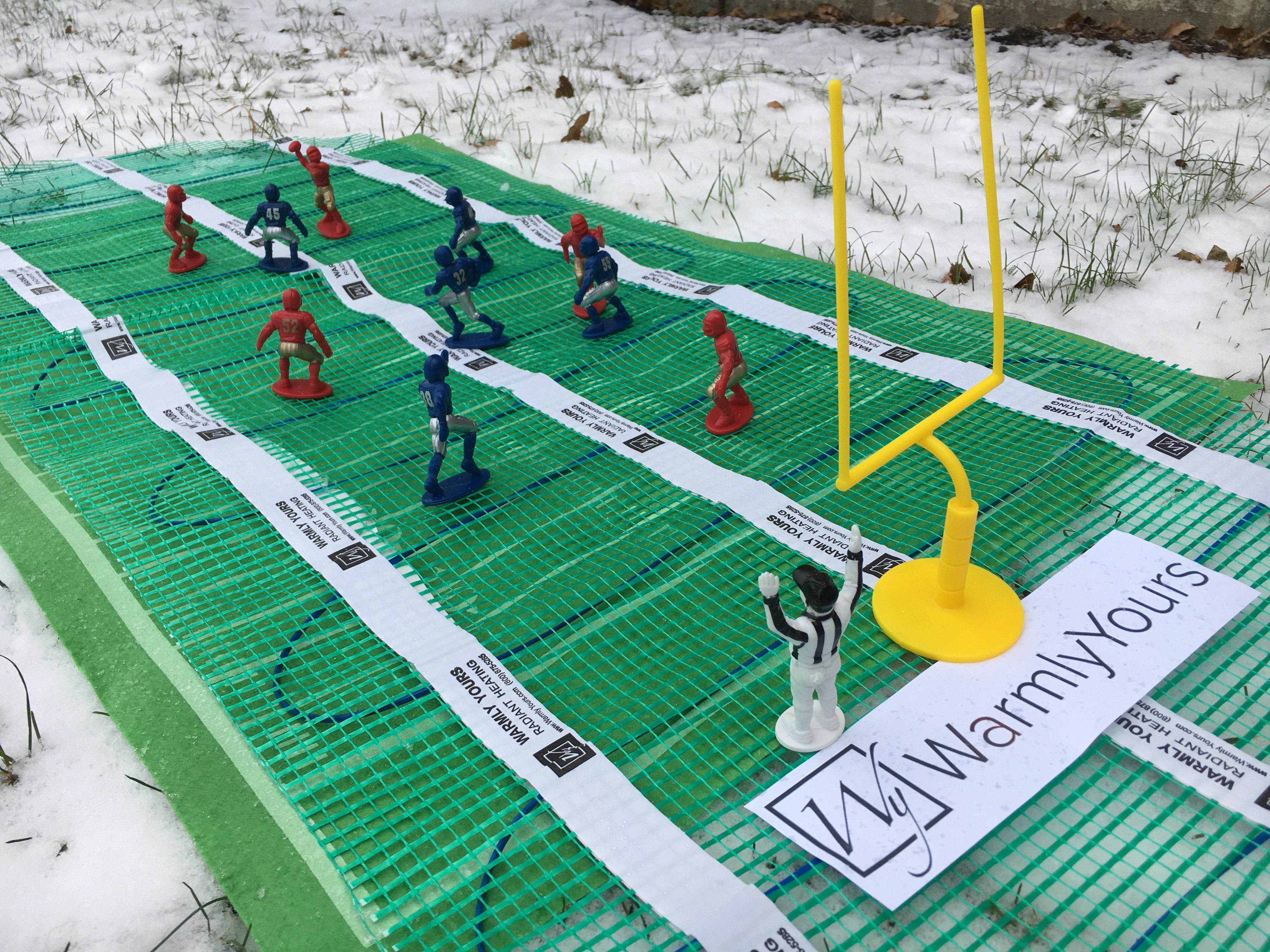
Ever wondered how football teams in cold climates keep playing through winter—while the field somehow stays clear? In many stadiums, the answer is happening right below the surface: heated football fields use radiant heating under the turf to help prevent snow and ice buildup and keep footing more consistent.
Did you know? Radiant heating can keep outdoor surfaces just above freezing, so snow melts on contact and areas stay safer and more usable all winter long.
Football Field Prep
With playoffs starting soon, NFL groundskeepers are busy prepping fields for players. If you’ve ever watched or attended a winter game, you may have noticed that snow and ice don’t build up on the field the way they do everywhere else.
Hydronic radiant heating is one of the key ways the gridiron stays clearer in low temperatures. In many northern U.S. stadiums, these systems help keep the playing surface more consistent—so hashmarks stay visible and footing is more reliable when conditions get messy.
According to Popular Mechanics, the Green Bay Packers’ Lambeau Field was the first to implement this type of heating system to battle harsh Wisconsin winters. With a heated turf field, players can benefit from better traction on an ice-free surface. As the article notes:
“Through trial and error, Allen Johnson, groundskeeper at Green Bay's legendary Lambeau Field, has learned that he likes his system humming along at 38 degrees—just above freezing, but still cold enough to let the grass begin to ‘harden off and get tougher.’”

Composition of a Heated Field
While many football stadiums in cold climates use heated field systems, each one fine-tunes its approach based on what they’ve come to expect from their region’s winters.
At a glance: A heated football field is built in layers—turf on top, engineered soil and drainage below, and a radiant heating network installed beneath the surface to help keep the field from freezing and reduce snow/ice buildup.
Heated Field Systems Use Hydronic Radiant Heating
Most heated football fields rely on hydronic radiant heating—a network of flexible tubing (often PEX) installed below the playing surface. Warm water (commonly mixed with glycol for freeze protection) circulates through the tubing to gently raise soil temperatures and help prevent the turf layer from locking up in ice.
These systems are typically composed of PEX (cross-linked polyethylene) pipes embedded about six inches underground. Boilers installed nearby pump a mix of water and glycol, allowing the system to stay warm even in extremely cold temperatures while helping prevent the liquid from freezing.
As warmth circulates underneath the field, it gently raises turf and soil temperatures and helps melt snow and ice as it reaches the surface. And as a quick sideline bonus, some stadiums also use heated benches—Popular Mechanics notes that one of the most common heated bench designs is used in about 16 NFL stadiums.

Caption: Photo courtesy of gillettestadium.com
One of the best-known fields in the league, Gillette Stadium survives harsh Boston winters with this same radiant heating technology. The New England Patriots’ stadium was built in 2002, and the field and its supporting technology have been modernized over time—making it possible to keep snow from sticking during a game.
While not every cold-climate stadium uses radiant heating, NFL heated fields show how teams can maintain a safer, more consistent playing surface regardless of the weather.
Key Layers Under the Turf
A heated field isn’t just “pipes under grass.” Stadiums typically build a full performance system under the surface to manage water, temperature, and durability.
- Turf/grass layer: Natural grass or synthetic turf designed for traction and wear.
- Root zone / engineered soil: A sand-based or engineered mix that supports drainage and healthy turf.
- Drainage layer: Helps move meltwater away so it doesn’t refreeze at the surface.
- Radiant heating network: Tubing loops installed below the root zone to warm the field evenly.
- Insulation (in some builds): Used to reduce heat loss into deeper ground and improve efficiency.
How Stadiums Control Field Temperature
Operators monitor conditions and adjust the system so the surface stays playable without turning the field into a muddy mess. The goal is usually to keep the field just warm enough to prevent freezing and reduce snow/ice bonding—while still protecting turf health and footing.
In practice, this means using sensors and controls to respond to weather swings (snowfall, wind chill, overnight freezes) and to manage how quickly the field can recover between events.
Benefits of Heated Football Fields
A heated field system isn’t just about comfort—it’s about keeping the game safe, the surface consistent, and the stadium operational when winter weather would otherwise take the field out of play.
Quick takeaway: Heated football fields help reduce frozen turf, improve traction, and limit snow/ice buildup—supporting safer play and fewer weather-related disruptions.
Improved Player Safety and Traction
When turf freezes, it can become hard and slick—two things you don’t want under high-speed runs and tackles. By keeping the soil and surface from locking up, radiant heat helps maintain more consistent footing and reduces the risk of slips and impact-related injuries.
Less Snow and Ice Buildup (and Faster Cleanup)
Heated fields can reduce how strongly snow and ice bond to the surface. That makes snow removal easier and helps crews clear the field faster—especially when storms hit close to kickoff.
More Predictable Field Conditions
Winter weather can create patchy conditions—some areas frozen solid, others soft and wet. A well-managed heating system supports more even temperatures across the playing surface, which helps keep play conditions more consistent from sideline to sideline.
Fewer Weather-Related Delays
When the field stays playable, teams and stadium operators have more flexibility. That can mean fewer postponements, fewer last-minute field interventions, and a better experience for fans, broadcasters, and staff.
Where Heated Football Fields Are Most Common
You’ll typically find heated football fields in places where winter weather is a real threat to playability—think frequent snow, deep freezes, or long stretches of below-freezing temperatures.
Rule of thumb: The colder and more unpredictable the winter, the more likely a stadium is to invest in a heated field to protect playability and reduce snow/ice downtime.
Cold-Climate NFL Stadiums
Stadiums in the Upper Midwest, Northeast, and other snow-prone regions are the most common adopters. These venues deal with repeated freeze-thaw cycles and heavy snowfall—conditions that can quickly turn a field into a safety hazard without active temperature control.
College and Multi-Use Stadiums
Heated field systems also make sense for stadiums that host multiple events. When a venue needs to stay operational for football, soccer, concerts, and other programming, keeping the surface from freezing can help protect scheduling and revenue.
Regions with Freeze-Thaw Winters
It’s not only about extreme cold. Areas that bounce between daytime melts and overnight freezes can create especially stubborn ice bonding. In those climates, radiant heat can help stabilize field conditions and reduce the “refreeze” problem after snow removal.
Snow Melting at Home: Heated Driveways, Walkways, and Steps
Heated Driveway with Snow Melt System
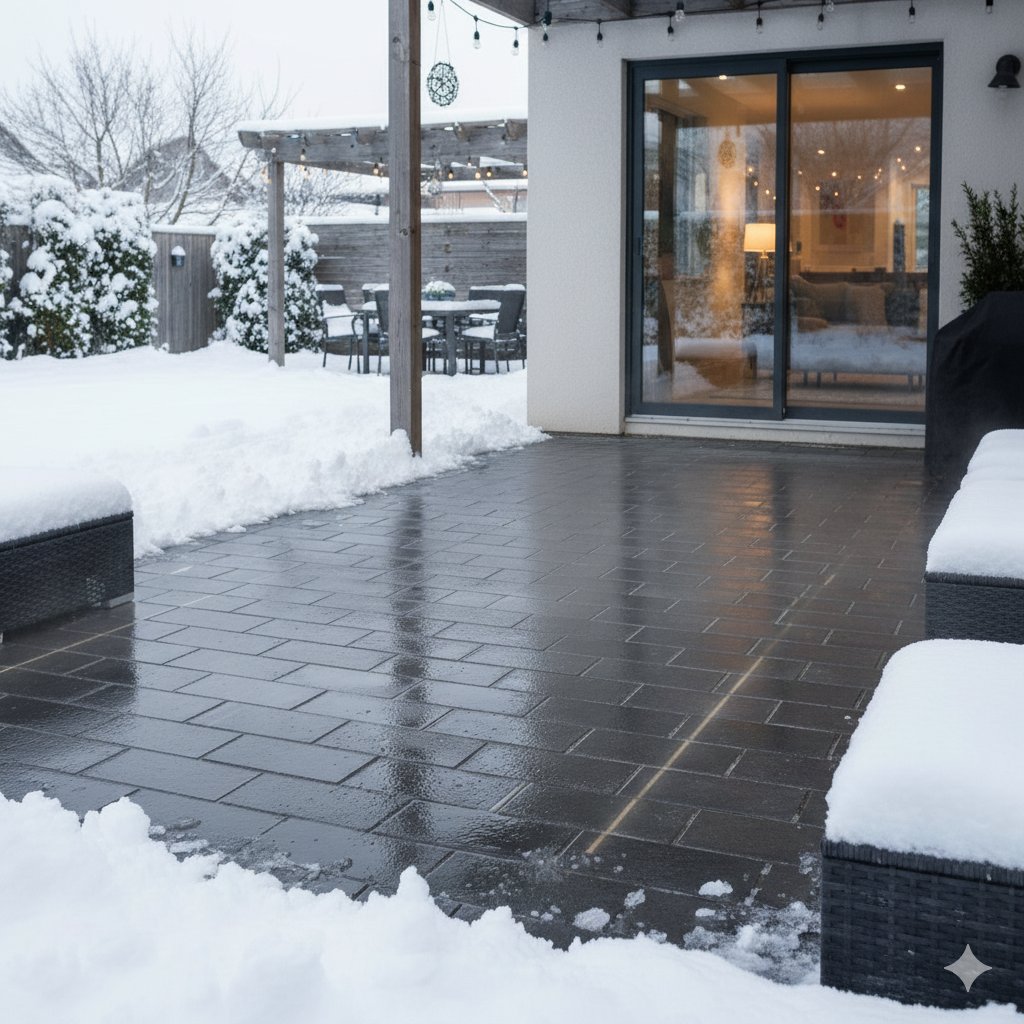
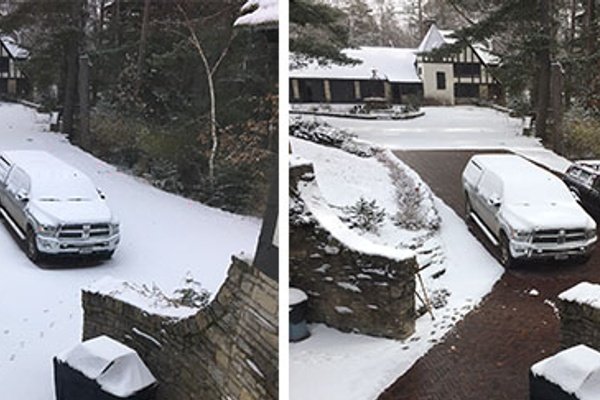
You don’t need an NFL roster to justify NFL-level tech. If heated football fields can keep a stadium safer during a blizzard, imagine what a snow melting system can do for your driveway, walkway, or front steps. Ready to bench the shovel for good?
While hydronic radiant heating is well-suited to large areas like a football stadium, electric snow melting systems offer more flexibility for residential projects. Electric radiant heating systems let you target smaller areas, are typically easier to install, and can be more responsive than hydronic systems.
Outdoor electric radiant heating makes it easier to keep your driveway or walkway clearer of ice and snow—without the expensive upkeep of salting and shoveling or the added complexity of boilers and pumps. Fewer system components can also mean a quicker installation timeline when you’re already replacing an outdoor surface.
Best Areas to Heat Outdoors
- Walkways and entry paths (safer footing where people actually walk)
- Front steps and stoops (high slip risk, small surface area)
- Driveway strips (tire tracks or a center path to reduce shoveling)
- Ramps (accessibility + safety)
Electric Snow Melting Options
Residential snow melting systems are typically installed beneath concrete, pavers, or asphalt and paired with a control that can activate the system based on temperature and moisture conditions.
- Snow melt mats: Great for straightforward layouts and faster planning.
- Snow melt cables: Better for custom shapes, tight turns, and working around drains or landscaping features.
If you’re planning an outdoor snow melting project, start with your layout and goals (full coverage vs. targeted paths), then size the system accordingly. Here's a great video that covers a common snow melting installation type (full coverage heating under asphalt).
Explore snow melting systems and see what’s possible for your space.
Budget-friendly tip: If you’re already redoing your driveway, walkway, or steps (new concrete, pavers, or asphalt), adding snow melt is often a small incremental cost compared to the overall project—because the surface is already being opened up.
Affordable starting point: The products below are our lowest-cost mat and cable options—great for heating a full area or focusing coverage where it matters most (like walking paths and tire tracks).


Note: “Starting” affordability depends on the heated square footage, spacing/coverage choice, and control selection. For the most accurate sizing (full coverage vs. paths/tire tracks), use the Snow Melt Quote Builder.
Plan Your Own Heated “Turf”
To get your own snow melt system, start with our Instant Quote Tool. Whether you’re looking to cover your entire driveway or just get a tire track layout, we can get you a quote specific to your project for free.
While outdoor areas like Lambeau Field require over 30 miles of PEX tubing for a hydronic heating system, the average driveway only needs 100 feet of snow melt cable to achieve the same effect.
How to Plan for a Snow Melt Project
- Measure and draw the potential heated outdoor area.
- Submit your drawing to our team of engineers with our consultation request.
- Work with your account manager to confirm snow melting control options and electrical requirements.
- Once the quote is confirmed, you can place your order.
- If done so before 4PM Central, it ships out the same day.
- Work with your electrician and hardscape contractor to install the system. Consult our 24/7 tech team anytime for on-site support.
- Install the system during primetime: May–October.
- Enjoy snow-free driveways—and send us a picture of your complete project.
Start Your Radiant Project Today
By taking a page from the playbook of NFL heated fields, you can officially retire your shovel and enjoy a more maintenance-free winter. The science behind heated football fields isn’t just for the pros—it’s a blueprint for a smarter home.
Stop fighting winter and start outsmarting it. See how radiant heating can transform your outdoor spaces with a free quote today.
We offer a range of different heating systems that can be paired with different outdoor surface types like concrete, asphalt, or even in mortar under pavers. You can also check out our snow melting showcases to see a huge variety of different projects.
Heated Football Fields: How Radiant Heating Systems Keep Games Going All Winter
How does a heated football field work?
Heated football fields utilize an underground network designed to maintain a surface temperature above freezing. These systems typically employ one of two methods to prevent ice and snow accumulation:
Hydronic Systems: A series of flexible tubes circulates a warmed water-glycol solution, radiating heat upward from a central boiler.
Electric Systems: High-durability heating cables are installed in a grid pattern, providing consistent, direct heat to the soil or turf base.
By regulating the ground temperature, the system prevents the playing surface from hardening and ensures that snow melts on contact. This technology protects the root system of natural grass and maintains a safe, playable environment regardless of the weather.
Can you put Radiant Heat under turf?
Electric radiant heating systems can be seamlessly integrated into new builds or retrofitted into existing fields—working beautifully under natural sod and synthetic turf alike.
How much does a snow melt driveway cost?
The cost of the heating elements (mats or cables) typically ranges from $7 to $25 per square foot, depending on whether you choose flexible cables or easy-to-install mats.
Small Driveway (approx. 200 sq. ft.): Systems starting around $2,500 - $3,500 for full coverage.
Large Driveway (approx. 400+ sq. ft.): Full-coverage systems starting around $4,750+.
Controls & Sensors: To make the system "smart" (like the NFL fields), you’ll need a controller and a snow sensor. These typically range from $600 to $3,800 depending on the complexity of your zones.
WY Pro Tip: You can reduce your material costs by roughly 35% by choosing "Tire Track" coverage—heating only the two-foot paths where your tires travel—rather than heating the entire slab.
Have Questions About Your Project?
Our team of Radiant Experts is ready to help!
Related Articles

Stay Updated
Get the latest radiant heating news and tips delivered to your inbox.