
In This Article
The fastest ways to remove ice from a driveway without salt are rubbing alcohol spray, magnesium chloride pellets, or a calcium chloride deicer — all of which work quickly without the concrete-damaging, lawn-killing effects of rock salt. For a permanent solution that eliminates ice before it forms, an electric snow melt system is the only method that works automatically, 24/7, with zero chemicals.
Icy driveways are one of the most dangerous side-effects of a snowy winter. Whether your driveway is under several inches of snow or has formed a hazardous sheet of re-frozen black ice by mid-morning, it is necessary to clear the ice before you can safely leave the house. While salt has been the long-standing traditional method, it has serious downsides: it damages concrete and asphalt over time, harms your lawn, and is dangerous to pets and small children that might ingest it.
Fortunately, there are plenty of alternatives — from fast-acting chemical deicers to traction materials to built-in prevention. Here’s everything you need to know.
Quick Facts: Ice Removal Without Salt
- Fastest chemical deicer: Rubbing alcohol spray (2 parts 70% isopropyl + 1 part warm water) — works in minutes, safe for all surfaces.
- Best pet-safe option: Magnesium chloride — gentler on paws than rock salt, effective to -13°F (-25°C).
- Best traction material: Sand or non-clumping kitty litter — won’t melt ice but prevents slipping.
- Avoid on concrete: Vinegar (damages surface), calcium chloride in excess, and coffee grounds (stains).
- Permanent solution: Electric heated driveway — operates automatically, costs $0.12–$0.60/hr, lasts 30+ years.
- Salt damage: Rock salt causes concrete pitting, kills grass, and is toxic to pets if ingested.
Fastest Ways to Melt Ice on a Driveway (Without Salt)
When your driveway turns into a skating rink, you need solutions that work fast — without the damage salt causes to concrete, asphalt, and your landscaping. Here are the quickest methods to clear ice and restore safe footing.
The fastest ice-melting methods break down into three categories:
- Physical removal — Shoveling, scraping, and traction materials (fastest immediate action)
- Chemical alternatives — Rubbing alcohol, magnesium chloride, liquid deicers (effective but surface-dependent)
- Preventive systems — Heated driveways (the long-term solution that eliminates the problem entirely)
Each method has trade-offs in speed, cost, and surface safety. The right choice depends on your driveway type, climate, and how much time you want to spend managing ice year after year.
Physical Removal Methods
Most people who don’t want to use salt simply address the snow and ice removal directly with a snow shovel. Morning shoveling is good exercise, but it’s also hard work, and it leaves a certain amount of risk for ice to re-form over the exposed surface of the driveway. This is why traction materials, such as sand, are also added so that any thin layer of daytime ice is safer to traverse.
Shoveling and Scraping
If snow or ice has formed on your driveway before leaving, you’ll need to remove it directly. A snow shovel can be used to efficiently pile snow to the side of your driveway, making room for cars and safe walking around your property. If a sheet of ice has formed on your pavement, you’ll need a driveway ice scraper instead — a stout metal tool with a smaller head, designed to help you break up the ice so it can be shoveled away in pieces.

Safety Tips for Shoveling
- Wear proper footwear with good traction
- Take breaks to avoid overexertion
- Clear a path to your vehicle and walkways first
Traction Materials
Once you have removed the snow and ice from your driveway, add traction materials to ensure all-day safety. Re-melt and fresh snowfall can renew the slipping risk without traction materials to add grip to your driveway.
Kitty litter is a popular choice, but you can also use gravel or sand which embed in the ice and may make it easier to break up ice when it comes time to shovel again. Traction materials do not melt ice, but they can make your driveway safer to walk and drive on. The best way to apply traction material is to sprinkle it evenly over the driveway so that every step crunches evenly beneath your feet.
Pro Tip
Traction materials are most effective on thin ice or packed snow. They won’t help with thick ice sheets — you’ll still need to shovel or scrape first.
Chemical Alternatives to Salt
You may be considering deicing options other than salt. Rock salt is harmful to your lawn and dangerous if consumed, but there are other materials that will help ice to melt. Not all alternatives are equally safe for all driveway surfaces — here’s what actually works.
Rubbing Alcohol (Isopropyl Alcohol) — Fastest DIY Option
Rubbing alcohol is one of the most effective and overlooked DIY deicers available. Isopropyl alcohol has a freezing point of around -128°F (-89°C) — far below any outdoor temperature you’ll encounter — which means it melts ice on contact and prevents refreezing.
How to use it: Mix 2 parts 70% isopropyl alcohol with 1 part warm water in a spray bottle. Apply directly to icy surfaces. It works within minutes, is safe for concrete and asphalt, and won’t harm pets once dry. It’s best for thin ice layers and light frost; for thick ice sheets, scrape first and then spray.
Windshield washer fluid (winter formula) works on the same principle — it contains ethylene glycol or methanol, which lower the freezing point of water. You can pour it directly on driveway ice in a pinch, though it’s more expensive than rubbing alcohol for large areas.
Magnesium Chloride — Best Pet-Safe Chemical Deicer
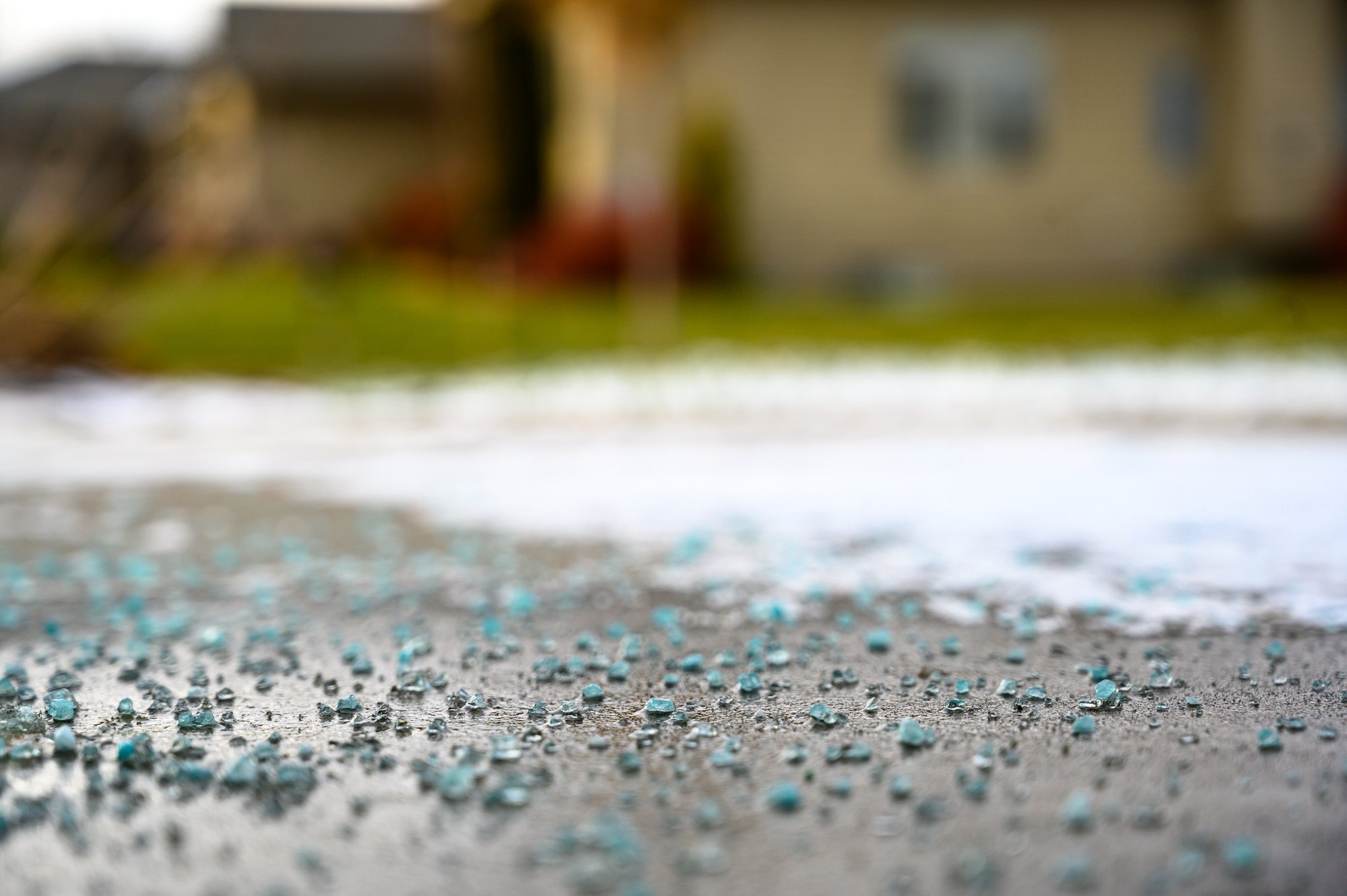
Magnesium chloride pellets are one of the most popular salt alternatives because they’re effective, relatively pet-friendly, and gentler on driveway surfaces than rock salt or calcium chloride. Magnesium chloride works down to approximately -13°F (-25°C) and is less corrosive to concrete and vegetation.
Best for: Homeowners with pets or children, concrete driveways, and areas with moderate to severe winter temperatures. Always rinse pets’ paws after contact with any treated surface, and follow package directions for application rates to avoid over-application.
Calcium Chloride — Fastest-Acting Pellet Deicer
Calcium chloride is the most powerful pellet deicer available, working down to -25°F (-32°C) — the lowest effective temperature of any common deicer. It generates heat as it dissolves (exothermic reaction), which helps it work faster than other options in extreme cold.
Caution: Calcium chloride can damage concrete with repeated use and is more irritating to pets’ paws than magnesium chloride. Use it sparingly and avoid over-application on concrete surfaces. It is listed as “Avoid” for concrete in the surface guide below — use it only when temperatures are too low for other options.
Liquid Deicers
Liquid deicers have become increasingly popular for municipal road management because they spread more evenly than rock salt. They are typically applied using a wide spray and work by lowering the freezing point of water so that ice is more difficult to stay frozen. Even salt-based liquid solutions are less damaging to pavement than traditional rock salt. You can apply it evenly using a watering can or a pump sprayer.
Pay close attention to the active ingredient: some liquid deicers use melted salt solutions (still salting your driveway), while others use an alcohol mixture (ethylene glycol) — similar to your winter-formula windshield wiper fluid.
Exothermic Materials (Limited Effectiveness)
Some commonly suggested alternatives have limited or no real ice-melting effectiveness:
Coffee Grounds: Do not chemically melt ice. Their dark color may absorb minimal sunlight, but their primary benefit is traction only. They can also stain light-colored concrete and pavers. Not recommended as a primary ice-melt solution.
Vinegar: While vinegar does lower the freezing point slightly, it is not recommended for driveways. Acetic acid attacks concrete and asphalt over time, causing pitting and surface degradation — the very problem you’re trying to avoid by skipping salt.
Urea/Fertilizer: Contains nitrogen, which lowers the melting point of ice. Works down to approximately 25°F (-4°C). However, runoff into storm drains causes algae blooms in waterways, and over-application can chemically burn grass. Use sparingly and follow application guidelines carefully.
Choosing a Deicer by Driveway Surface
Different deicing products affect asphalt, concrete, and pavers differently. Here’s what to consider:
| Surface | Best Option | Avoid | Notes |
|---|---|---|---|
| Asphalt | Rubbing alcohol spray; liquid acetate-based deicer; magnesium chloride | Vinegar; excessive rock salt | Asphalt is more resilient than concrete but still vulnerable to acid damage |
| Concrete | Magnesium chloride; rubbing alcohol spray | Vinegar; calcium chloride (repeated use); CMA in excess | Concrete is most vulnerable to freeze-thaw damage; use minimum amounts |
| Brick/Stone Pavers | Magnesium chloride; rubbing alcohol; acetate-based liquids | Vinegar; heavy salt application | Pavers are porous; acid and salt penetrate and cause long-term damage |
Important Note
Always use the minimum amount of any deicer necessary. Proper drainage, sealing (where appropriate), and preventive measures are your best defense against recurring ice problems.
Preventive Measures
Of course, you can also take steps to prevent snow and ice from forming on your driveway. Preventative measures can reduce the amount of shoveling or melting needed to keep your driveway clear and safe.
Proper Drainage
First, driveway design is essential. Most driveways are graded to ensure that water runs down, away, and into the neighborhood gutter-drain system. You also need to direct water away from your driveway regarding things like sprinklers, irrigation lines, and the downspouts from your gutters. Keeping your gutters clean can help with this, too.
Proper drainage will prevent water from reaching your driveway and freezing as a dangerous sheet of black ice.
Driveway Coverings
You can also protect your driveway from snow and re-melt using overnight tarps.
Driveway Tarps: To avoid shoveling your driveway in the morning, stake down a tarp over your driveway in the evening before dinner. In the morning, use a careful pull-back technique (machinery can help) to roll the snow off the tarp into a big pile on the side of your driveway.
Of course, there is one solution that will ensure that you never have to salt, shovel, gravel, or tarp your driveway ever again: a heated driveway.
The Ultimate Solution: Heated Driveways
You have plenty of options for removing ice from your driveway without salt — from shoveling and traction materials to chemical deicers and preventive measures. But if you’re tired of the annual winter grind, there’s one solution that eliminates the problem entirely.
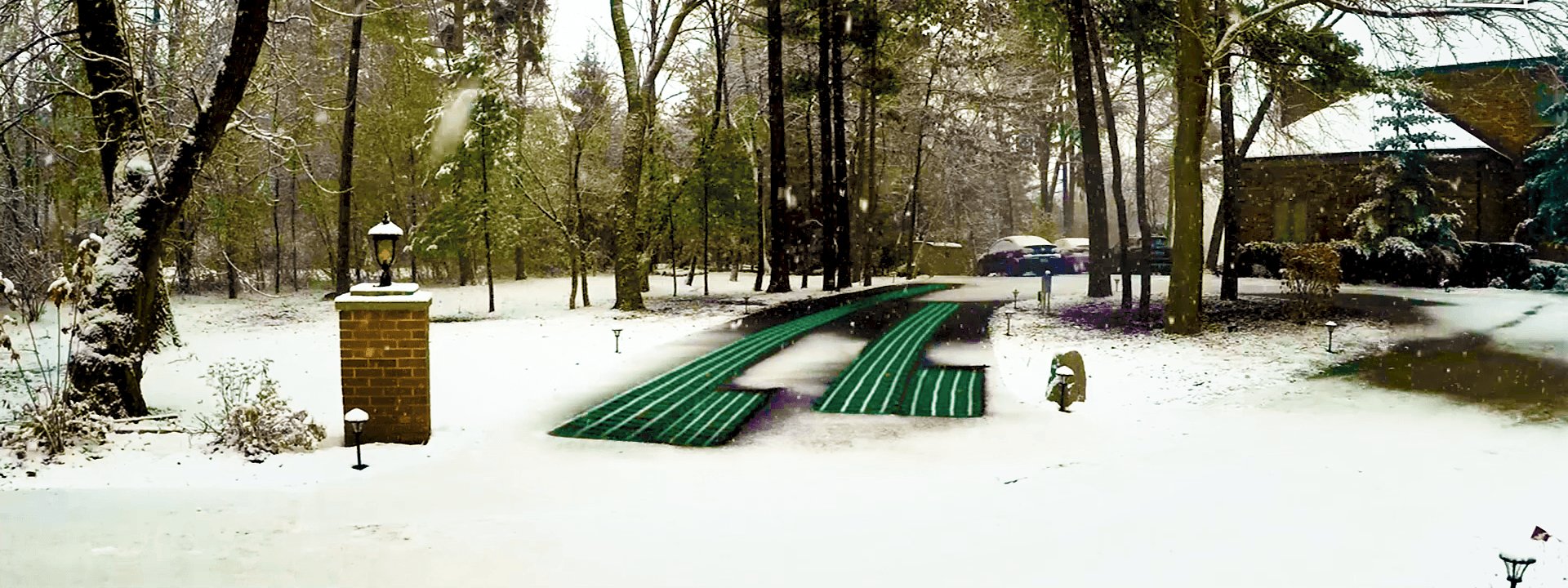
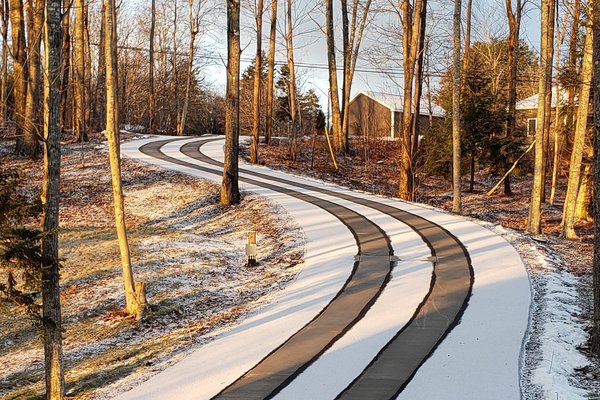
A heated driveway system is the ultimate investment in winter safety and convenience. Once installed, it works automatically, melting snow as it falls and preventing ice from forming in the first place. No shoveling, no chemicals, no slip-and-fall hazards — just a clear, safe driveway all winter long.
How Heated Driveways Work
Heated driveways involve embedding a heating element below the surface of your driveway. Combined with sensors and the proper control, your driveway heating system can automatically warm the driveway once snowfall starts so that snow melts away and ice never forms.
These systems are available in hydronic (water-based) and electric systems. Hydronic systems will generally have less electrical requirements but will also require pumps and relays along with a boiler. Electric snow melt systems will need more available amperage per sq. ft. but also require less infrastructure and are more maintenance free with lower upfront costs.
An electric snow melting system is connected to your home’s electrical supply and works by using the electrical resistance generated by the heating cables to keep the surface they’re embedded in free of snow and ice.
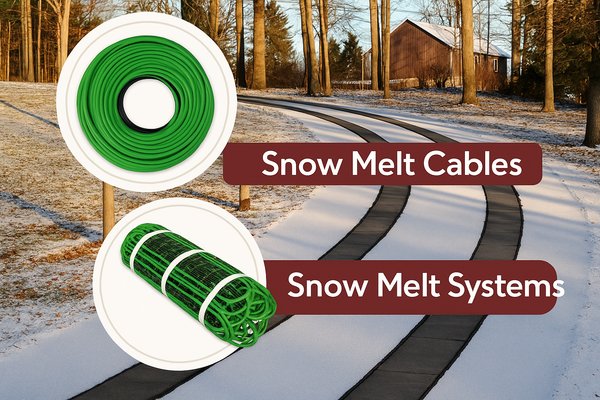
WarmlyYours Snow Melting Systems
Explore our proven snow melting solutions for asphalt, concrete, and pavers:
- Snow Melt Cables — Maximum flexibility for custom layouts
- Snow Melt PowerMat — Quick installation for standard areas
- Omni Mats — Versatile coverage for larger driveways
Learn more about heated driveways for your specific surface: Asphalt | Pavers & Stone | Concrete
Cost-Effective and Energy-Efficient
Your driveway will never again require hours of shoveling or form dangerous sheets of black ice that put your car and your family at risk. The solution is cost-effective and energy-efficient, requiring very little electricity for many years.
Installing a heated driveway costs significantly less than most homeowners expect. When you factor in the time savings from eliminating daily shoveling, the reduced wear on your vehicle, and the elimination of salt damage repairs, a heated driveway pays for itself over time. With operating costs as low as $0.12–$0.60/hour, you’ll enjoy years of worry-free winter protection without breaking the bank.
Operating Cost Calculator for Snow Melting
Calculate driveway heating costs based on size, coverage type, and local energy rates.


"A snow melting system is the ultimate set-it-and-forget-it solution. No more shoveling, no more slipping—just safe, clear walkways and driveways whenever you need them!"
— Rae RadiantKeeping Your Driveway Ice-Free, the Easy Way
Key Takeaways
- Salt damages driveways, lawns, and the environment. Safer alternatives include rubbing alcohol, magnesium chloride, shoveling, and traction materials.
- Rubbing alcohol is the fastest DIY deicer. Mix 2 parts 70% isopropyl with 1 part warm water — works in minutes, safe for all surfaces and pets once dry.
- Magnesium chloride is the best pet-safe pellet deicer. Works to -13°F, gentler on paws and concrete than rock salt or calcium chloride.
- Chemical alternatives vary by surface type. Vinegar damages concrete and asphalt; coffee grounds provide traction only; urea works but has environmental concerns.
- Heated driveways are the permanent solution. They operate automatically, cost just $0.12–$0.60/hour, last 30+ years, and eliminate shoveling and chemicals entirely.
- Prevention is key. Proper drainage, tarps, and preventive measures reduce the need for aggressive snow removal methods.
Frequently Asked Questions About Removing Ice From Driveways
The fastest way to melt ice on a driveway without salt is to use a rubbing alcohol spray (mix 2 parts 70% isopropyl alcohol with 1 part warm water in a spray bottle) or a calcium chloride-based deicer. Both work rapidly at low temperatures. For thick ice, break it up with a metal ice scraper first, then apply the deicer. A heated driveway system is the only permanent solution — it prevents ice from forming in the first place.
Yes. Rubbing alcohol (isopropyl alcohol) is an effective and inexpensive deicer because it has a freezing point of around -128°F (-89°C) — far below any outdoor temperature you'll encounter. Mix 2 parts 70% isopropyl alcohol with 1 part warm water in a spray bottle and apply directly to icy surfaces. It works quickly, won't damage concrete or asphalt, and is safe around pets once dry. It's best for thin ice layers and light frost rather than thick ice sheets.
The best pet-safe deicers for driveways are magnesium chloride and urea-based products. Magnesium chloride is gentler on paws than rock salt or calcium chloride, works down to about -13°F (-25°C), and is less harmful to vegetation. Sand and kitty litter are also completely pet-safe traction options, though they don't melt ice. Always rinse pets' paws after walks on treated surfaces. For a truly pet-safe solution, a heated driveway eliminates the need for any chemical deicers entirely.
Multiply the heated area by the installed watts per square foot, divide by 1,000 for kilowatts, then multiply by your electricity rate. At 50 W/sq ft, every 100 sq ft draws 5 kW, or $1.00 per energized hour at an illustrative $0.20/kWh. For example, a 400 sq ft full-coverage driveway draws 20 kW: $4.00 per energized hour, or $24.00 for six energized hours. Tire tracks heat less area, so they cost proportionally less. Your seasonal bill depends on how many hours the system is energized, including preheating and the controller’s drying cycle, which varies with the weather. These are examples, not typical bills; enter your own area, rate and runtime in our snow melting cost calculator.
Yes. Salt will cause pavement corrosion over time. The run-off is also bad for plants, and rock salt is dangerous if ingested by children or neighborhood animals.
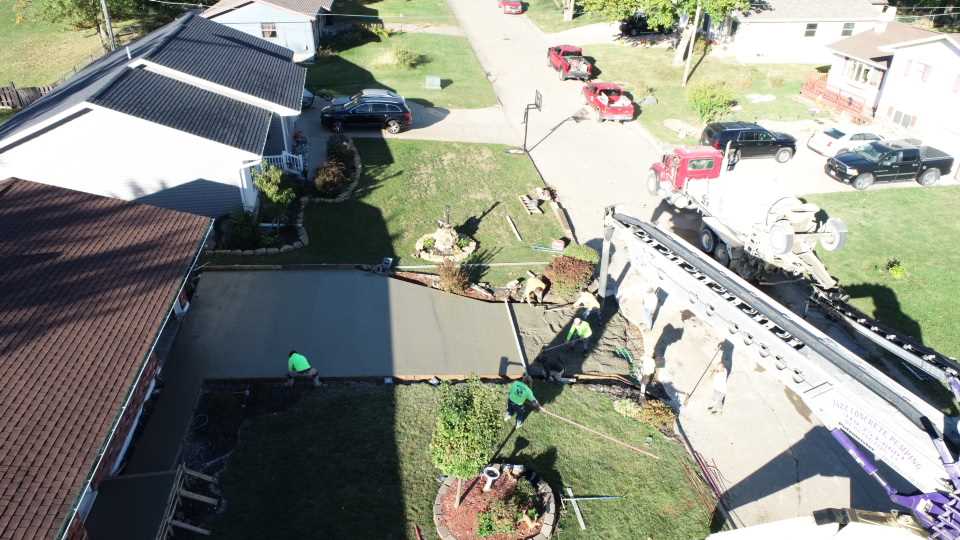
No. Electric heated driveways involve installing heating cable below the pavement. As long as the driveway is being replaced or installed for the first time, installing a heated driveway system shouldn't significantly complicate the installation.
Heated driveways are practically maintenance-free. Below the surface of your driveway, the heated cable is perfectly safe and the electrical components last for many years with little to no maintenance requirements.
Ready to Say Goodbye to Shoveling? Get Started Today
Stop spending winters battling ice and snow. A heated driveway system works automatically, 24/7, keeping your driveway clear and safe all season long. No more salt damage, no more back-breaking shoveling, no more slip-and-fall hazards.
Take the Next Step
With 26+ years of expertise and 300,000+ homes heated, WarmlyYours has the solution for your driveway. Our team is ready to help you find the perfect electric snow melt system for your home.
Have Questions About Your Project?
Our team of Radiant Experts is ready to help!
Related Articles

Stay Updated
Get the latest radiant heating news and tips delivered to your inbox.


