Heated Driveway Cost in 2026
last updated july 2, 2026

In This Article
The cost of a heated driveway typically ranges from $2,500–$8,000 for most complete snow melting systems with large full-coverage projects reaching $15,000+ (Compare our heated driveway systems). The cost for an electric snow melt system depends on driveway size, coverage type (full coverage vs. tire tracks), surface material (asphalt, concrete, or pavers), and the control system you choose.
Quick Facts
- Wattage: Systems typically operate at 50 watts per square foot.
- Installation Temp: Surface materials should be poured only when temperatures are 40°F (4°C) and rising; consult your paving or concrete professional for specific guidance.
- Warranty: WarmlyYours snow melting cables and mats are backed by a 10-year warranty.
- Controls: Automatic sensors can reduce operating costs by up to 70% vs. manual timers.
- Lifespan: A properly installed electric snow melting system can last 30–50 years.
Quick cost snapshot: Here are typical price ranges for heating elements and estimated operating costs.
| Driveway Size | Full Coverage (Heating Elements) | Tire Tracks (Heating Elements) | Cost per Storm (6-hr event) |
|---|---|---|---|
| Small (10’×20’) | $2,561 | $1,854 | $3.90–$9.76 |
| Standard (20’×20’) | $4,750 | $2,362 | $7.80–$19.51 |
| Large (30’×20’) | $7,000+ | $3,500+ | $11.71–$29.27 |
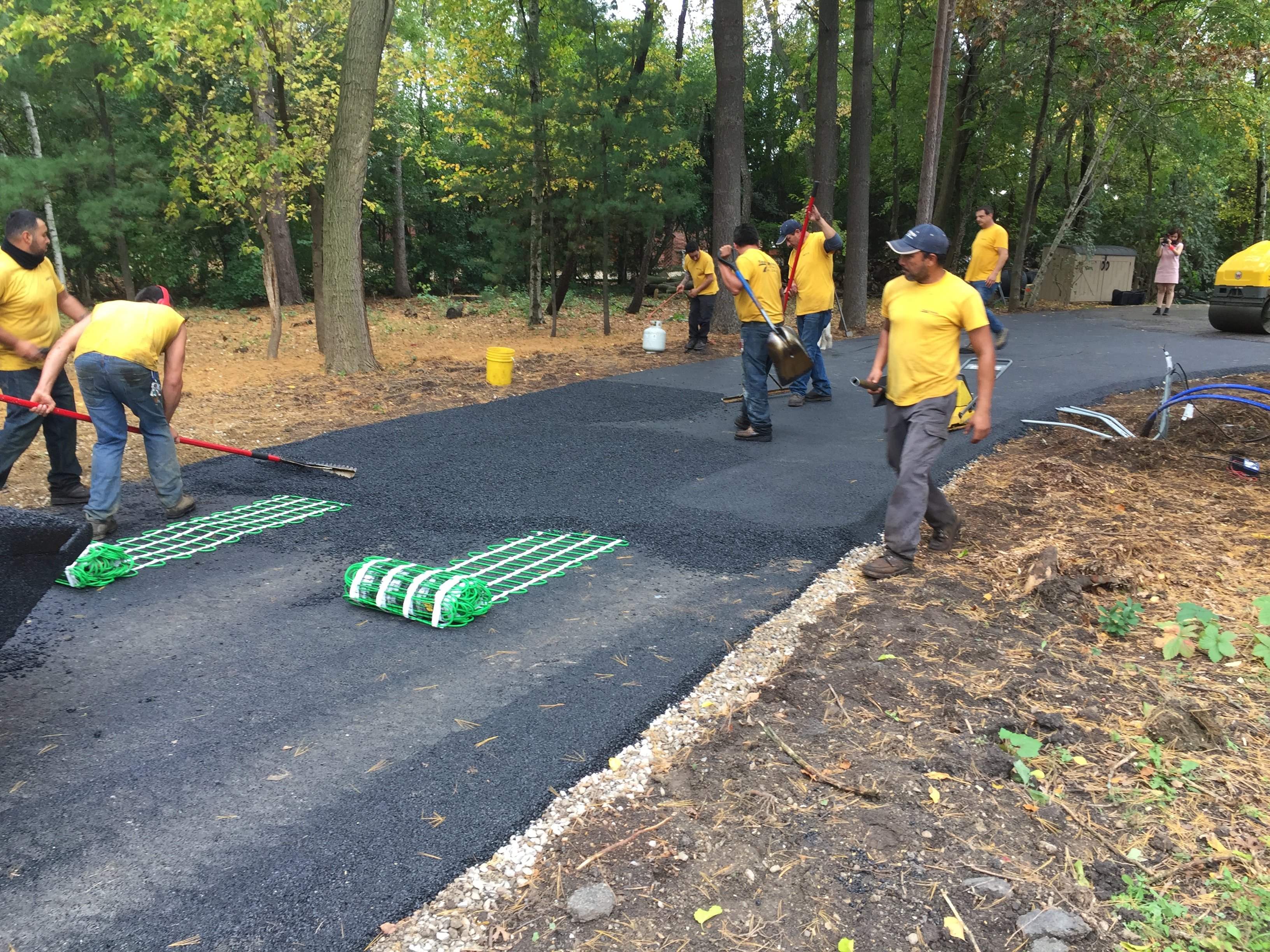
Because snow melting cables and mats must be embedded under asphalt, concrete, or pavers, the most cost-effective time to install a heated driveway is during a new pour, repave, or major driveway replacement. For a fast estimate, use our interactive calculator below.
Operating Cost Calculator for Snow Melting
Calculate driveway heating costs based on size, coverage type, and local energy rates.


"A snow melting system is the ultimate set-it-and-forget-it solution. No more shoveling, no more slipping—just safe, clear walkways and driveways whenever you need them!"
— Rae RadiantPlanning to Redo or Repave Your Driveway? It’s the Perfect Time to Add a Snow Melting System
If you’re considering replacing or repaving your driveway—especially in colder regions of North America—now is the ideal time to think about installing a snow-melting system. These systems are embedded beneath the surface, which means they can only be added during major renovations or new construction projects. By planning ahead and incorporating a snow-melting system during your driveway work, you’ll save on labor costs, avoid the expense and disruption of a retrofit later, and enjoy the long-term benefit of a clear, safe driveway—automatically—no matter how harsh the winter gets.
Why It Makes Financial Sense to Add Snow Melting During Driveway Replacement
Installing or resurfacing a driveway is a significant investment, both in planning and cost. Given the scale of this project, it’s the ideal time to consider additional enhancements—especially those that improve safety, convenience, and long-term value.
One of the smartest additions you can make during this process is a snow melting system. Since the surface is already being removed and replaced, incorporating electric heating cables into the new driveway involves minimal incremental labor and material costs. In fact, adding the system during construction can be significantly more cost-effective than retrofitting it later.
According to HomeAdvisor, the average cost to install a new driveway—labor and materials included—ranges from $2,526 to $7,294, depending on the region and the size of the project. Because driveway replacement already includes excavation, electrical planning, and resurfacing, the added cost of snow melting is comparatively small—especially when weighed against the benefits.
Snow Melt Driveways: Choosing the Right Material for Installation
An electric snow melt system can be installed beneath three common driveway materials: asphalt (blacktop), pavers, and concrete. Each material has unique benefits, and a heated driveway can enhance their performance and longevity.
Asphalt / Blacktop (Most Popular Choice)
Asphalt driveways are a popular choice due to their affordability and durability. Our electric snow melt system is engineered to withstand the high temperatures of freshly poured asphalt, ensuring seamless integration without compromising performance. Heated asphalt driveways provide excellent snow and ice removal while maintaining a smooth, slip-resistant surface.
Pavers/Stone
Paver driveways offer a high-end, decorative look with excellent drainage capabilities. Snow melting systems can be installed beneath pavers to maintain their aesthetic appeal while preventing snow buildup. Heated paver driveways help eliminate ice formation in the joints, reducing the risk of shifting or uneven surfaces over time. Paver thickness should not exceed 2.5” to ensure proper heat transfer and system performance. For a full walkthrough of planning and installing a system under pavers, stairs, and patios, see our complete planning & installation guide.
Concrete
Concrete driveways are known for their longevity, lasting up to 40 years with minimal maintenance beyond periodic resealing. However, they are prone to cracking in freezing climates due to the expansion and contraction caused by ice formation. Installing a snow melting system can help extend the life of a concrete driveway by reducing freeze-thaw cycles and preventing damage from de-icing chemicals.
Cost Breakdown of Snow Melting Controls
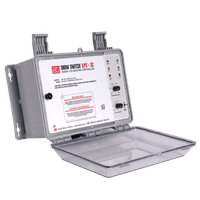
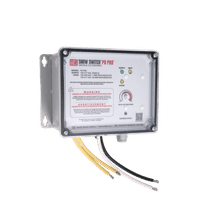
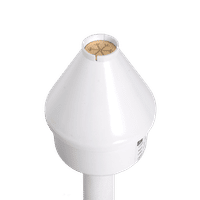
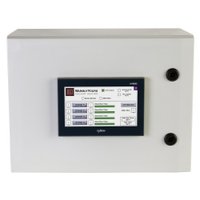
Your snow melting control is what actually powers your heated driveway. Once activated, it energizes the heating cables, creating the electrical resistance and heat that melt snow and ice. It also shuts the system off automatically, which is critical for cutting down operating costs.
How Much Energy Does a Heated Driveway Use?
A heated driveway system eliminates the need for shoveling or plowing, which saves time, money, and physical labor. The cables produce about 50 watts per square foot, effectively melting snow and ice before it can stick. To determine how much a heated driveway will cost to run, use the following formula. Note that we will be using the current average electricity rate of $0.16 per kWh.
Square footage of heated area × 50 watts = Total wattage
Total wattage ÷ 1,000 = Total kilowattage (kW)
Total kilowattage × kWh rate = Hourly operating cost
For example, consider a standard 20’ x 20’ driveway (400 sq. ft.) with full snow-melting coverage:
- 400 sq. ft. × 50 watts = 20,000 watts
- 20,000 watts ÷ 1,000 = 20 kW
- 20 kW × $0.16/kWh = $3.25/hr per hour
If a single snowstorm lasts about six hours, that’s approximately $19.51 in operating costs. Adding an “after-run” period of three hours (to ensure the melted snow or ice fully evaporates) brings the total to $29.27. This operating cost for an electric snow melt system is typically much cheaper than hiring a professional service for a single plowing.
Ready to Stop Shoveling ?
Take the first step toward a maintenance-free winter. Use our tools to get pricing and a custom installation plan today.
Frequently Asked Questions
Multiply the heated area by the installed watts per square foot, divide by 1,000 for kilowatts, then multiply by your electricity rate. At 50 W/sq ft, every 100 sq ft draws 5 kW, or $1.00 per energized hour at an illustrative $0.20/kWh. For example, a 400 sq ft full-coverage driveway draws 20 kW: $4.00 per energized hour, or $24.00 for six energized hours. Tire tracks heat less area, so they cost proportionally less. Your seasonal bill depends on how many hours the system is energized, including preheating and the controller’s drying cycle, which varies with the weather. These are examples, not typical bills; enter your own area, rate and runtime in our snow melting cost calculator.
Operating cost depends on the heated area, installed wattage, your electricity rate and how many hours the system is energized. For example, 100 sq ft at 50 W/sq ft draws 5 kW (100 × 50 ÷ 1,000). At an illustrative $0.20/kWh, that is $1.00 per energized hour, or $6.00 for six energized hours. This is an example, not a typical bill. What changes your total:
- Heated area and coverage (full area or tire tracks)
- Installed watts per square foot
- Your local electricity rate
- Runtime, including preheating, snowfall and the controller’s drying cycle
Enter your own numbers in our snow melting cost calculator.
Installation costs typically range from $8 to $25 per square foot, depending on the surface material and system type. For a standard 20'x20' driveway, heating components usually start around $4,750. Total costs vary based on local labor rates for electrical work and the masonry or paving contractor's fees.
That depends on a number of variables (like the temperature outside) but generally speaking these snow melting systems are designed to melt 1" - 3" of snow per hour. Anything above 3" per hour is typically considered blizzard conditions.
All of our automatic controllers have a Hold-on time feature after the initial warming up of the snow melt system. This feature ensures that all the snow is melted from the surface, and also that the system continues to operate and evaporate the surface water without it refreezing.
Have Questions About Your Project?
Our team of Radiant Experts is ready to help!
Related Articles
Snow Melting Mats vs. Cables: Which to Choose for your Heated Driveway
Snow Melting Systems for Steep Driveways: What Homeowners Need to Know
A Cleveland Driveway Heats Up with Cost-effective Snow Melting

How to Replace a Driveway: 4 Steps to a Heated Surface
Stay Updated
Get the latest radiant heating news and tips delivered to your inbox.
