

Replacing a driveway is a significant home improvement project that typically occurs every 20 to 25 years. While the process involves heavy machinery and professional labor, it also presents the single best opportunity to install a radiant snow melting system. By integrating heating cables or mats during the replacement process, you can eliminate the need for shoveling, salt, and snow blowers for decades to come.
Quick Facts: Driveway Replacement
- Timeline: A full replacement typically takes 1–4 weeks depending on the material.
- Best Time: Installation is most cost-effective during the “Sub-Grade” or “Paving” steps.
- Longevity: A well-installed driveway with radiant heat can last 30–50 years.
- ROI: Heated driveways increase home value and prevent salt-related surface damage.
Step 1: Demolition and Removal
The first step in replacing a driveway is the demolition of the existing surface. Whether you have cracked concrete or crumbling asphalt, a contractor will use heavy equipment like a jackhammer or a skid-steer loader to break up the old material. This debris is then hauled away for recycling or disposal, leaving a clean slate for your new installation.
Step 2: Excavation and Grading
Once the old surface is gone, the soil underneath must be excavated to the proper depth. This step is critical for ensuring proper drainage and a stable foundation. The contractor will grade the area to ensure water flows away from your home’s foundation. If you are planning to install a snow melting system, this is when the initial electrical conduit should be planned and positioned.
Step 3: Sub-Grade Preparation
The sub-grade is the foundation of your driveway. It usually consists of a layer of crushed stone or gravel that is compacted to provide a stable base. Proper compaction prevents the driveway from settling or shifting over time. For heated driveways, this base must be perfectly level to ensure the heating elements are embedded at a consistent depth.
Step 4: Paving and Snow Melting Installation
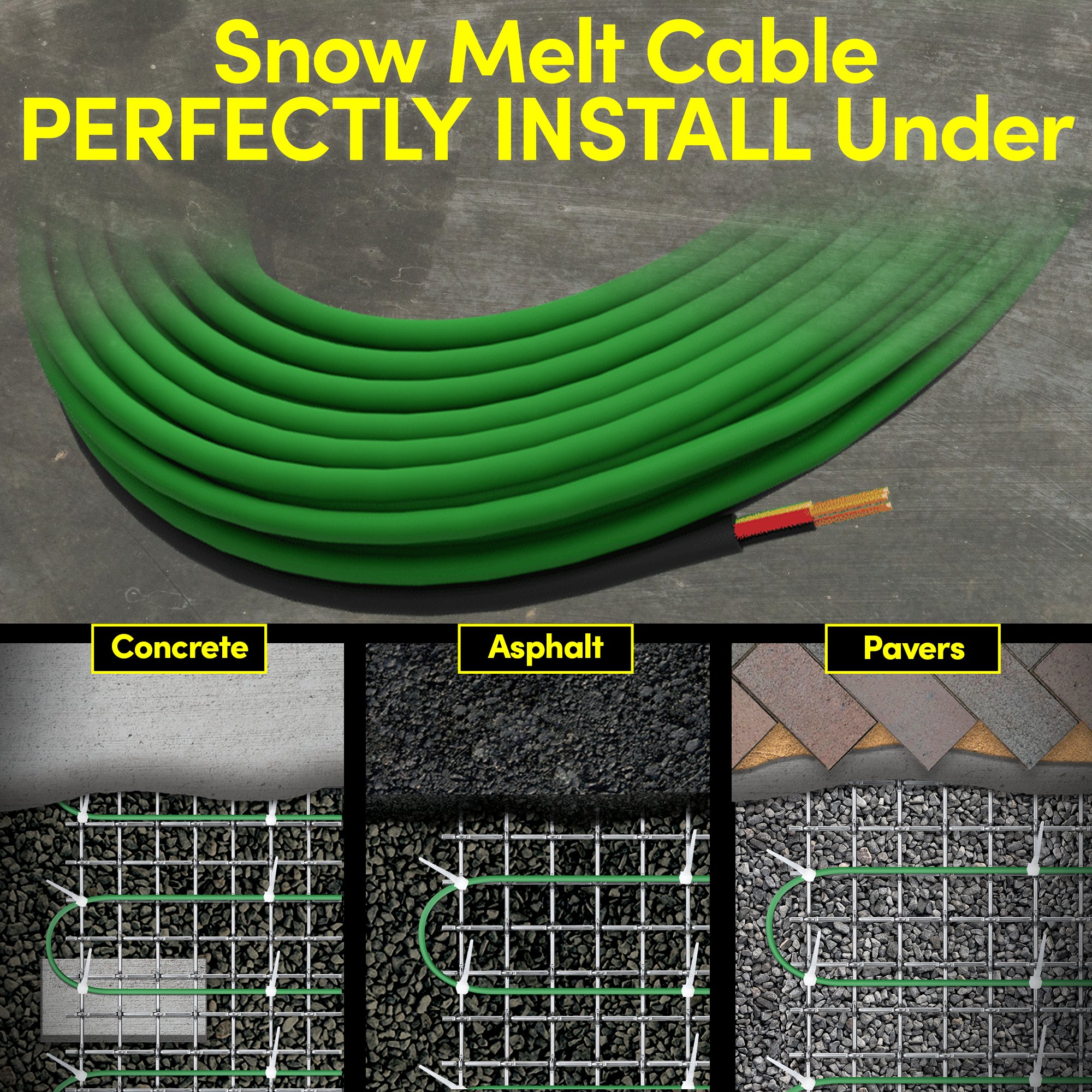
This is the final and most exciting step. Depending on your chosen material—asphalt, concrete, or pavers—the installation process for the snow melting system will vary slightly:
- Asphalt: Heating mats are installed specifically between the base and primer coat.
- Concrete: The heating system must be installed with 2–3” of concrete both above and below.
- Pavers: The system is installed directly beneath pavers and covered with mortar under pavers or sand.
Once the surface is laid, a licensed electrician will connect the system to a dedicated controller, such as the SCP-120, which uses sensors to automatically activate the heat when snow or ice is detected.
Operating Cost Calculator for Snow Melting
Calculate driveway heating costs based on size, coverage type, and local energy rates.


"A snow melting system is the ultimate set-it-and-forget-it solution. No more shoveling, no more slipping—just safe, clear walkways and driveways whenever you need them!"
— Rae Radiant
Frequently Asked Questions
Yes, you can retrofit a snow melting system into a preexisting driveway made of concrete or asphalt. You can do this by using an appropriate tool to cut properly spaced lines (or trenches for tire tracks heating) in the surface. Then you can place the the heating elements in the lines (or trenches) before sealing them with either hot asphaltic sealer for asphalt retrofits, or backer rod and expansion joint sealer (SikaFlex or similar) for concrete retrofits. Of course, you'll want to make sure this step is done in accordance with the filler manufacturer’s recommended procedures. Check out our snow melting retrofit guide for more information about this process.
Heated driveways are practically maintenance-free. Below the surface of your driveway, the heated cable is perfectly safe and the electrical components last for many years with little to no maintenance requirements.
Operating costs are minimal: Snow melting systems typically cost just $0.12–$0.60 per hour to run, depending on system size and local electricity rates.For a typical 6-hour snow event: $0.72–$3.60 per stormAnnual cost estimate (assuming 10 snow events): $7.20–$36 per yearWhat affects operating cost:
- System size (larger driveways = higher hourly cost)
- Local electricity rates (varies by region)
- Coverage type (full coverage vs. tire-track only)
- Control type (smart controls optimize runtime)
Why it's affordable: Snow melting systems only run during actual snow events—unlike plow services that charge per visit or chemical deicers that need repeated application. Use our Operating Cost Calculator to estimate costs for your specific project.
Ready to Estimate Your Project?
For a detailed breakdown of what a project like this might cost, be sure to check out our guide on Heated Driveway Cost in 2026.
Have Questions About Your Project?
Our team of Radiant Experts is ready to help!
Related Articles

Heated Driveway Cost in 2026
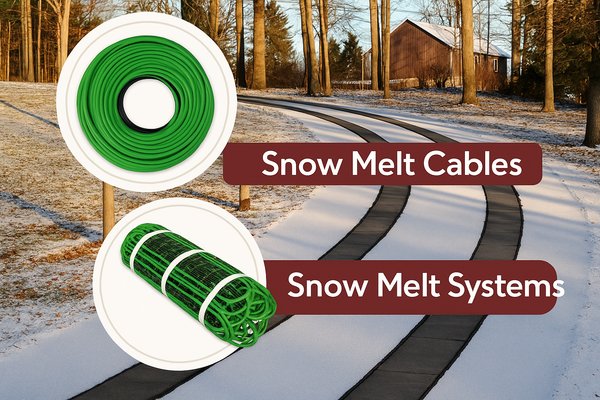
Snow Melting Mats vs. Cables: Which to Choose for your Heated Driveway
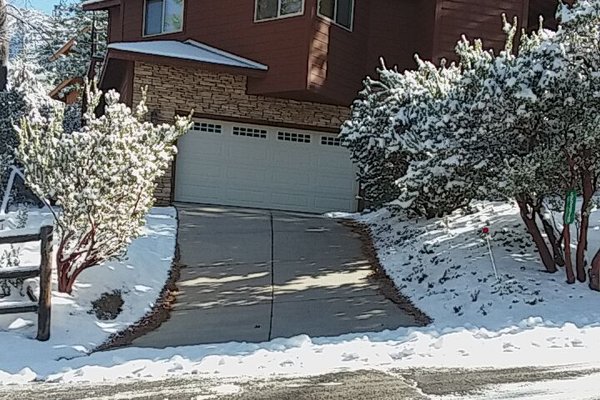
Snow Melting Systems for Steep Driveways: What Homeowners Need to Know
A Cleveland Driveway Heats Up with Cost-effective Snow Melting
Stay Updated
Get the latest radiant heating news and tips delivered to your inbox.