
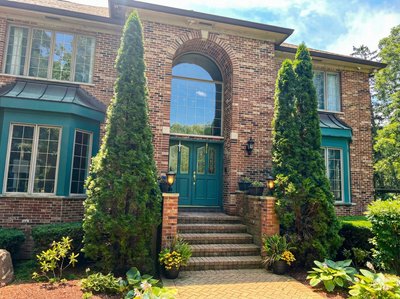
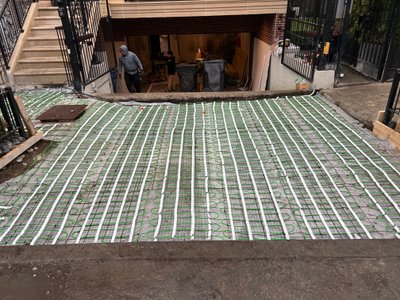
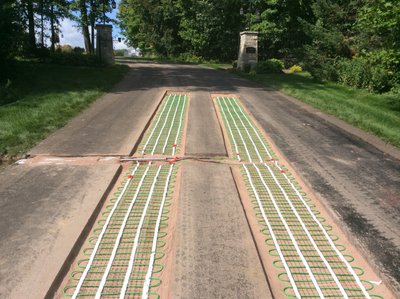
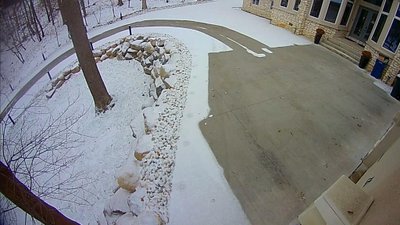







Driveway Heating Systems Videos
Check out these videos to learn more about our snow melting systems and installation processes.
Contact Us Open
Loading contact options...
Sign In
Loading...
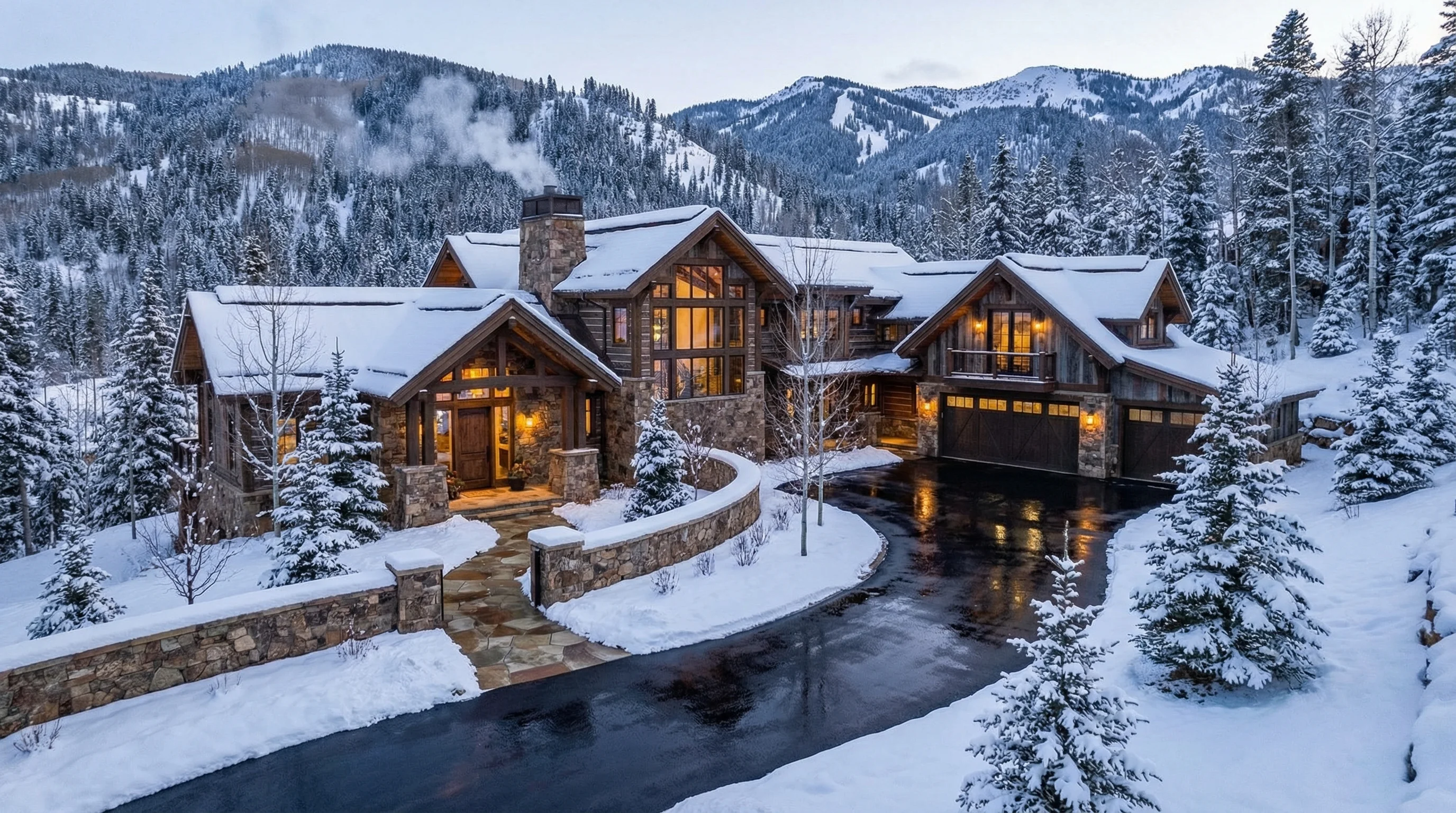
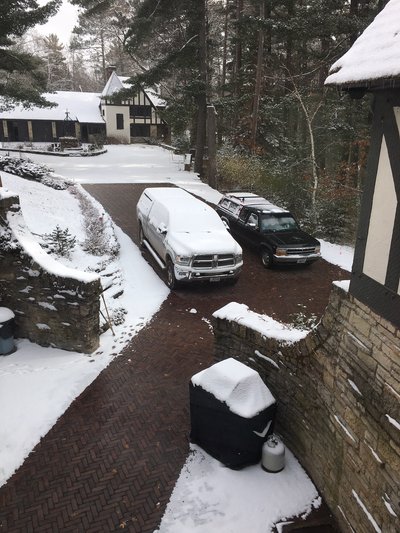
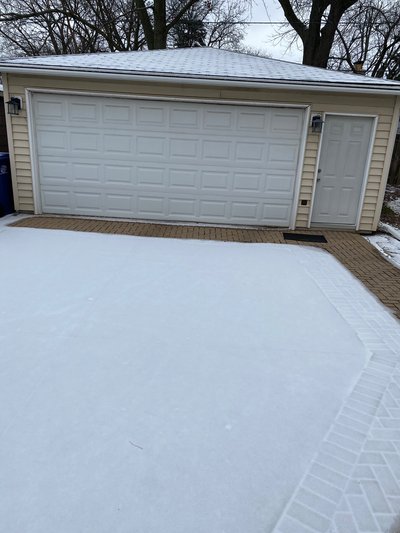
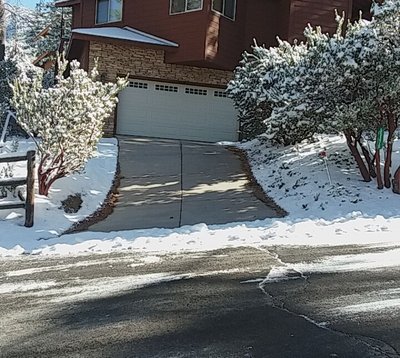
Stop shoveling for good—WarmlyYours heated driveway systems embed cables under asphalt, concrete, or pavers to automatically clear snow and ice overnight. Choose full-coverage or economical tire-track layouts, backed by our design support and smart controls that activate before you wake up.
More than convenience—a heated driveway is a lasting investment in safety, curb appeal, and your peace of mind every winter.
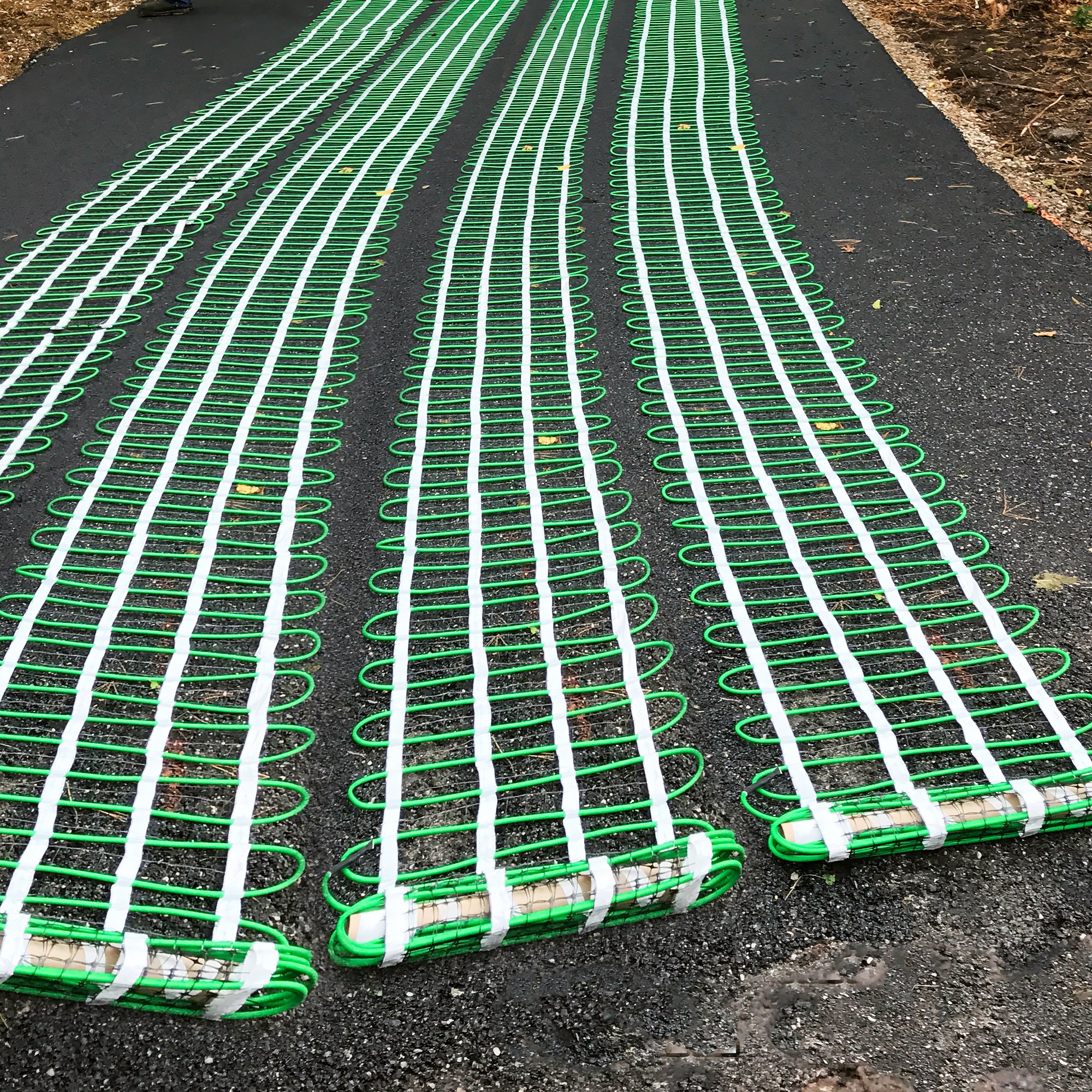
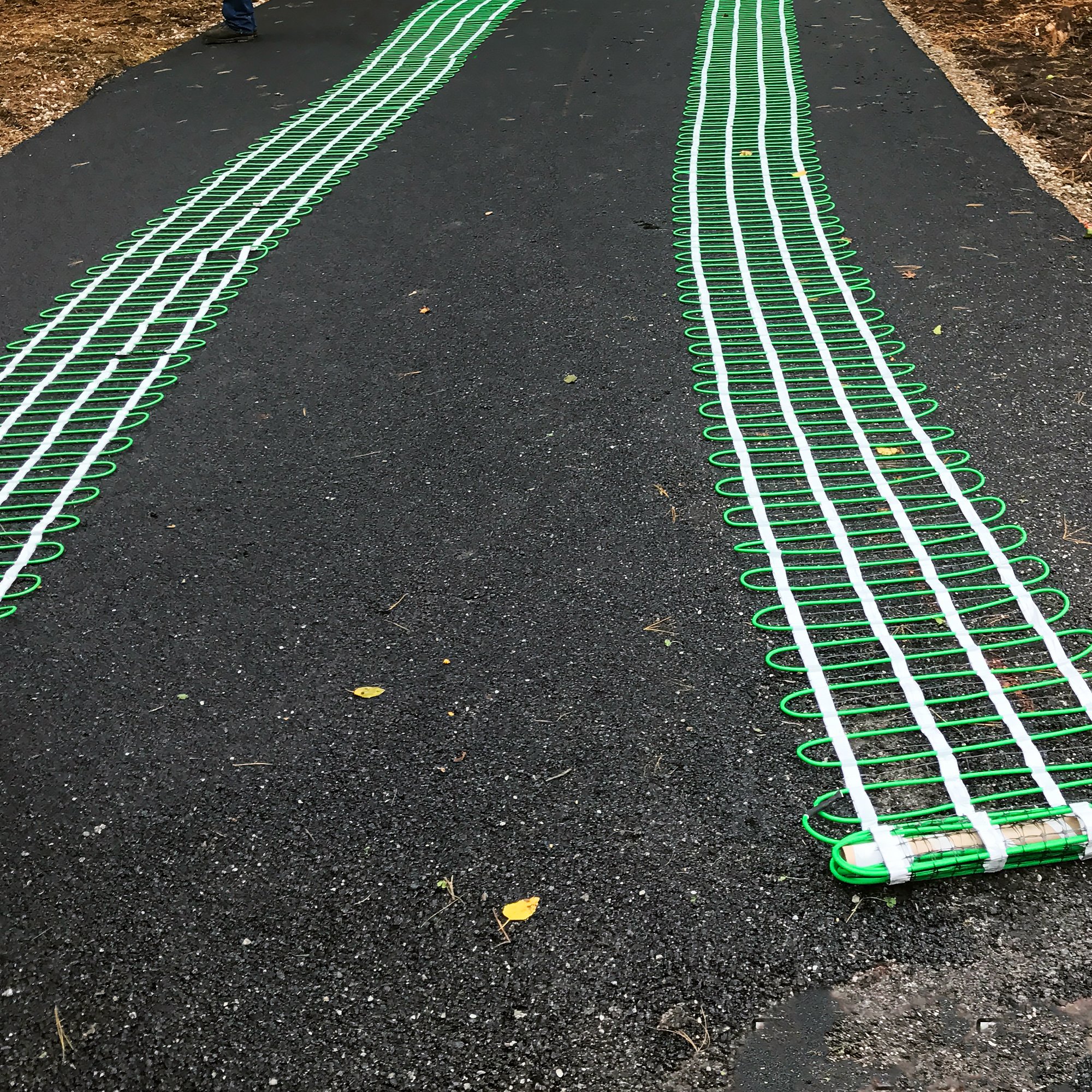
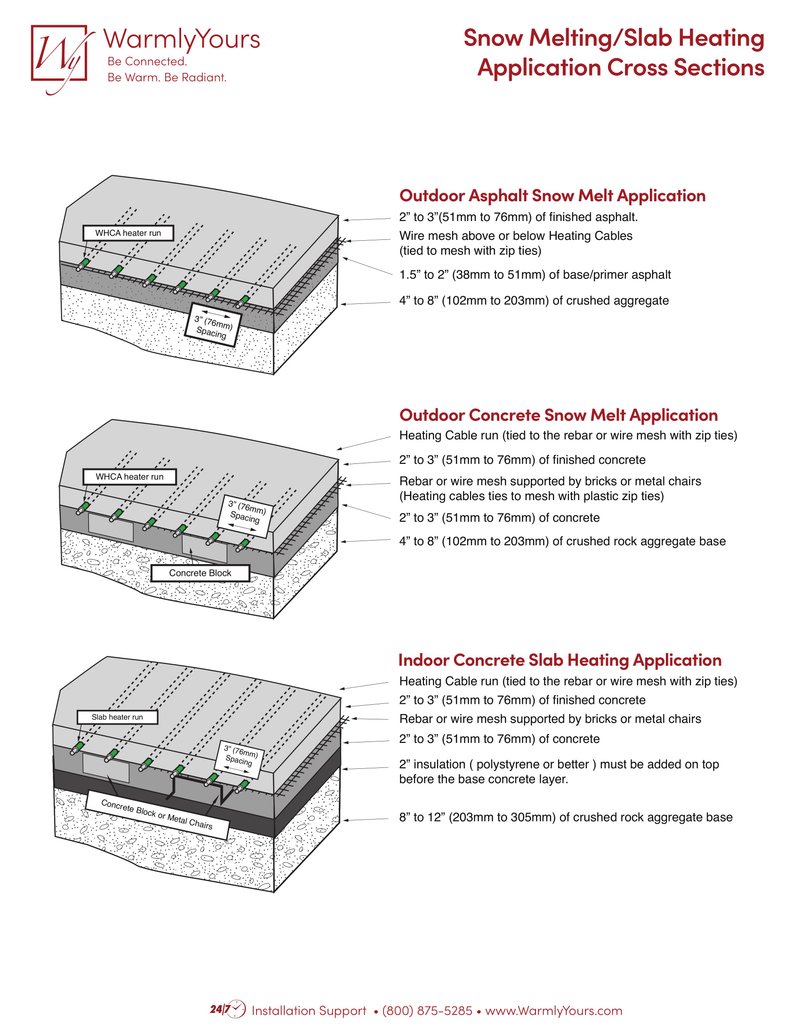
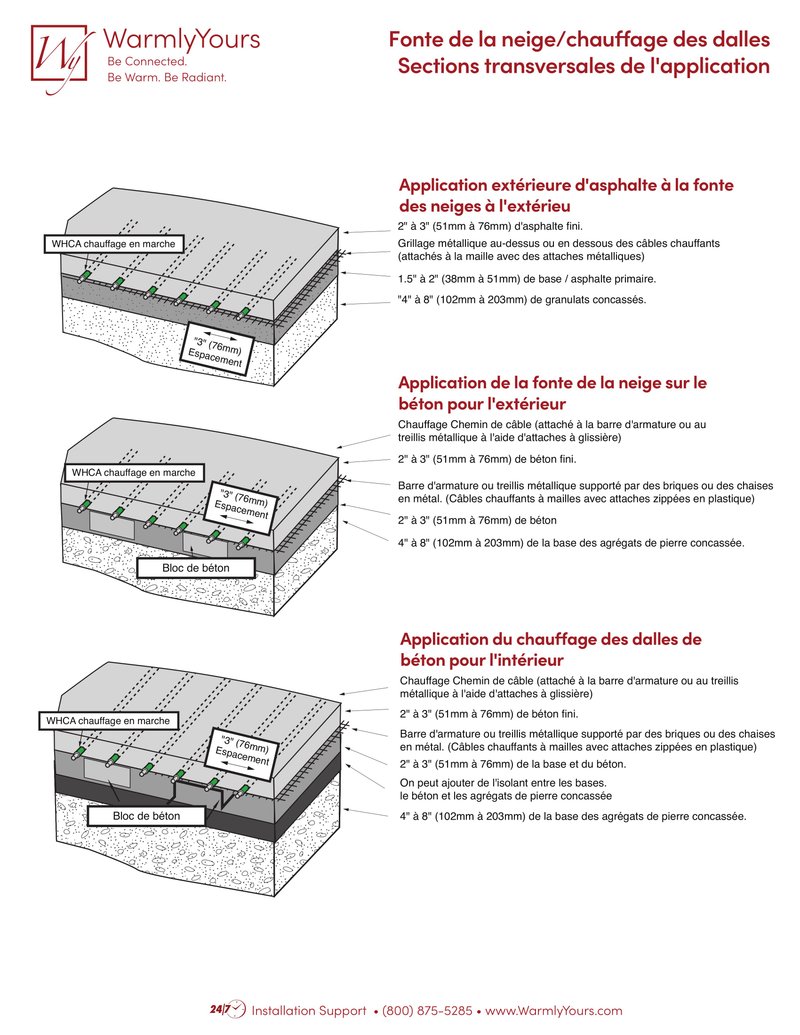
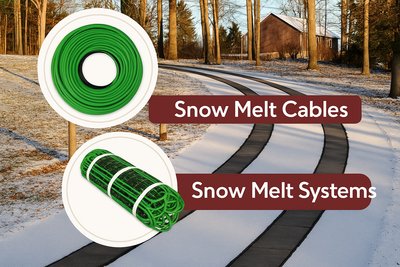
Our driveway heating systems are available as either heated driveway mats or cables, which can be installed in asphalt, concrete, or under pavers in mortar. They're ideal for both residential use and commercial applications, and for any size or shape of heated driveway.
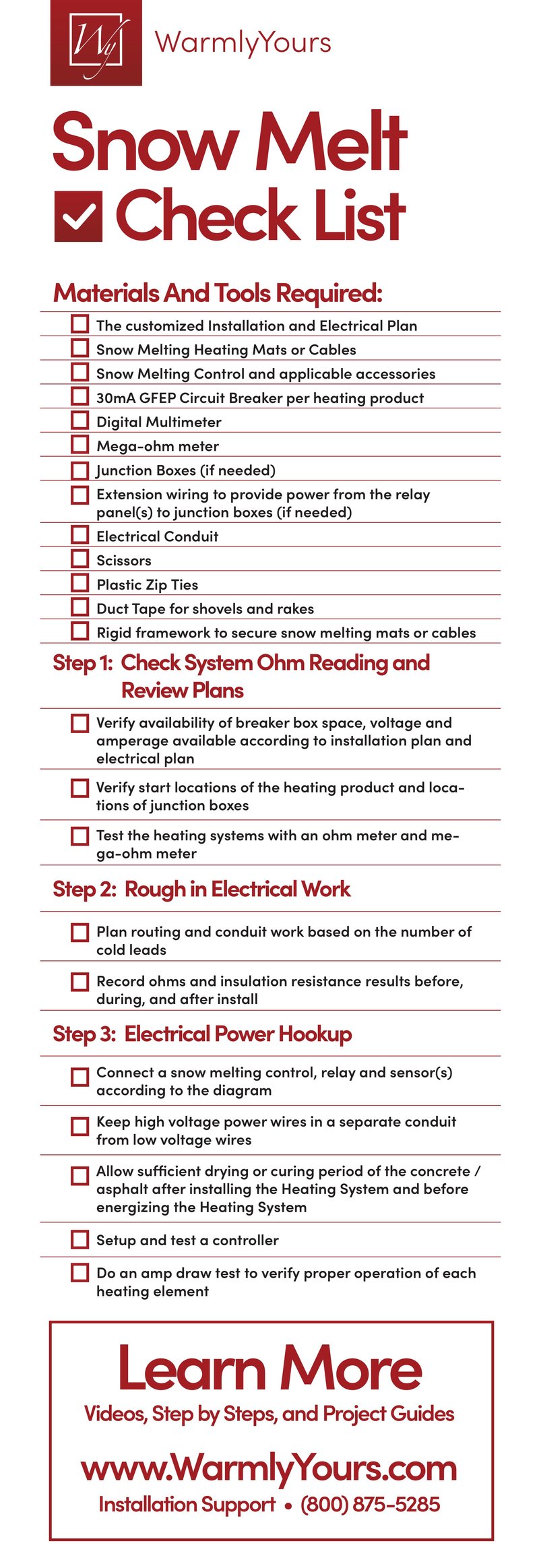
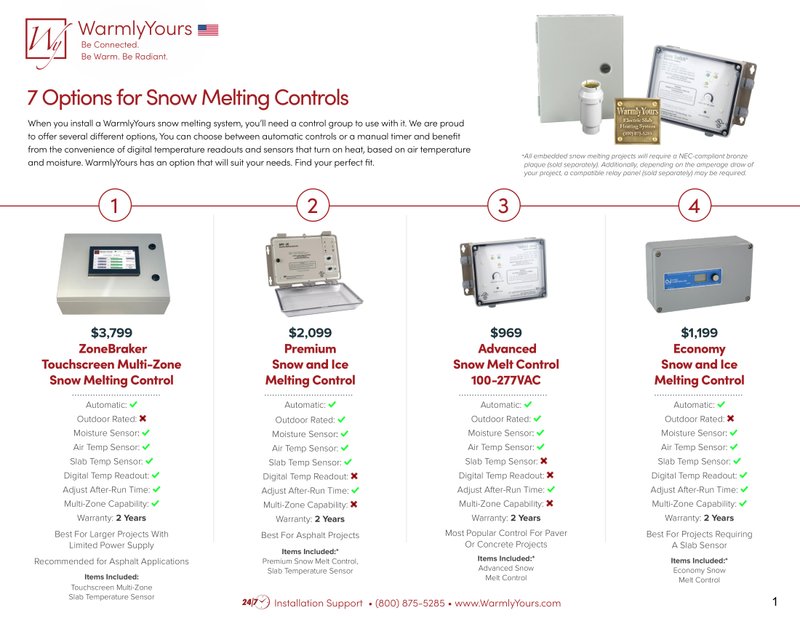
A complete driveway heating system will typically include at least the heating elements (snow melting mats or cables) and a control to sense things like air temperature or moisture on the pavement, but may also require additional components like a relay panel or an identification plaque to mark the location of the heated driveway mats.
A heated driveway typically costs between $2,500 and $20,000 for the complete system, depending on driveway size, coverage type (full vs. tire tracks), and surface material. A typical 6-hour snowfall event costs just $3–$20 to melt—far less than a single snow removal service visit.
| Driveway Size | Coverage | Heated Area | Installation Cost | Operating Cost / Event (6 hrs @ $0.16/kWh) |
Controls |
|---|---|---|---|---|---|
| Small (10ʹ × 20ʹ) | Full | 200 sq.ft. | ~$2,500 | $9.60 | $629–$3,799 |
| Tire Tracks | 80 sq.ft. | ~$1,850 | $3.84 | ||
| Standard (20ʹ × 20ʹ) | Full | 400 sq.ft. | ~$4,750 | $19.20 | $629–$3,799 |
| Tire Tracks | 160 sq.ft. | ~$2,360 | $7.68 | ||
| Large (30ʹ × 20ʹ) | Full | 600 sq.ft. | ~$7,000+ | $28.80 | $629–$3,799 |
| Tire Tracks | 240 sq.ft. | ~$3,500+ | $11.52 |
The installation cost above varies depending on which snow melting product you choose. Here's a quick comparison:
| Product | Cost per sq.ft. | Best for |
|---|---|---|
| Snow Melt PowerMat | ~$15–$25 | Heavy snowfall (60+ in/year) e.g. Buffalo, Syracuse, Rochester |
| Snow Melt OmniMat | ~$12–$20 | Moderate snowfall (30–60 in/year) e.g. Chicago, Boston, Denver |
| Snow Melt Cable | ~$10–$18 | Any snowfall level — ideal for custom layouts, curves, irregular shapes |
For a detailed breakdown by material, installation method, and operating costs, see our complete heated driveway cost guide.


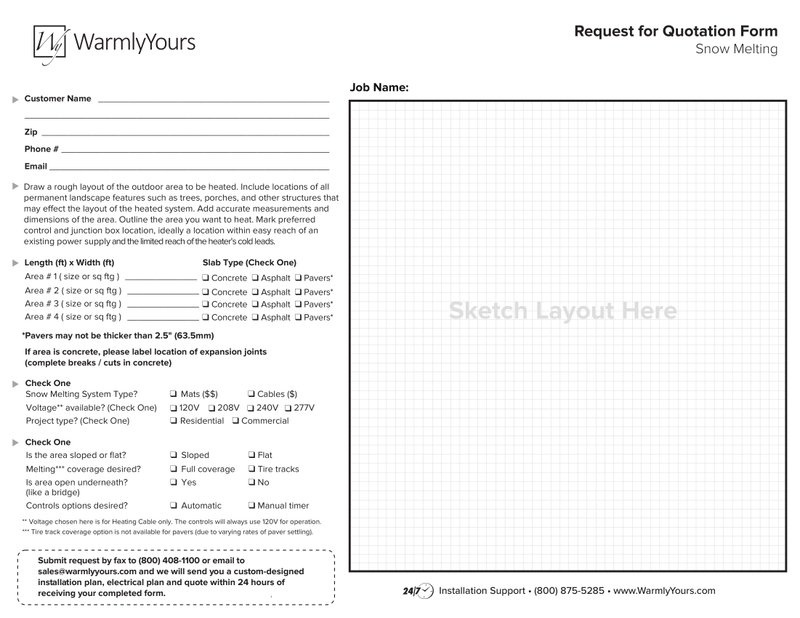
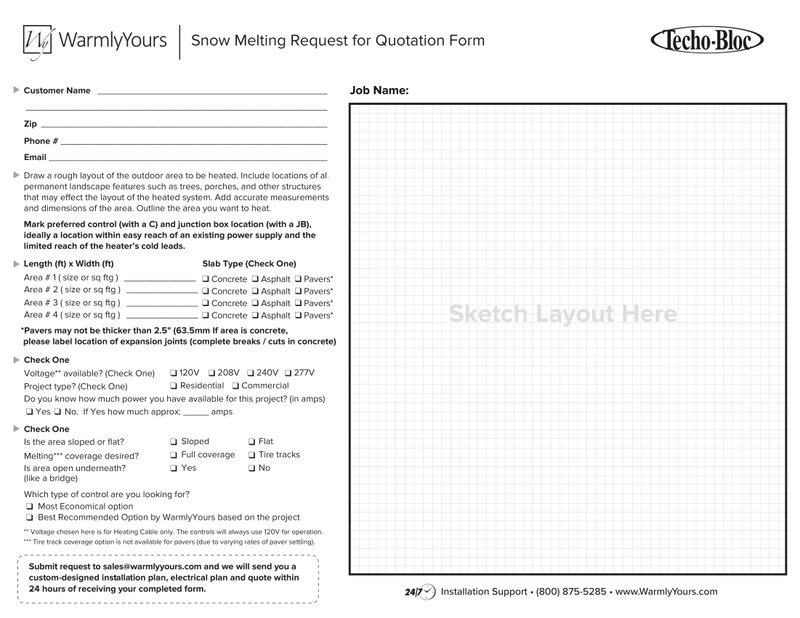
Get a custom installation plan for your driveway in just 1 business day.

"I'll design a custom snow melting layout for your project, complete with cable spacing, electrical requirements, and a full quote."
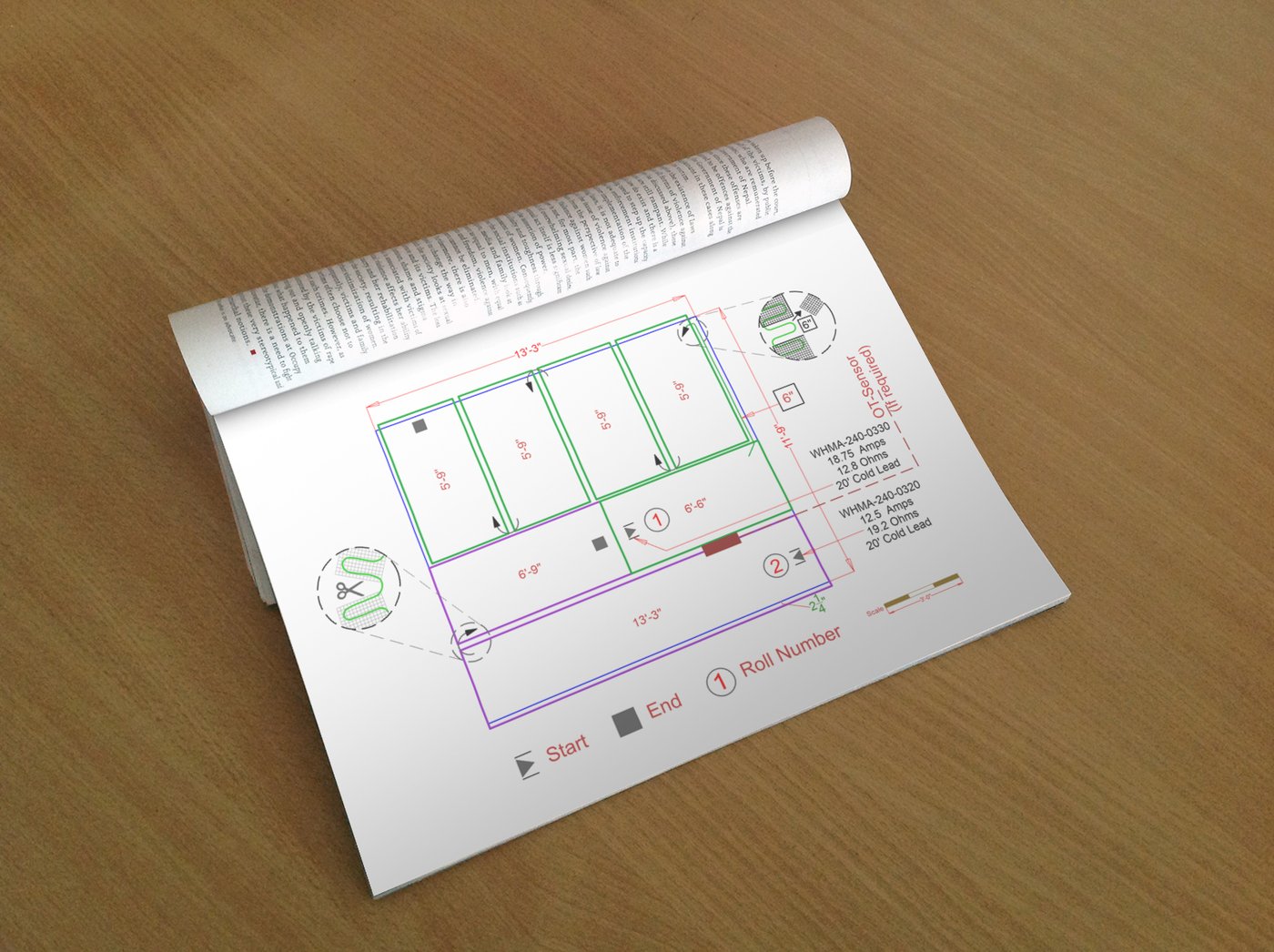
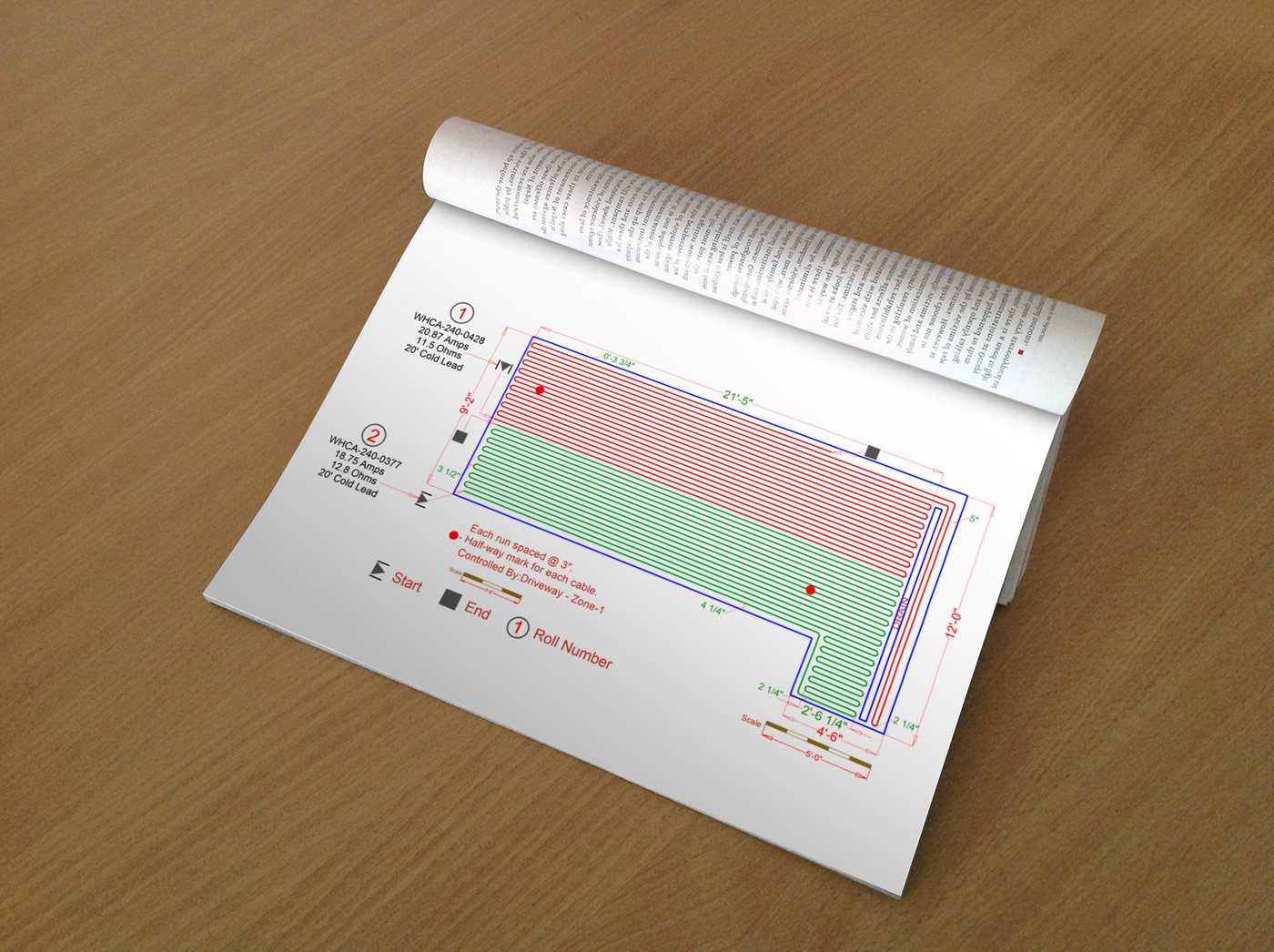
Full coverage is certainly a functional and attractive option, as it means your entire heated driveway will be clear of snow and ice. If you're concerned about the operating cost or the energy demand for full coverage, make sure to consider zoned heating. By using our multi-zone controller for your heated driveway system, you break your project into "zones" which are heated one at a time. The entire surface will still be cleared but you'll cut down significantly on heated driveway costs like the operating cost.
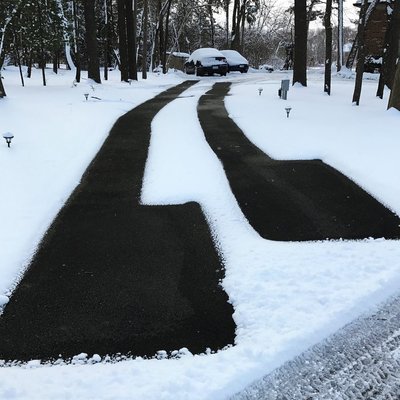
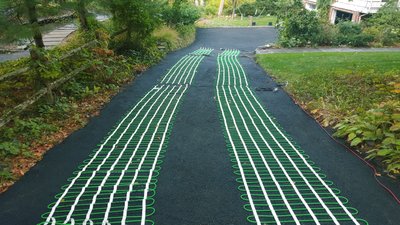
One popular alternative to full coverage is to simply heat tire tracks. This economical option helps users cut down on the cost of a heated driveway in terms of both installation and operation, while still providing great functionality in a functional heated driveway.
This coverage system works by installing two sets of heating elements, typically 2 feet wide and the length of the heated driveway, which will keep the driveway passable, even in the heaviest of snow falls.
Choose from mats for fast installation or cables for maximum flexibility. Not sure which? See our guide on mats vs. cables.
| Feature | Snow Melt PowerMat | Snow Melt OmniMat | Snow Melt Cable |
|---|---|---|---|
| Best for | Heavy snowfall 60+ inches/year |
Moderate snowfall 30–60 inches/year |
Custom layouts Irregular shapes, curves |
| Heat output | ~50 W/sq.ft. | ~39 W/sq.ft. | 12 W/lin.ft. (~50 W/sq.ft. at 3″ spacing) |
| Cable spacing | 3″ (pre‑spaced) | 4″ (pre‑spaced) | 3″ or 4″ (adjustable) |
| Install speed | Fast (cut‑and‑turn) | Fast (cut‑and‑turn) | Moderate (manual layout) |
| Surfaces | Asphalt, concrete, pavers/stone | ||
| Warranty | 10-year limited warranty | ||
You'll also need a snow melting control to automate your system — options range from basic manual controls to WiFi‑enabled sensors that activate automatically based on weather conditions.

Maximum Heat Density for Heavy Snowfall (3" spacing)
Ideal for heavy snowfall regions (60+ inches annually) or high-traffic commercial areas. The 3-inch cable spacing delivers maximum heat density (~50 watts/sq.ft) for the fastest snow melting performance. Best for: Northern climates, steep driveways, loading docks, emergency exits, and areas requiring rapid clearing.
Optimal Performance & Energy Balance (4" spacing)
The versatile choice for moderate snowfall regions (30-60 inches annually). The 4-inch cable spacing provides an optimal balance of melting performance (~39 watts/sq.ft) and energy efficiency. Best for: Most residential driveways, walkways, and patios in typical winter climates.

Maximum Flexibility at a Minimal Cost
WarmlyYours Snow Melt Cables offer a high heat output solution to keep your driveway, walkway, or patio snow-free. Embeddable in concrete, asphalt, or under pavers, these cables provide a flexible and cost-effective alternative to mats. Choose from a variety of voltages and lengths to suit your outdoor heating needs, ensuring safe, dry surfaces all winter long. Benefit from our 10-year warranty and 24/7 customer support for peace of mind.
Snow melting isn't just for new construction—you can add it to a driveway you already have. The installation approach differs significantly, so here's what to expect for each path.
Best when building a new driveway or tearing out an old one
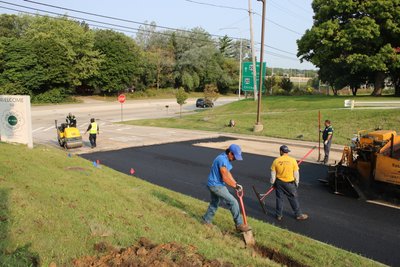
The ideal time to install snow melting is when you're pouring a brand-new surface or doing a full replacement. Heating mats or cables are laid on the base course and paved or poured over—no extra excavation needed.
Already have an asphalt or concrete driveway? You can still add snow melting.
A full replacement isn't required. With a retrofit installation, a contractor saw-cuts narrow grooves into your existing surface, lays heating cables inside, and seals them flush. The result is a heated driveway with minimal disruption to your existing surface.
Not sure which approach is right for you? How to plan for a snow melting system covers eight things to think through before getting a quote. Or request a free SmartPlan and our engineers will design the right layout for your specific situation.
Rated 4.95/5 based on 120 reviews
We take pride in providing both exceptional service and great products. But don't just take our word for it, check out what some of our customers have had to say.
Check out these videos to learn more about our snow melting systems and installation processes.


 Julia
Feb 25, 2026
Julia
Feb 25, 2026
 Julia
Feb 25, 2026
Julia
Feb 25, 2026
 Julia
Mar 23, 2026
Julia
Mar 23, 2026
 Olivia
Feb 05, 2026
Olivia
Feb 05, 2026
 Stephanie
Jun 21, 2018
Stephanie
Jun 21, 2018
 Stephanie
Mar 17, 2026
Stephanie
Mar 17, 2026
 Victoria
Feb 25, 2026
Victoria
Feb 25, 2026
 Victoria
Feb 25, 2026
Victoria
Feb 25, 2026
 Stephanie
Mar 19, 2026
Stephanie
Mar 19, 2026
 Victoria
Feb 25, 2026
Victoria
Feb 25, 2026