
In This Article
Heating your home efficiently can save money, improve comfort, and reduce long-term energy costs, making system choice a critical decision.
During the recent winter season, many regions experienced temperatures plummeting 10 to 35 degrees below average, underscoring the critical importance of efficient home heating systems. According to the U.S. Department of Energy, space heating constitutes approximately 45% of energy bills in American households, making it the largest home energy expense.
Selecting the most cost-effective heating system for your home involves evaluating factors such as budget, local fuel availability, and personal preferences. Common heating fuels include oil, natural gas, electricity, propane, and wood. Beyond choosing a fuel source, it's essential to consider the method of heat distribution throughout your home.
Two prevalent options are forced air heating systems and underfloor heating systems. In this guide, we’ll compare them through the lens of comfort, air quality, noise, and real-world efficiency—so you can choose the system that feels best in your home.
What is Forced Air Heating?
Forced air heating is one of the most common systems in U.S. homes, using furnaces and ductwork to distribute warm air throughout the house.
A forced air heating system simply refers to units that use air blowers to carry warmth throughout a space. Homes with central heating and built-in duct work often use this system. The furnace is typically located in the center of the home or in the basement. Common forced heating models burn natural gas to produce a flame that heats the air, which is then distributed throughout the house. You can purchase electric furnaces as well.
How Forced Air Systems Work
Forced air heating relies on ductwork to warm a home, using a supply plenum and ventilation system similar to central air conditioning. The system typically includes a furnace or heat pump, supply plenum, ductwork, heat registers, and return vents, all controlled by a single thermostat. By pushing warm air through ducts and vents, these systems can eliminate cold spots and enhance overall comfort levels throughout your home.
Like any heating system, forced air has distinct advantages and disadvantages that homeowners should consider.
Pros of Forced Air Systems
- Only HVAC system that heats and cools
- Air filter improves air quality when replaced regularly
- Central forced air heating systems move air about the house to promote circulation
- Fast heating and natural dehumidification
Cons of Forced Air Systems
- Prone to air leakage, reducing efficiency
- Temperature swings—hot blasts followed by cool periods between cycles
- Blowing air stirs up allergens within home
- Noisy operation
- Subject to parasitic heat loss
- Air quality vulnerability without proper maintenance
- Regular filter replacements and ductwork cleaning required
Why Forced Air Systems Lose Efficiency
Perhaps the most substantive downside to forced air heating systems is heat loss, as they are subject to parasitic heat loss. According to bobvila.com, "Because the air from the furnace and air handler has to travel through a series of tubes to get to its intended room, there are many opportunities for it to leak wherever there are small openings in the ducts," describes Michael Franco in "Which Is Better, Forced Air or Radiant Heat?" where he continues "Also, the ducts for this type of system often travel through cold attics or basements, increasing the chance that heat will be lost as the warm air travels to the rooms in your home."
Heat rises, so with forced air heating, it leaves the basement and floors cold in the house. If you need to have your basement warm for the weekend, or just your bedroom cozy at night, you need to run the furnace and heat the whole house. If your home does not have air ducts, you need to have them installed to use a forced air system or central heating system. Installing the components for a split system can also be costly and maintenance can be just as bad if you have to replace something like a condensing coil in any of your air conditioning units. And finally, transferring heat through the air isn't as energy efficient as other options.
Beyond the energy impact, these duct and cycle losses show up as comfort issues you can feel—cooler floors, drafts, and rooms that never quite feel evenly warm.
What is Radiant Heating?
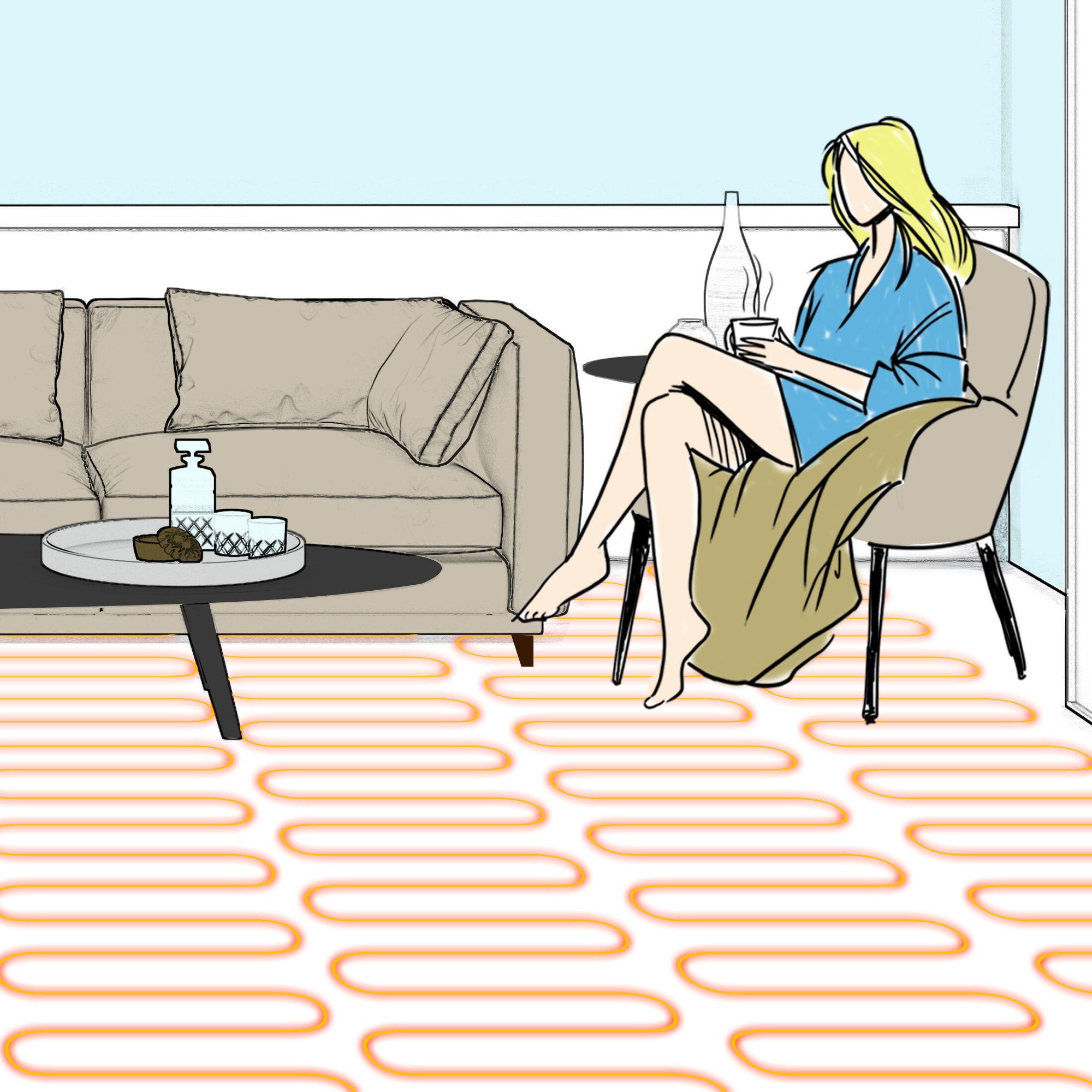
Radiant floor heating warms a surface directly by relying on touch to transfer energy. The heat is produced by electricity, hot water or air that makes direct contact with the surface on which you choose to install your system. That heat is then transferred to people and objects in the room via infrared radiation (a completely safe form of radiation). In most cases, these systems are installed beneath flooring (although there are a few other radiant options like baseboard heaters).
How Radiant Heating Works
Unlike forced air systems that heat and circulate air, radiant heating provides direct heat transfer through infrared radiation. This method eliminates the inefficient heat loss created by rising air, as warmth radiates directly from the heated surface to people and objects in the room. The result is consistent, comfortable temperatures without the air movement that can distribute allergens throughout your home.
Radiant Heating: Pros and Cons
Radiant heating systems offer unique advantages that make them increasingly popular for both new construction and remodeling projects. However, like any heating solution, they also have limitations that homeowners should understand before making a decision. Here's a comprehensive look at what makes radiant heating special:
Pros of Radiant Heating
- Delivers even, floor-to-ceiling warmth—no drafts or cold spots
- Comfort you can feel underfoot, especially in bathrooms and bedrooms
- Adds supplemental heat to cooler rooms
- Does not distribute allergens into room
- Ideal for remodeling projects
- Quiet operation
- Energy efficient
- Eliminates inefficient heat loss created by rising heat
- Room-by-room temperature control with programmable thermostats
Cons of Radiant Heating
- Can be expensive for whole-house heating
- Only provides heat – not air conditioning
- Installation beneath floor makes repairs more challenging
Why Radiant Heating is More Efficient
Radiant heat (as opposed to forced air) eliminates the inefficient heat loss created by rising heat, as warmth is not distributed through the air. These systems are allergy-friendly, while forced air pushes allergens throughout the house.
"In the radiant floor versus forced-air heating debate, radiant floor always wins because it provides a quiet, even heat and eliminates the allergy problems often associated with heating ducts," Franco said in the Bob Vila article. "But there's another reason why radiant floor heating is superior to its blowy cousin — it's simply more efficient."
You can adjust the heat level for individual rooms to the level that you want with a programmable thermostat. Not only does this allow you to have the ability to customize your comfort room-by-room, but it also translates into significant energy savings. After all, there's no need to heat the basement all day long if you are not using it.
However, radiant heating is installed beneath the floor, making it harder to access for repairs or maintenance. However, electric floor heating requires almost no maintenance and with the troubleshooting tools and expertise available from WarmlyYours, the repair process isn't nearly as daunting as it once was.
Radiant Heat vs. Forced Air: Comfort & Efficiency Comparison
When choosing a heating system, cost is only part of the equation. The real difference between radiant and forced air lies in the quality of the heat and how efficiently it keeps your home comfortable.
Comfort Levels
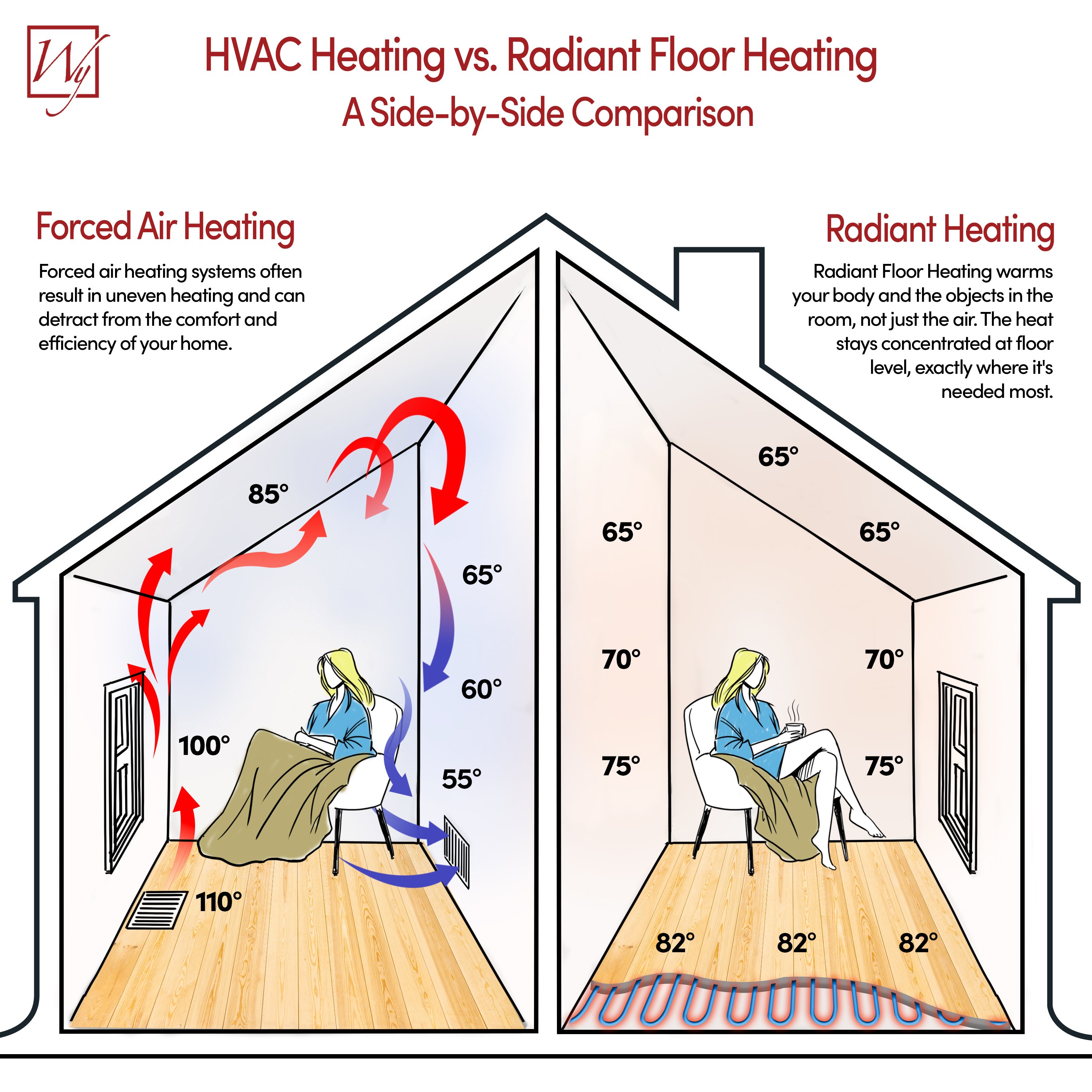
Radiant heating delivers warmth from the floor up, creating a consistent, even temperature throughout the room. With no air blowing, there are no drafts or cold spots—just steady, gentle heat. Forced air tends to cycle on and off, leading to noticeable temperature swings: hot bursts of air followed by cooling as the system rests.
Air Quality
Because radiant systems don’t move air, they don’t stir up dust, allergens, or dry air—ideal for households with allergy or asthma concerns. Forced air relies on ductwork that can collect and distribute dust, and it requires regular filter changes to maintain air quality.
Noise & Lifestyle
Radiant heating operates silently—no furnace hum or vent noise. Forced air systems are harder to ignore: the whoosh of air, the rumble of the furnace, and constant cycling can be disruptive.
Control & Efficiency
Radiant heating allows room-by-room temperature control with programmable thermostats, so you only heat the spaces you’re actually using. Forced air usually relies on a single thermostat, meaning the whole house heats even if you only want one room warm. Radiant’s targeted heating also avoids the wasted energy of pushing warm air through ducts, where leaks and heat loss are common.
| Feature | Radiant Heating | Forced Air Heating |
|---|---|---|
| Comfort | Even warmth from the floor up | Hot/cold cycles; uneven distribution |
| Air Quality | No blown dust or allergens | Circulates dust; needs filter upkeep |
| Noise | Silent operation | Blower/furnace noise & cycling |
| Control | Room-by-room thermostats | Single thermostat for whole house |
| Energy Waste | Targeted heating; no ducts | Duct losses; heats unused rooms |
Want Comfort Tailored to Your Rooms?
Bottom line: radiant delivers steady, even warmth with cleaner, quieter operation, while forced air can feel drafty and cyclical. Want to see how radiant would perform in your own home? Try our free Heat Loss Calculator to check if radiant can be your primary heat source, or estimate usage with the Operating Cost Calculator.
Which Heating System is Better for Your Home?
The best system depends on your home’s design, heating needs, and whether you prioritize efficiency, flexibility, or whole-house coverage.
This type of topic—radiant heat vs forced air—can be broken down in any number of ways like "floor heating vs central" or "baseboard heating vs forced air", but it all boils down to this: Although forced air heating systems are a common method for heating a home, continuing developments in radiant heat systems continue to make this a more popular option because they're typically more efficient and cost effective than forced air.
When to Choose Radiant Heating
- Remodeling projects
- Rooms with cold floors
- Homes where quiet operation is important
- For allergy sufferers
- When energy efficiency is a priority
- For supplemental heating in specific areas
When to Choose Forced Air
- New construction requiring both heating and cooling
- Whole-house heating solutions
- Homes with existing ductwork
- When air filtration is important
Frequently Asked Questions
Here are some common questions homeowners ask when comparing underfloor heating and forced air systems.
Is radiant floor heating more efficient than forced air?
Yes, radiant floor heating is typically more efficient than forced air because it eliminates heat loss through ductwork and provides direct heat transfer without moving air around.
Can radiant floor heating be a primary heat source?
Radiant floor heating can serve as a primary heat source in many applications. Use the free WarmlyYours Heat Loss Calculator tool to determine if it's suitable for your specific room or project.
How much does radiant floor heating cost to operate?
Operating costs vary by location and usage, but radiant heating is generally more cost-effective than forced air. Use our Operating Cost Calculator to estimate costs in your area.
Does radiant floor heating work with all flooring types?
Electric floor heating systems work with tile, carpet, hardwood, vinyl, and most other flooring materials.
Is radiant floor heating healthier than forced air?
Often, yes. Radiant systems don’t move air, so they don’t distribute dust or allergens through ducts. Many homeowners with allergies prefer radiant for its cleaner, quieter operation.
Will radiant heating make my floors feel warm?
Yes. Radiant warms surfaces directly, so floors feel comfortably warm underfoot while the whole room maintains an even temperature without drafts.
Conclusion
Both radiant floor heating and forced air can heat a home, but radiant’s quiet, even warmth, cleaner air, and room-by-room control make day-to-day comfort its standout advantage.
Ready to experience the difference? Get an Instant Quote, check real-world costs with the Operating Cost Calculator, or connect anytime with a WarmlyYours expert.
Learn more about the types of radiant floor heating products like electric floor heating systems!
Have Questions About Your Project?
Our team of Radiant Experts is ready to help!
Related Articles



Stay Updated
Get the latest radiant heating news and tips delivered to your inbox.
Comments