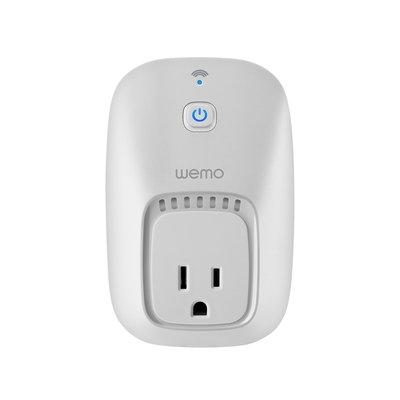
WeMo® Wi-Fi Enabled Plug-in Switch (CO-SW-WFR-WM)
This support page provides publications, manuals, specifications, videos, support articles, and common support questions
Support Questions
Showing all 3 questions
A GFCI/GFEP (Ground Fault Circuit Interrupter / Ground Fault Equipment Protection) works differently than a circuit breaker by specifically detecting a small imbalance in electrical current between the hot and neutral wires, which indicates a potential ground fault (like a person touching a live wire), and instantly shutting off the power to prevent shock, while a circuit breaker only trips when there's a significant overload in current flow on the circuit, like a short circuit or too many appliances plugged in.
No, a circuit breaker will NOT protect against a power surge; a circuit breakers primary function is to protect against excessive current flow (overload), while a surge protector is specifically designed to handle voltage spikes, which are what power surges are considered to be.
GFCI can fail for various reasons, such as wear and tear, moisture, corrosion, power surges, faulty wiring, or improper installation. Some of these causes can be prevented by regular inspection and maintenance, while others may require professional assistance. It is important to note that GFCI devices (ex. thermostat, breakers, outlets) should be tested regularly as these do wear out over time.
Documents
Sell Sheets
- Comparison Chart for Timers and Switches for Towel Warmers or Infrared Heating Panels (English)
- Ember Glass Infrared Heating Panel Sell Sheet USA (English)
Operation Manuals
Wiring Diagrams
Specifications
Electrical
| Connection Method | Plug-in |
| Maximum Current | 15 A |
| Maximum Load (Resistive Only) | 15Amp |
| Voltage | 120 V |
Identifiers
| Ground Fault Protection (GFCI) | No |
| SKU | CO-SW-WFR-WM |
| UPC (GTIN-12) | 881308040536 |
Thermostat
| Has Floor Sensor | n |
Product Dimensions
| Weight | 0.6 lbs |
Videos
Similar Items
Do you need support or specifications for a specific model? Identify your model below.