
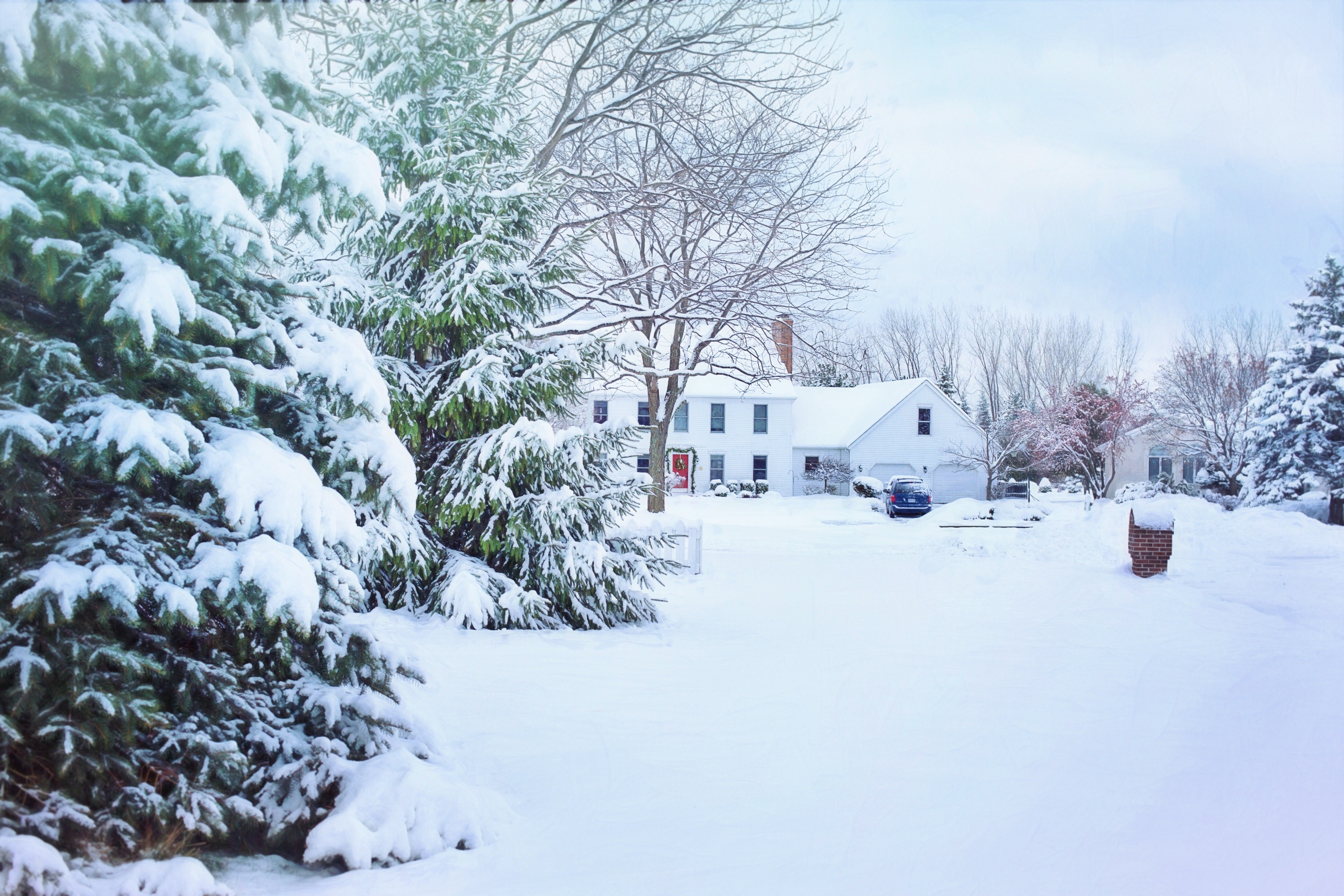
Yes, electric radiant floor heat can serve as the primary heating source in cold climates, provided the system is correctly sized and the home is well-insulated. While many homeowners use radiant heat for supplemental comfort, real-world data proves it can maintain a cozy 70°F even when outside temperatures drop well below zero.
Quick Facts: Radiant Heat in Cold Climates
- Primary Heat Source: Yes, electric radiant floor heat can serve as the primary heating source in cold climates if the system is correctly sized and the home is well-insulated.
- Extreme Performance: Real-world data from a Chicago-area home shows the system maintained a consistent 70°F indoors even when outdoor temperatures dropped to -8.5°F.
- Floor Temperature: To provide optimal comfort in extreme cold, radiant systems typically maintain floor surface temperatures between 80°F and 85°F.
- Installation Cost: Most electric floor heating systems cost between $8 and $12 per square foot for the heating elements and controls.
- Thermal Lag: Radiant systems have a thermal lag of 12–24 hours; for maximum efficiency in cold climates, it is best to maintain a steady temperature rather than using deep setbacks.
- Efficiency: Radiant heat is 100% efficient at the point of use, as there is no heat loss through ductwork or air infiltration.
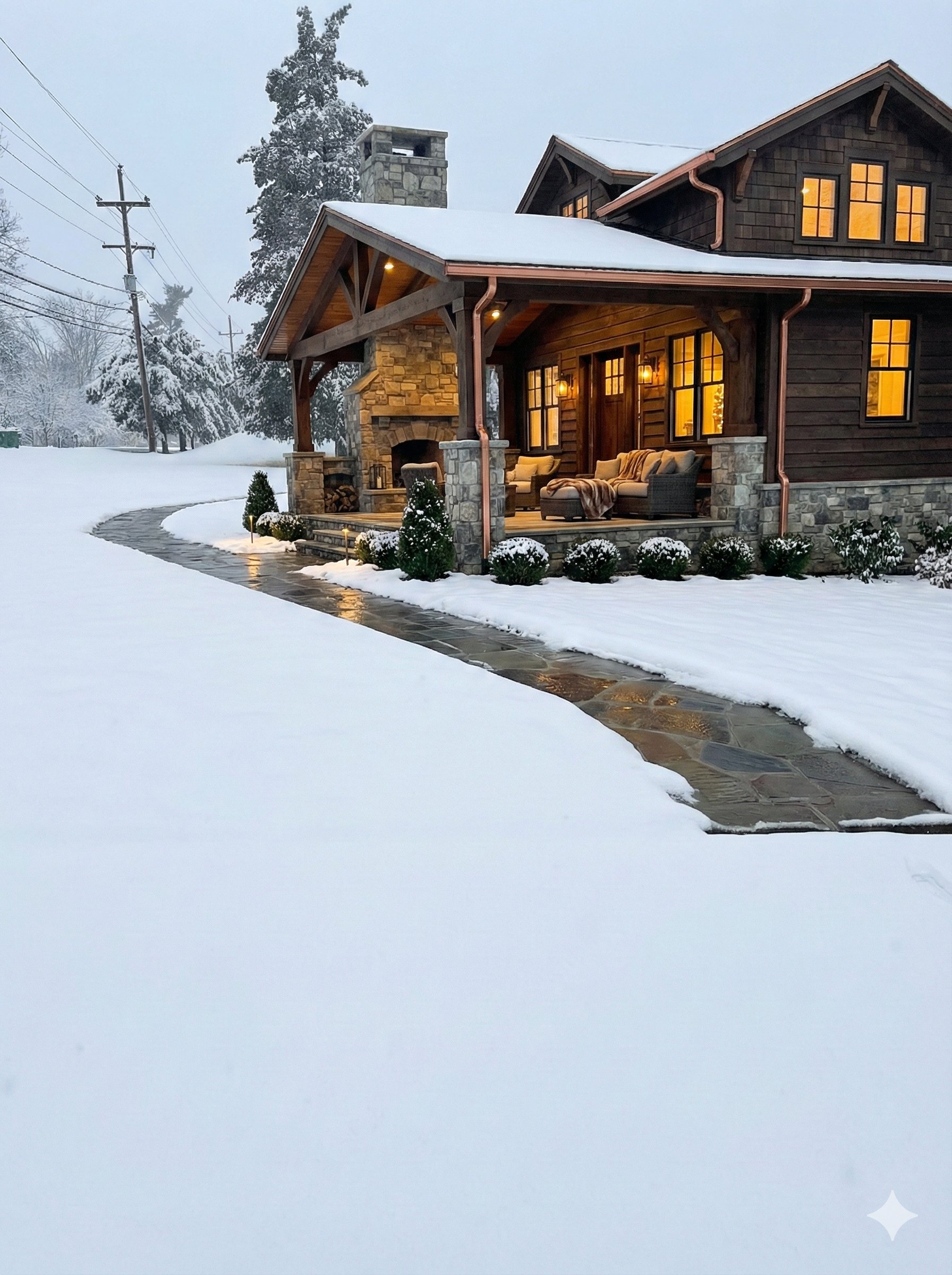
Radiant Comfort on the Coldest Days
To test the limits of radiant heating, we monitored a suburban Chicago home in Kildeer, IL, during a particularly brutal January week. This home relies on electric floor heating as its primary heat source, utilizing TempZone™ under tile and Environ™ under carpet and laminate. Despite the "icy clutches" of a Midwestern winter, the system maintained consistent indoor temperatures.
Real-World Performance Data (Kildeer, IL)
| Date | Avg. Outside Temp (°F) | Indoor Temp Maintained (°F) | System Status |
|---|---|---|---|
| January 6 | -8.5°F | 68°F - 70°F | Primary Source |
| January 7 | -4.5°F | 68°F - 70°F | Primary Source |
| January 8 | 4.0°F | 70°F | Primary Source |
| January 9 | 9.5°F | 70°F | Primary Source |
As shown in the data, even when the mercury dipped to nearly -9°F, the radiant system had no trouble keeping the living spaces at a comfortable 68°F to 70°F. This performance is typical for systems that have been properly vetted using a heat loss calculator.
What Temperature Does Radiant Floor Heating Reach?
Most electric floor heating systems are designed to reach a floor surface temperature of 80°F to 85°F. This is the "sweet spot" for human comfort, as it is warm enough to heat the room through radiation but not too hot to walk on. In extreme cold, the system works harder to maintain this surface temperature against the heat loss of the room. For those living in tiny houses or homes with pets, this consistent, low-level heat is often more efficient than the "blast and fade" cycle of forced-air furnaces.
Adjusting Radiant Floor Heating for Extreme Cold
When a extreme cold snap is forecasted, there are a few ways to ensure your system keeps up:
- Increase the Set Point Early: Radiant systems have a thermal lag. If you know a deep freeze is coming, bump your thermostat up a few degrees 12-24 hours in advance.
- Check Your Insulation: Heat follows the path of least resistance. Ensure your windows and doors are sealed to prevent the radiant energy from escaping.
- Use Smart Controls: Modern thermostats can "learn" how long it takes to heat your room and adjust their start times based on the outside temperature.
Understanding Your Heating Needs
Before installing radiant heat as a primary source, it is critical to perform a heat loss calculation. This ensures the system can produce more BTUs than the room loses to the outside environment. Electric floor heating typically costs between $8 and $12 per square foot for the heating elements, making it a cost-effective solution for many renovations.
How to Calculate Your Heat Loss
- Visit the WarmlyYours Heat Loss Calculator.
- Enter your room dimensions and ceiling height.
- Input your local "design temperature" (the average coldest day in your area).
- Specify your insulation levels (R-values) for walls, floors, and ceilings.
- Review the report to see if radiant heat can meet 100% of your needs.
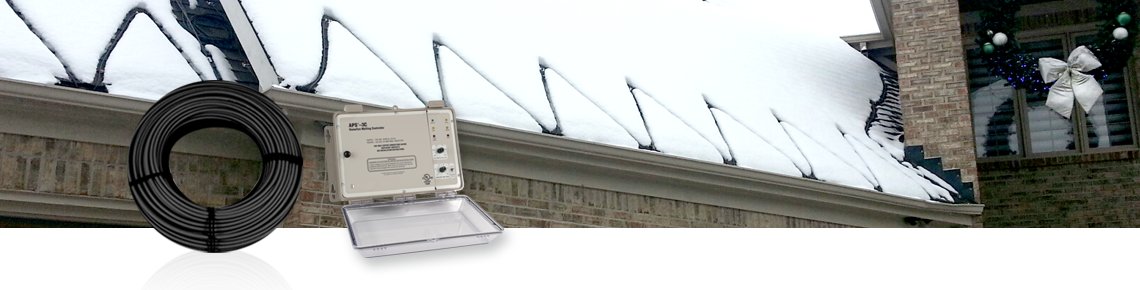
Don't forget the exterior of your home! Roof and gutter deicing systems are essential in these same extreme climates to prevent ice dams and structural damage.
Take Control of Your Home's Comfort
Ready to see if radiant heat can handle your local climate? Use our professional tools to plan your project with confidence.
- Heat Loss Calculator: Determine if radiant heat can be your primary source.
- Quote Builder: Get a detailed price estimate in minutes.
- Expert Support: Call us at (800) 875-5285 for a free technical consultation.
Frequently Asked Questions
Yes, electric radiant floor heating can maintain a cozy 70°F even when outside temperatures drop well below zero. By heating the objects and people in a room directly, a properly sized and insulated system provides reliable, consistent warmth that outperforms traditional forced-air systems during extreme Midwestern winters.
For maximum barefoot comfort, most systems are designed to reach a floor surface temperature of 80°F to 85°F. This "sweet spot" ensures your room stays warm through efficient radiation while keeping the floor perfectly comfortable to walk on, even during the coldest months of the year.
Because radiant systems have a thermal lag, you should increase your thermostat set point 12-24 hours before an extreme cold snap arrives. This proactive adjustment, combined with ensuring your home is well-insulated, helps your system maintain a steady, comfortable temperature without struggling to catch up.
A heat loss calculation is essential to ensure your radiant system produces more BTUs than your room loses to the outside environment. This professional assessment guarantees your system has the necessary power to serve as your primary heat source, providing peace of mind during record-breaking cold.
Radiant heating is often more efficient because it eliminates the "blast and fade" cycles and noisy ductwork of forced-air furnaces. By providing steady, low-level heat that doesn't escape to the ceiling, it creates a more consistent "barefoot sanctuary" while potentially reducing your overall energy consumption.
For more real-world examples, explore our related stories on solving cold kitchen floors in Boston or pre-winter fixes for your home. You can also find more tips for staying cozy this winter on our blog.
Have Questions About Your Project?
Our team of Radiant Experts is ready to help!

Related Articles

Radiant Floor Heating In A Boston House With A Cold Kitchen Floor

Use These 11 Key Pre-Winter Fixes to Radiantly Heat & Shield Your Home
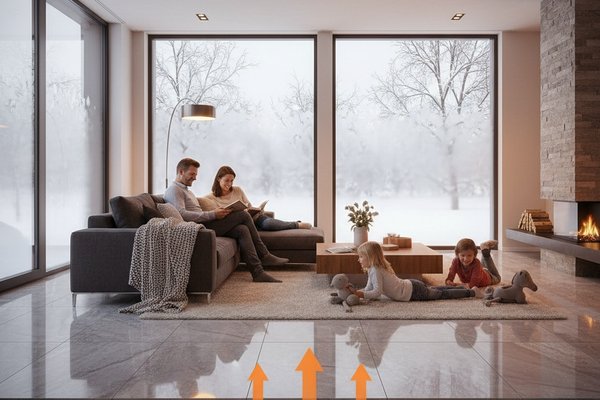
Four Tips For Retaining Heat And Staying Cozy This Winter
Share Your Story: Radiant Heat Stands up to Polar Vortex
Stay Updated
Get the latest radiant heating news and tips delivered to your inbox.