
Why Winter is TOO LATE for this Roof Hack 🥶
Prevent Winter Roof Ice Dams with Roof Deicing Cables
Learn why planning roof and gutter heat tape before freezing weather can make installation and winter preparation easier.
Choose a safe work window that meets the product’s installation-temperature requirements. Existing ice dams require professional assessment; the season alone does not determine whether installation is possible.
Transcript
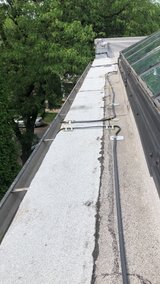
This is a roof deicing cable, and this is what keeps your roof ice dam-free all winter long. But here's the catch: you can't install it on ice that's already formed. This isn't a flamethrower for 10-inch ice blocks in January; it's a prevention tool.
Once it's installed, it keeps drainage channels open so melting snow runs off before it can refreeze into a dam. Early fall is installation time. Miss that window and you're stuck waiting until next season. Get your cable installed now before the freeze and thank yourself in January.
Voici un câble de dégivrage de toit, et c'est ce qui garde votre toit sans accumulation de glace tout l'hiver. Mais voici le hic : vous ne pouvez pas l'installer sur de la glace déjà formée. Ce n'est pas un lance-flammes pour des blocs de glace de 25 cm en janvier ; c'est un outil de prévention.
Une fois installé, il maintient les canaux de drainage ouverts pour que la neige fondue s'écoule avant de pouvoir regeler en barrage de glace. Le début de l'automne, c'est le moment de l'installation. Manquez cette fenêtre et vous devrez attendre jusqu'à la prochaine saison. Faites installer votre câble maintenant avant le gel et vous vous en féliciterez en janvier.
Este es un cable para descongelar techos, y es lo que mantiene tu techo libre de represas de hielo durante todo el invierno. Pero aquí está el detalle: no puedes instalarlo sobre hielo que ya se haya formado. Esto no es un lanzallamas para bloques de hielo de 25 centímetros en enero; es una herramienta de prevención.
Una vez instalado, mantiene los canales de drenaje abiertos para que la nieve derretida escurra antes de que pueda volver a congelarse y formar una represa. El inicio del otoño es el momento de instalación. Si pierdes esa ventana, tendrás que esperar hasta la siguiente temporada. Instala tu cable ahora antes de que llegue el frío y te lo agradecerás en enero.
To jest kabel do odladzania dachu i to właśnie on chroni Twój dach przed zatorami lodowymi przez całą zimę. Jest jednak pewien haczyk: nie można go instalować na lodzie, który już się utworzył. To nie jest miotacz ognia do dziesięciocalowych bloków lodu w styczniu – to narzędzie zapobiegawcze.
Po zainstalowaniu utrzymuje otwarte kanały odpływowe, dzięki czemu topniejący śnieg spływa, zanim zdąży ponownie zamarznąć i utworzyć zator. Wczesna jesień to czas instalacji. Przegap to okno, a będziesz musiał czekać do następnego sezonu. Zainstaluj kabel teraz, przed mrozami, i podziękuj sobie w styczniu.
Related Resources
-

PDF · ICE-SHIELD-DIY-ROOF-AND-GUTTER-DEICING-KIT-QUICK-INSTALLATION-CHECKLIST-A
Ice Shield: DIY Roof and Gutter Deicing Kit — Quick Installation Checklist (English)
-

PDF · ROOF-AND-GUTTER-CABLE-INSTALL-MANUAL-A
Roof And Gutter Cable Installation Manual (English)
Roof and Gutter Install Manual
-

PDF · ICE-SHIELD-ROOF-AND-GUTTER-CONSTANT-WATTAGE-KITS-INSTALLATION-MANUAL-A
ICE Shield Plug-In Heat Tape Kits for Roofs & Gutters Installation Manual (English)
Roof cable DIY kits (English+French) Installation manual
-
Video
Avoid This Costly Winter Prep Mistake on Your Metal Roof 🏠
Thinking of adding deicing cable to a ribbed metal roof? Discover why WarmlyYours advises against it and how to protect your home this winter.
-
Project
Protect Your Chicago Home from Costly Ice Dams
A SmartInstall™ Roof & Gutter Deicing System for Asphalt Roofs

Related Questions
Showing all 3 questions
WarmlyYours does not recommend installing de-icing cable to remove existing ice dams or heavy snow accumulation. These systems are designed for prevention—maintaining open drainage pathways for meltwater before freezing occurs. Installing heating cables over pre-existing ice blocks is dangerous, inefficient, and will not clear the roof effectively. For best results, install your de-icing system in early fall before freezing weather begins.
De-icing cable is not meant to clear the whole roof. It creates drainage channels through ice at the eaves, in valleys, and inside gutters and downspouts, so meltwater escapes instead of backing up under shingles. That is what prevents ice dams and the leaks and gutter damage they cause.
Yes, you can install roof heating cables yourself if you have electrical knowledge and are comfortable working on a roof, but professional installation is recommended for safety and warranty compliance.DIY installation requirements:
- Electrical skills (120V or 240V wiring, GFCI protection)
- Roof safety equipment (harness, ladder, non-slip footwear)
- Tools (drill, cable clips, wire cutters, multimeter)
- Time commitment (4–8 hours for typical home)
DIY installation steps:
- Measure roof (calculate cable length needed)
- Plan cable layout (zigzag pattern along roof edge, through gutters/downspouts)
- Install mounting clips (secure cables every 12–18 inches)
- Run cables (follow manufacturer spacing guidelines)
- Connect to power (GFCI-protected circuit required)
- Test system (verify operation before winter)
When to hire a professional:
- Steep or high roofs (safety risk)
- Complex roof design (multiple valleys, dormers)
- Limited electrical experience (code compliance required)
- Warranty concerns (some warranties require professional installation)
Professional installation benefits:
- Safety (no risk of falls or electrical shock)
- Code compliance (licensed electrician ensures proper wiring)
- Warranty protection (professional installation often required)
- Optimal performance (experienced installers know best practices)
Watch our installation videos or find a certified installer near you.
Need Help with Your Project?
Our team of Radiant Experts are ready to help! Contact us about your project to get started.
Contact Us About Your Project