

Snow Melting Controls
Choose automatic or manual controls for your WarmlyYours snow melting system—with digital readouts, moisture sensors, and optional WiFi for remote control and home automation (Alexa, Google, Nest, IFTTT).
Get an Instant Quote
Answer a few quick questions and we'll match you with the best snow melting system.
Jump to
Every WarmlyYours Snow Melting Control Includes
Buy with confidence—every control ships complete with everything you need for a successful installation.
2 Year Warranty
Every control is backed by a 2-year manufacturer warranty for dependable long-term performance.
24/7 Installation Support
Real US-based experts available around the clock—whenever you need help getting set up.
cULus Listed
Every WarmlyYours snow melting control is independently safety-certified by UL—code-compliant for reliable outdoor operation in the U.S. and Canada.
Industrial Grade
Built to demanding commercial and industrial standards—engineered for long-term reliability with sensors designed to operate reliably outdoors in harsh winter conditions.
Snow Melting Customer Reviews
We take pride in providing both exceptional service and great products. But don't just take our word for it, check out what some of our customers have had to say.


Snow Melting Controls Comparison
Compare features across all available control options to find the perfect solution for your project.
Features
Automatic
Outdoor Rated
Moisture Sensor
Air Temp Sensor
Slab Temp Sensor
Digital Temp Readout
Adjust After Run Time
Multi Zone Capability
Timer
Control Remotely Via iPhone/Android/Web App
Max Load
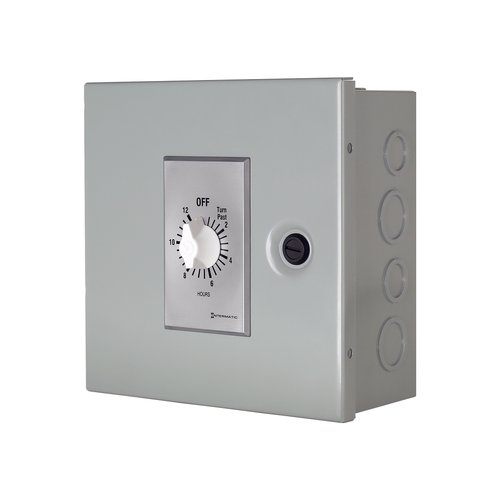
Manual timer control
20 Amp, 120 VAC, 50/60 Hz; 10 Amp, 240 VAC, 50/60 Hz; 10 Amp, 277 VAC, 50/60 Hz amps max load
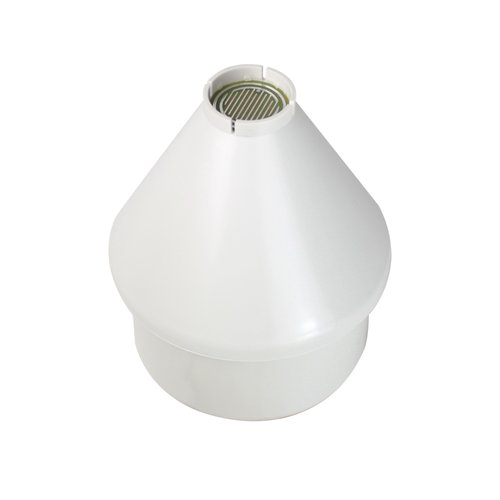
Automatic, no sensor needed
Included
Included
16 amps max load
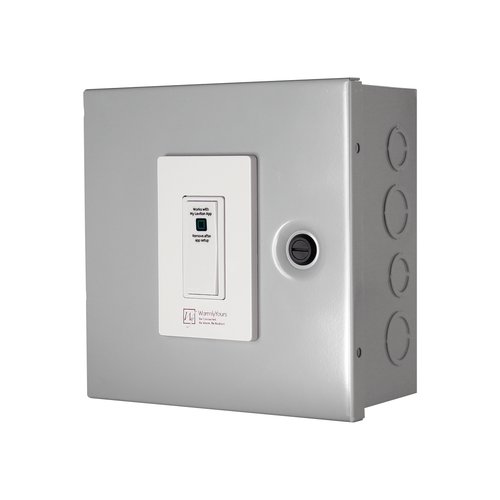
WiFi remote control
15A @ 120V amps max load
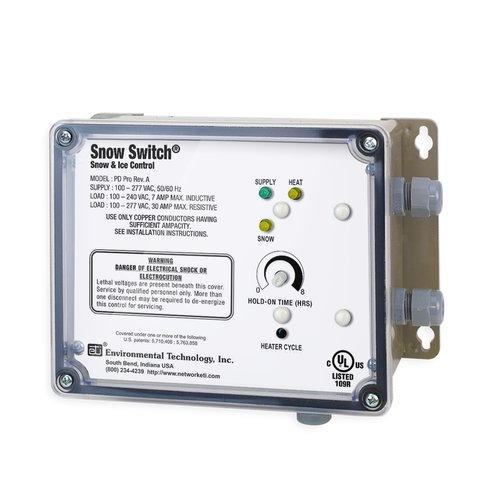
Automatic with external sensor
30 amps max load
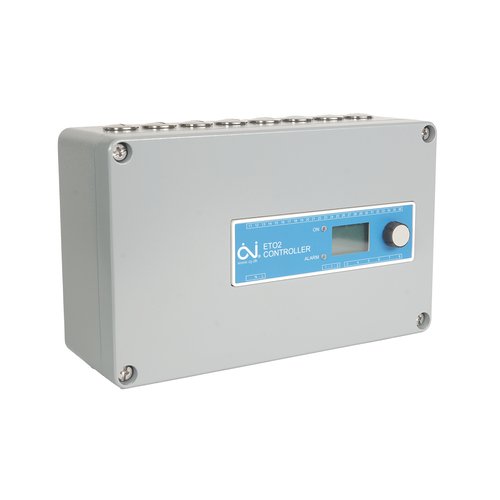
Economical automatic control
3 x 16 amps max load
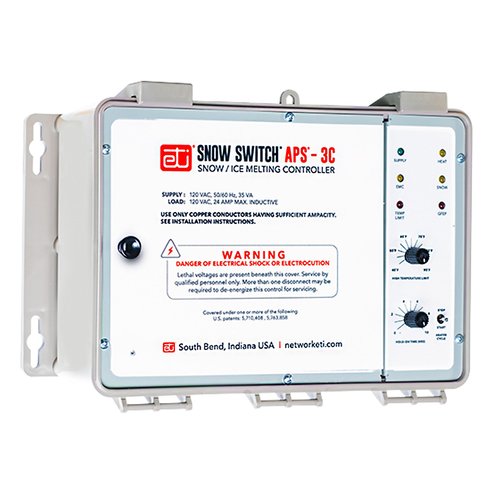
Premium single-zone automatic
24 amps max load
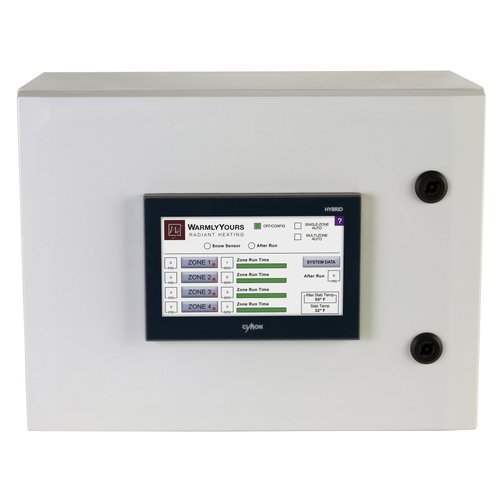
Multi-zone touchscreen hub
N/A max load
Not Sure Which Snow Melting Control Is Right for You?
Our radiant experts have helped over 100,000 customers choose the right system. Get personalized advice—free, typically within one business day.
Typically respond within 1 business day
Already have a snow melting system?
Visit snow melting support →
Snow Melting Sensors
Automatic controls require a sensor to detect conditions. Choose between an aerial sensor (mounts above ground—works on any installation) or a slab sensor (embedded during the concrete pour for precise surface-temperature control).
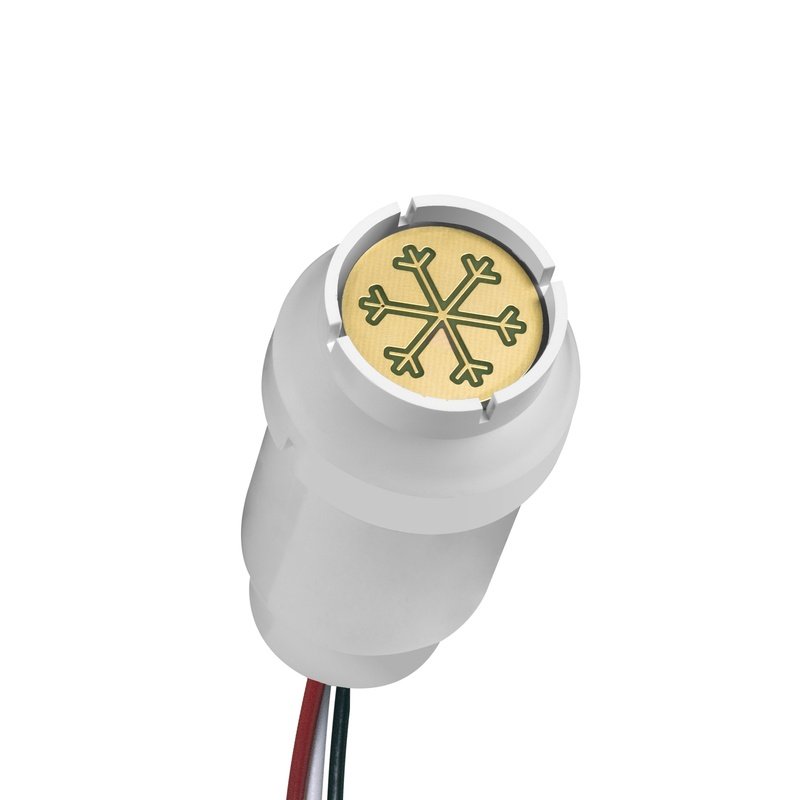
AIR-SS-2
Provides versatile and cost-effective automatic snow detection for SC-MZ-TOUCH, SCP-120, and SCA-DUAL controls
-
Detects falling or blowing snow at temperatures below 38°F (3.3 °C)
-
Provides a more robust sensor at less weight, lower visual profile and lower cost comparing to the previous generation
-
Sleeker profile provides a very aesthetically pleasing appearance
-
For the most versatile and effective snow detection, use with the SCP-120 Premium Snow Melt Control
-
This sensor is compatible with SC-MZ-TOUCH, SCA-DUAL, and SCP-120 snow melt controls
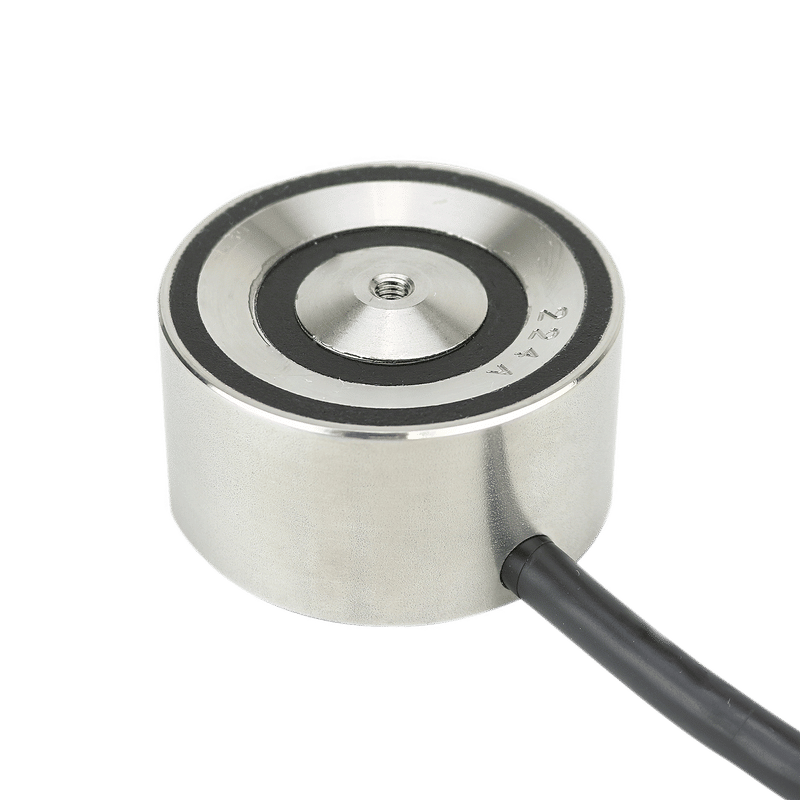
SLAB-SS
Detects snow and ice on concrete or asphalt when used in conjunction with the SCE-120 Economy Snow Melt Control
-
Detects Snow And Ice On Concrete Or Asphalt: Reliably detects snow and ice on concrete or asphalt when used in conjunction with the SCE-120 Economy Snow Melt Control, in particular, it detects moisture and temperature
-
Fastest Response: The SLAB-SS offers the fastest response time with the sensor in direct contact with the asphalt or concrete to be heated, sensor wire must remain separate from any high-voltage wire to avoid a distorted sensor signal
-
Mounts To The Snow-Melting Cable: The sensor mounts in close proximity to the snow-melting cable to ensure the pavement and sensor become dry at similar time intervals, maximum distance between the sensor and the control is 650 feet using 18 AWG wire
-
24/7 Technical Assistance: The WarmlyYours troubleshooting team is available 24/7 to provide technical assistance or support at 800-875-5285
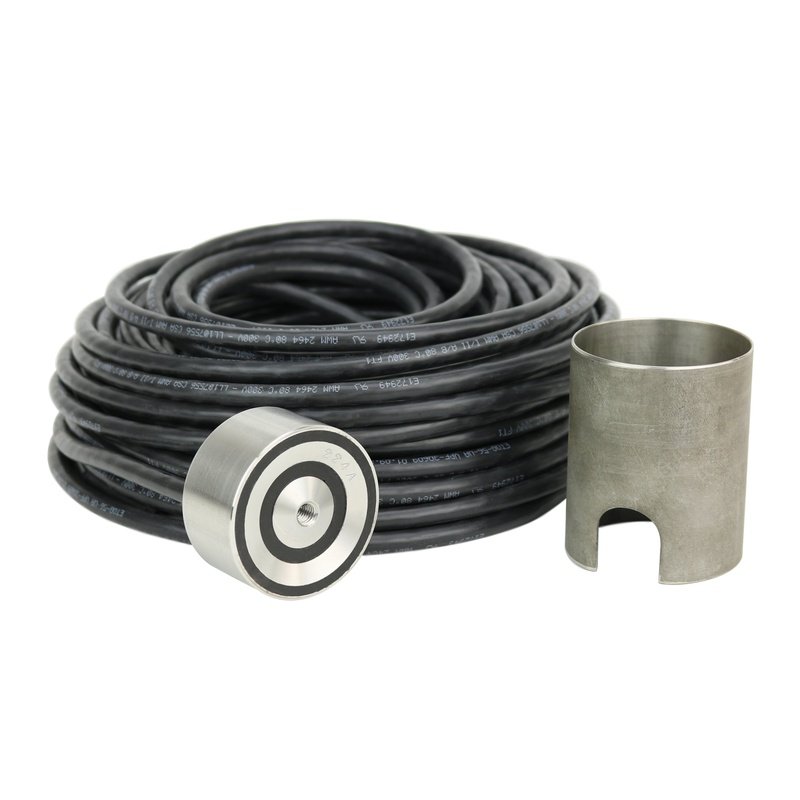
SCE-SLAB-SS-KIT
This kit (compatible with the SCE-120 control) includes a ground sensor with an "out-the-back" wire and a sensor tube.
-
Snow Melting Slab Sensor (Sensor Only) - ETOG-56 Type with ʺOut-the-backʺ Wiring
-
Housing for Snow Melting Slab Sensor (Housing Only) ETOK-1 Type
Junction Boxes
Our molded, non-metallic junction boxes serve as an intermediary when the cold leads from your snow melting elements are too short to reach the relay panel or control.
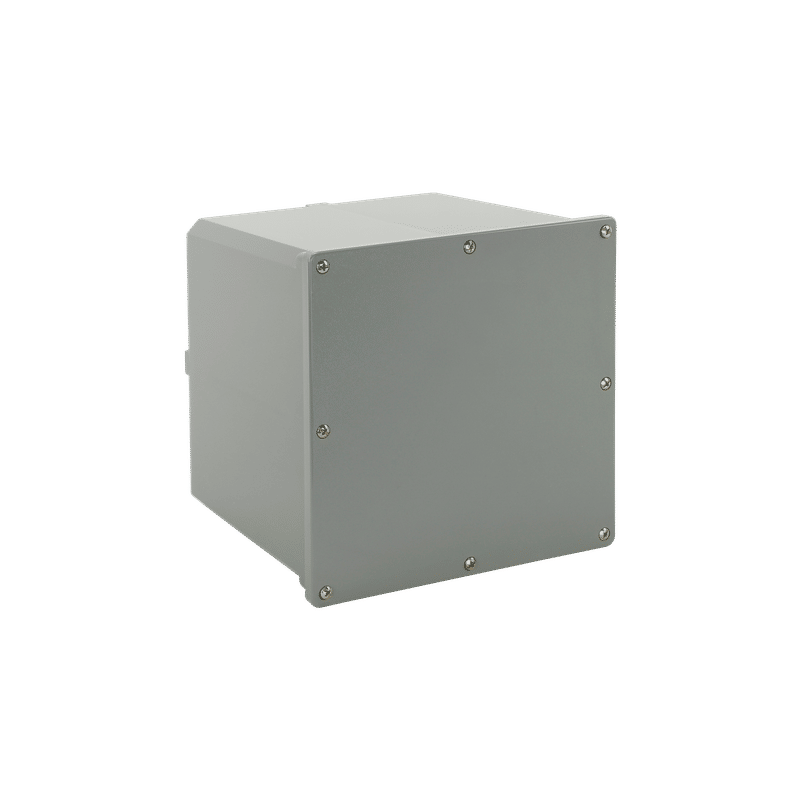
This junction box can accommodate between 3 to 8 cold leads. It features in-ground installation with a NEMA 4X rating.
-
NEMA 4X outdoor rated for durability
-
Compatible with WarmlyYours systems
-
In-ground or wall-mounted options
-
Weather-resistant protection
-
Ideal for short cold leads
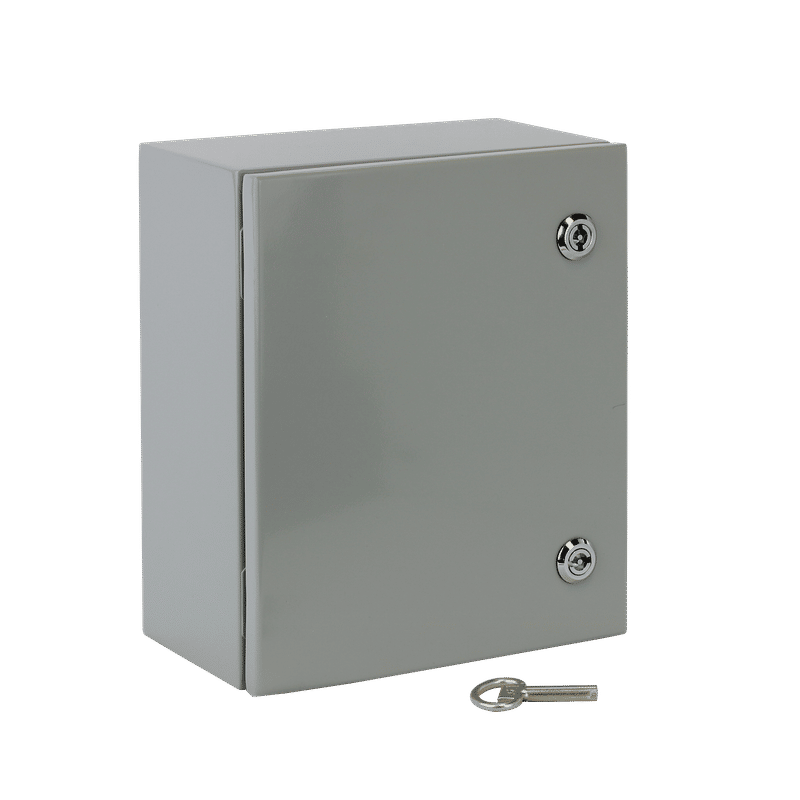
This junction box can accommodate up to 8 cold leads. It features wall-mounted installation with a NEMA 4X rating.
-
NEMA 4X outdoor rated for durability
-
Compatible with WarmlyYours systems
-
In-ground or wall-mounted options
-
Weather-resistant protection
-
Ideal for short cold leads
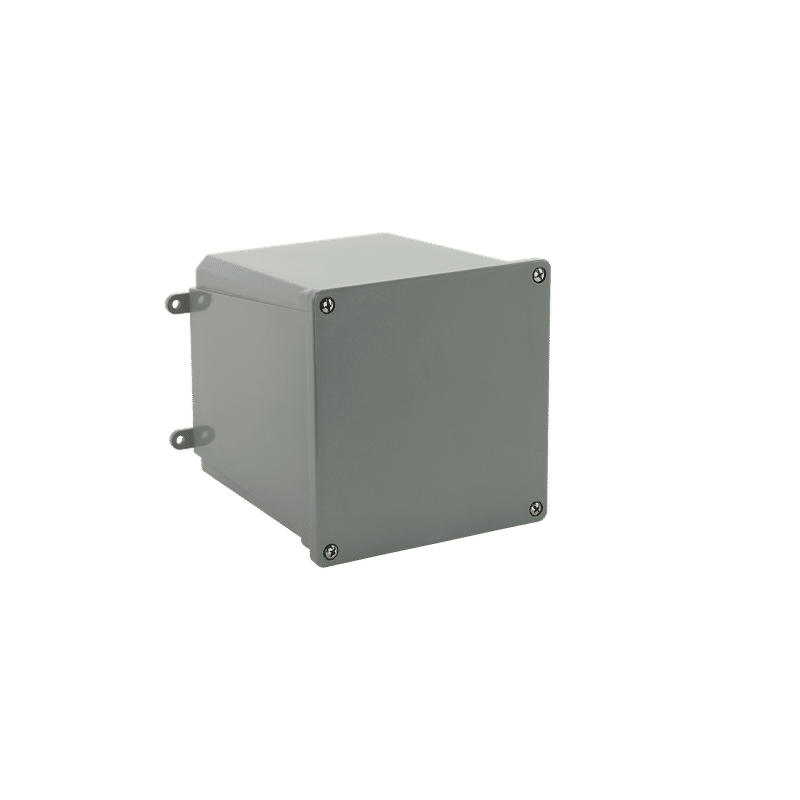
This junction box can accommodate between 1 or 2 cold leads. It features in-ground installation with a NEMA 4X rating.
-
NEMA 4X outdoor rated for durability
-
Compatible with WarmlyYours systems
-
In-ground or wall-mounted options
-
Weather-resistant protection
-
Ideal for short cold leads
Relay Panels
Designed for efficient power management in snow melting, slab heating, and roof deicing applications, our relay panels act as a reliable intermediary between your control systems and the heating elements. These cULus approved relay panels feature a NEMA 1 indoor enclosure, come with conduit knockouts for easy installation, operate virtually silently, and are rated for 120 to 277 VAC heating elements with individual relay ratings up to 30 Amps.
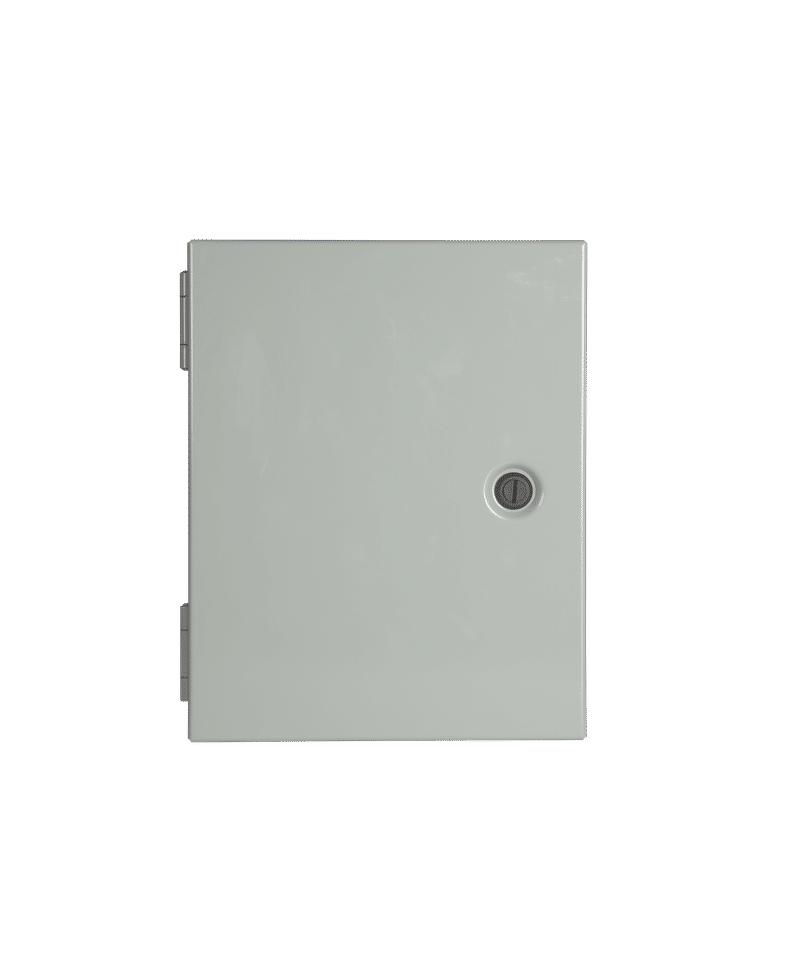
RLY-4PL-CC
Small relay panel designed for use with snow melting, slab heating, and roof deicing applications.
-
Comes with 4 poles (two 2-pole pairs)
-
Each of the 2 relays in the RLY-4PL-CC are rated for up to 30 Amps
-
Designed for use with snow melting, slab heating, and roof and gutter deicing systems
-
Safe: cULus approved and NEMA 1-rated metal enclosure
-
Limited 2-year warranty
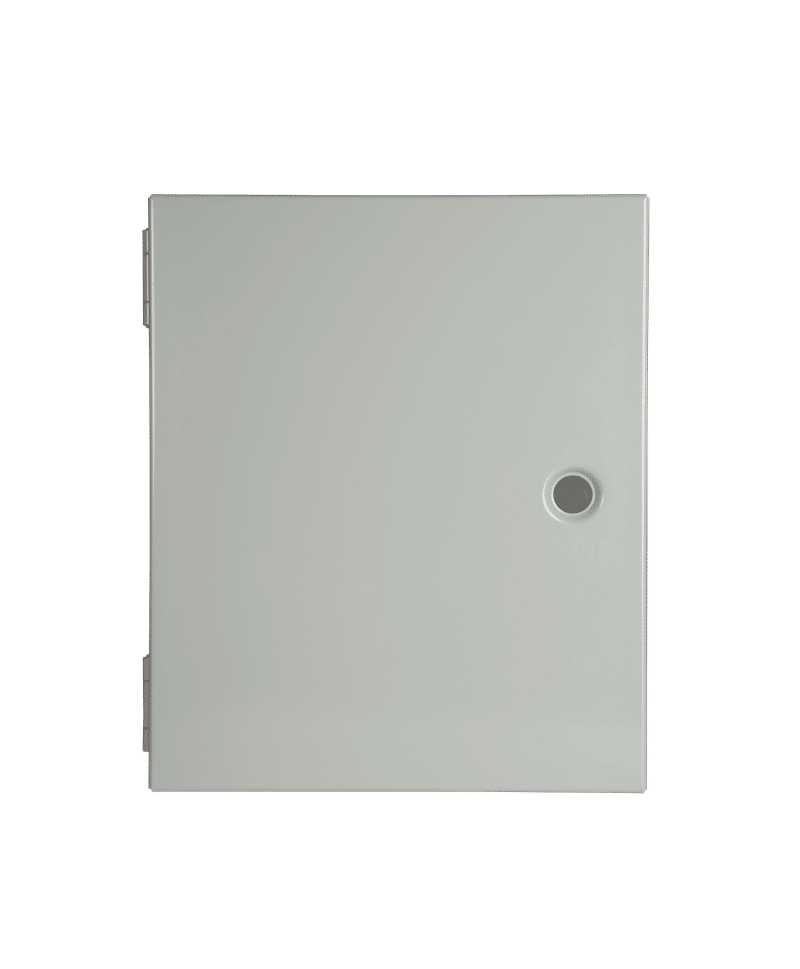
RLY-8PL-CC
The medium-sized RLY-8PL-CC power relays are rated for up to 30 Amps and housed in NEMA 1 indoor enclosures.
-
Comes with 8 poles (four 2-pole pairs)
-
Each of the 4 relays in the RLY-8PL-CC are rated for up to 30 Amps
-
Designed for use with snow melting, slab heating, and roof and gutter deicing systems
-
Safe: cULus approved and NEMA 1-rated metal enclosure
-
Limited 2-year warranty
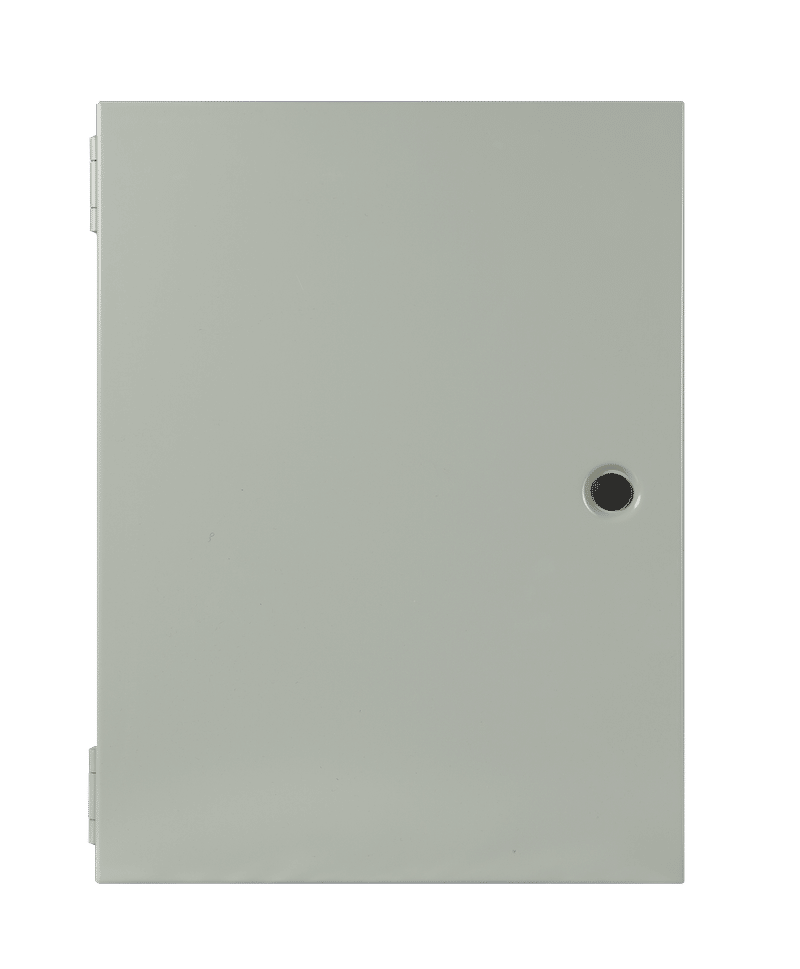
RLY-12PL-CC
Large ultra-silent, power-switching panel suitable for snow melting, slab heating and roof deicing applications.
-
Comes with 12 poles (six 2-pole pairs)
-
Each of the 6 relays in the RLY-12PL-CC are rated for up to 30 Amps
-
Designed for use with snow melting, slab heating, and roof and gutter deicing systems
-
Safe: cULus approved and NEMA 1-rated metal enclosure
-
Limited 2-year warranty
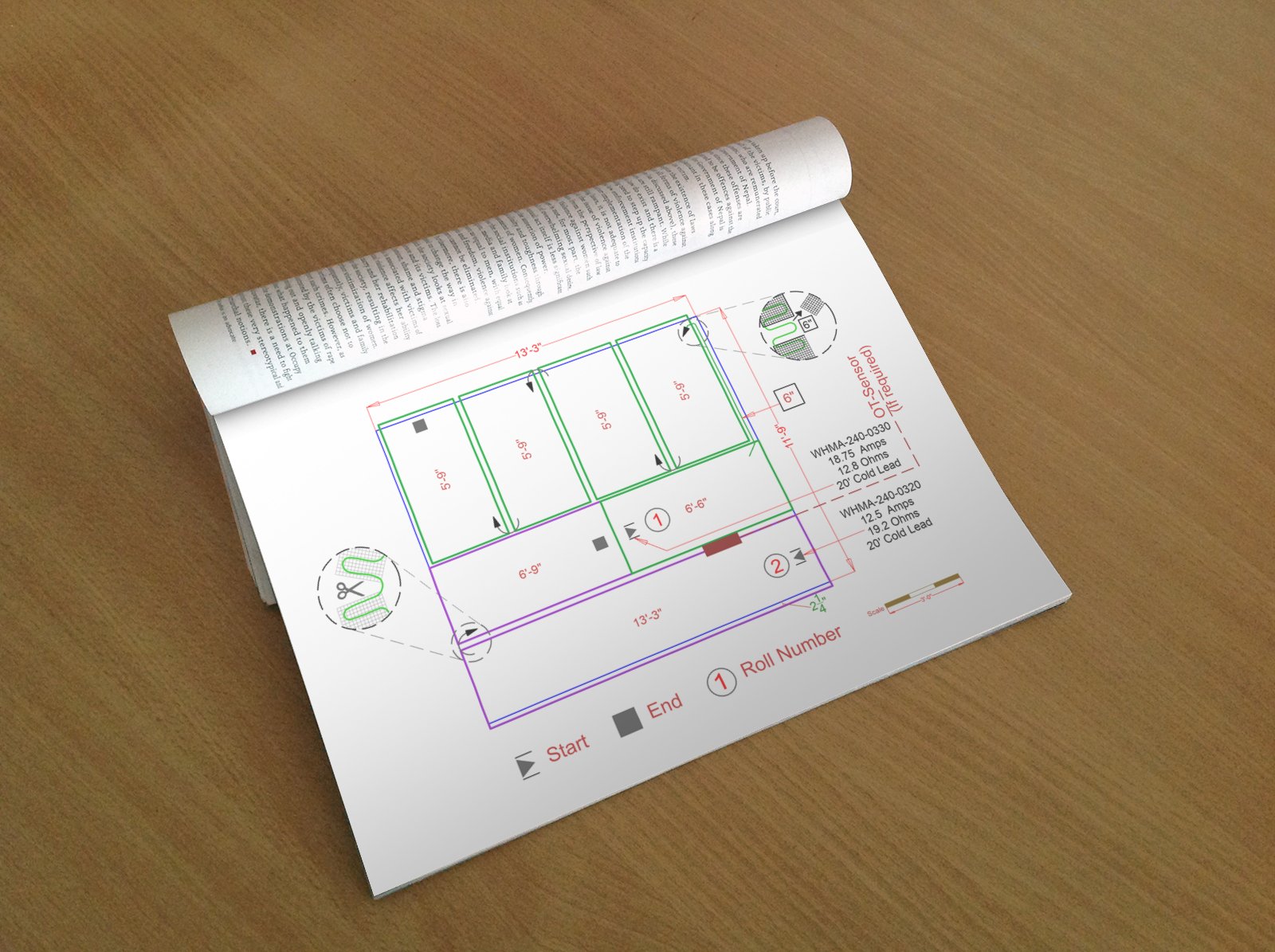
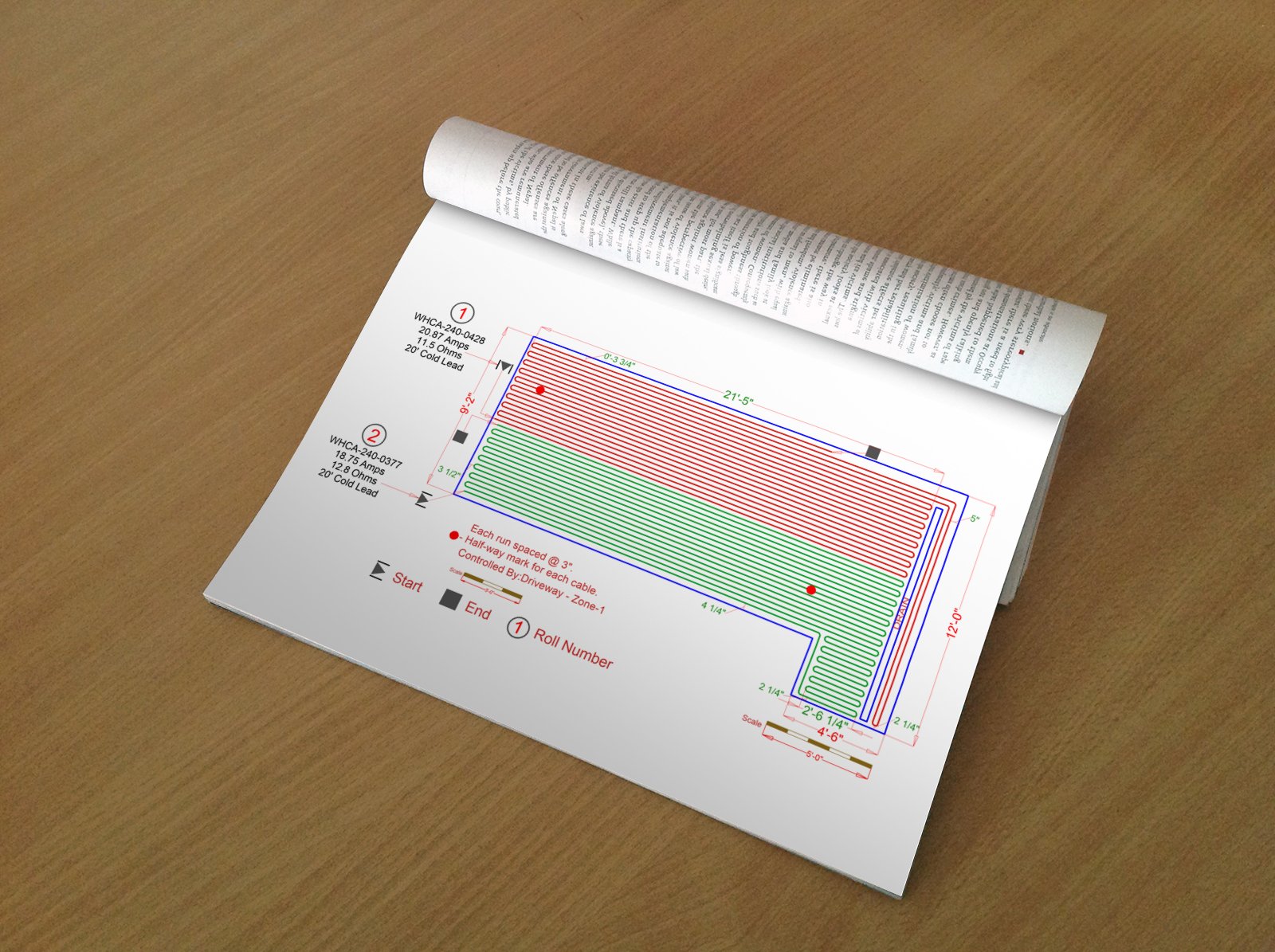
Free SmartPlan
Get a custom installation plan for your snow melting controls in just 1 business day.

"I'll design a custom snow melting layout for your project, complete with cable spacing, electrical requirements, and a full quote."
Videos
Documents

PDF

PDF

PDF


Frequently Asked Questions
Showing 10 of 15 questions
Always confirm the power requirements with the electrician. Large snow melting systems usually require a new electrical panel or electrical service. Contact WarmlyYours for a quotation, indicating the actual power capacity available, and to obtain recommendations for reducing the power consumption. For example, opting for tire track coverage rather than installing the snow melting system over the entire driveway can dramatically reduce power requirements.
Once you've decided what type of heating system (manual vs. automatic), you'll need to choose a control, which may or may not utilize a sensor. You may need a relay panel(s) depending on the size of the system, and a snow melt plaque which is required by the National Electric Code. Junction box(es) may be optional depending on the distance of heating cable from the indoor power location.
It depends on how the system is intended to operate. If the expectation is manual operation (ex. WiFi or Timer Control), then no sensors are required. If the expectation is automatic operation, then the system will require at least one snow sensor.
No, a sensor is not required with the snow melt system. However, certain automatic controllers require a temperature/moisture sensor to sense atmospheric conditions and may also require an in-slab, high temperature limit sensor to be installed (notably, asphalt installations).
This feature prevents the snow melting system from running, by default, in temperatures below 17°F (–8.33°C), or as set by the user. At temperatures this low, it becomes difficult for the system to effectively melt the snow. It is, however, possible to turn off this feature should the system be required to keep running during these low temperatures.
Yes. The WarmlyYours SmartControl (SC-MZ-TOUCH) includes built-in WiFi and integrates with popular home automation platforms:
- Amazon Alexa — voice-activate your system ("Alexa, turn on the driveway heat")
- Google Assistant — control via Google Home or Nest devices
- Nest — integrates with Nest home automation routines
- IFTTT — create custom trigger-based automations
The SmartControl also has a full-color touchscreen for local control. It supports automatic operation with an aerial or slab sensor and can be monitored and adjusted remotely from anywhere with an internet connection.
Other WarmlyYours snow melting controls (SCP-120, SCA-DUAL, SCE-120, SCV-DUAL, SCM-DUAL) are standard hardwired controls without built-in WiFi. The SmartControl is the only model with remote smartphone access.
No. WarmlyYours snow melting controls are industrial-grade devices designed to be installed indoors in a dry, protected electrical enclosure—such as an indoor electrical panel, utility room, or garage. They are not rated for direct outdoor exposure.
The sensors (aerial and slab) are fully outdoor-rated and designed to withstand harsh winter conditions. The sensor is the only component that goes outside; the control itself connects to the sensor via low-voltage wiring run indoors.
If you have questions about where to locate the control enclosure for your specific installation, our radiant experts can help you plan the best setup. Contact us for a free consultation.
Each WarmlyYours snow melting control has a maximum load rating. Common ratings are:
- 15A at 120V — up to 1,800 watts
- 15A or 30A at 240V — up to 3,600 W or 7,200 W depending on the model
Check the spec sheet for your specific control model to confirm its rated amperage.
If your snow melting installation exceeds the capacity of a single control—common for larger driveways, commercial entries, or multi-zone systems—you will need a relay panel. A relay panel uses the low-amperage signal from your control to switch high-amperage contactors, allowing a single control to manage systems far larger than it could handle directly.
WarmlyYours relay panels are available in single-zone and multi-zone configurations. Our free system design service will tell you exactly whether a relay panel is required for your project and which model is correct.
WarmlyYours snow melting systems support two types of sensors for automatic operation:
Aerial sensor — Mounted above the heated surface (typically on a post or wall), this sensor measures air temperature and detects precipitation. The control activates the system when both conditions are met (cold enough and moisture is present). Aerial sensors are the most common choice because they respond quickly to changing weather and do not require embedding during installation.
Slab sensor — Embedded directly in the concrete or pavers during installation, this sensor measures the surface temperature of the slab. It activates the system when the slab drops below a set threshold and shuts off once the surface reaches the desired temperature. Slab sensors offer precise control over surface conditions but must be installed before the slab is poured.
If you are pouring a new slab, a slab sensor gives the most accurate control. For retrofit or overlay installations, an aerial sensor is typically the better choice. Some controllers support both sensor types simultaneously for enhanced reliability.
Automatic controls use sensors to monitor outdoor conditions and activate your snow melting system only when needed—so you never have to think about it. WarmlyYours automatic controls work with an aerial sensor (which detects moisture and air temperature) or a slab sensor (which measures the slab surface temperature). The system turns on when conditions call for melting and shuts off automatically when the surface is clear and dry.
Manual controls (also called contactor switches) let you turn the system on and off yourself. Some manual controls include a 24-hour timer so you can schedule fixed operating windows.
Automatic controls are strongly recommended for driveways and walkways that are difficult to monitor closely or for homeowners who want a truly hands-off experience. Manual controls are a lower-cost option suited to smaller areas or applications where the owner is frequently on-site.
WarmlyYours snow melting controls are available in both 120V and 240V versions, and the control voltage must match the voltage of your snow melting cable or mat.
Most WarmlyYours snow melting systems operate at 240V because higher voltage allows the cable to cover more area on a single circuit. Some smaller mats are available at 120V.
Controls are model-specific:
- 120V controls: SCP-120, SCE-120, SCW-120-15A
- 240V controls: SCA-DUAL, SCV-DUAL, SCM-DUAL, SC-MZ-TOUCH
Always verify the voltage of your snow melting cable or mat before selecting a control. If you are unsure, the voltage is printed on the product label and listed in the item specification sheet. Our radiant experts can confirm the right control for your system at no charge.


