
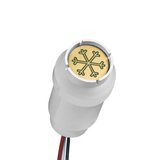
AIR-SS-2 Aerial-Mounted Snow Sensor: Scott Demonstrates Install Tips for a Better Snow Melt Experience
Pro tips for a better snow melt experience with the AIR-SS-2
Are you worried about your snow melting system failing just when the next big winter storm hits? It is a common concern for homeowners and contractors alike who rely on automated systems to keep outdoor surfaces safe.
In this video, Scott from WarmlyYours shares essential installation tips for the AIR-SS-2 aerial-mounted snow sensor to ensure maximum reliability and longevity. By following these professional techniques, you can prevent common points of failure and ensure your radiant heating system activates exactly when needed. This guide helps you maximize your investment, keeping your driveways and walkways clear and safe all winter long without the need for manual intervention.
Watch as we break down the critical steps for a successful and long-lasting sensor setup:
- 💡 Proper 15-degree tilt for optimal water drainage to prevent moisture buildup on the sensor face
- ✨ Maintaining sufficient tube length to ensure you have enough space for tools during future maintenance or sensor replacement
- ⚡ Utilizing a high-quality waterproof box with a secure seal to protect all internal electrical connections
- 🏠 Proven techniques to keep internal wiring dry, which prevents the most common cause of reported sensor malfunctions
Don't let a simple installation error compromise your home's comfort and safety. By implementing these proven strategies, you will enjoy a more efficient snow melting experience and the peace of mind that comes with a professionally installed WarmlyYours system. This comprehensive look at the AIR-SS-2 setup is the key to a worry-free winter and a luxury heating experience that lasts for decades.
Transcript
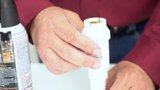
Let's take a look at the way the sensor is installed. The sensor should be tilted just slightly, about 15 degrees. That allows the excess water to drain off. So that's what we've done here. Also, you want to make sure that you have a long enough tube here, because if you glue this onto the tube, all these connections have to be waterproof.
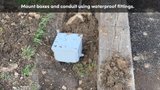
You want to make sure that if you have to replace the sensor, you can cut the tube. If you don't have a long enough tube, you can't fit your cutter in there to cut the tube to replace it. So always make sure you have some extra space here. Also, make sure you're using a waterproof box that has a waterproof seal around it. We want all of our connections inside to be dry.
One of the main problems we see with sensors that quit working is that they really are working, but the connections inside have gotten wet.
Examinons la façon dont le capteur est installé. Le capteur doit être légèrement incliné, à environ 15 degrés. Cela permet à l'excès d'eau de s'écouler. C'est ce que nous avons fait ici. De plus, vous devez vous assurer d'avoir un tube suffisamment long, car si vous collez celui-ci sur le tube, toutes ces connexions doivent être étanches.
Vous devez vous assurer que si vous devez remplacer le capteur, vous pouvez couper le tube. Si vous n'avez pas un tube suffisamment long, vous ne pourrez pas y insérer votre coupe-tube pour couper le tube et le remplacer. Assurez-vous donc toujours d'avoir un peu d'espace supplémentaire ici. Assurez-vous également d'utiliser une boîte étanche munie d'un joint d'étanchéité tout autour. Nous voulons que toutes nos connexions à l'intérieur restent au sec.
L'un des principaux problèmes que nous observons avec les capteurs qui cessent de fonctionner, c'est qu'ils fonctionnent réellement, mais que les connexions à l'intérieur ont été mouillées.
Veamos la forma en que se instala el sensor. El sensor debe estar inclinado ligeramente, aproximadamente 15 grados. Esto permite que el exceso de agua se drene. Eso es lo que hemos hecho aquí. Además, hay que asegurarse de tener un tubo suficientemente largo, porque si pega esto al tubo, todas estas conexiones deben ser impermeables.
Hay que asegurarse de que si necesita reemplazar el sensor, pueda cortar el tubo. Si no tiene un tubo suficientemente largo, no podrá meter el cortador para cortar el tubo y reemplazarlo. Por eso, siempre asegúrese de tener algo de espacio extra aquí. Además, asegúrese de usar una caja impermeable que tenga un sello hermético alrededor. Queremos que todas nuestras conexiones internas estén secas.
Uno de los principales problemas que vemos con los sensores que dejan de funcionar es que en realidad sí están funcionando, pero las conexiones internas se han mojado.
Przyjrzyjmy się sposobowi instalacji czujnika. Czujnik powinien być lekko nachylony, około 15 stopni. Pozwala to na odprowadzenie nadmiaru wody. Właśnie tak to tutaj wykonaliśmy. Należy również upewnić się, że rura jest wystarczająco długa, ponieważ jeśli przykleimy ją do rury, wszystkie połączenia muszą być wodoszczelne.
Należy upewnić się, że w przypadku konieczności wymiany czujnika można przeciąć rurę. Jeśli rura nie jest wystarczająco długa, nie będzie można włożyć obcinaka, aby przeciąć rurę i wymienić czujnik. Dlatego zawsze należy zadbać o odpowiedni zapas miejsca. Należy również upewnić się, że używana skrzynka jest wodoszczelna i posiada uszczelnienie. Zależy nam na tym, aby wszystkie połączenia wewnątrz były suche.
Jednym z głównych problemów, jakie obserwujemy w przypadku czujników, które przestają działać, jest to, że w rzeczywistości działają prawidłowo, ale połączenia wewnątrz uległy zawilgoceniu.
Related Resources
-

PDF · AIR-SS-2-AERIAL-MOUNTED-SNOW-SENSOR-MANUAL-A
AIR-SS-2 Aerial Mounted Snow Sensor Manual (English)
-

PDF · AIR-SS-2-SNOW-SENSOR-CHECKLIST-A
AIR-SS-2 Snow Sensor Checklist (English)
-
Product · AIR-SS-2
Snow Melt Aerial Sensor
The AIR-SS-2 Aerial-Mounted Snow Sensor provides versatile and cost-effective automatic snow detection for snow melting and roof and gutter deicing systems. Easy to install, the...
-
Video
How to install an AIR-SS-2 Aerial-Mounted Snow Sensor
Install your snow sensor easily in 5 steps. Ensure efficiency and reliability with our expert guide. Watch now! ❄️📹 #SnowSafety
-
Video
How to Test the AIR-SS-2 Aerial-Mounted Snow Sensor
Ensure your snow sensor is winter-ready with our step-by-step guide. Test efficiently and keep your snow melting system optimal. Watch now! ❄️
-

Related Questions
Showing all 2 questions
Get a Free Snow Melting Quote
Our Radiant Experts are ready to help. Start with a free, no-obligation quote for your project.