
Snow Melting Mats
Pre-Spaced, Roll-Out Heat for Driveways, Walkways & Patios
WarmlyYours snow melting mats are the fastest way to a snow-free driveway. The heating cable comes pre-spaced on a roll—just lay it out and embed it in concrete, asphalt, or under pavers. Choose PowerMat (50 watts/sq. ft.) for heavy-snowfall regions or OmniMat (39 watts/sq. ft.) for moderate climates, then let smart controls melt snow and ice automatically—before you wake up.
Get an Instant Quote
Answer a few quick questions and we'll match you with the best snow melting system.
Jump to
Why Choose Snow Melting Mats?
Pre-spaced mats take the guesswork out of a snow melting install while delivering full, even coverage right where you need it.
Two Power Levels
PowerMat delivers 50 watts/sq. ft. for heavy snowfall; OmniMat runs 39 watts/sq. ft. for moderate climates—pick the output that matches your winters.
Pre-Spaced for Fast Install
The heating cable is factory-attached at the correct spacing, so there is no layout guesswork—roll it out and pour. Most installs go in faster than loose cable.
Embeds in Any Surface
Install mats in poured concrete, hot asphalt, or under pavers set in mortar—perfect for new construction and full resurfacing projects.
Automatic & Hands-Off
Paired with a moisture/temperature sensor, the system activates before snow accumulates and clears the surface overnight—no shoveling, no salt.
Safe & Certified
CSA certified for outdoor use in the US and Canada, with a durable construction built to live under your driveway for decades.
Inexpensive to Run
The system only draws power during a snow event—typically just $0.12–$0.60 per hour—so a clear driveway costs only a few dollars per storm.
Snow Melting Mat Customer Reviews
We take pride in providing both exceptional service and great products. But don't just take our word for it, check out what some of our customers have had to say.


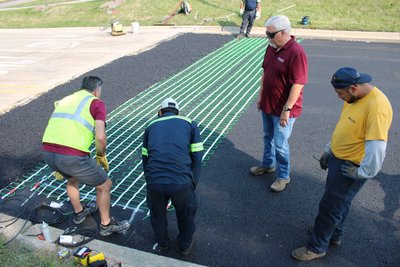
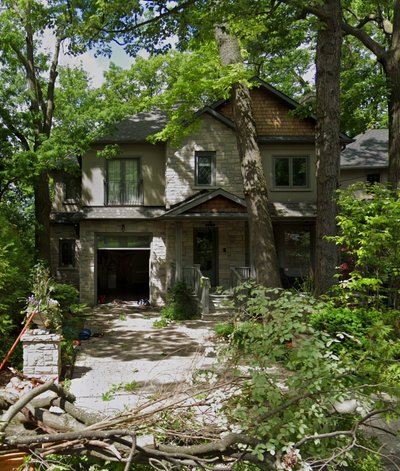
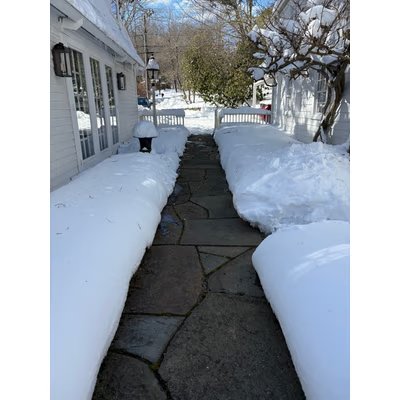
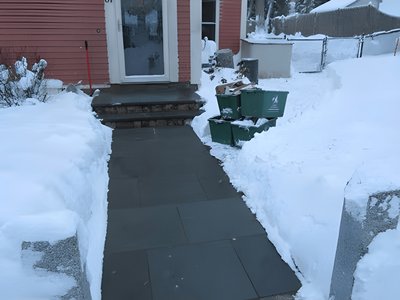
Featured Snow Melting Mat Projects
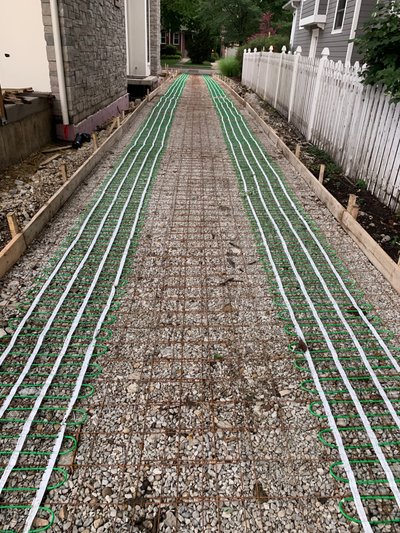
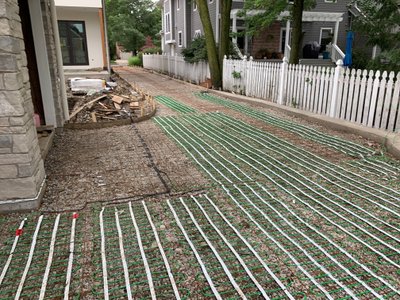
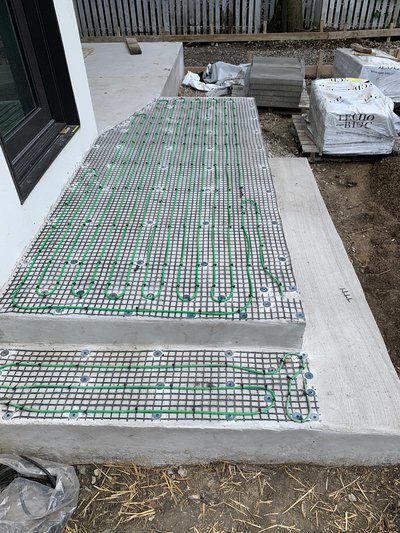
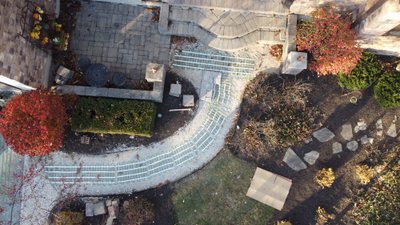
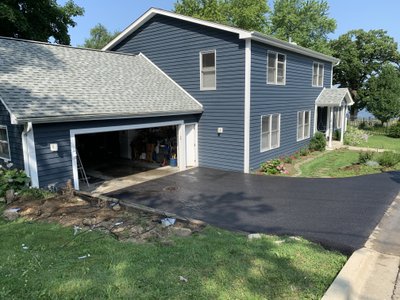
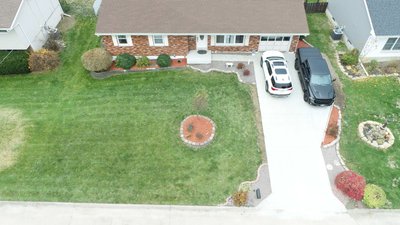
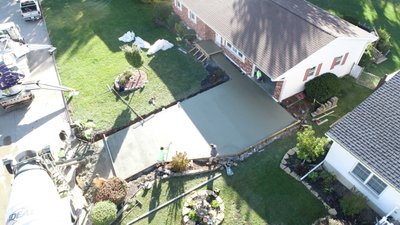
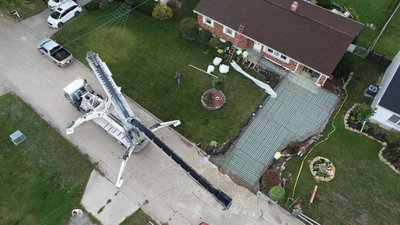
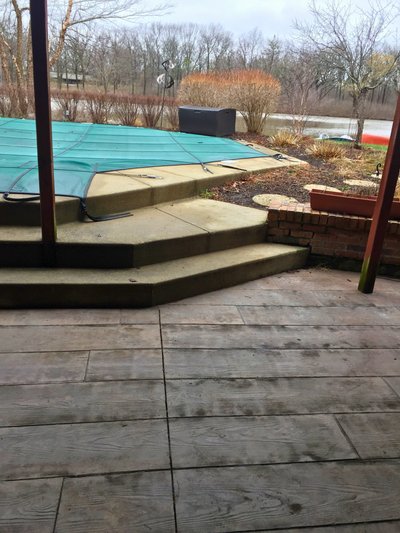
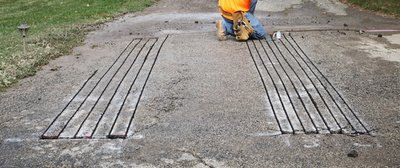
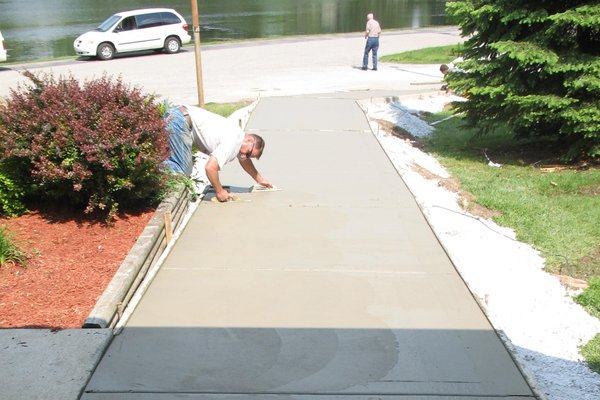
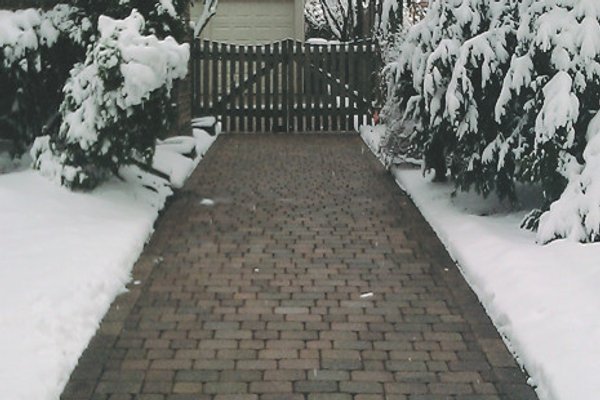
See how homeowners use WarmlyYours snow melting mats to keep driveways, walkways, and patios clear all winter.






Compare PowerMat & OmniMat Snow Melting Systems
Both mats use the same proven pre-spaced design—the difference is heat output. Choose PowerMat for the heaviest snowfall and the fastest melt, or OmniMat for dependable performance in moderate climates at a lower operating cost.
Maximum Heat Density for Heavy Snowfall (3″ spacing)
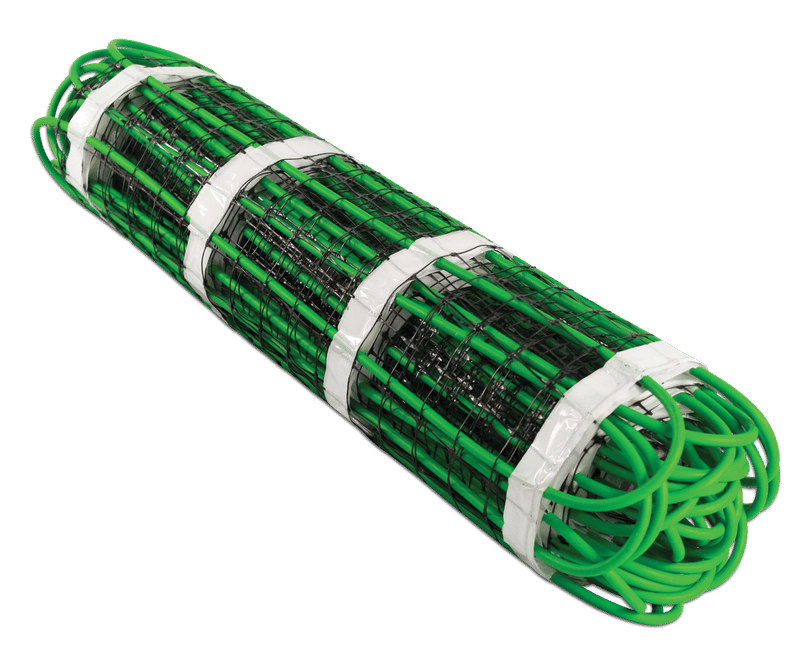
Ideal for heavy snowfall regions (60+ inches annually) or high-traffic commercial areas. The 3-inch cable spacing delivers maximum heat density (~50 watts/sq.ft) for the fastest snow melting performance. Best for: Northern climates, steep driveways, loading docks, emergency exits, and areas requiring rapid clearing.
Features
- Maximum Heat Output: Approximately 50-watts per sq. ft with 3″ cable spacing for fastest snow melting
- Best for Heavy Snowfall: Recommended for regions with 60+ inches of annual snowfall or when rapid melting is critical
- Even Heating: Pre-attached heating elements in a serpentine pattern with consistent 3″ spacing ensures uniform coverage
- Fast and Easy Installation: Cut-and-turn design makes installation faster than cables while providing maximum heat density
- Installation Support: Free SmartPlan™ installation plans, 24/7 phone support, and a 10-year limited warranty
Optimal Performance & Energy Balance (4″ spacing)
The versatile choice for moderate snowfall regions (30-60 inches annually). The 4-inch cable spacing provides an optimal balance of melting performance (~39 watts/sq.ft) and energy efficiency. Best for: Most residential driveways, walkways, and patios in typical winter climates.
Features
- Balanced Heat Output: Approximately 39-watts per sq. ft with 4″ cable spacing for optimal performance and efficiency
- Best for Moderate Snowfall: Recommended for regions with 30-60 inches of annual snowfall—our most popular choice
- Even Heating: Pre-attached heating elements in a serpentine pattern with consistent 4″ spacing ensures uniform coverage
- Fast and Easy Installation: Cut-and-turn design makes installation faster than cables while balancing cost and performance
- Installation Support: Free SmartPlan™ installation plans, 24/7 phone support, and a 10-year limited warranty
Snow Melting Mats vs. Cable: Which Is Right for You?
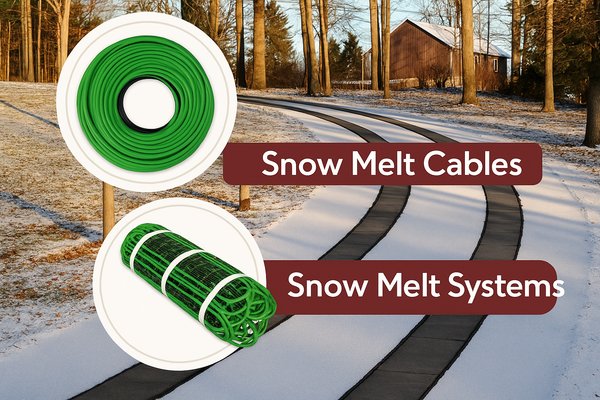
Both clear snow automatically—the choice comes down to the shape of your project. Pre-spaced mats are the fastest path to full, even coverage on regular, open layouts. Loose cable gives you complete spacing control to wrap tight curves, borders, and irregular areas.
Choose Snow Melting Mats
- Pre-spaced—roll out and pour, no spacing math.
- Full, even coverage for driveways, patios, and walkways.
- Two power levels: PowerMat (50W) and OmniMat (39W).
- Best for new pours and full resurfacing projects.
Choose Snow Melting Cable
- Adjustable spacing for custom heat output.
- Wraps curves, borders, and irregular shapes.
- 12 watts per linear foot for maximum flexibility.
- Best for tight, complex, or retrofit layouts.
How Much Does It Cost to Run Snow Melting Systems?
Example: 100 sq ft at 50 W/sq ft
Per Energized Hour
$1.00
Six Energized Hours
$6.00
This example uses an illustrative electricity rate of $0.20/kWh: 100 sq ft × 50 W/sq ft ÷ 1,000 = 5 kW; 5 kW × $0.20 = $1.00 per energized hour. Six energized hours costs $6.00. This is an example, not a typical bill: use your system’s installed wattage, heated area, local rate, and runtime in the calculator.
What Factors Affect Operating Cost?
Several key factors determine how much your snow melting system will cost to run:
- Heated area size — heating a small walkway costs far less than heating a large driveway.
- Coverage type — full coverage vs. tire tracks significantly impacts energy usage and costs.
- Runtime — preheating, snowfall, and the controller’s drying cycle can all add energized hours.
- Electricity rates — local kWh pricing (average $0.148 per kWh) directly impacts costs.
Separate Installation Cost from Operating Cost
The electricity estimate does not include mats or cable, controls, electrical work, or the driveway surface. Compare those items in our heated driveway installation cost guide. Automatic controls help manage runtime; costs and snow-clearing performance depend on the design and weather.
Operating Cost Calculator for Snow Melting
Calculate driveway heating costs based on size, coverage type, and local energy rates.

¢
Average snowfall is 6 hours. Includes 3 hours post-snowfall to fully evaporate melted snow.

"A snow melting system is the ultimate set-it-and-forget-it solution. No more shoveling, no more slipping—just safe, clear walkways and driveways whenever you need them!"
— Rae RadiantSnow Melting System Control Options
Once you've decided what type of heating system, you'll need to choose a control for your snow melting system. WarmlyYours offers a selection of controls, ranging from a basic manual control to our premium option that provides the ultimate in convenience and hands-off operation. We even offer an affordable and user-friendly WiFi control that can be configured so that the heating system can be controlled remotely or can be energized based on real-time weather events.
Shop Controls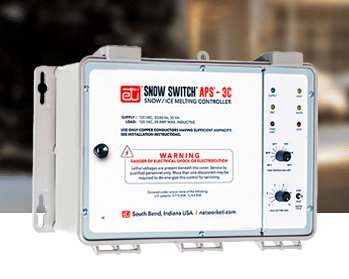
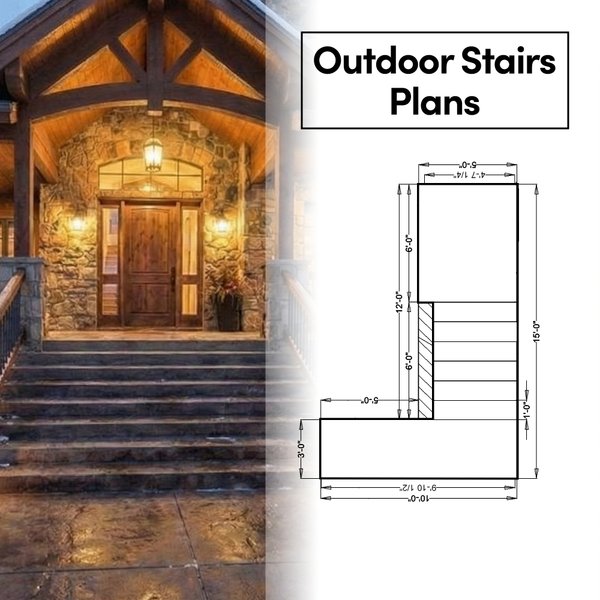
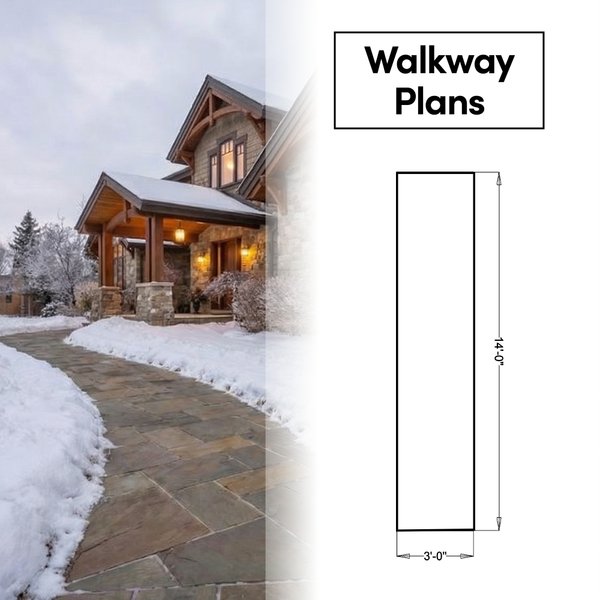
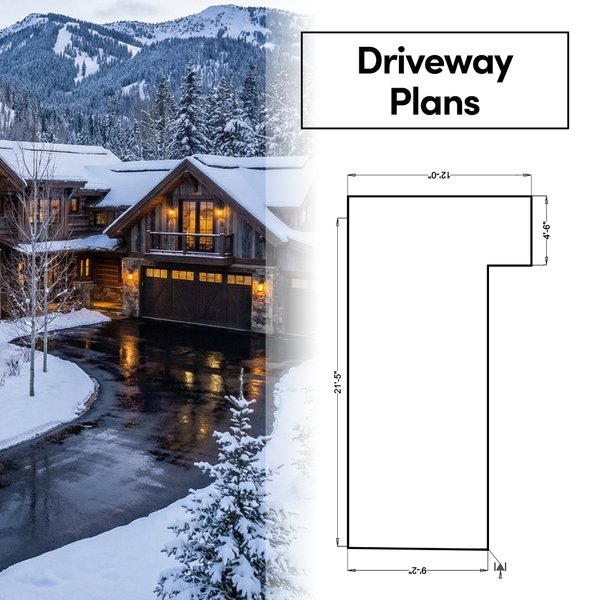
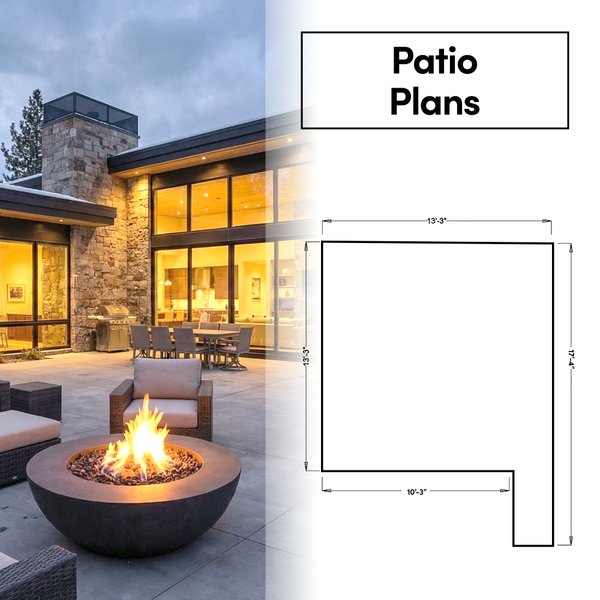
Find Snow Melt Plans by Application Type
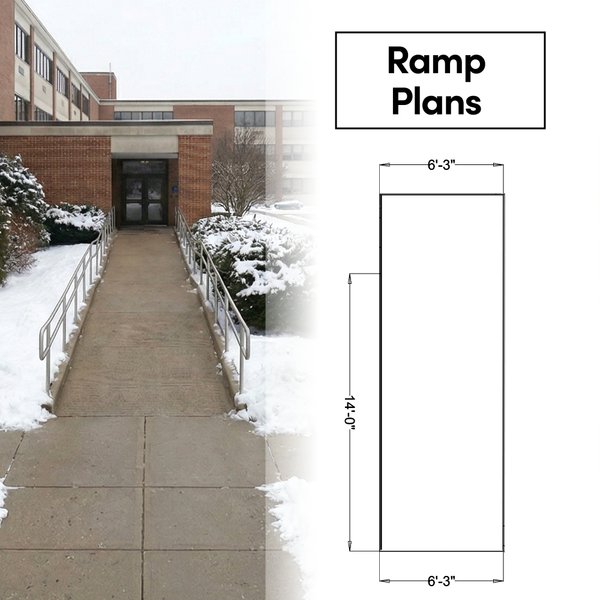
Each plan shows you the total pricing for the installation, the complete product list (heating elements, thermostats, and accessories), projected operating costs, a detailed installation layout, the coverage area, and the compatible surface materials—so you can compare options side by side and pick what fits your project.
Get Your Free, Professional Snow Melting SmartPlan™
We're here to help you every step of the way—and that starts at the beginning with a free, professional installation plan for your electric snow melt system. Simply provide us with a rough sketch of your project area, including dimensions, power source, and any relevant obstacles, and we'll get back to you (usually in as little as one business day) with a no-obligation SmartPlan that includes a detailed installation diagram, an itemized product quote, and an electrical plan.
Learn More About SmartPlans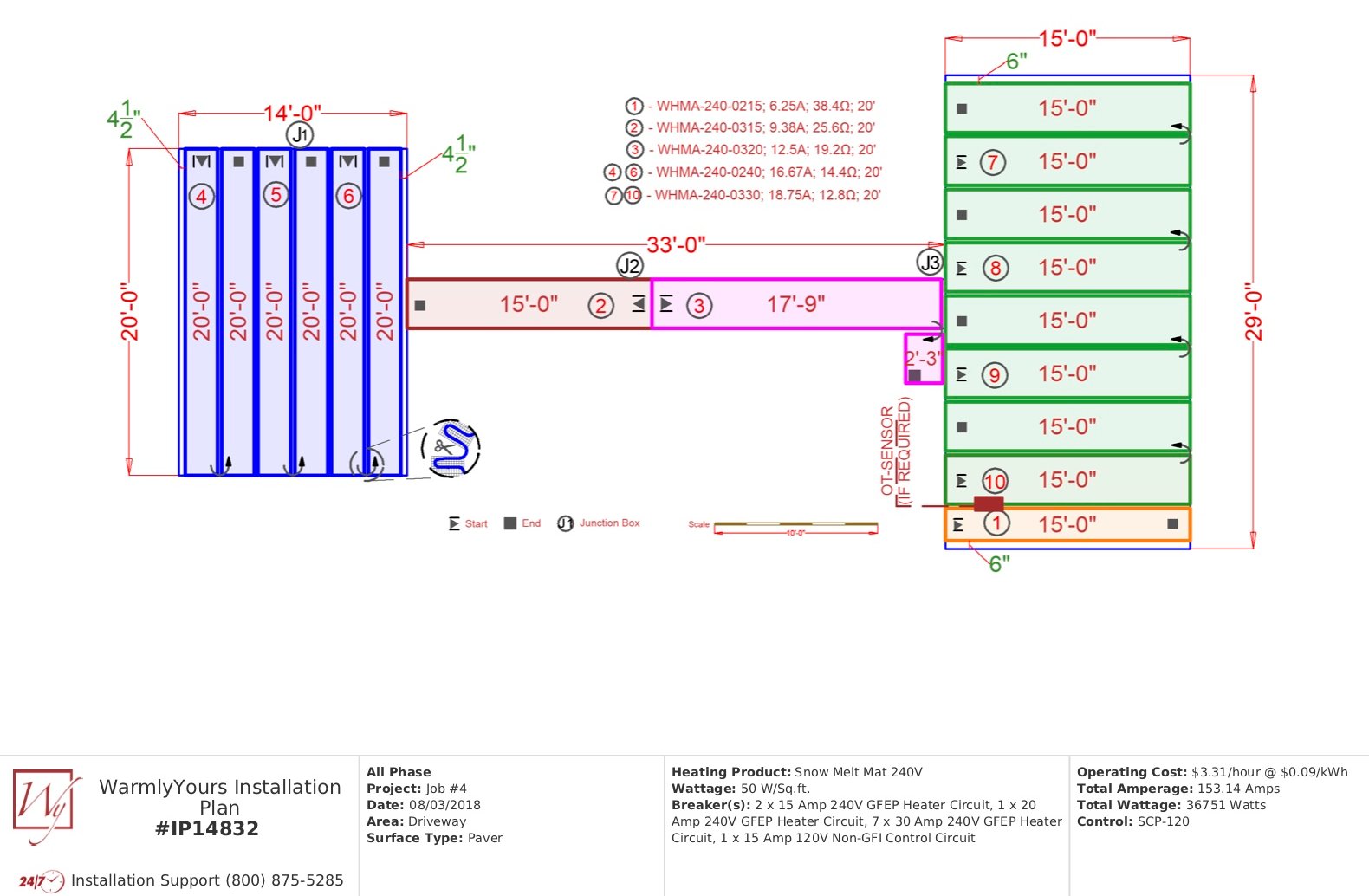
Electric vs. Hydronic: Choosing the Right System
When planning your snow melting project, you'll typically choose between two technologies: electric and hydronic. While both effectively clear snow, electric snow melt systems are the gold standard for residential applications due to their efficiency and ease of use.
Why Choose Electric Snow Melt Systems?
- Simpler Installation: Electric systems use heating cables or mats laid directly in the driveway material. They require no boilers, pumps, or dedicated mechanical rooms.
- Zero Maintenance: Once installed, electric systems are virtually maintenance-free. Hydronic systems require annual boiler service and fluid checks to prevent leaks and corrosion.
- Faster Response: Electric cables heat up almost instantly, allowing the system to stay ahead of the storm. Hydronic systems often take hours to reach operating temperature.
- Lower Upfront Cost: For most residential driveways, walkways, and stairs, electric systems are significantly more affordable to install than hydronic infrastructure.
For a detailed head-to-head comparison of installation, performance, and long-term costs, read our full guide: Electric vs. Hydronic Snow Melting: Which System is Right for Your Home?
Snow Melting Mat Videos
Documents

PDF

PDF

PDF
Snow Melting Mats Snow Melting Posts










Consult with a Snow Melting Expert
Do you need to discuss your snow melting project with our experts? We will respond within 1 business day.
Typically respond within 1 business day


