

Roof & Gutter Heat Tape Controls
Choose automatic or manual controls for your WarmlyYours ICE Shield roof and gutter heat tape system—from premium hands-off aerial-sensor operation to economical timer and manual options. All include a 2-year limited warranty.
Every WarmlyYours Control Includes
Buy with confidence—every control ships complete with everything you need for a successful installation.
Roof & Gutter Heat Tape Controls Comparison
Compare features across all available control options to find the perfect solution for your project.
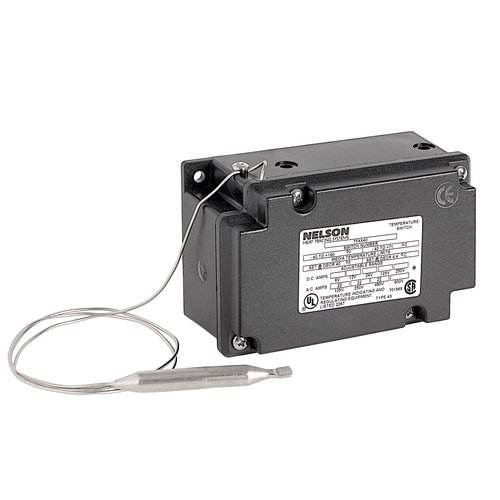
Temperature-only freeze protection
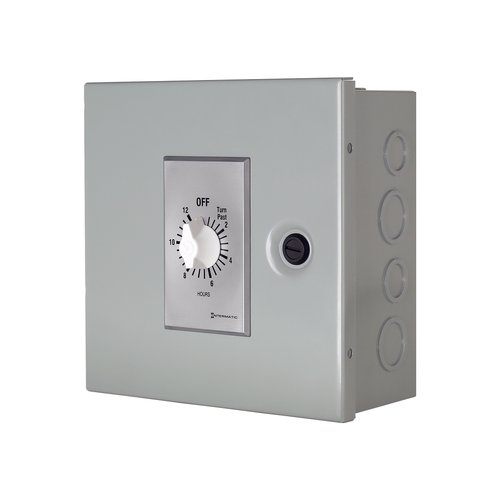
Manual timer control
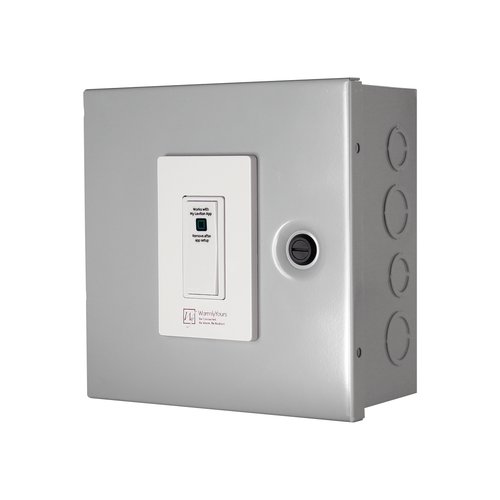
WiFi remote control
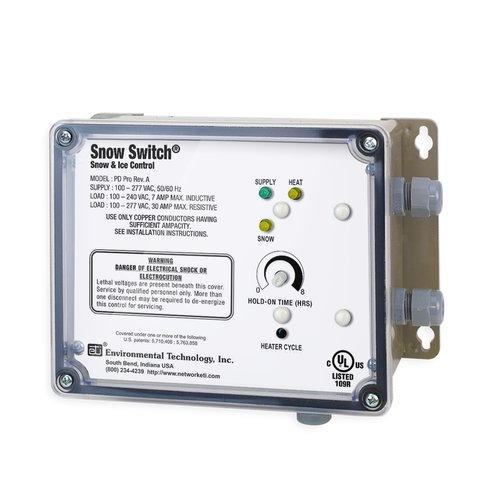
Automatic with external sensor
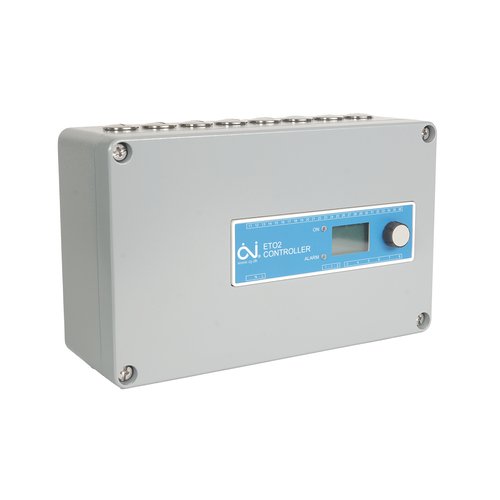
Economical automatic control
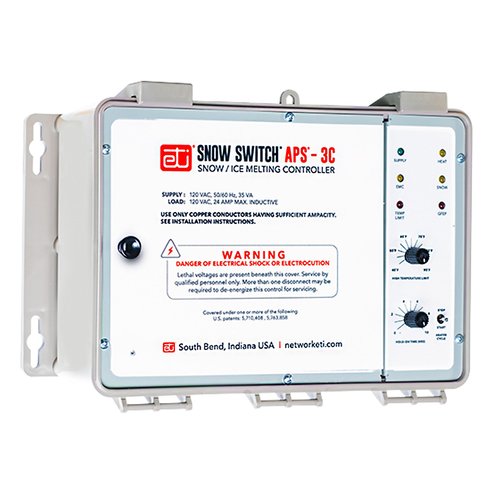
Premium single-zone automatic
Not Sure Which Deicing Control Is Right for You?
Our radiant experts have helped over 100,000 customers choose the right system. Get personalized advice—free, typically within one business day.
Deicing Sensors & Connection Kits
Automatic controls require an aerial sensor. Pair with a plug-in or hardwired connection kit to complete your installation.
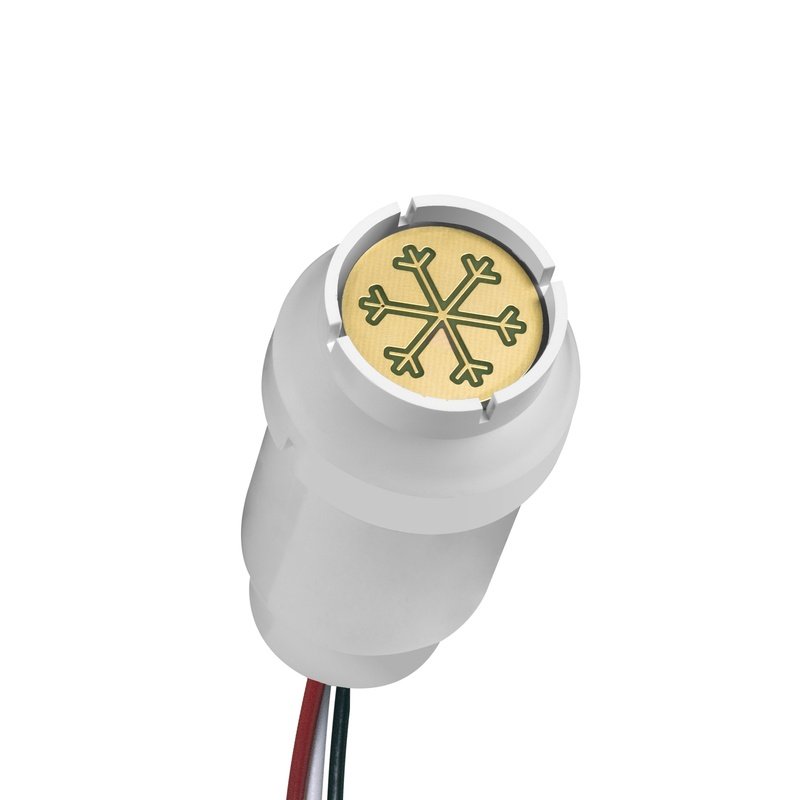
Provides versatile and cost-effective automatic snow detection for SC-MZ-TOUCH, SCP-120, and SCA-DUAL controls
-
Detects falling or blowing snow at temperatures below 38°F (3.3 °C)
-
Provides a more robust sensor at less weight, lower visual profile and lower cost comparing to the previous generation
-
Sleeker profile provides a very aesthetically pleasing appearance
-
For the most versatile and effective snow detection, use with the SCP-120 Premium Snow Melt Control
-
This sensor is compatible with SC-MZ-TOUCH, SCA-DUAL, and SCP-120 snow melt controls
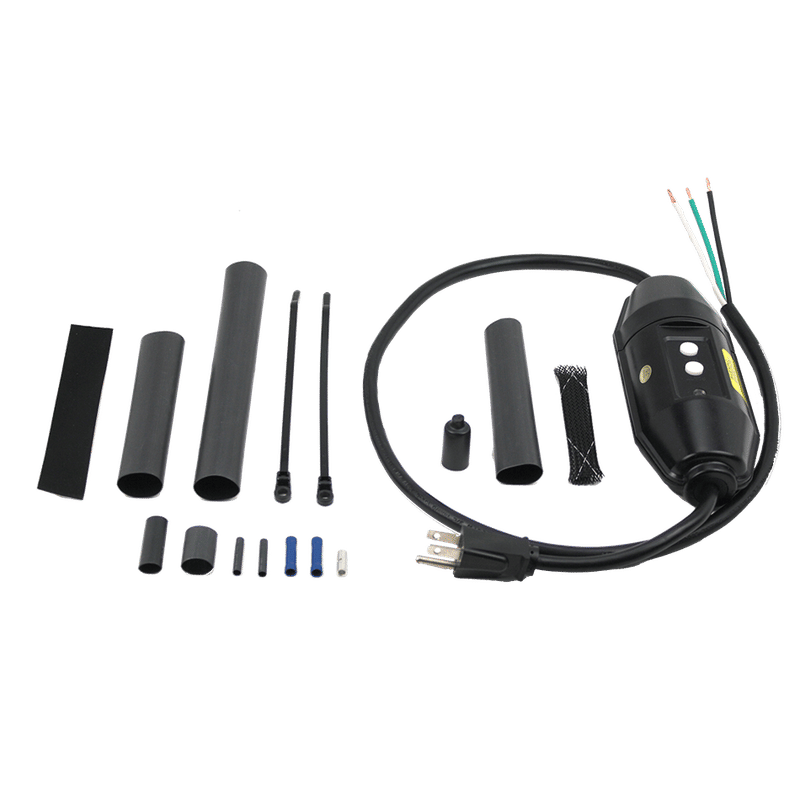
The kit provides ground-fault protection and is cULus Listed for 120V ET-SR series cables.
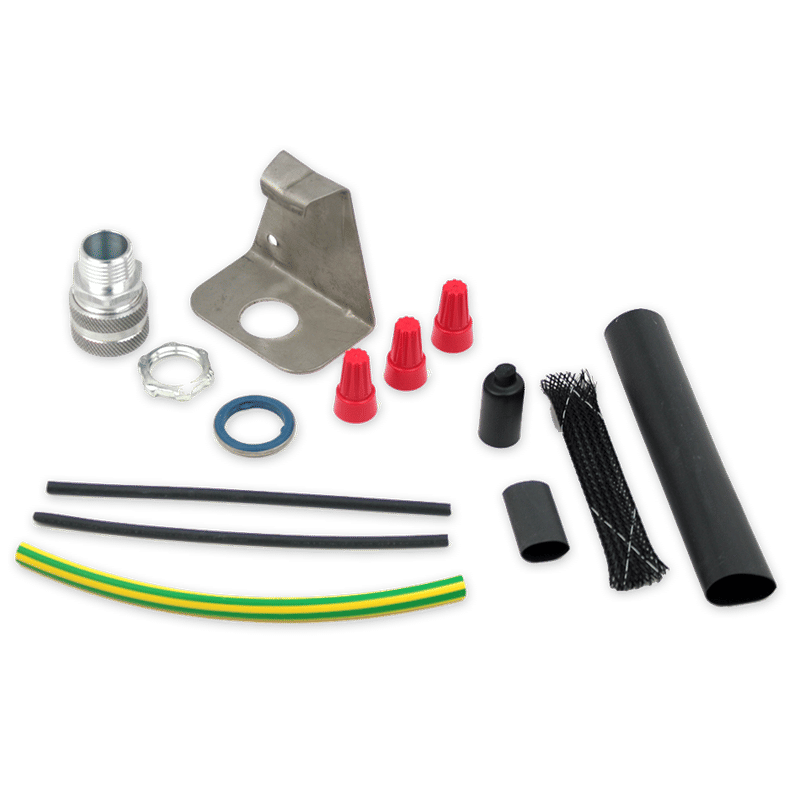
This kit includes materials needed for hardwired installation of self-regulating cable heating systems.
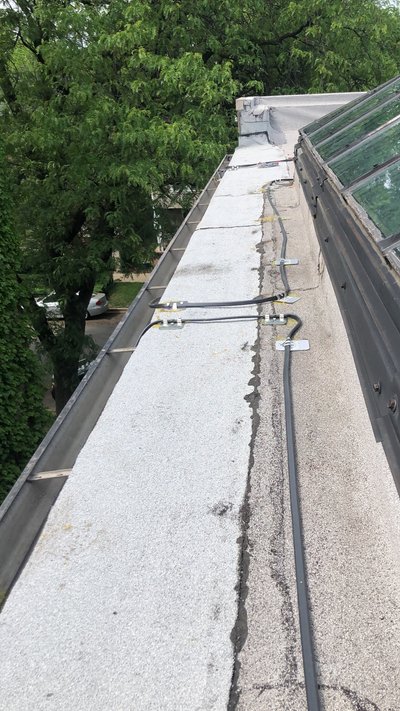
Featured Roof & Gutter Heat Tape Projects
See how customers are using roof and gutter deicing controls in their projects.
Frequently Asked Questions
Showing all 6 questions
Yes. The SCW-120-15A WiFi switch includes built-in WiFi and connects to the WarmlyYours SmartControl app. From your smartphone you can turn the deicing system on or off remotely, create manual schedules, and monitor system status from anywhere with an internet connection.
For automatic operation combined with remote monitoring, you can pair an automatic control (SCP-120, SCE-120, or SCA-DUAL) with the aerial sensor—the system runs itself based on real weather conditions while you can still check in remotely using the SCW-120-15A if needed for manual override.
The other controls (SCP-120, SCE-120, SCA-DUAL, SCM-DUAL, AIR-STAT) are standard hardwired controls without built-in WiFi connectivity.
Each WarmlyYours roof deicing control has a maximum rated load:
- SCV-DUAL — 16A (built-in sensor, outdoor-rated enclosure)
- SCP-120 — 24A at 120V
- SCA-DUAL — 30A at 240V
- SCE-120 — 3 × 16A (three-zone control)
- SCM-DUAL / SCW-120-15A — 15–20A depending on model
- AIR-STAT — 22A at 240V
If your roof deicing installation exceeds the capacity of a single control—common for large commercial rooflines, multiple gutters, or multi-zone systems—you will need a relay panel. A relay panel uses the low-current signal from your control to switch heavy-duty contactors, allowing a single control to manage a system far larger than it could handle directly.
Our free system design service will confirm whether a relay panel is required for your installation and which model is correct.
Ice dams form when heat from your attic melts snow on your roof, which then refreezes at the cold roof edge, creating a barrier that traps water and causes leaks.The ice dam formation process:
- Heat escapes from attic (poor insulation or ventilation)
- Snow melts on warm upper roof (heat rises to roof surface)
- Water flows down to cold roof edge (eaves are colder because they overhang the house)
- Water refreezes at roof edge (forms ice dam barrier)
- Water backs up under shingles (trapped water causes leaks and damage)
Common causes:
- Poor attic insulation (heat escapes through ceiling)
- Inadequate ventilation (warm air trapped in attic)
- Complex roof design (valleys, dormers create problem areas)
- Heavy snowfall (more snow = more melting potential)
- Temperature fluctuations (freeze-thaw cycles worsen ice buildup)
Why heating cables solve the problem:
- Prevent refreezing (keep roof edge above freezing)
- Create drainage pathways (melt channels for water to flow)
- Protect vulnerable areas (target gutters, valleys, eaves)
Long-term solution: Combine heating cables with proper insulation and ventilation for maximum protection. Learn more about ice dam prevention.
The Aerial Sensor (AIR-SS-2) is a standalone sensor that mounts above the heated area—typically on a fascia board, eave, or exterior wall post. It continuously monitors two conditions:
- Air temperature — Checks whether outdoor temperature is below freezing (or close to it).
- Precipitation — Detects the presence of snow, rain, or ice above the sensor.
When both conditions are met (cold enough + moisture present), the sensor signals the automatic control to activate the roof deicing system. When conditions improve—the temperature rises or precipitation stops—the system shuts off.
The aerial sensor is compatible with the following automatic controls: SCP-120, SCE-120, and SCA-DUAL. It mounts externally and does not require embedding in the roof structure, making it suitable for both new and retrofit installations.
Automatic controls use an aerial sensor to monitor outdoor conditions and activate your roof deicing system only when temperatures are cold enough and moisture is present. The system turns on when it is needed and shuts off automatically—you never have to think about it. This is the recommended approach for most installations because it prevents ice dams before they form and avoids running the system unnecessarily.
Manual controls give you direct on/off control of the system:
- The SCM-DUAL contactor switch includes a 24-hour programmable timer so you can schedule fixed operating windows during known storm hours.
- The SCW-120-15A WiFi switch lets you turn the system on or off remotely from a smartphone app, and also supports manual scheduling.
Automatic controls are strongly recommended for roofs and gutters in climates with frequent freeze-thaw cycles or unpredictable weather. Manual controls are a lower-cost option for small installations or properties where someone can monitor conditions closely.
Turn on roof heating cables when temperatures drop to 32°F (0°C) or below and snow/ice is forecast. For optimal protection, use automatic controls that activate cables based on temperature and moisture conditions.Manual operation:
- Turn on: When temps reach 32°F and snow is expected
- Turn off: When temps rise above 40°F and all ice/snow has melted
- Monitor: Check daily during winter storms
Automatic operation (recommended):
- Thermostat control: Activates at preset temperature (typically 32–38°F)
- Moisture sensor: Detects snow/ice and activates automatically
- WiFi control: Remote monitoring and weather-based activation
Optimal operating temperatures:
- 10–34°F: Peak ice dam formation range (cables should run continuously)
- Below 10°F: Less ice dam risk (snow is drier), but cables should still run
- Above 34°F: Ice dams less likely, but cables can help clear remaining snow
Operating tips:
- Start early: Turn on cables before snow accumulates for best results
- Run during melting: Keep cables on until all snow/ice has melted and drained
- Extend runtime: Run cables for 2–4 hours after snow stops to ensure complete drainage
Energy-saving tip: Smart controls can reduce operating costs by 30–50% by running cables only when needed. Shop control options.