
Pipe Freeze Protection Controls
Choose from a wide variety of control options for WarmlyYours PRO-Tect pipe freeze protection systems—from a simple air-sensing thermostat to dual-zone digital controllers with adjustable GFEP and precise temperature setpoints.

Every WarmlyYours Control Includes
Every control ships ready to install with everything you need—sensor included, no surprises.
Pipe Freeze Protection Controls Comparison
Compare features across all available pipe freeze protection control options to find the perfect solution for your project.
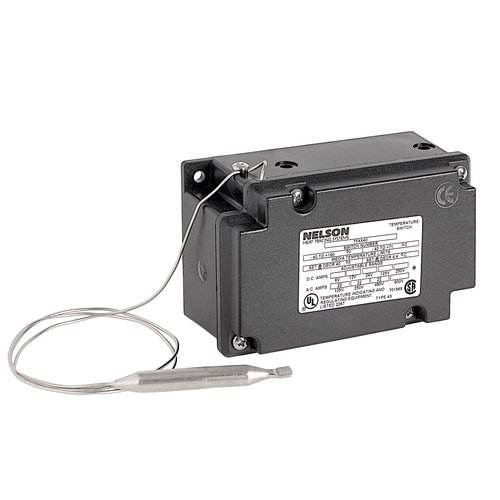
Temperature-only freeze protection
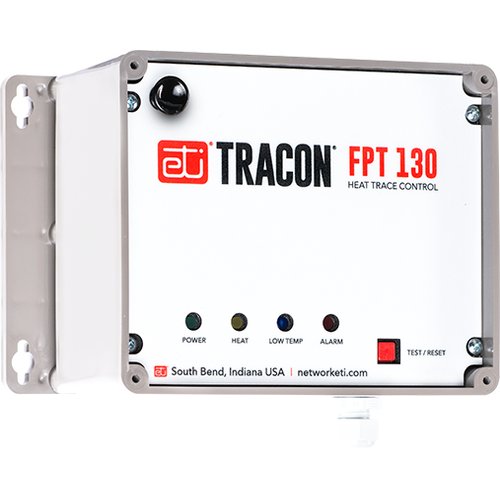
Adjustable pipe freeze protection control with 4 temp. set points: 30, 38, 45, & 50°F. Includes sensor & built-in relay.
Need Help Choosing the Right Freeze Protection Control?
Our radiant experts have helped over 100,000 customers choose the right system. Get personalized advice—free, typically within one business day.
Frequently Asked Questions
Showing all 7 questions
Heat tape works by wrapping around the exterior of a pipe and transferring warmth directly to the pipe, maintaining water temperature above freezing (32°F/0°C) to prevent ice formation.How it works step-by-step:
- Wrap the cable: Heat tape wraps around the pipe in a spiral pattern
- Power activation: Cable receives power from a thermostat or control system
- Heat generation: Heating elements generate warmth (watts per linear foot)
- Heat transfer: Warmth transfers through the tape to the pipe wall
- Temperature maintenance: Pipe stays above 32°F, preventing ice formation
- Automatic shutoff: System stops when temperature rises (smart controls)
Cable types determine operation:Self-Regulating Cables:
- Technology: Polymer core that adjusts resistance based on temperature
- Benefit: Uses less energy as temps rise (more efficient)
- Heat output: 3–5 watts per linear foot (varies with temperature)
Constant Wattage Cables:
- Technology: Fixed resistance that delivers consistent heat
- Benefit: Simple, reliable, predictable performance
- Heat output: 7–10 watts per linear foot (constant)
Control options determine activation:
- Manual control: You turn on/off manually
- Thermostat control: Activates at preset temperature (typically 32–40°F)
- Smart control: Remote operation + automatic weather-based activation
Watch our installation videos to see heat tape in action.
WarmlyYours offers four thermostat and controller options for PRO-Tect pipe freeze protection heating systems:
- Air Sensing Thermostat (AIR-STAT) — A simple automatic thermostat with a capillary bulb sensor. Activates when air temperature drops to 40°F and shuts off when it warms back up. Lowest-cost automatic option. Rated for 22A at 240V. NEMA 4X outdoor enclosure.
- Economy Pipe Thermostat (PT-ECONOMY) — Four fixed temperature setpoints (30°F, 38°F, 45°F, 50°F), built-in GFEP, LED status indicators, and a 20-foot sensor lead. Rated for 30A. Good for standard residential and light commercial installations.
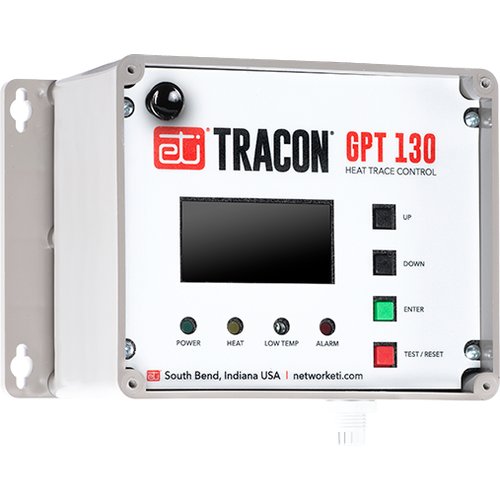
- Single-Zone Digital Thermostat (PT-SINGLE) — Fully adjustable setpoint (-99.9°F to 999°F) with a 2.7" display, adjustable GFEP (1–300mA), and a 100k ohm NTC sensor with 20-foot lead. Rated for 30A. Best for precise temperature control.
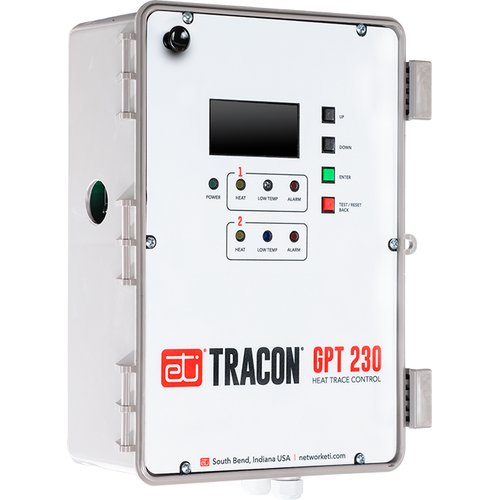
- Dual-Zone Digital Thermostat (PT-DUAL) — Same digital control as the PT-SINGLE but manages two independent heating circuits from a single enclosure. Includes two sensors. Best for large installations or multi-zone pipe protection.
All controls include the sensor, feature NEMA 4X weatherproof enclosures, and are rated for non-hazardous locations. Contact our radiant experts for help selecting the right control for your project.
GFEP stands for Ground Fault Equipment Protection. It is a safety circuit that continuously monitors the current flowing through your heating cable. If a ground fault is detected (current leaking to ground, which can indicate damaged cable insulation), the GFEP trips the circuit and shuts the system off.
GFEP is important for pipe freeze protection systems because:
- Heating cables are often installed in damp or wet environments (under pipes, in crawl spaces) where insulation damage is more likely.
- A ground fault in a high-current heating circuit can cause fire, shock hazard, or cable failure.
- GFEP trips before the fault escalates, protecting your property and your heating system.
The PT-ECONOMY includes a fixed 30mA GFEP. The PT-SINGLE and PT-DUAL have adjustable GFEP (1–300mA) so you can set a sensitivity level appropriate for your installation. The AIR-STAT does not include GFEP.
If your installation is in a wet or damp location, WarmlyYours recommends choosing a control with built-in GFEP for maximum protection.
The correct temperature setpoint depends on which control you have and where the sensor is installed:
Air Sensing Thermostat (AIR-STAT) — Fixed setpoint of 40°F. The system activates when air temperature drops to this level and shuts off when it warms up. No adjustment needed.
Economy Thermostat (PT-ECONOMY) — Four preset options: 30°F, 38°F, 45°F, or 50°F. For most pipe freeze protection applications, 38°F or 40°F is a good starting point—it activates the cable before pipes reach freezing temperatures.
Digital Thermostats (PT-SINGLE / PT-DUAL) — Fully adjustable. A common recommendation is to set the activation point between 35°F and 40°F if measuring air temperature near the pipes, or slightly higher (45°F–50°F) if the sensor is measuring pipe surface temperature directly.
For specific guidance on setpoint and sensor placement for your installation, contact our radiant experts—we can help you set up the system correctly for your climate and pipe location.
Self-regulating and constant wattage heat tapes both prevent frozen pipes, but they work differently:Self-Regulating Heat Tape:
- How it works: Automatically adjusts heat output based on temperature (more heat when colder, less when warmer)
- Energy efficiency: Uses 30–50% less energy than constant wattage
- Upfront cost: $350–$800+ (higher initial investment)
- Operating cost: $30–$80 per winter season
- Lifespan: 15–25 years
- Installation: Requires licensed electrician (adds $200–$600)
- Best for: Homeowners wanting long-term energy savings and maximum efficiency
- Safety: Cannot overheat (self-limiting technology)
Constant Wattage Heat Tape:
- How it works: Delivers fixed heat output regardless of temperature
- Energy efficiency: Uses more energy (runs at full power always)
- Upfront cost: $30–$200 (lower initial investment)
- Operating cost: $50–$100 per winter season
- Lifespan: 10–15 years
- Installation: DIY-friendly (plug-in models available)
- Best for: Budget-conscious homeowners or short-term solutions
- Safety: Requires thermostat to prevent overheating
WarmlyYours recommendation: Self-regulating cables offer better long-term value—they pay for themselves in 3–5 years through energy savings and last longer. However, constant wattage is ideal for quick, budget-friendly protection. Read our detailed comparison.
You need the PT-DUAL dual-zone thermostat when your pipe freeze protection installation has two independent heating circuits that you want to control from a single enclosure.
Common scenarios that require dual-zone control:
- Two separate pipe runs in different areas (e.g. crawl space and exposed exterior plumbing)
- A large installation that was split across two circuits to stay within the 30A per-circuit load limit
- Two different pipe materials or exposure levels that benefit from independent temperature setpoints
The PT-DUAL includes two sensors and two independent sets of controls in one NEMA 4X enclosure. Each zone can have its own temperature setpoint and operates independently.
If you only have one heating circuit, the PT-SINGLE is sufficient. If you are unsure how many circuits your installation requires, our free system design service will tell you exactly what you need.
Turn on heat tape when temperatures drop to 20°F (-6°C) or below and are expected to stay there for 6+ hours. For optimal protection, use automatic controls that activate cables based on temperature conditions.Manual operation:
- Turn on: When temps forecast to reach 20°F or below for extended periods
- Turn off: When temps rise above 40°F and stay there for 24+ hours
- Monitor: Check daily during cold snaps
Automatic operation (recommended):
- Thermostat control: Activates at preset temperature (typically 32–40°F)
- Smart control: Remote monitoring and weather-based activation
- Timer control: Set schedule for coldest overnight hours
Optimal operating temperatures:
- Below 20°F: Peak freezing risk (heat tape should run continuously)
- 20–32°F: Moderate risk (run heat tape, especially overnight)
- Above 32°F: Lower risk, but vulnerable pipes may still need protection
Operating tips:
- Start early: Turn on heat tape before temperatures drop for best results
- Run overnight: Pipes freeze most often during coldest overnight hours
- Extend runtime: Keep heat tape on until temps stay above 40°F for 24+ hours
- Don't turn off too early: Pipes can freeze during brief cold snaps
When to activate by region:
- Northern climates: October–April (extended winter season)
- Moderate climates: November–March (core winter months)
- Southern climates: December–February (occasional freezes)
Energy-saving tip: Smart controls can reduce operating costs by 30–50% by running cables only when needed. They monitor weather forecasts and activate automatically. Shop control options.
Emergency activation: If you forgot to turn on heat tape and temps drop suddenly, activate immediately and let water drip from faucets until pipes warm up.