
Snow Melting Slab Sensor Kit (ETOG-56 Sensor + Housing)


Snow Melting Sensors Description
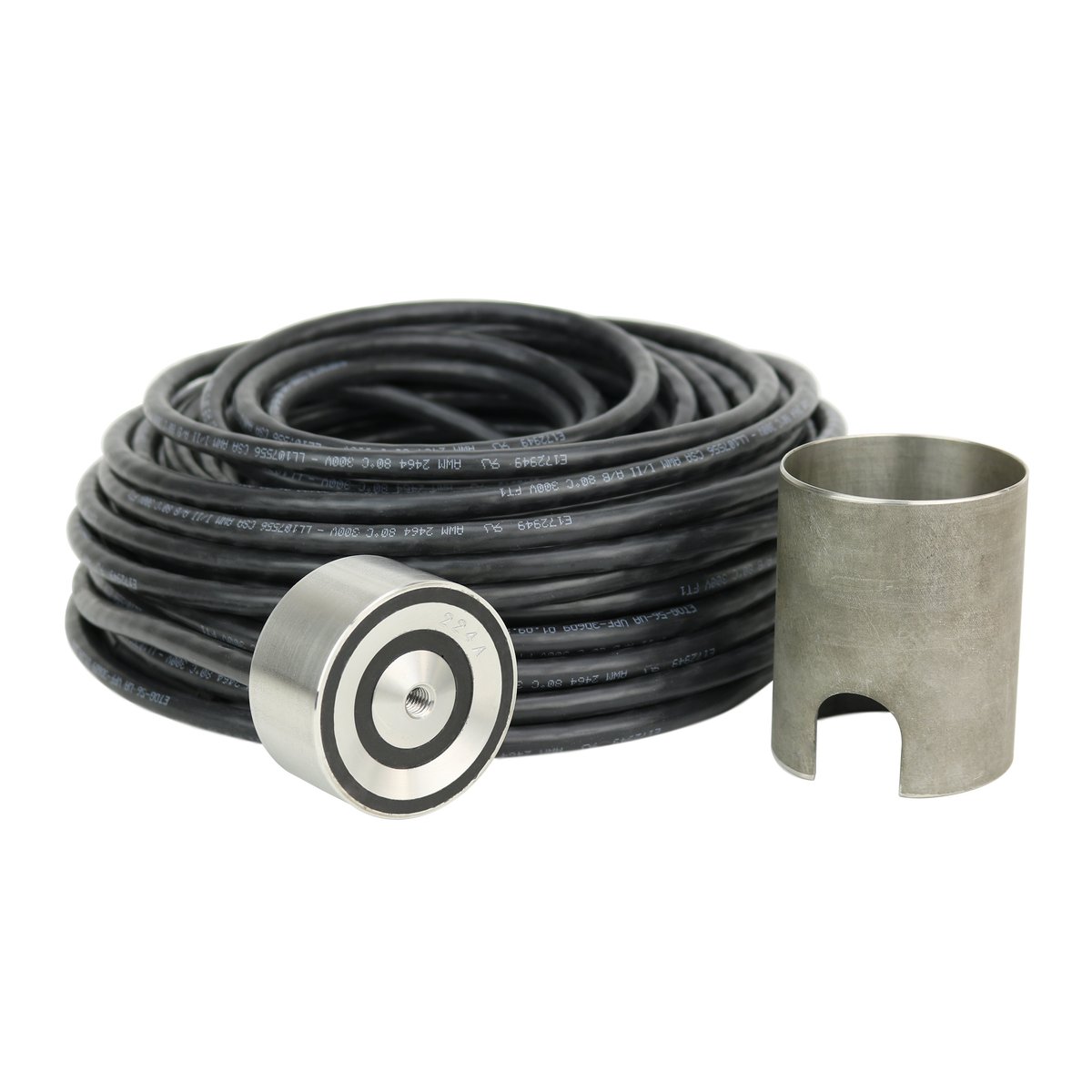
This sensor kit includes a ground sensor and a sensor tube. The sensor tube functions as a housing, which allows for the ground sensor to be more easily replaced than if it was directly embedded in the outdoor surface. This kit is compatible with the SCE-120 Snow Melting Economy Control. The ground sensor, type ETOG-56, is designed for embedding in the outdoor surface using the ETOK-1 sensor tube. The ground sensor detects both temperature and moisture.
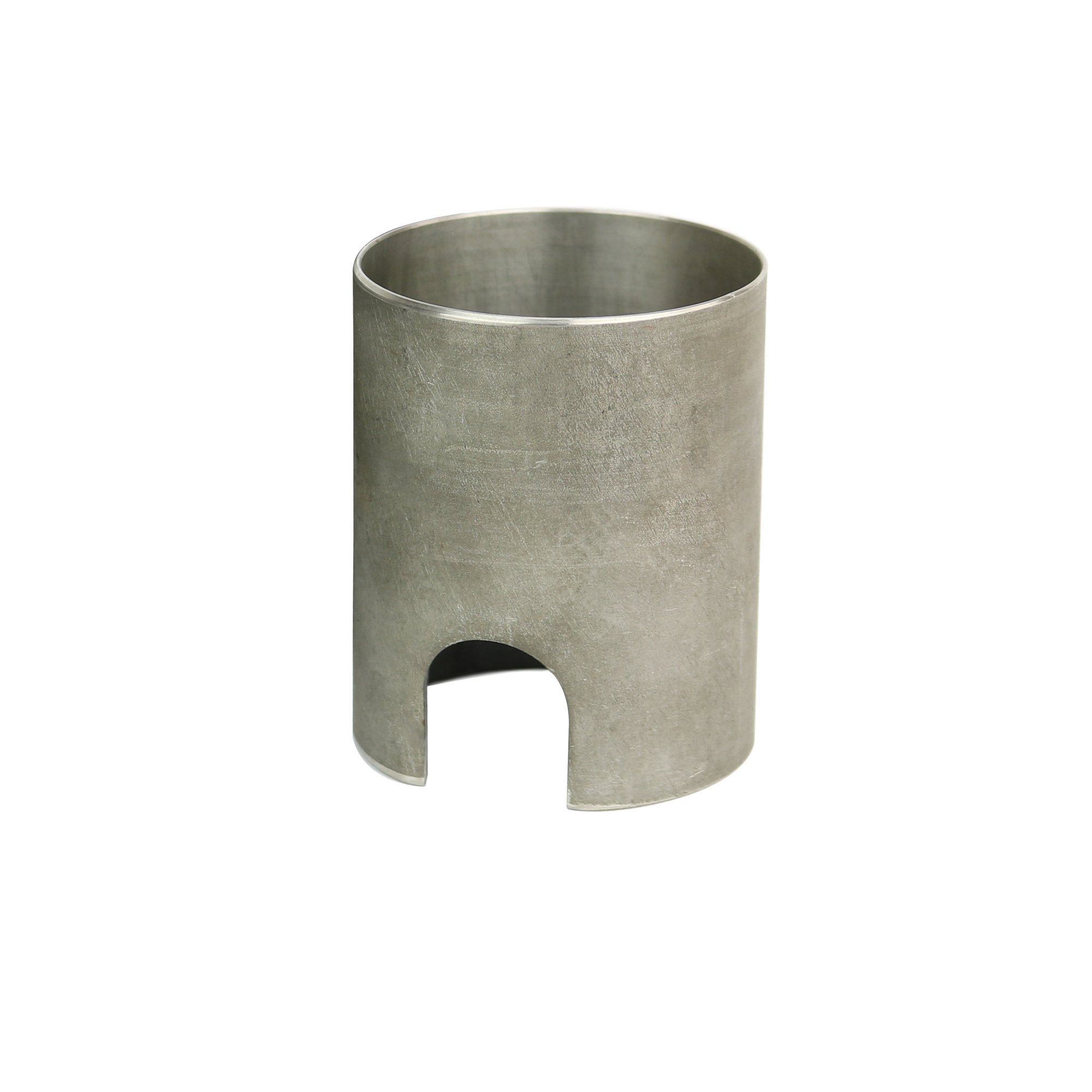
The sensor tube, type ETOK-1, is a mounting tube for ETOG-56, supplied with a wood plug for covering the ETOK-1 hole during installation.
Two ETOG-56 ground sensors can be connected to the SCE-120 Controller to keep large areas ice-free, even if they are exposed to a range of different conditions. Where an asphalt surface is used, or where easy installation is desired, installing ETOG-56 together with ETOK-1 is the obvious choice.
Cannot be used as a replacement for ETOG-55.
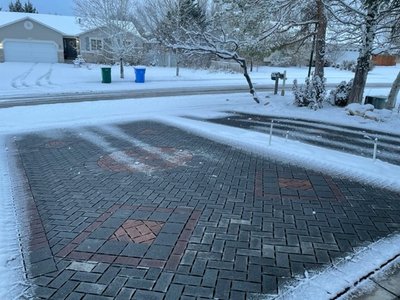
Learn more about snow melting systems. Perfect for heated driveways, patios, walkways and paths, accessibility ramps, or even stairs.
Specifications
Product Dimensions (SCE-SLAB-SS-56)
| Length | 8½″ |
| Weight | 3 lbs |
| Width | 8½″ |
Product Dimensions (SCE-SLAB-MT-56)
| Length | 8½″ |
| Weight | 3 lbs |
| Width | 8½″ |
Identifiers (SCE-SLAB-SS-56)
| SKU | SCE-SLAB-SS-56 |
Identifiers (SCE-SLAB-MT-56)
| SKU | SCE-SLAB-MT-56 |
Warranty / Certifications (SCE-SLAB-SS-56)
| Warranty | 2 years |
Warranty / Certifications (SCE-SLAB-MT-56)
| Warranty | 2 years |
See This Product in Action

Frequently Asked Questions
Showing all 5 questions
Yes. Concrete installations are the best candidate for slab sensors because the sensor can be poured directly into the slab alongside the heating cables. Slab sensors measure the surface temperature and moisture level of the concrete, activating the system only when conditions call for melting.
Slab sensors are not limited to concrete: the SLAB-SS specification includes an asphalt installation procedure. Set the sensor flush with the surface, between cable runs.
WarmlyYours snow melting systems support two types of sensors for automatic operation:
Aerial sensor — Mounted above the heated surface (typically on a post or wall), this sensor measures air temperature and detects precipitation. The control activates the system when both conditions are met (cold enough and moisture is present). Aerial sensors are the most common choice because they respond quickly to changing weather and do not require embedding during installation.
Slab sensor — Embedded directly in the concrete or pavers during installation, this sensor measures the surface temperature of the slab. It activates the system when the slab drops below a set threshold and shuts off once the surface reaches the desired temperature. Slab sensors offer precise control over surface conditions but must be installed before the slab is poured.
If you are pouring a new slab, a slab sensor gives the most accurate control. For retrofit or overlay installations, an aerial sensor is typically the better choice. Some controllers support both sensor types simultaneously for enhanced reliability.
Our systems can handle low temperatures, but many controls come equipped with a Low-Temperature Lockout Feature. This feature prevents the system from running in very low temperatures. At very low temperatures it can become difficult for the system to effectively melt the snow. It is however possible to turn off this feature should you need the system to keep running during such low temperatures.
All of our automatic controllers have a Hold-on time feature after the initial warming up of the snow melt system. This feature ensures that all the snow is melted from the surface, and also that the system continues to operate and evaporate the surface water without it refreezing.
The snow melting system is not operated by a thermostat, it is operated by either an automatic or manual controller. A snow melting controller does not maintain temperatures like an indoor thermostat does. An automatic snow melting controller only turns the snow melting system on when it detects precipitation and the temperature outdoors is below the set temp (typically 37.4°F / 3°C).

