
What are Radiant Heating Panels
last updated june 11, 2026

In This Article
When the winter chill sets in, finding an efficient and comfortable way to warm your home becomes a top priority. Traditional heating systems often leave rooms feeling stuffy, circulate dust, and create uneven temperature zones. Enter a modern, elegant, and highly efficient alternative: radiant heating panels. Radiant heating panels, also called infrared heating panels, are revolutionizing the way we think about indoor climate control. By utilizing the same natural heating principles as the sun, a radiant panel heater provides direct, gentle, and consistent warmth that transforms any living space into a cozy sanctuary. In this comprehensive guide, we will explore what radiant heating panels are, how they work, their myriad benefits, and why they might be the perfect heating solution for your home or office.
What is a Radiant Panel Heater?
At its core, a radiant panel heater is a specialized heating device designed to emit infrared radiation, which directly warms people and objects in a room rather than simply heating the air. Unlike conventional forced-air systems or baseboard heaters that rely on convection—warming the air and waiting for it to circulate—radiant heating panels deliver immediate, targeted warmth.
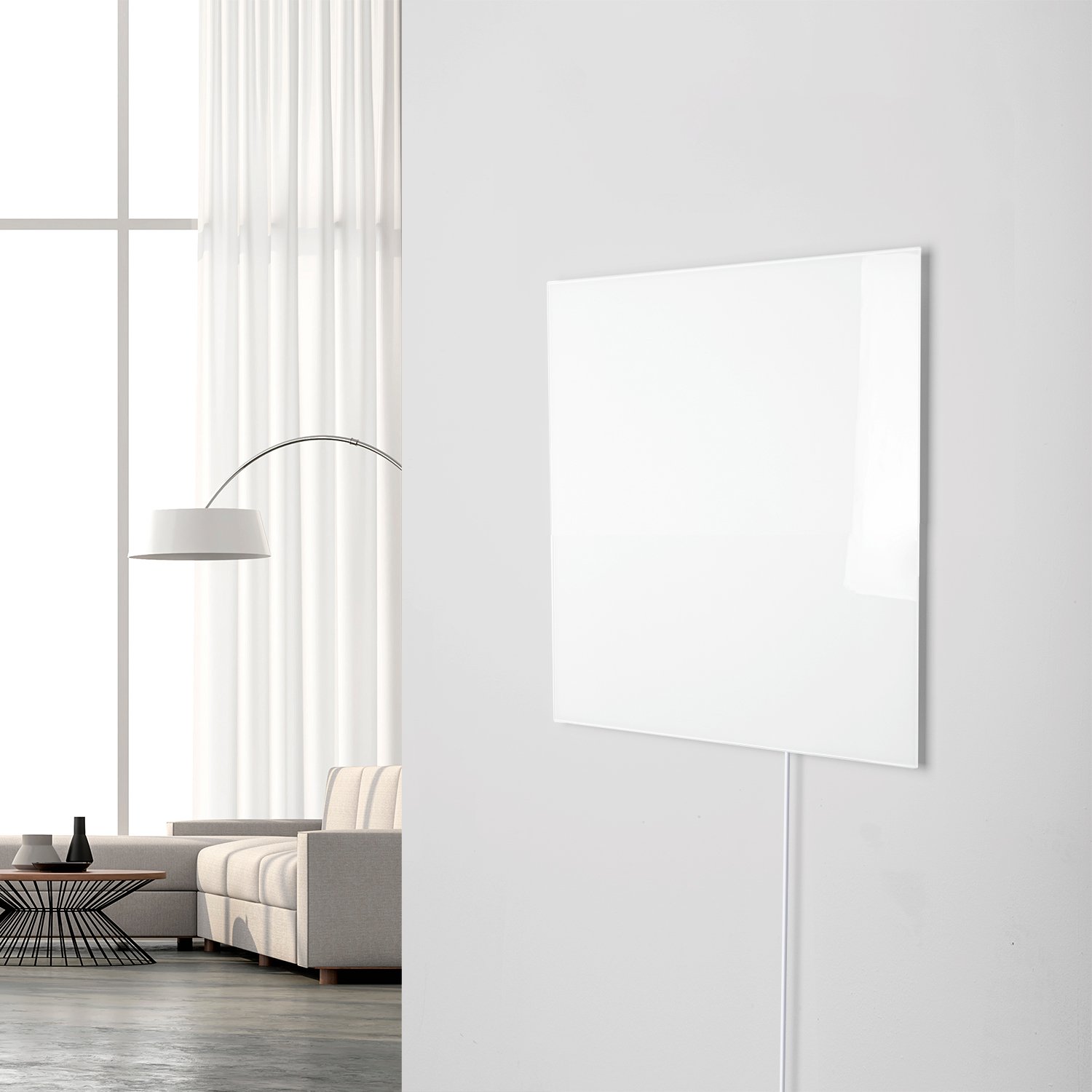
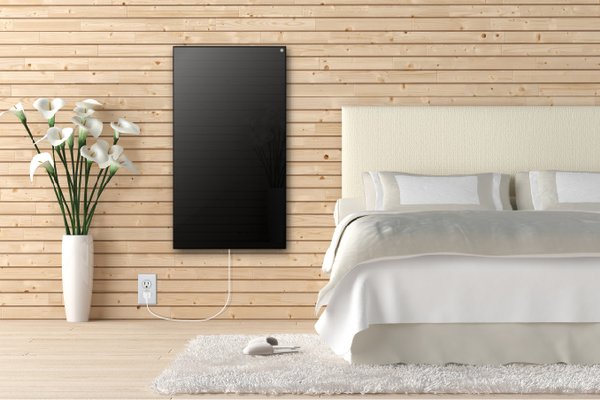
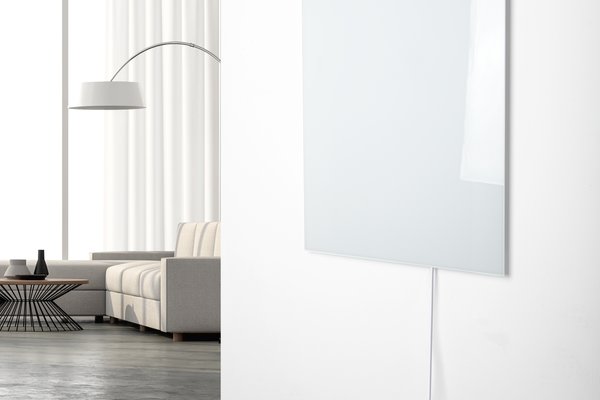
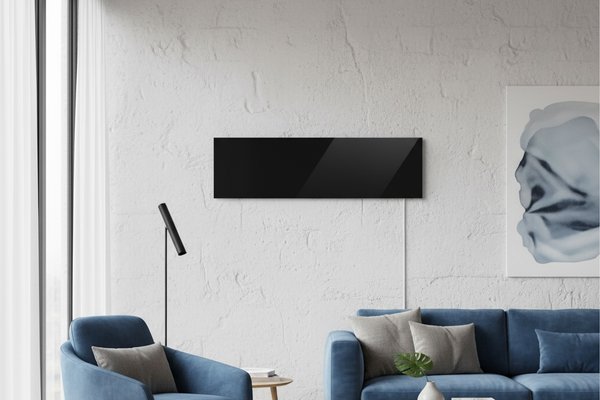
These panels are typically slim, sleek, and unobtrusive, often resembling flat-screen televisions, whiteboards, or even decorative art pieces. They can be mounted on walls or ceilings, seamlessly blending into your existing décor while providing powerful heating performance. Because they do not rely on blowing air, radiant heating panels operate silently and do not disturb dust, allergens, or pet dander, making them an excellent choice for allergy sufferers and those seeking a cleaner indoor environment.
The technology behind a infrared heating panel is both simple and highly advanced. Inside the panel, a heating element (often made of carbon crystal or similar conductive materials) is safely encased. When electricity flows through this element, it generates far-infrared heat. This heat is then projected outward, traveling through the air until it strikes a solid object—be it a person, a piece of furniture, or the floor. The object absorbs the heat and gently radiates it back into the room, creating a deeply comfortable and evenly distributed warmth.
The Science of Infrared Heat: How Do Radiant Heating Panels Work?
To truly understand the magic of radiant heating panels, it helps to look at the science of infrared heat. Imagine stepping outside on a crisp, cold winter day. The air temperature might be freezing, but when the sun breaks through the clouds and shines on your face, you instantly feel warm. That feeling is infrared heat in action. The sun’s infrared rays travel through the cold vacuum of space and the Earth’s atmosphere without losing their energy, only converting to heat when they touch your skin.
Radiant heating panels replicate this exact natural process indoors. They emit far-infrared rays, which are part of the invisible light spectrum. These rays are completely safe and natural—in fact, they are the same type of heat used in neonatal incubators to keep premature babies warm.
When you turn on a radiant panel heater, it doesn’t waste time and energy trying to heat the entire volume of air in the room. Instead, the infrared waves travel directly to the solid objects and occupants. This means you feel the warmth almost instantly, even if the ambient air temperature is still relatively cool. Furthermore, because the objects in the room (walls, floors, furniture) absorb and retain this heat, they act as secondary heat sources, gently releasing warmth back into the space over time. This creates a “thermal mass” effect, ensuring that the room stays comfortable longer and reducing the need for the heater to run constantly.
Convection vs. Radiant Heating: A Clear Comparison
To appreciate the advantages of a radiant panel heater, it is useful to compare it to traditional convection heating. Convection heaters, such as forced-air furnaces, radiators, and space heaters, work by heating the air immediately surrounding them. As this air warms, it expands and rises to the ceiling. Cooler air then rushes in to replace it, gets heated, and rises in turn. This creates a continuous cycle of moving air.
However, convection heating has several inherent flaws:
- Heat Loss and Inefficiency: Because hot air rises, the warmest part of the room is often near the ceiling, where it does you no good. By the time the warm air circulates down to the living level, it has cooled significantly.
- Drafts and Uneven Temperatures: The constant movement of air creates drafts and leaves cold spots, particularly near the floor.
- Air Quality Issues: Forced-air systems blow dust, pollen, mold spores, and other allergens around the room, which can exacerbate respiratory issues. They also dry out the air, leading to dry skin and irritated sinuses.
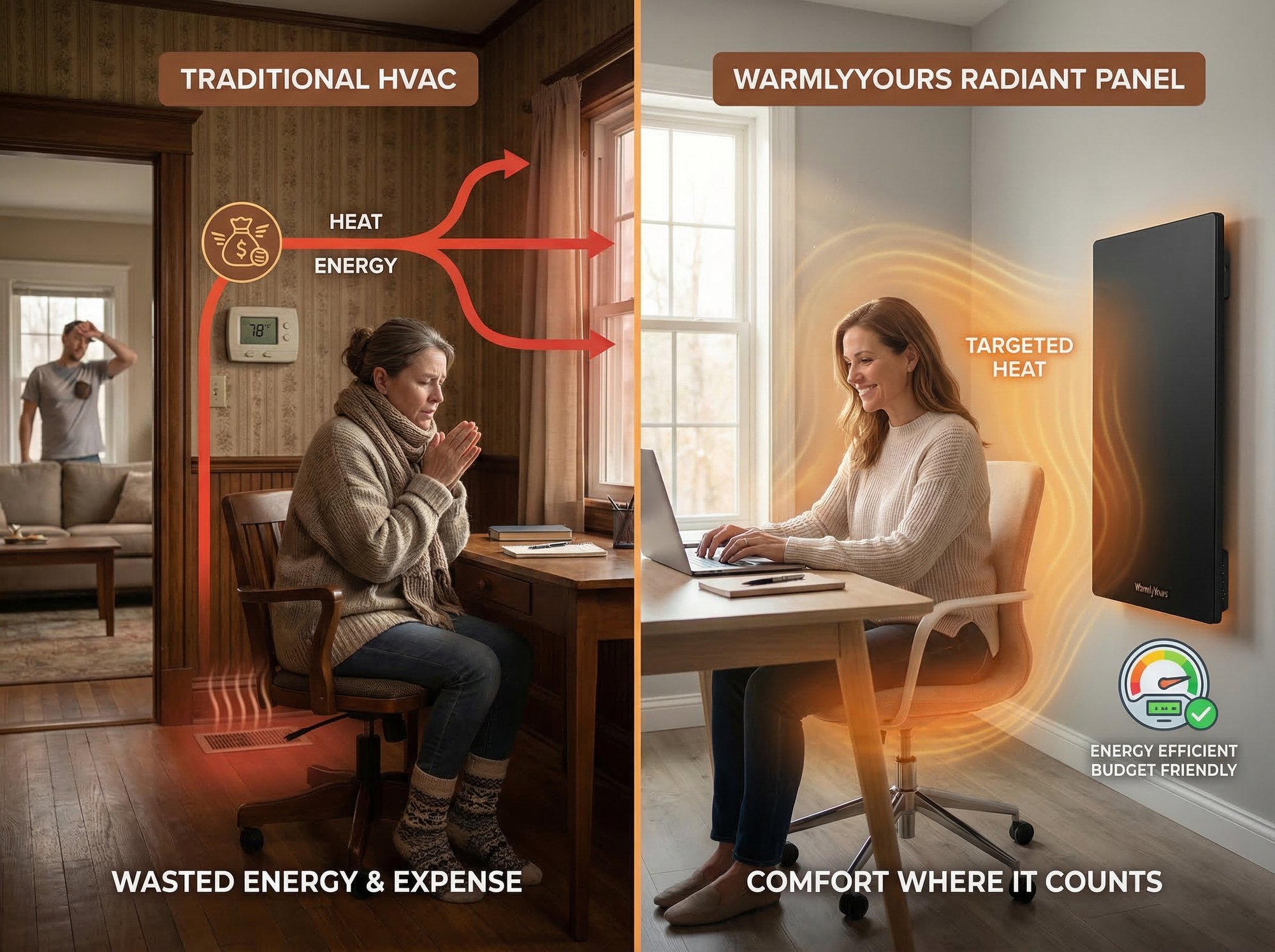
Radiant heating panels eliminate these problems. By heating objects directly, they ensure that the warmth stays where you need it—down at the living level. There are no drafts, no circulating allergens, and no wasted energy heating the ceiling. The result is a more comfortable, healthier, and more efficient heating experience.
Key Benefits of Radiant Heating Panels
Investing in radiant heating panels offers a multitude of benefits that go beyond simple temperature control. Here are some of the most compelling reasons to consider adding a radiant panel heater to your home:

1. Unmatched Energy Efficiency
Because radiant heating panels heat objects directly rather than the air, they are incredibly efficient. You can often feel comfortable at a lower ambient air temperature than you would with a convection heater, allowing you to turn down your thermostat by several degrees without sacrificing comfort. This direct transfer of heat means less energy is wasted, translating to significant savings on your monthly utility bills.
2. Zone Heating Capabilities
Radiant heating panels are perfect for zone heating. Instead of running a central furnace to heat the entire house—including empty guest rooms or unused spaces—you can install panels in the specific rooms you use most. By only heating the occupied zones, you drastically reduce your overall energy consumption.
3. Healthier Indoor Air Quality
As mentioned earlier, radiant panels do not rely on fans or blowers. They do not circulate dust, pet dander, or allergens, making them the ideal heating solution for individuals with asthma or allergies. Additionally, infrared heat does not dry out the air, helping to maintain a comfortable humidity level in your home during the dry winter months.
4. Sleek, Space-Saving Design
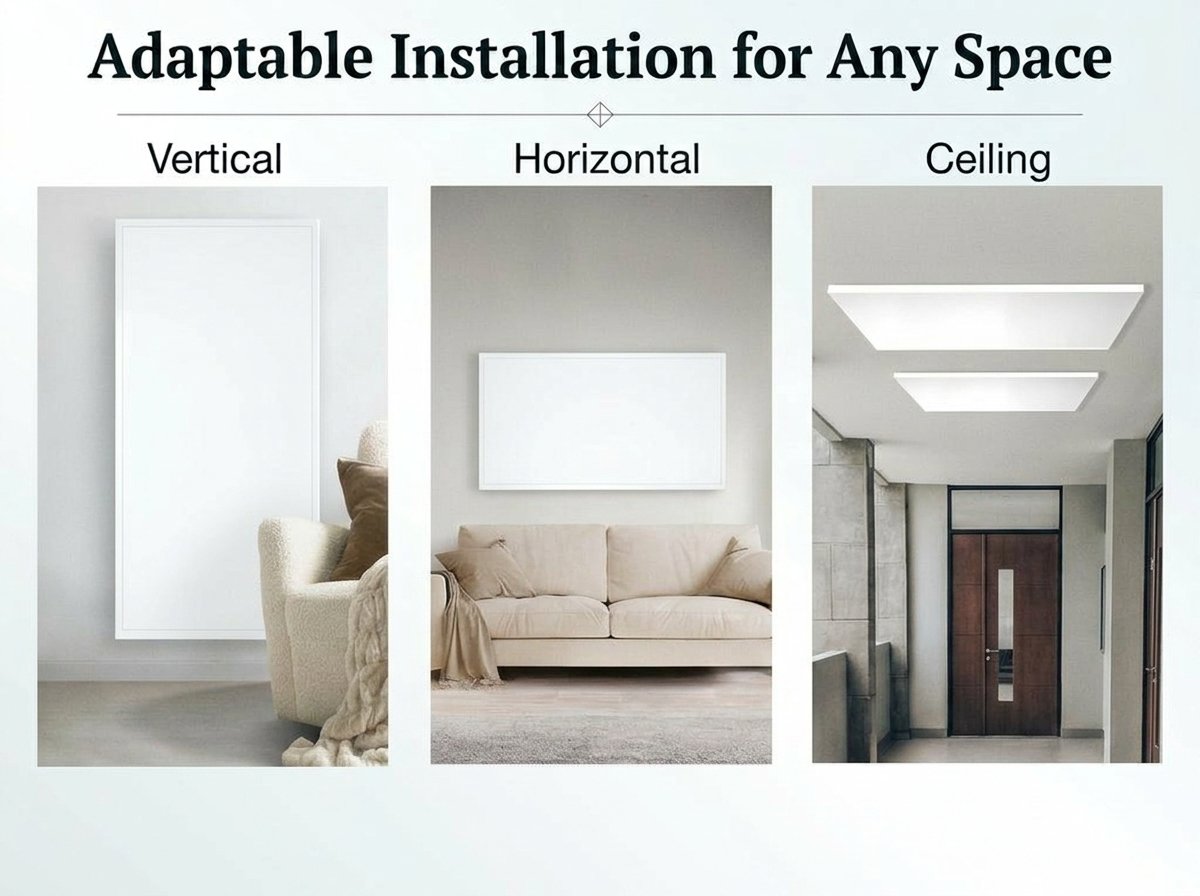
Traditional radiators and baseboard heaters are often bulky and dictate where you can place your furniture. Radiant heating panels, on the other hand, are incredibly thin and can be mounted high on the wall or even on the ceiling. This frees up valuable floor space and allows for complete freedom in interior design. Many panels feature a minimalist, modern aesthetic that complements any décor.
5. Silent Operation and Zero Maintenance
With no moving parts, fans, or compressors, radiant heating panels operate in absolute silence. You won’t hear the clicking, humming, or whooshing sounds associated with traditional HVAC systems. Furthermore, because there are no filters to change, ducts to clean, or moving parts to wear out, radiant panels require virtually zero maintenance. Once installed, they provide reliable, hassle-free warmth for years to come.
Ideal Applications: Where to Install Your Radiant Panel Heater
The versatility of radiant heating panels makes them suitable for a wide variety of applications, both residential and commercial. Here are some of the most popular places to install them:
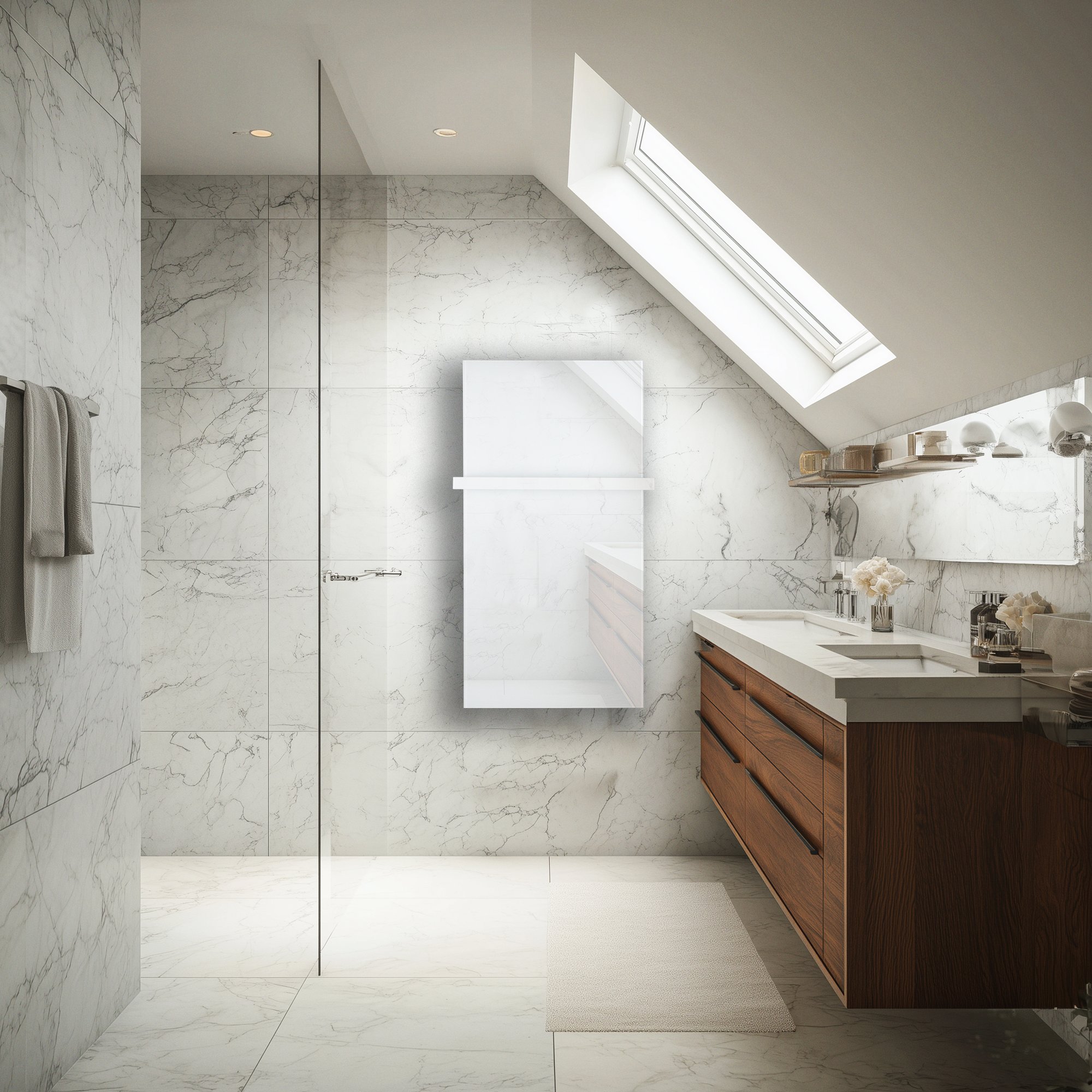
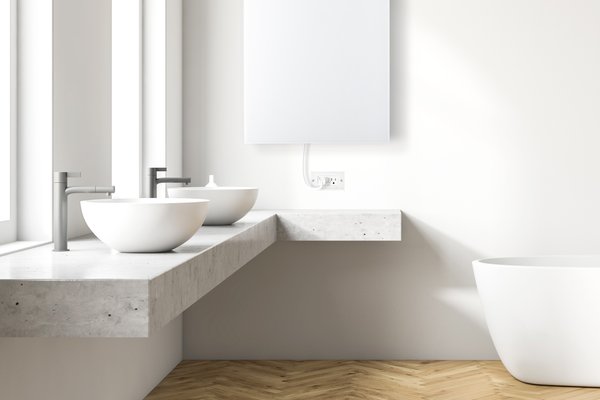
- Bathrooms: Stepping out of a warm shower into a freezing bathroom is a miserable experience. A radiant panel heater can quickly warm the space and the objects within it (including your towels), creating a spa-like environment.
- Bedrooms: For a restful night’s sleep, many people prefer a cooler ambient room temperature but still want to feel warm in bed. A radiant panel mounted on the wall or ceiling can provide gentle, silent warmth without drying out the air or creating drafts.
- Living Rooms and Home Offices: These are the spaces where we spend the most time. Zone heating with radiant panels ensures these rooms stay cozy without the need to heat the entire house.
- Yoga Studios and Gyms: Infrared heat is highly prized in hot yoga studios because it warms the body directly, promoting flexibility and circulation without making the air uncomfortably stuffy.
- Hard-to-Heat Spaces: Rooms with high ceilings, large windows, or poor insulation are notoriously difficult to heat with convection systems. Radiant panels bypass the air entirely, delivering heat directly to the occupants and making these spaces comfortable again.
Choosing the Right Radiant Heating Panels for Your Space
When selecting a radiant panel heater, there are a few key factors to consider. First, you need to determine the correct wattage for your space. As a general rule of thumb, you will need approximately 10 watts of heating power per square foot of space, although this can vary depending on the room’s insulation and ceiling height.
Next, consider the placement. Wall mounting is the most common and straightforward option, but ceiling mounting is excellent for freeing up wall space and providing an even distribution of heat from above. Finally, look for panels with smart controls or compatibility with programmable thermostats, which will allow you to optimize your heating schedule and maximize your energy savings.
Conclusion
Radiant heating panels represent a significant leap forward in home heating technology. By harnessing the natural power of infrared heat, they offer a superior alternative to traditional convection systems. Whether you are looking to supplement your existing heating system, create a cozy zone in your home office, or upgrade your entire home’s climate control, a radiant panel heater provides efficient, healthy, and incredibly comfortable warmth.
Ready to upgrade your home’s heating and experience the comfort of the sun indoors? Visit our infrared heating panels page to explore our full collection of sleek, energy-efficient radiant heating solutions.
Bring the Comfort of the Sun Indoors
Radiant heating panels deliver efficient, healthy, and beautifully even warmth — without the drafts, noise, or circulating dust of traditional convection systems. Whether you want to supplement your current setup, warm a single zone, or rethink how your whole home stays comfortable, there is a panel built for the way you live.
Explore our full collection of infrared heating panels and find the sleek, energy-efficient solution that’s right for your space.
Frequently Asked Questions
An infrared heating panel has an electric element behind its face that warms up and emits long-wave (far) infrared radiation. Rather than heating the air like a fan or convection heater, that radiation passes through the air and is absorbed by the surfaces it reaches — walls, floors, furniture and people — which then gently re-radiate the warmth back into the room. The result is the same comfortable warmth you feel from the sun on a cold day, and you notice it almost immediately.
Yes, radiant heating panels are highly energy efficient. Because they heat people and objects directly rather than warming the air, they require less energy to maintain a comfortable temperature. This direct transfer of heat minimizes energy loss, often resulting in lower heating bills compared to traditional forced-air systems.
Radiant heating panels are incredibly versatile and can be installed in almost any room. They are commonly mounted on walls or ceilings in bedrooms, living rooms, kitchens, and bathrooms. Because they don’t rely on ductwork, they are an excellent solution for room additions, basements, or any space that needs supplemental heat.
Yes, infrared heating panels are highly effective. They use radiant heat transfer to directly warm people and objects in a room, similar to how the sun warms the earth. This method provides comfortable, even heat without circulating dust or allergens, making them an excellent choice for supplemental or primary heating in many spaces.
Have Questions About Your Project?
Our team of Radiant Experts is ready to help!
Related Articles
How do Radiant Infrared Heating Panels Work?
The Science of Radiant Heating: How Far Infrared Works
The Complete Guide to Infrared Heating Panels for Supplemental Heating
Best Electric Wall Heaters
Stay Updated
Get the latest radiant heating news and tips delivered to your inbox.

