

5 min
 Julia
Jun 15, 2017
Julia
Jun 15, 2017
Contact Us After Hours
Loading contact options...
My Account
Loading...

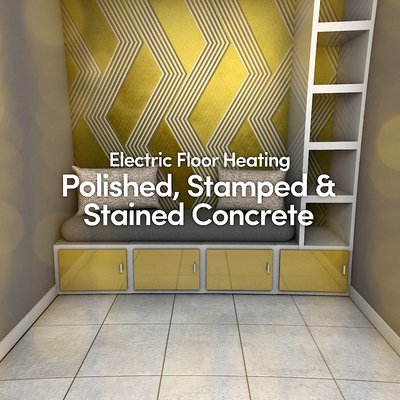
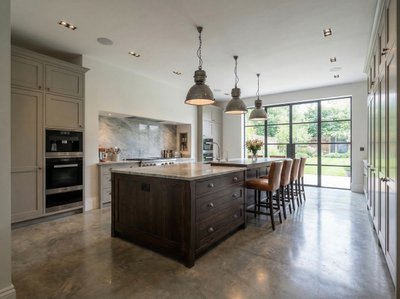
Electric radiant heating for polished, stamped, or stained concrete slab floors. Whether you're finishing a basement, building a garage, or pouring a new slab—heated concrete floors deliver silent, even warmth right where you need it.
Concrete is one of the best materials for radiant floor heating. Its thermal mass absorbs and stores heat, then releases it slowly and evenly—making heated concrete slab floors remarkably efficient.
The cost of a heated concrete floor depends on which heating system you choose and the size of the area. Slab heating mats typically range from $7–$11 per square foot, while slab heating cables with fixing strips cost around $4–$8 per square foot. Cables offer more layout flexibility for irregularly shaped rooms; mats cover large rectangular areas quickly.
For a typical 200 square foot basement zone with about 150 heated square feet, expect to spend between $600 and $1,650 on heating materials. Add a programmable thermostat ($100–$250) and you have a complete system. Operating costs are minimal—often under $1 per day for a single zone at average electricity rates.
Slab heating is especially cost-effective in new construction where cables are embedded directly in the concrete pour. If you're adding heat to an existing concrete floor with a finished floor covering on top, that's a different type of installation—see our floor heating systems for those projects.
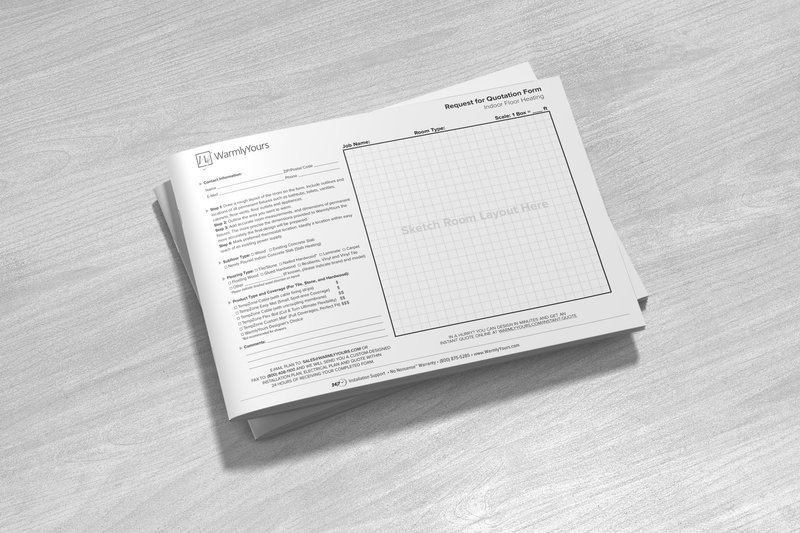
Get a custom installation plan for your concrete floor in just 1 business day.

"I'll create a custom installation layout showing exactly where your heating elements go, plus a complete materials list with pricing."
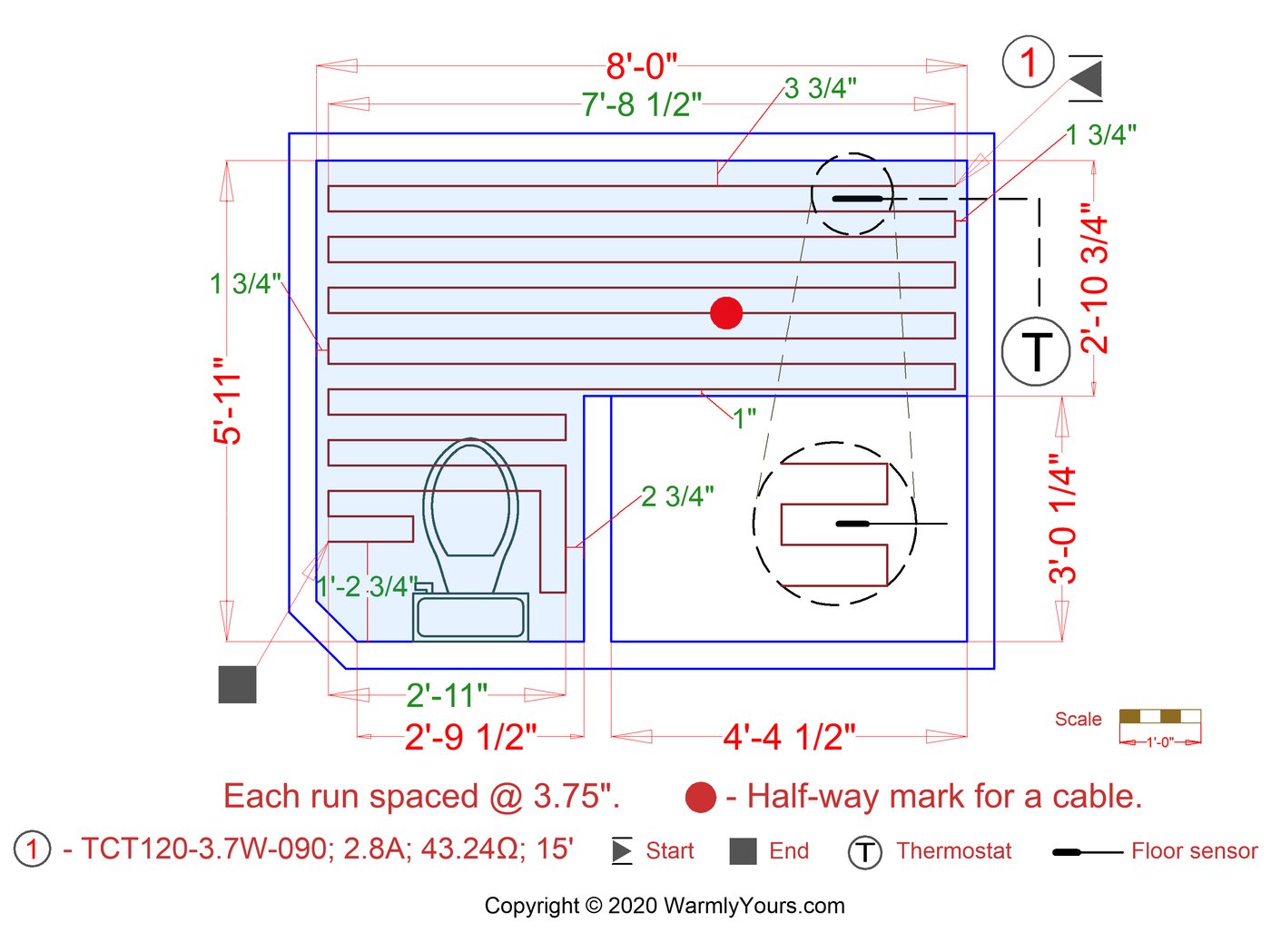
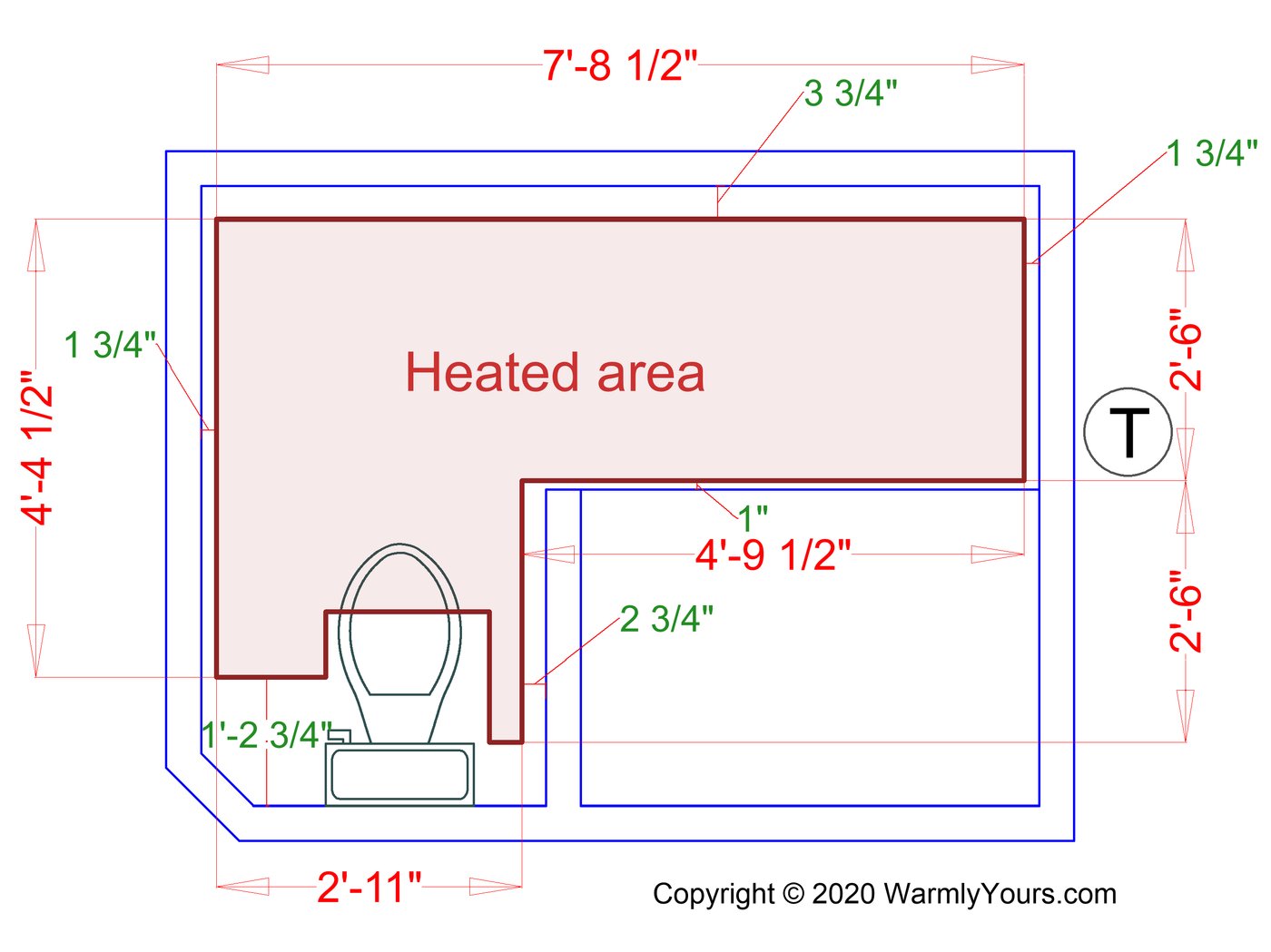
WarmlyYours Slab Heat mats and cables are designed specifically for embedding in concrete. Available in cable form for maximum flexibility or mat form for quick, easy installation—both deliver even, reliable warmth under polished, stamped, or stained concrete floors.
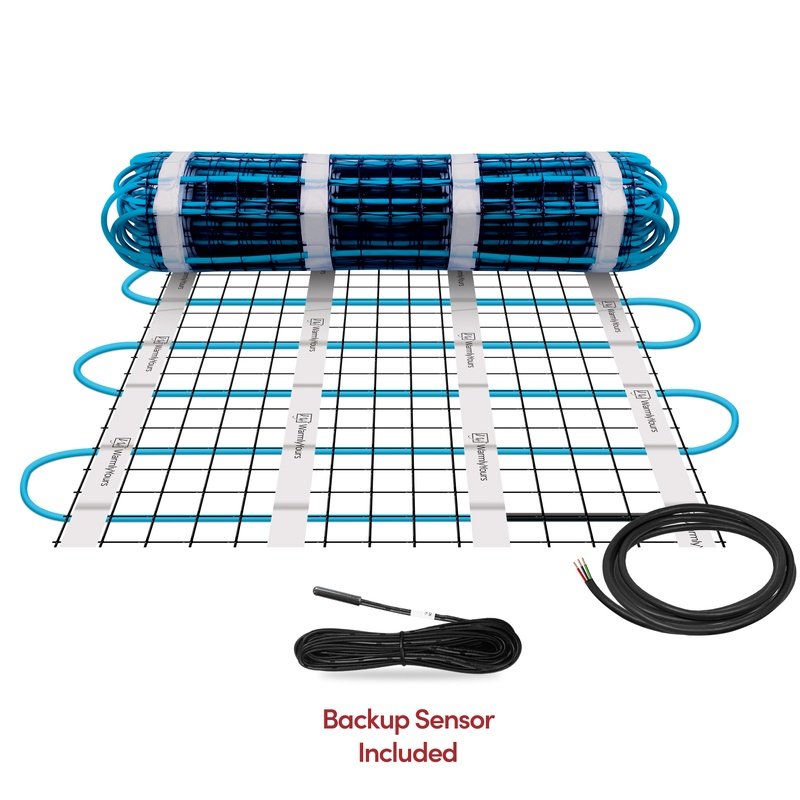
Warmth for Concrete Floors — Mat Form
With concrete heating mats, you can design your concrete floors to be as warm and functional as they are attractive. Radiant heating in mat form allows for quick and easy installation under concrete slab floors.

Warmth for Concrete Floors
With concrete heating cables, you can design your concrete floors to be as warm and functional as they are attractive. Radiant heating cables offer maximum flexibility for installation under concrete slab floors.
Electric radiant floor heating works by embedding thin heating cables or mats within or beneath the concrete slab. The cables warm the concrete mass, which then radiates heat upward to warm the room's surfaces and occupants—not just the air. This is fundamentally different from forced-air systems that blow heated air through ducts, creating drafts and uneven temperatures.
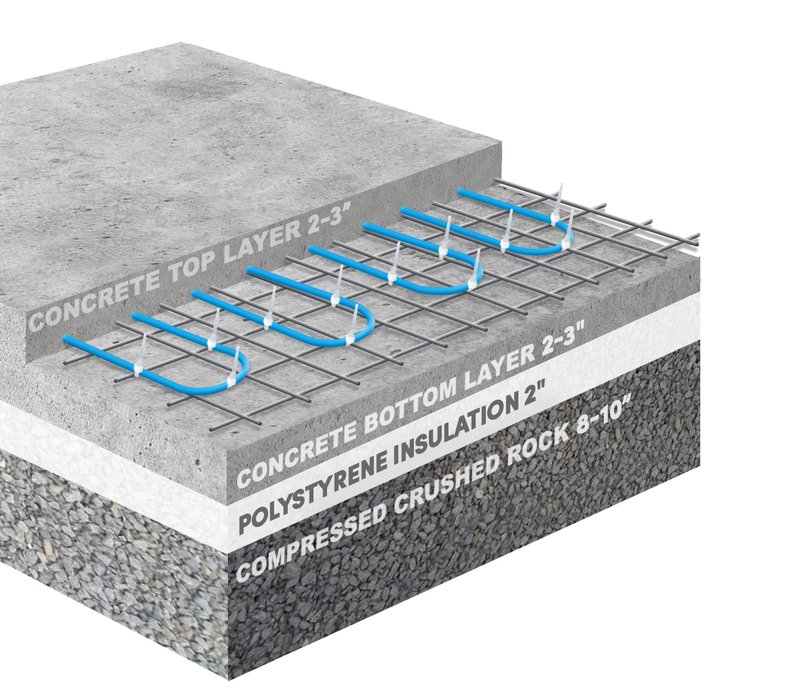
For new builds, heating cables are positioned within the concrete pour itself, typically 2–3 inches below the finished surface. The concrete slab acts as a massive thermal battery—absorbing heat when the system runs and releasing it gradually. For best results, the slab should be at least 4 inches thick with proper insulation underneath.
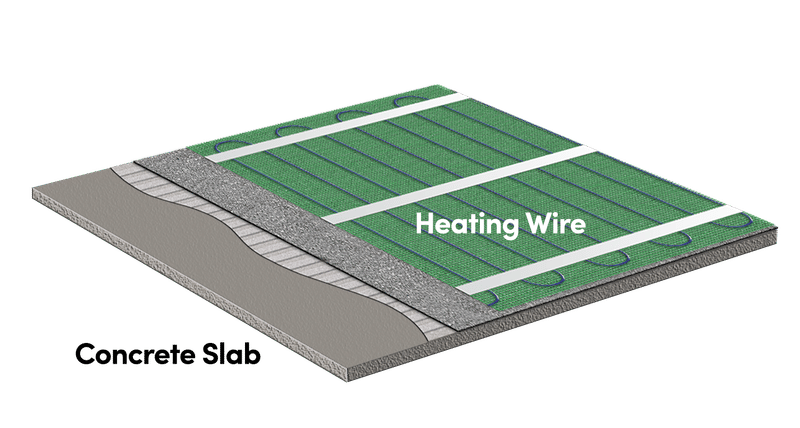
Adding heat to an existing slab with a finished floor on top (tile, stone, luxury vinyl) is a standard floor heating installation—not a slab-embedded system. Visit our main floor heating page to find the right system for your floor type.
When properly installed, electric radiant floor heating systems are designed to last the lifetime of the floor itself—typically 25 years or more. There are no moving parts to wear out and no maintenance required. All WarmlyYours systems are backed by our industry-leading warranty covering both labor and materials.
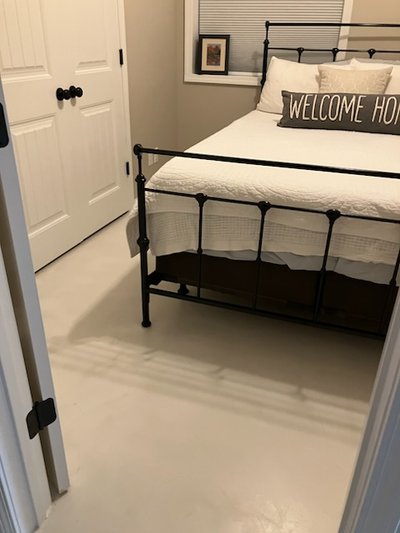
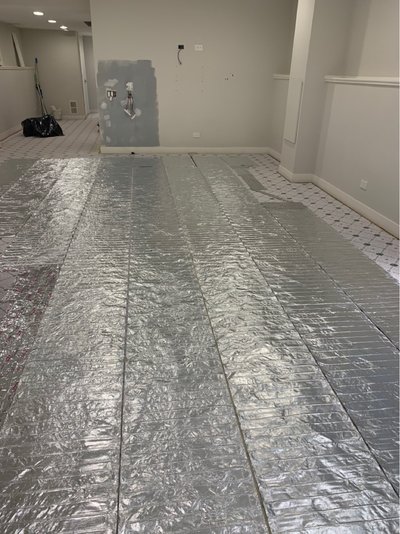
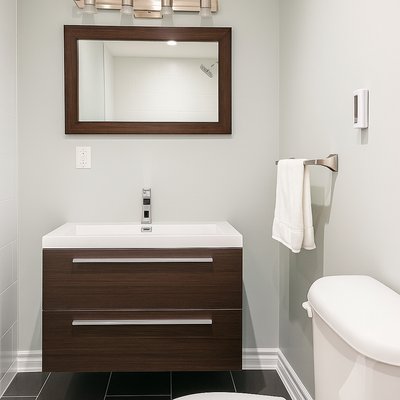
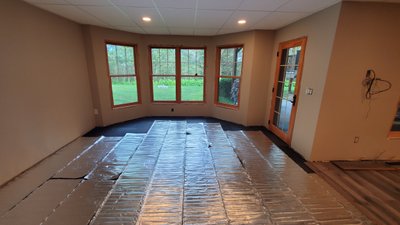
See how real homeowners and builders heated their concrete floors with radiant heating—including costs and installation details.
Showing all 6 questions
Yes — but the approach is different from new construction. You cannot embed cables into an existing cured slab, so there are two practical options for adding radiant heat to an existing concrete floor:
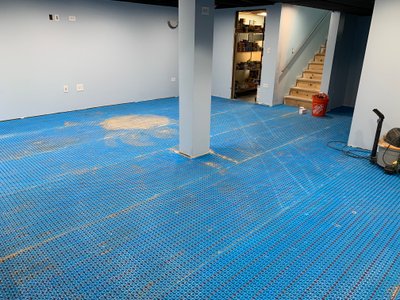
Electric heating cables or mats are installed on top of the existing concrete slab, embedded in a thin layer of self-leveling underlayment or mortar before the finish floor is applied. This adds approximately ¼ to ½ inch to the floor height.
A floating floor system with built-in heating (such as WarmlyYours Environ™ Flex Roll) can be installed over concrete without any mortar or self-leveling compound — ideal for renovation projects where minimal height gain is important.
Existing slabs on grade often lack insulation beneath them. While you can't add under-slab insulation retroactively, using a thermal underlayment on top of the slab (such as WarmlyYours ThermalSheet) helps direct heat upward rather than losing it into the concrete mass.
Get a free SmartPlan™ or Instant Quote to find the best solution for your existing slab.
WarmlyYours makes it easy to get started with in-slab concrete floor heating — whether you want a quick price estimate or a full professional installation layout.
Use the WarmlyYours Instant Quote tool to get product recommendations and pricing in minutes. Simply enter your room dimensions and the tool will calculate the right cable size, coverage, and cost for your slab.
For a complete, engineer-drawn installation layout, submit your floor plan for a free SmartPlan™. Our team will:
The SmartPlan™ is provided at no charge and is ideal for contractors, builders, and homeowners planning new construction or a slab addition.
Prefer to speak with someone? WarmlyYours has a team of radiant heating experts available 24/7 to answer questions about your in-slab project. Visit the in-slab concrete floor heating page to get started.
Installing electric radiant heating in a concrete slab is done during the construction or renovation process, before the concrete is poured. Here is a step-by-step overview:
WarmlyYours provides a free SmartPlan™ — a professional layout drawn by our engineers showing exact cable placement, spacing, and wattage for your specific slab. You can also get an Instant Quote online in minutes.
In-slab radiant floor heating is highly efficient when properly designed and insulated — but it works differently from other heating systems, and understanding those differences is key to maximizing efficiency.
The single biggest factor in in-slab efficiency is insulating beneath the slab. Without it, a significant portion of heat is lost downward into the ground. Rigid foam insulation (minimum R-10) under the slab is strongly recommended for all in-slab heating projects.
Use the free WarmlyYours Energy Use Calculator to estimate daily and annual operating costs based on your slab size, local electricity rate, and usage schedule. You can also use the Heat Loss Calculator to determine if in-slab heating can serve as your primary heat source.
Ready to get started? Get an Instant Quote or request a free SmartPlan™.
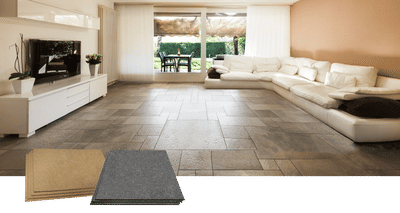
A heated concrete slab is compatible with most hard flooring types. Here's what works well and what to avoid:
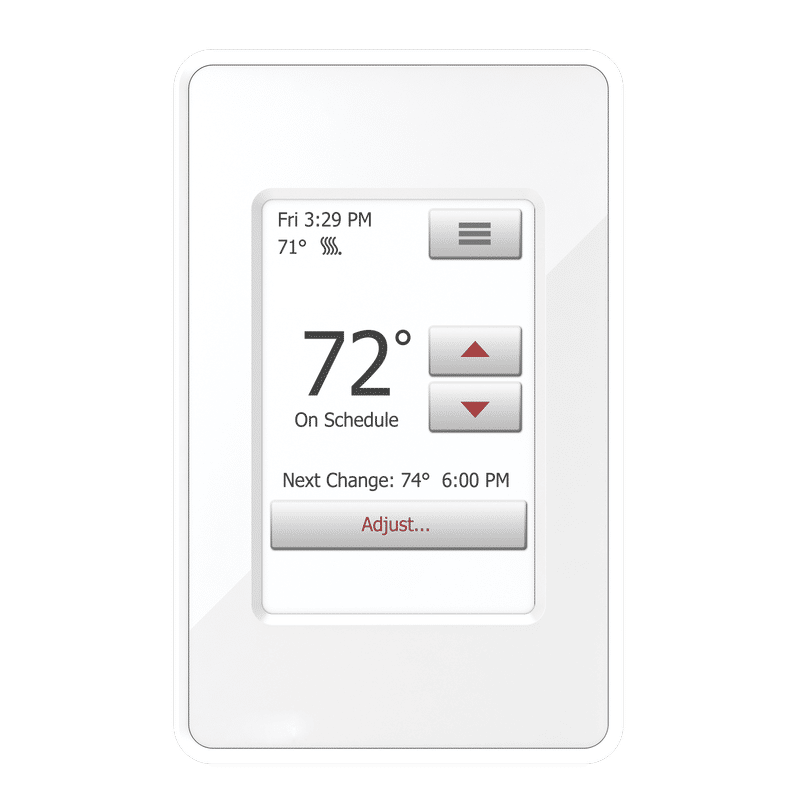
Most flooring manufacturers require the floor surface temperature to stay at or below 85°F (29°C). A floor-sensing thermostat — included with all WarmlyYours systems — monitors and maintains this automatically.
Not sure which system is right for your flooring type? Request a free SmartPlan™ or get an Instant Quote and our team will guide you.
In-slab radiant floor heating is an electric heating system where heating cables are embedded directly inside a concrete slab before it is poured. The cables become a permanent part of the slab, which then acts as a large thermal mass — absorbing heat and radiating it evenly upward into the room.
Not sure where to start? Request a free SmartPlan™ and our engineers will design a custom layout for your slab.
 Julia
Jun 15, 2017
Julia
Jun 15, 2017
 Stephanie
Mar 13, 2026
Stephanie
Mar 13, 2026
 Stephanie
Dec 18, 2017
Stephanie
Dec 18, 2017
 Victoria
Dec 18, 2025
Victoria
Dec 18, 2025
 Julia
Aug 25, 2015
Julia
Aug 25, 2015
 Julia
Feb 20, 2013
Julia
Feb 20, 2013