
Why Turning Up the Thermostat Won't Save Your Freezing Basement
Proven Solutions to Eliminate Cold Concrete Basement Floors
Are you tired of dealing with an uncomfortably cold basement even when the heat is running full blast?
As this video explains, conventional forced-air systems fight an uphill battle against sub-grade architecture. Concrete basement floors stay in constant contact with the earth, steadily siphoning thermal energy away from your living space. Turning up the central thermostat merely creates pockets of warm air that float to the ceiling, leaving the floor freezing underfoot.
The most efficient and luxurious fix is to heat the floor itself. By warming the surface you walk on with targeted radiant warmth, you can permanently eliminate cold spots and transform your chilly basement into a welcoming living space tailored to your finishing stage.
In this video, you will learn the practical steps to diagnose and solve persistent basement chills:
- 🌡️ Why subterranean concrete subfloors continuously drain ambient heat from finished rooms
- 💡 Why conventional forced-air heating fails to resolve cold basement flooring issues
- 🔥 How direct radiant floor heating creates efficient, consistent comfort from the ground up
- 🏠 Key considerations for assessing your current basement finish before selecting a solution
Watch the full video to identify the specific structural causes of your basement cold spots and discover the perfect radiant solution to keep your home cozy all year round.
Transcript
The heat's on, and the basement is still cold. There's a reason. A basement floor is usually concrete sitting right on the ground. It's always in contact with the earth, so it keeps pulling warmth out of the room. Turning up the thermostat just heats air that's fighting a losing battle.
The fix is to heat the floor itself so the warmth comes up through the surface you actually stand on. What you can do depends on how your basement is finished, so that's worth checking first. Cold spots aren't random. Every one has a structural reason and a specific fix. Find yours.
Le chauffage est en marche, et le sous-sol est toujours froid. Il y a une raison à cela. Un plancher de sous-sol est généralement fait de béton posé directement sur le sol. Il est constamment en contact avec la terre, ce qui fait qu'il continue d'absorber la chaleur de la pièce. Monter le thermostat ne fait que chauffer l'air, qui livre alors une bataille perdue d'avance.
La solution consiste à chauffer le plancher lui-même, de sorte que la chaleur remonte par la surface sur laquelle vous vous tenez debout. Ce que vous pouvez faire dépend de la façon dont votre sous-sol est aménagé, alors ça vaut la peine de vérifier d'abord. Les zones froides ne sont pas aléatoires. Chacune a une cause structurelle et une solution précise. Trouvez la vôtre.
El calor está encendido y el sótano sigue frío. Hay una razón. El piso de un sótano generalmente es concreto colocado directamente sobre el suelo. Siempre está en contacto con la tierra, por lo que sigue absorbiendo el calor del cuarto. Subir el termostato solo calienta el aire, que está librando una batalla perdida.
La solución es calentar el piso en sí para que el calor suba a través de la superficie sobre la que realmente caminas. Lo que puedes hacer depende de cómo está terminado tu sótano, así que vale la pena verificarlo primero. Las zonas frías no son aleatorias. Cada una tiene una razón estructural y una solución específica. Encuentra la tuya.
Ogrzewanie działa, a piwnica nadal jest zimna. Jest ku temu powód. Podłoga w piwnicy to zazwyczaj beton leżący bezpośrednio na gruncie. Stale styka się z ziemią, więc nieustannie pochłania ciepło z pomieszczenia. Podkręcanie termostatu jedynie ogrzewa powietrze, które przegrywa tę walkę.
Rozwiązaniem jest ogrzanie samej podłogi, tak aby ciepło unosiło się przez powierzchnię, po której rzeczywiście się chodzi. To, co można zrobić, zależy od tego, jak wykończona jest piwnica, więc warto to najpierw sprawdzić. Zimne miejsca nie są przypadkowe. Każde z nich ma strukturalną przyczynę i konkretne rozwiązanie. Znajdź swoje.
Related Resources
-

-
Video
Learn How to Transform a Basement with Electric Floor Heating
Discover the secrets to a warm basement with radiant floor heating. Save energy, boost comfort, and enhance home value. Watch now!
-
Project
Reclaim Your Cold, Uncomfortable Basement and Stop Shivering Through the Winter
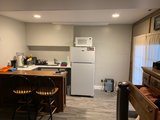
A 117 sq. ft. basement remodel featuring TempZone™ electric floor warming rolls to create a comfortable, livable space.
Related Questions
Showing all 3 questions
Radiant heating is installed directly under the flooring material. If you are already planning to replace your old basement carpet or tile with something new (like the LVT or Tile mentioned in our compatibility table), that is the perfect time to install a system. Electric floor heating is very thin and won't require you to "dig up" your concrete slab.
In cold climates, insulation isn't optional—it's essential. Without it, you're literally heating the ground instead of your basement.
The Heat Loss Problem:
Without insulation under your radiant heating system, significant heating energy escapes downward into the soil instead of rising into your living space. That's wasted money every single hour your system runs.Think of it this way: You're paying to heat concrete and frozen ground, not your basement.
Efficiency Gains With Insulation:
With proper insulation like ThermalSheet, you'll see:
- Improved heating efficiency — More heat stays in your basement instead of escaping downward
- Lower operating costs — Your monthly electric bill drops noticeably
- Faster warm-up times — Basement reaches comfortable temperature quicker
- More consistent floor temperatures — No cold spots or uneven heating
Calculate Your Actual Costs:
Every basement is different. Factors that affect operating costs include:
- Basement size (sq.ft.)
- Local electricity rates (varies by region)
- Insulation R-value
- Thermostat settings
- Climate zone
Use the WarmlyYours Operating Cost Calculator to estimate your specific heating costs with and without insulation. This gives you real numbers for your situation.
Bottom Line:
Insulation under basement radiant heating in cold climates isn't a luxury—it's the difference between an efficient system and wasting energy and money. Get a custom cost estimate for your basement.
Need Help with Your Project?
Our team of Radiant Experts are ready to help! Contact us about your project to get started.
Contact Us About Your Project


