
Radiant Heating and Concrete Floors
last updated october 22, 2026

In This Article
Radiant heat is among the most comfortable, efficient, and healthy heating options for under-floor heating, especially with concrete floors.
Why Is Concrete a Great Match for Radiant Heating?
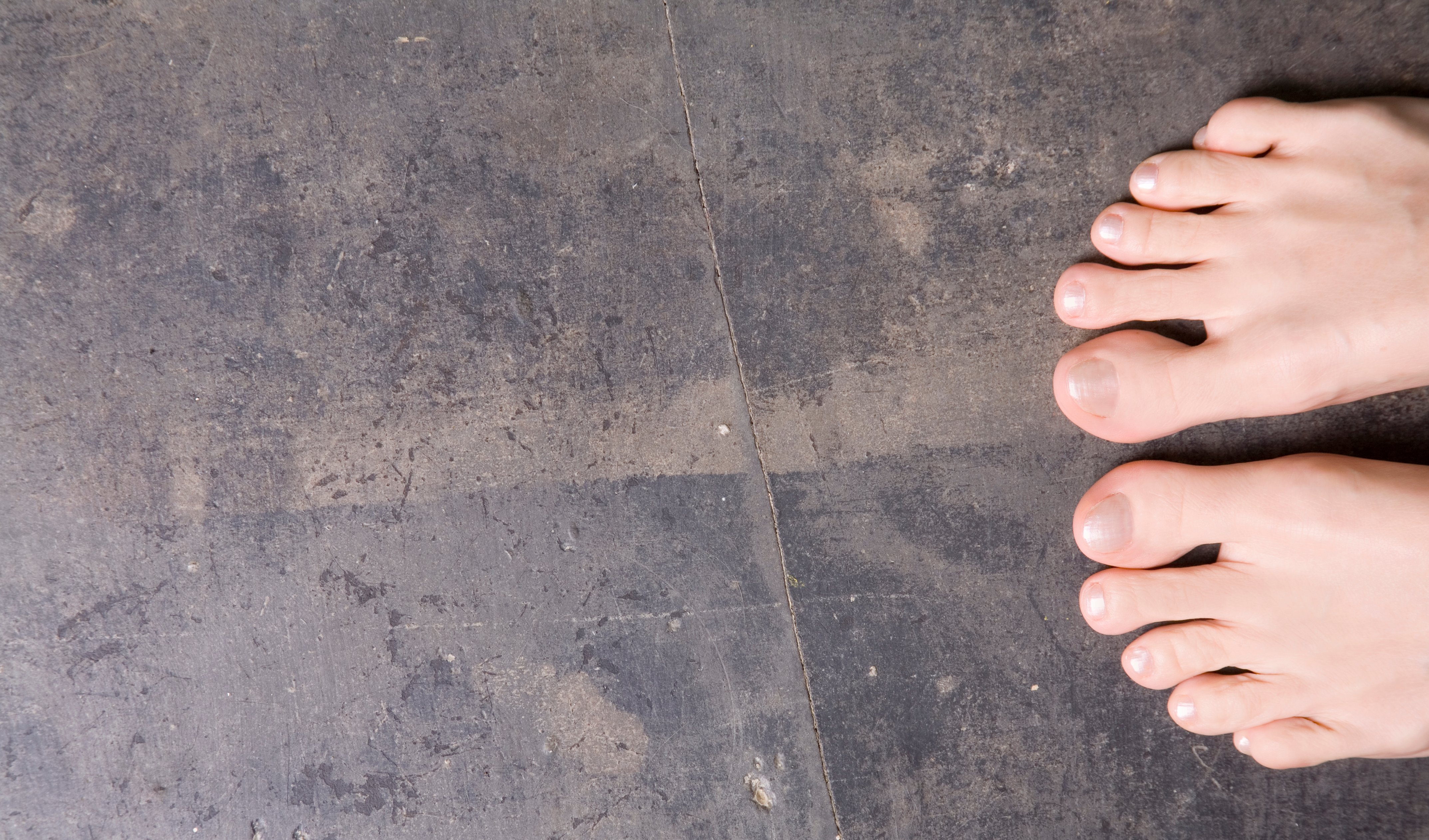
Concrete floors are naturally cold, especially in basements, sunrooms, and garages. But they also hold heat extremely well due to their high thermal mass—making them an ideal pairing for radiant floor heating systems.

-
Concrete retains heat longer than wood or vinyl.
-
When heated from below, the warmth radiates slowly and evenly.
-
The U.S. Department of Energy recommends concrete subfloors for radiant heating because they provide excellent thermal mass, helping to store and release heat gradually over time.
-
Ideal for both electric and hydronic radiant systems embedded directly in the slab.
What Types of Radiant Heating Work with Concrete?
1. Electric Radiant Heating
-
Ideal for remodeling or spot heating in small areas like basements, additions, or sunrooms.
-
No boiler required—uses electricity directly for faster installation and lower upfront costs.
Best product option: Slab Heating System – designed specifically for concrete pours and slab-based flooring.
2. Hydronic Radiant Heating
-
Circulates heated water through tubes embedded in the concrete.
-
Effective for large areas or whole-house applications.
-
Requires a boiler and additional infrastructure, which may increase costs.
Note: Hydronic systems may require structural review to ensure your subfloor can support the added concrete weight.
How Is Radiant Heating Healthier Than Forced Air?
-
No ducts, no allergens: Avoids circulating dust, dander, or pollen.
-
Even, gentle warmth: Reduces hot-and-cold zones.
-
Silent operation: No blowing or vent noise.
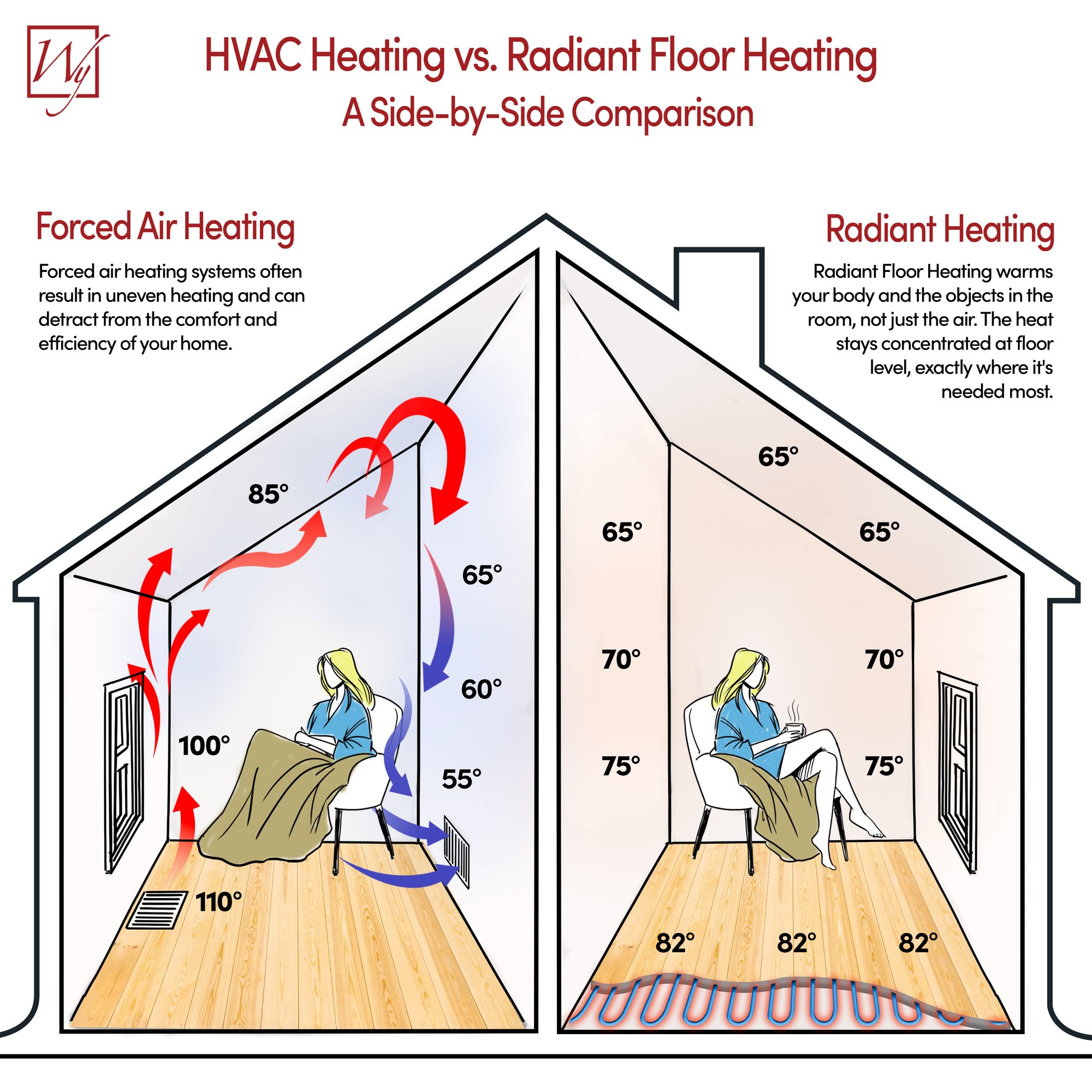
Want to see how radiant heating stacks up against baseboard systems? Check out our full comparison here:
Comparing Radiant Floor Heating with Baseboard Heating
What Flooring Types Work Best Over Radiant Heat?
| Flooring Type | Radiant Compatibility |
|---|---|
| Concrete (polished/stamped) | ✅ Excellent thermal mass, ideal for slabs |
| Tile and Stone | ✅ Excellent heat conductors |
| Hardwood and Engineered Wood | ✅ Works with proper installation method |
| Carpet | ✅ Use with Environ™ Systems for safe heating under padding |
| Laminate or Vinyl | ⚠️ Requires proper spacing and temperature controls |
Can I Use Radiant Heat with Decorative Concrete Floors?
Yes! Radiant heating works beautifully with:
-
Polished concrete
-
Stained concrete
-
Stamped decorative finishes
These stylish surfaces are growing in popularity for modern basements, sunroom additions, and garages—but without radiant heating, they can stay uncomfortably cold.
Is Radiant Heating Right for Remodeling or New Construction?
Absolutely. Radiant heat can be installed in both:
-
New construction: Add cables or tubes before pouring your slab.
-
Remodels: Use self-leveling concrete or thermal underlayments to retrofit.
For remodeling over existing concrete, electric systems like TempZone floor heating cables are often the easiest and most cost-effective.
Before adding floor heating over an existing concrete slab, plan for the insulation beneath it. An uninsulated slab can absorb warmth you want at the floor. In this 45-second video, see why an insulating underlayment helps reduce heat loss into the slab and speeds warm-up—and why insulation and floor heating have different jobs to do.
Frequently Asked Questions
What is radiant floor heating and how does it work?
Radiant floor heating uses electric cables or hot water tubes embedded in or beneath concrete. Instead of heating air like forced systems, it radiates warmth upward—heating the floor, objects, and people directly for consistent, even comfort.
Can radiant heating be added to existing concrete slabs?
Yes. Radiant heating can be retrofitted by embedding thin electric mats or heating cables in a self-leveling compound or gypsum overlay poured over the existing slab. Be sure to include proper insulation to reduce heat loss downward.
Which radiant system is better for concrete floors: electric or hydronic?
-
Electric radiant heating:
Easier and less expensive to install. Ideal for small spaces or remodels, but may cost more to run over time. Best suited for remodel or retrofit.
-
Hydronic radiant heating:
More complex and costly to install, but ideal for large areas or full-home heating with lower long-term energy costs. Best suited for new constrictions.

What flooring types are compatible with radiant heating over concrete?
-
Excellent conductors: Concrete, tile, and stone hold and transfer heat well.
-
Works with controls: Engineered wood, vinyl, laminate, and carpet (must follow product temperature specs).
-
Important tip: Always check flooring manufacturer warranties for temperature thresholds and expansion gap requirements when used with radiant heat.
Ready to Add Comfort to Your Concrete Floors?
Radiant heating offers energy-efficient, allergy-friendly warmth—especially when paired with concrete’s heat retention. Whether you’re upgrading a chilly basement or building a cozy sunroom, radiant floor heating will elevate the comfort of your space. Get started by learning more about pairing an electric floor heating system with a concrete floor.
Tools/Resources
Have Questions About Your Project?
Our team of Radiant Experts is ready to help!
Related Articles
Best Way to Heat a Concrete Slab Floor: Compare In-Slab vs. Above-Slab Systems
Do You Need Underlayment for Radiant Heat Over Concrete Slabs?”

How Much Does Radiant Floor Heating Cost in 2026?

Answering Some of Electric Floor Heating’s Most Frequently Asked Questions (FAQs)
Stay Updated
Get the latest radiant heating news and tips delivered to your inbox.
Comments