Basement Floor Heating
Transform your cold, dark basement into a warm, comfortable living space with electric floor heating that works with any flooring material.
Why Floor Heating in the Basement?
Basements are notoriously cold and dark spaces, often making them unusable during winter months. The concrete subfloor is excellent at absorbing heat, creating an uncomfortable environment. Electric floor heating solves this problem by providing consistent, comfortable warmth that works with any flooring material—whether you choose wood, tile, or carpet.
There are two main types of basement floor heating: electric and hydronic systems. WarmlyYours specializes in electric floor heating, which is easier to incorporate into existing basements and more cost-effective than hydronic systems since they don't require boilers or pumps.
Rolls & Mats For Tile, Stone & Hardwood
WarmlyYours TempZone™ Flex Roll and TempZone™ Floor Heating Cable can be installed underneath ceramic tile, natural stone, hardwood, wood and other popular flooring materials, giving homeowners radiant in-floor heating that's truly luxurious. TempZone™ Flex Rolls are a more expensive option than the cable product but they require less time and effort to install.
Explore this floor heating application »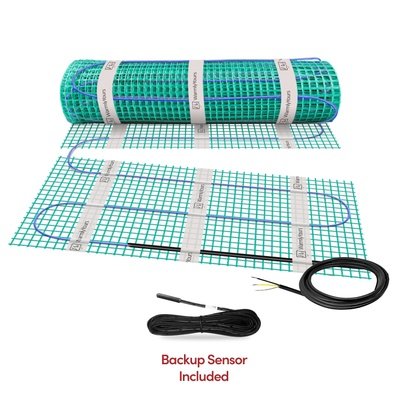
Roll Out, Cut, and Fit
TempZone™ Flex Roll installs underneath ceramic tile, natural stone, hardwood, wood, and other popular flooring materials, giving homeowners radiant in-floor heating that's truly luxurious.
-
Ideal for full-room coverage (primary or supplemental heat)
-
Pre-spaced heating cable for fast, consistent installation
-
Most popular choice for bathrooms & kitchens
-
25 Year Warranty
-
15 Watts Per Sq. Ft
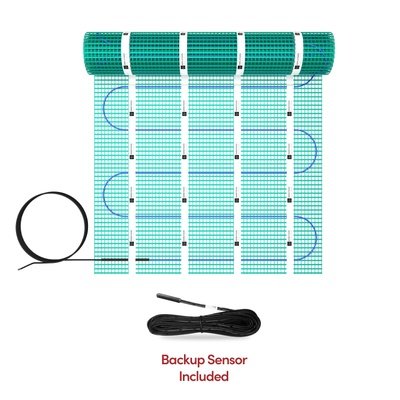
Place, Connect, and Heat
TempZone™ Easy Mats allow for radiant heating of smaller, simpler areas at an affordable cost. These under floor mats are perfect for providing targeted heating for moderately sized bathroom and kitchen floors.
-
Pre-sized mats for quick installs with no complex cuts
-
Perfect for spot heating (vanities, entryways, small spaces)
-
Cost-effective and beginner-friendly option
-
25 Year Warranty
-
15 Watts Per Sq. Ft
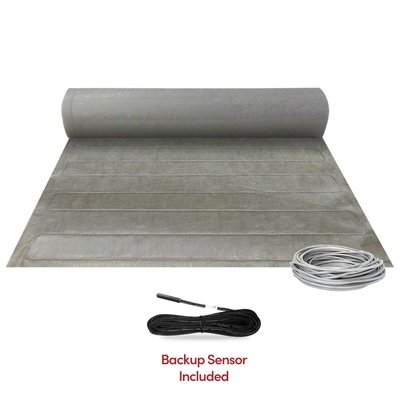
Made‑to‑Measure Warmth for Any Layout
TempZone™ Custom Mats for tile, stone or hardwood floors were designed to offer the most optimal fit for rooms of any shape. Our custom-fit mats were developed to follow curves and angles with ease.
-
Designed to your exact floor plan for edge‑to‑edge coverage
-
No on‑site cuts or turns—faster, cleaner installation
-
Ideal for curves, angles, and obstacles like islands and vanities
-
25 Year Warranty
-
12-15 Watts Per Sq. Ft
Cable for Tile, Stone & Hardwood
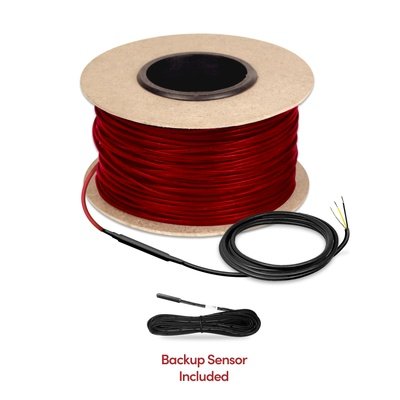
Snap-In, Secure, and Heat
TempZone™ Cable is ultra-low EMF by design and is available in two voltage options and a range of lengths to meet the requirements of any installation.
-
Works under tile, stone, and luxury vinyl floors
-
Provides radiant heat and crack isolation
-
Flexible layouts for irregular or custom-shaped rooms
-
25 Year Warranty
-
9-15 Watts Per Sq. Ft
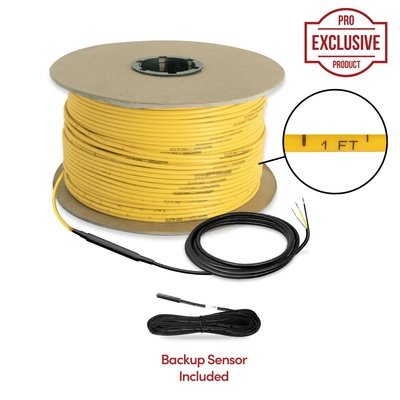
Pro‑exclusive: Measure, Lay, and Heat
TempZone™ Ruler Cable is ultra-low EMF by design and is available in two voltage options and a range of lengths to meet the requirements of any installation.
-
Built-in ruler markings for precise, repeatable spacing
-
Ideal for large areas requiring consistent coverage
-
Flexible, durable cable for clean turns and complex layouts
-
Comes with easy-to-read hash marks at every half-inch, inch, and foot increment on the cable
-
Can be used to heat some of the most popular floor coverings like tile, stone, marble, luxury vinyl tile, and more
For Carpet, Laminate & Floating Hardwood
WarmlyYours Environ Flex Rolls are designed for use under carpet (U.S. only), laminate and floating wood. The mats can be installed easily and quickly for large spaces. Environ Flex Rolls are flexible rolls that can be cut and turned at 90° or 180° to cover the total area intended to be heated.
Explore this floor heating application »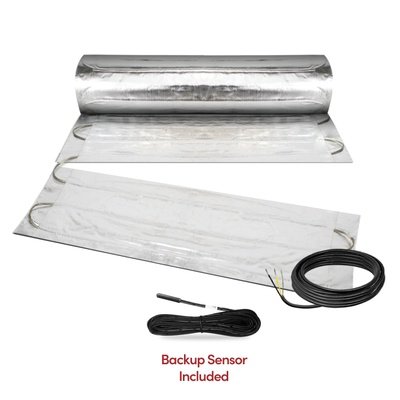
Cut, Turn, and Heat
WarmlyYours Environ Flex Rolls are designed for use under carpet (U.S. only), laminate and floating wood. The mats can be installed easily and quickly for large spaces.
-
Flexible roll design cuts and turns to follow your layout
-
Ideal for floating laminate, engineered wood, or carpet
-
Dry installation—no mortar or adhesives
-
10 Year Warranty under Laminate & Floating Hardwood, 5 Year under Carpet (Us Only)
-
12 Watts Per Sq. Ft
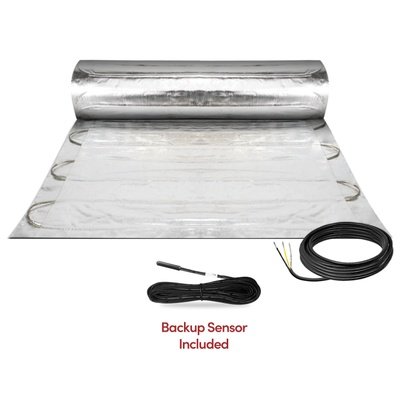
No Mortar, Just Comfort
Add extra warmth and comfort to carpet (U.S. only), laminate and floating wood flooring with Environ Easy Mats™. The mats are perfect for heating large areas easily and quickly, with no need for cuts and turns.
-
Perfect for floating laminate, engineered wood, or carpet
-
Ultra-thin system installs without adhesives
-
Provides fast, even heat for dry-floor applications
-
10 Year Warranty under Laminate & Floating Hardwood, 5 Year under Carpet (Us Only)
-
10-12 Watts Per Sq. Ft
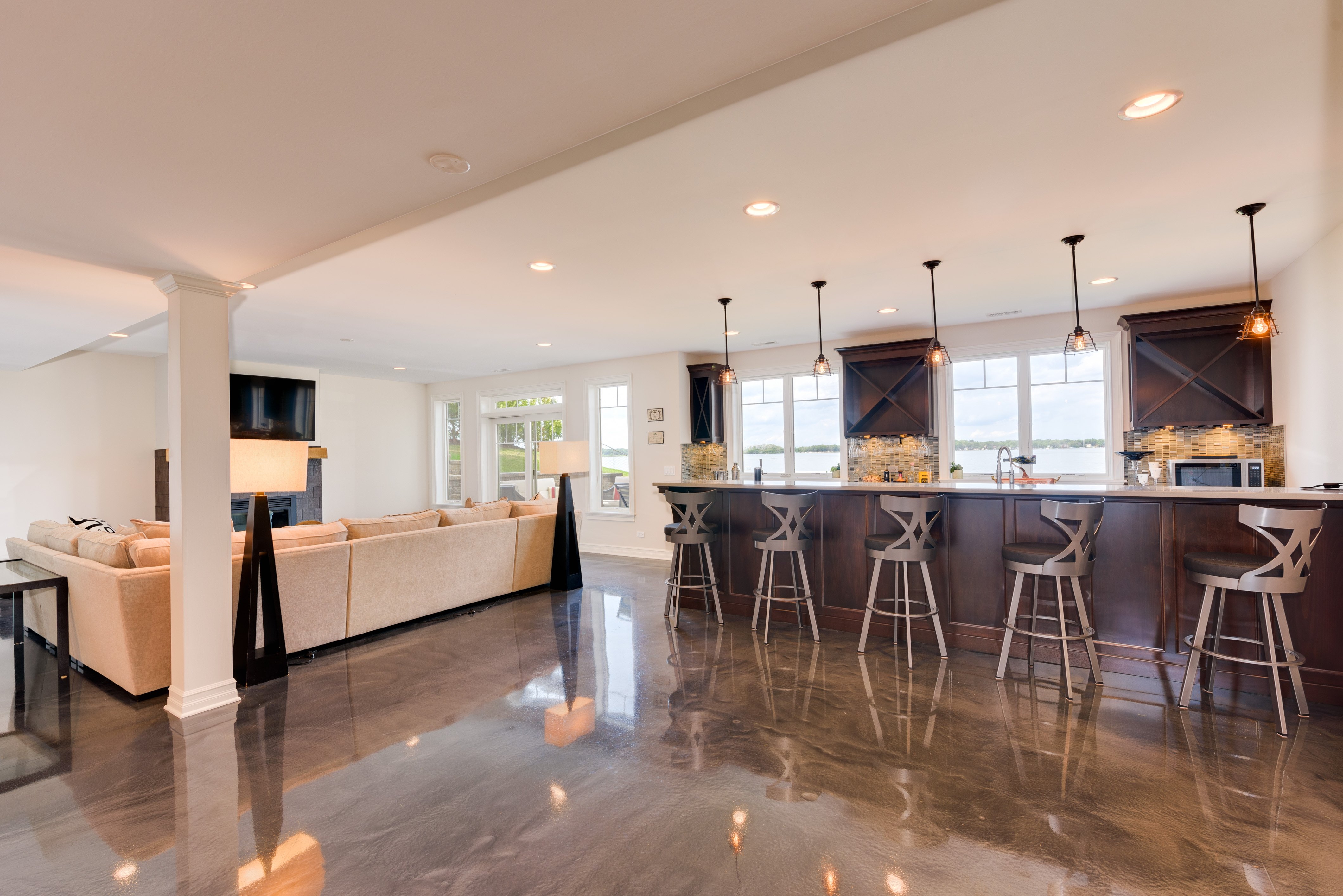
For Polished, Stamped & Stained Concrete
With WarmlyYours' concrete heating cables and mats, you can design your concrete floors to be as warm and functional as they are attractive. Radiant heating is available in cable form for maximum flexibility or mat form, which allows for quick and easy installation under concrete slab floors.
Explore this floor heating application »
Warmth for Concrete Floors — Mat Form
With concrete heating mats, you can design your concrete floors to be as warm and functional as they are attractive. Radiant heating in mat form allows for quick and easy installation under concrete slab floors.
-
Cut‑and‑turn mats speed up slab installations
-
Ideal for basements, garages, and sunrooms
-
Even, reliable heat embedded in the concrete
-
10 Year Warranty
-
Our systems are cUlus listed, Gfci protected and RoHs Compliant

Warmth for Concrete Floors
With concrete heating cables, you can design your concrete floors to be as warm and functional as they are attractive. Radiant heating cables offer maximum flexibility for installation under concrete slab floors.
-
Embedded directly into new concrete pours
-
Ideal for basements, garages, and sunrooms
-
Long-lasting radiant heat built into the slab
-
10 Year Warranty
-
15-20 Watts Per Sq. Ft
Why Install Floor Heating in the Basement?
Make Your Basement Comfortable in Winter
For many homeowners, their basement can be so cold in the wintertime that the room becomes essentially unusable. By installing radiant floor heating, you can ensure that your basement is warm and cozy during even the coldest months.
Add a Bedroom
By adding a bedroom in the basement, you can create an inviting guest room that's private and comfortable. To make it feel luxurious, consider buying bedding with a high thread count, unique furniture and some beautiful artwork. These touches will make your guests feel like they're vacationing at a five-star resort while they stay with you.
Create an Open Living Area
Any good basement should have an open living area for entertainment. This space can be modified as needed, depending on the occupants. It can be used for watching TV, as a play space for kids, or for weekly poker nights. The options are endless, which is what makes this space so great.
Easy-to-Install
Whether you're using a mat or cable, we've made installation as simple as possible.
Affordable
Most systems are inexpensive to run and require no regular maintenance.
Increases Resale Value
Radiant floor heating is an "easy sell" in a down market. One in every five people or 20% of potential home buyers say that floor heating is a desired luxury when searching for and buying a new home. Comfort and efficiency are the two main reasons why potential homebuyers and homeowners alike, love radiant floor heating.
Easy-to-Use Thermostats
The secret to any great heating system is a great control.
Saves Energy
Radiant heat has higher levels of energy efficiency than most traditional systems.
Featured Floor Heating Projects
See how real homeowners warmed their basement with radiant floor heating.
-
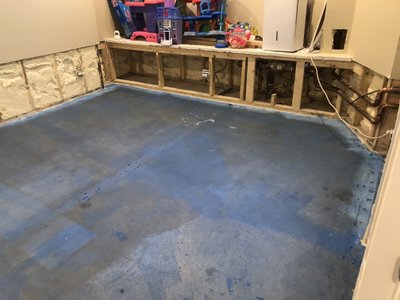 Basement Chicago, IL
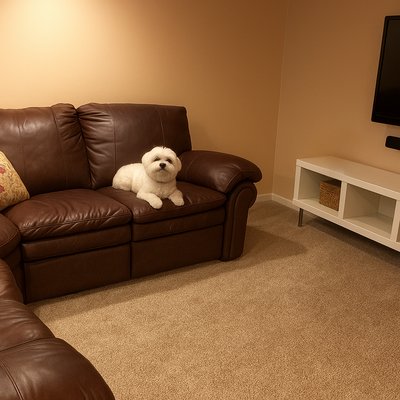
Luxury Floor Warming for a Cozy Chicago Basement Media Room
$0.32/hr operating cost -
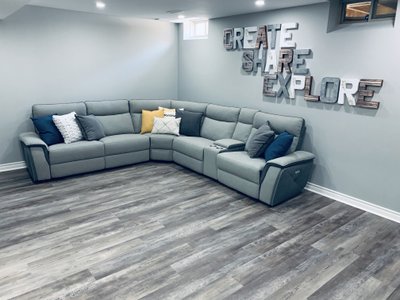 Basement Whitchurch Stouffville, ON
Cozy Comfort Underfoot: Radiant Warmth for a Whitchurch-Stouffville Basement Playroom
$0.19/hr operating cost -
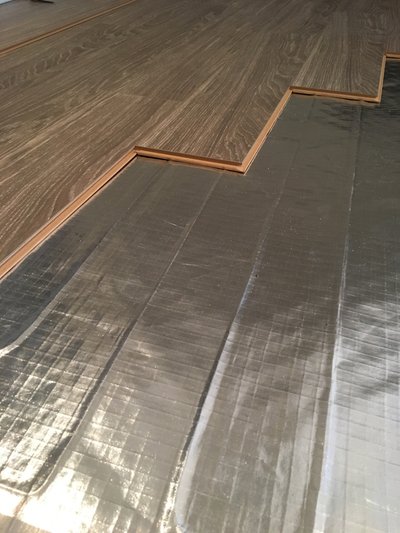 Basement North York, ON
From Cold Concrete to Cozy Comfort: A North York Basement Transformation
$0.22/hr operating cost -
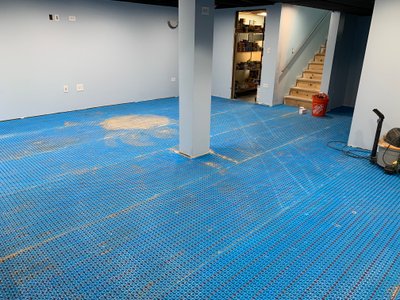 Basement Westmont, IL
Transforming a Cold Concrete Basement into a Cozy Retreat in Westmont, IL
$0.85/hr operating cost -
Basement Kildeer, IL
Luxury Below: A Kildeer, IL Lakefront Basement Beats Humidity with Radiant Warmth
$1.82/hr operating cost -
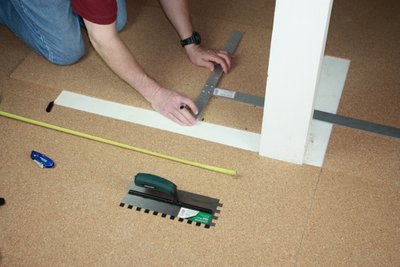 Basement Fox River Grove, IL
Transforming a Fox River Grove Basement with Luxurious In-Floor Heating
$0.07/hr operating cost -
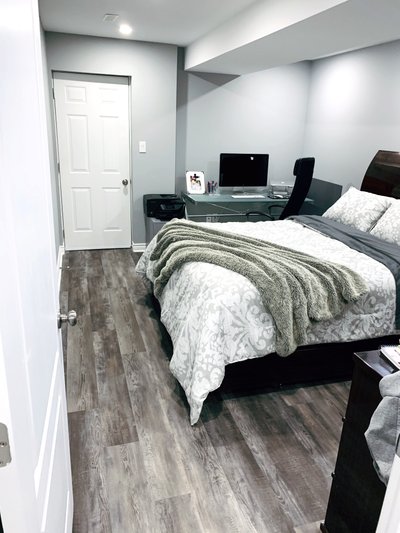 Basement Whitchurch Stouffville, ON
All-Day Comfort: A Radiant Heated Home Office in Whitchurch-Stouffville, ON
$0.30/hr operating cost -
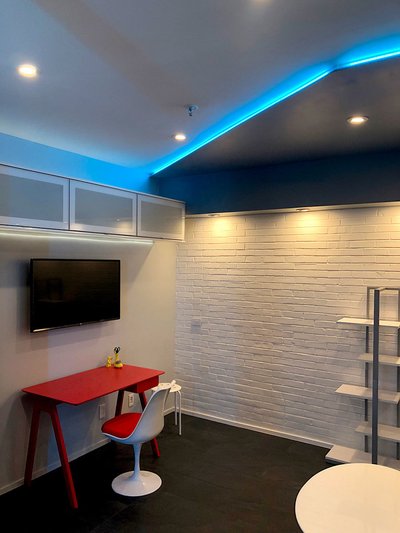 Basement Washington, DC
From Cold Concrete to Cozy Comfort: A Modern Basement Transformation in Washington, D.C.
$0.73/hr operating cost -
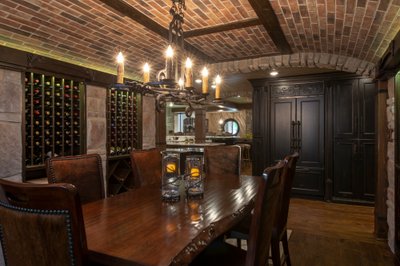 Basement Medina, OH
Luxurious Warmth for a Custom Wine Room in Medina, OH
$0.22/hr operating cost -
Basement Lake Harmony, PA
From Cold Concrete to Cozy Living: A Lake Harmony Basement Transformation with Radiant Floor Heating
$3.42/hr operating cost -
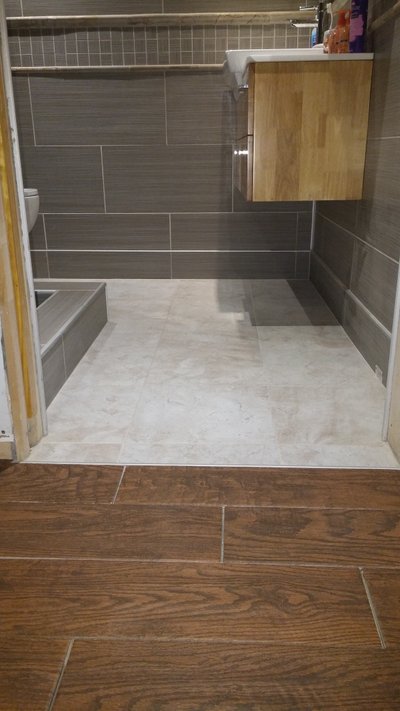 Basement Lower Sackville, NS
Ultimate Comfort Underfoot: Lower Sackville Basement Floor Warming
$0.64/hr operating cost -
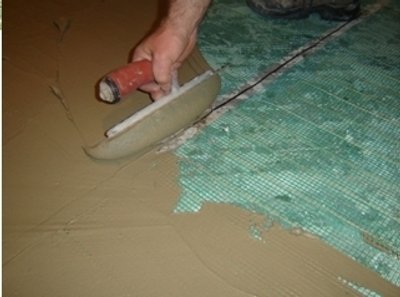 Basement Mississauga, ON
Luxury Radiant Floor Heating for a Spacious Basement in Mississauga, ON
$0.13/hr operating cost -
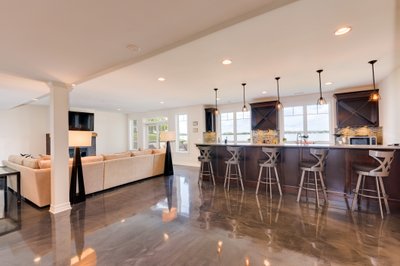 Basement Crystal Lake, IL
From Cold Concrete to Cozy Comfort: A Walk-Out Basement Transformation in Crystal Lake, IL
$1.56/hr operating cost -
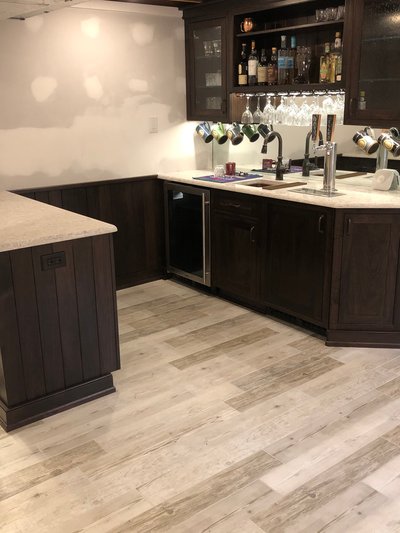 Basement Phoenixville, PA
Ultimate Basement Upgrade: Warmth for Tile, Marble, or Stone Floors in Phoenixville, PA
$0.08/hr operating cost -
Apple Valley, MN
A Cozy Radiant Heat Upgrade for a Minnesota Home
$0.14/hr operating cost -
Basement Portland, OR
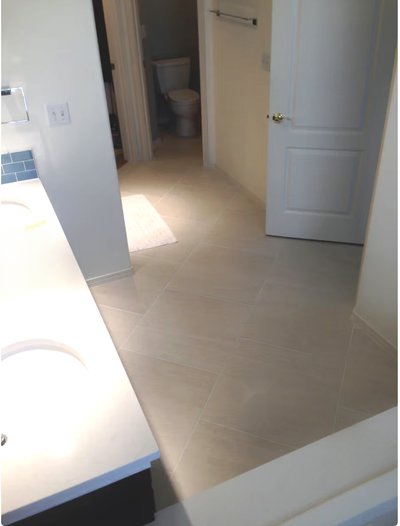
Luxury Warmth for a Master Bathroom in Portland, OR
$0.00/hr operating cost -
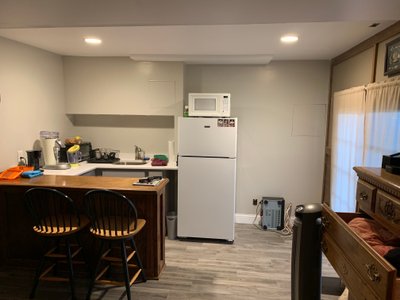 Basement Jefferson, NJ
From Cold and Unused to Warm and Welcoming: A Radiant Basement Transformation in Jefferson, NJ
$0.32/hr operating cost
Frequently Asked Questions
Showing 6 of 11 questions
Yes, absolutely. Radiant heating works great in finished basements and can transform an existing space.
Retrofit Advantages:
- No need to wait for new construction
- Can be installed during any renovation project
- Solves existing moisture and cold problems immediately
- Adds significant value to your home
What's Involved:
- Remove existing flooring
- Test concrete moisture
- Install vapor barrier, ThermalSheet, and heating element
- Install new flooring
Best Time to Install:
- During a planned basement renovation
- When you're replacing flooring anyway
- When addressing moisture and cold issues
- When finishing an unfinished basement space
Cost:
Installation costs vary based on basement size and existing conditions. Get a free SmartPlan to see pricing for your specific project.
Bottom Line:
Retrofit radiant heating is a smart investment that solves moisture problems, adds comfort, and increases home value. Whether it's new construction or an existing basement, radiant floor heating transforms the space.
Yes, absolutely—and placement is critical. This is one of the most common installation mistakes, so get it right the first time.
What You Need:
- 6-mil polyethylene vapor barrier
- Placed directly over the concrete slab
- Sealed at all seams with tape
The Correct Installation Order (Critical):
- Concrete slab
- Vapor barrier (6-mil polyethylene)
- ThermalSheet insulation
- Heating element (TempZone Cable or Mat)
- Flooring
Why Placement Matters—This Is Key:
- Vapor barrier UNDER insulation = Prevents moisture from wicking up from the soil into your heating system and flooring. This is correct.
- Vapor barrier OVER insulation = Traps moisture between the barrier and concrete, creating a mold farm under your floor. This is a disaster.
What Happens If You Get It Wrong:
If the vapor barrier is placed over the insulation, moisture from the soil gets trapped underneath and has nowhere to go. Within months, you'll have:
- Mold and mildew under the flooring
- Flooring buckling or warping
- System failure
- Expensive remediation
Extra Layer of Protection:
Before laying the vapor barrier, seal the concrete slab with epoxy or concrete sealer. This adds another moisture barrier and prevents moisture from wicking through the concrete itself.Bottom Line:
Vapor barrier under insulation = dry basement. Vapor barrier over insulation = mold nightmare. Double-check your installation plan before work begins.
Use this checklist to assess basement readiness:
Moisture Assessment:
- Concrete moisture tested (<3–5% required)
- No visible water stains or efflorescence
- No active water infiltration or leaks
- Sump pump or drainage system in place (if needed)
Structural Inspection:
- No significant cracks in concrete (hairline cracks OK)
- Foundation walls are sound and not bowing
- No evidence of past flooding or water damage
Drainage & Grading:
- Exterior grading slopes away from foundation
- Gutters and downspouts direct water away (minimum 4–6 feet)
- No standing water around foundation perimeter
- Basement is not in a flood zone (or has flood mitigation)
Waterproofing Needs:
- Interior or exterior waterproofing completed (if moisture is an issue)
- Sealant applied to concrete cracks
- Vapor barrier will be installed under insulation
Climate Considerations:
- Insulation plan in place (ThermalSheet for cold climates)
- Thermostat selected for basement zone control
If You Check All Boxes:
Your basement is ready for radiant heating! Get a free SmartPlan to design your system.If You Have Concerns:
Address moisture, drainage, or structural issues before installing radiant heating. A professional inspection is recommended.
Bottom Line:
Most basements can be prepared for radiant heating. The key is addressing moisture and drainage upfront so your system works perfectly for 25+ years.
Yes, especially in cold climates. Radiant floor heating is one of the most efficient heating methods available.
Energy Efficiency:
- 25–30% more efficient than forced-air heating
- Lower operating temperatures (68–72°F vs. 72–75°F for forced air)
- No heat loss through ductwork
- Consistent, gentle warmth (no on/off cycling)
Operating Costs:
Operating costs vary significantly based on:
- Basement size (sq.ft.)
- Local electricity rates (your region)
- Insulation quality (with ThermalSheet vs. without)
- Thermostat settings
- How often you use the basement
Calculate Your Costs:
Don't guess—use the WarmlyYours Operating Cost Calculator to estimate your specific heating expenses. Enter your basement size, local electricity rate, and climate zone to get real numbers.
ROI Timeline:
- Energy savings typically offset installation costs within 3–7 years
- Increases home resale value (buyers love warm basements)
- Improves comfort and usability year-round
Long-Term Benefits:
- 25+ year lifespan for heating cables
- Minimal maintenance required
- No moving parts to break down
- No furnace repairs or HVAC service calls
Bottom Line:
Radiant floor heating pays for itself through energy savings and increased home value. Calculate your specific costs with the operating cost calculator to see the ROI for your basement.
Not all flooring is created equal for basements. Some materials work great with radiant heating; others will fail.
Excellent Choices:Tile:
- Best heat conductor (warms quickly)
- Moisture-resistant
- Easy to clean
- Perfect for basements
- Durable and long-lasting
- Radiant heating for tile, marble, or stone floors
Luxury Vinyl Tile/Plank (LVT/LVP):
- Radiant-heat rated
- Waterproof
- Warm underfoot (more comfortable than tile)
- Most popular basement choice
- Budget-friendly
- Explore basement LVT design options
Good Choices:Laminate:
- Moisture-resistant varieties work
- Avoid standard laminate in damp basements
- Requires careful moisture management
- Laminate floor heating guide
Engineered Hardwood:
- Floating installation only
- Requires careful moisture management
- Not ideal for very damp basements
- Engineered hardwood floor heating guide
Avoid:Solid Hardwood:
- Too sensitive to moisture and temperature fluctuations
- Risk of cupping, warping, or splitting
- Not recommended for basements
Standard Carpet:
- Traps moisture underneath
- Creates mold risk
- Only use with high R-value padding and excellent ventilation
Pro Tip:
LVT/LVP is the #1 choice for basements because it combines comfort, durability, moisture resistance, and affordability. It's the sweet spot for basement radiant heating.
Bottom Line:
Choose tile or LVT/LVP for best results. Avoid solid hardwood. If you want carpet, use high R-value padding and ensure excellent ventilation.
Your concrete must be dry before installation. This is non-negotiable—installing over wet concrete will cause system failure and void warranties.
Industry Standard: <3–5% moisture content (measured by weight)
Why This Matters:
If moisture is too high when you install radiant heating, you'll trap moisture under the flooring, which causes:
- Flooring to buckle, warp, or cup
- Mold and mildew to develop under the floor
- Heating system inefficiency
- Warranty voidance
- Expensive repairs or complete system replacement
Testing Methods:Plastic Sheet Test (ASTM D4263) — Quick & Easy:
- Tape a 6-mil plastic sheet flat to the concrete for 24 hours
- If condensation appears underneath, moisture is too high
- Cost: Free (you probably have plastic sheeting)
Calcium Chloride Test — More Precise:
- Measures moisture vapor emission rate (MVER)
- Results should be <3 lbs/1000 sq.ft./24 hours
- Cost: $100–$300 (professional testing)
- More reliable for new concrete
Timeline Before Testing:
- New concrete: Wait 28–60 days to cure (depending on thickness and climate)
- Existing concrete: Test immediately
- After testing: If moisture is too high, wait 2–4 weeks and retest
If Moisture Is Too High:
Don't proceed with radiant heating. Instead:
- Improve basement drainage and grading
- Install or upgrade waterproofing (interior or exterior)
- Run a dehumidifier for several weeks
- Retest concrete
- Once moisture is <3–5%, you're ready to install
Pro Tip:
Get a professional moisture test done before investing in materials. It's cheap insurance against a $5,000+ installation failure.
Proper installation order is critical for moisture control, efficiency, and system longevity. Get this wrong and you'll have mold, wasted energy, or system failure.
Step-by-Step:
1. Prepare the Concrete Slab
- Clean and inspect for cracks or damage
- Test moisture (must be <3–5%)
- Seal with epoxy or concrete sealer
2. Install Vapor Barrier
- Lay 6-mil polyethylene over the slab
- Seal seams with tape
- Overlap edges by 6 inches
3. Install ThermalSheet Insulation
- Lay ThermalSheet over the vapor barrier
- Butt edges together (no gaps)
- Use a roller to ensure good contact with the vapor barrier
4. Install Heating Element
- Lay TempZone Cable or Mat according to your SmartPlan
- Secure with tape or clips
- Keep cables 2–3 inches from walls and fixtures
5. Cover Heating Element
- For tile: Apply modified thinset or self-leveling cement (SLC)
- For floating floors: Lay underlayment, then flooring directly
- Use masking tape to keep cables in place during SLC application
6. Install Flooring
- Tile, LVT/LVP, laminate, or carpet
- Ensure flooring is rated for radiant heating
Why Order Matters:
- Vapor barrier under insulation prevents moisture from rising
- Insulation maximizes heating efficiency
- Proper cable placement ensures even heat distribution
- Correct covering prevents cable damage and ensures longevity
Bottom Line:
This sequence protects against moisture, maximizes efficiency, and ensures your system lasts 25+ years. Don't skip steps or change the order.
Both work, but electric is the clear choice for basements.
Electric Radiant Heating:
- How it works: Heating cables or mats embedded in flooring; powered by electricity
- Best for: Basements, single rooms, retrofits, small-to-medium spaces
-
Advantages:
- Easy to install (no boiler or pipes)
- Lower upfront cost
- Zone control (heat only when needed)
- Perfect for retrofit projects
- Fast warm-up time
- No boiler maintenance required
Hydronic Radiant Heating:
- How it works: Hot water from a boiler circulates through tubing under the floor
- Best for: Whole-home heating in new construction only
-
Disadvantages for basements:
- Higher upfront installation cost
- Requires boiler maintenance
- Much more complex installation
- Not practical for retrofit projects
- Requires integration with whole-home system
For Basements (Renovation or New):
Electric radiant heating (TempZone Cable or Mat with ThermalSheet insulation) is the best choice because it's affordable, easy to install, and provides excellent zone control.
In cold climates, insulation isn't optional—it's essential. Without it, you're literally heating the ground instead of your basement.
The Heat Loss Problem:
Without insulation under your radiant heating system, significant heating energy escapes downward into the soil instead of rising into your living space. That's wasted money every single hour your system runs.Think of it this way: You're paying to heat concrete and frozen ground, not your basement.
Efficiency Gains With Insulation:
With proper insulation like ThermalSheet, you'll see:
- Improved heating efficiency — More heat stays in your basement instead of escaping downward
- Lower operating costs — Your monthly electric bill drops noticeably
- Faster warm-up times — Basement reaches comfortable temperature quicker
- More consistent floor temperatures — No cold spots or uneven heating
Calculate Your Actual Costs:
Every basement is different. Factors that affect operating costs include:
- Basement size (sq.ft.)
- Local electricity rates (varies by region)
- Insulation R-value
- Thermostat settings
- Climate zone
Use the WarmlyYours Operating Cost Calculator to estimate your specific heating costs with and without insulation. This gives you real numbers for your situation.
Bottom Line:
Insulation under basement radiant heating in cold climates isn't a luxury—it's the difference between an efficient system and wasting energy and money. Get a custom cost estimate for your basement.
Yes, absolutely. Most basements struggle with mildew and moisture until radiant floor heating is installed. Here's why it's so effective:
The Basement Moisture Problem:
Basements are naturally cold and damp. Cold concrete floors create condensation, which leads to:
- Mildew and mold growth
- Musty odors
- Wet walls and windows
- Deteriorating materials
- Health concerns (respiratory issues)
How Radiant Floor Heating Solves It:
Radiant heating warms the concrete slab from below, which:
- Dries the slab gradually — Gentle, consistent heat evaporates moisture trapped in the concrete
- Eliminates condensation — Warm floors eliminate the temperature differential that causes water droplets on walls, windows, and pipes
- Reduces humidity — Warmer air holds less moisture, naturally lowering basement humidity levels
- Prevents mold growth — Mold thrives in cold, damp environments; radiant heating creates an inhospitable environment for mildew
Real-World Results:
Homeowners consistently report that basements transform after radiant floor heating installation—musty odors disappear, walls dry out, and mildew stops returning.Installation Requirements (Critical):
To maximize moisture prevention, proper installation is essential:
- Test concrete moisture before installation (<3–5% required)
- Install 6-mil vapor barrier under insulation (not over)
- Use ThermalSheet insulation (synthetic cork is naturally mold-resistant)
- Maintain basement humidity at 40–60% with a dehumidifier if needed
- Ensure adequate ventilation
Bottom Line:
If your basement has mildew and moisture problems now, radiant floor heating won't just mask the issue—it will solve it by addressing the root cause: cold, damp concrete.
Yes, radiant heating significantly reduces condensation. Here's how:
The Condensation Problem:
Basements are cold and humid. When warm air from upstairs meets the cold basement floor, condensation forms on walls, windows, and pipes—creating mildew and musty odors.
How Radiant Heating Helps:
- Warms the floor surface gradually (no cold spots)
- Raises overall basement temperature, reducing humidity
- Eliminates the temperature differential that causes condensation
- Maintains consistent, gentle heat (no on/off cycling)
Best Practices:
- Start with a floor temperature of 82°F and adjust from there
- Remember: thermostats control floor temperature, not ambient air temperature
- Use a programmable thermostat to avoid overheating
- Maintain humidity at 40–60% with a dehumidifier if needed
- Ensure adequate ventilation (exhaust fans, open windows seasonally)
- Install a WiFi-enabled thermostat for remote control and scheduling
Thermostat Recommendation:
The nJoy WiFi LED Touch Programmable Thermostat allows you to set different schedules for your basement, preventing unnecessary heating and keeping humidity in check.
Bottom Line:
Radiant floor heating eliminates the cold basement problem that causes condensation. Combined with proper humidity management, your basement stays dry and comfortable year-round.
Documents & Articles

Request a Free SmartPlan
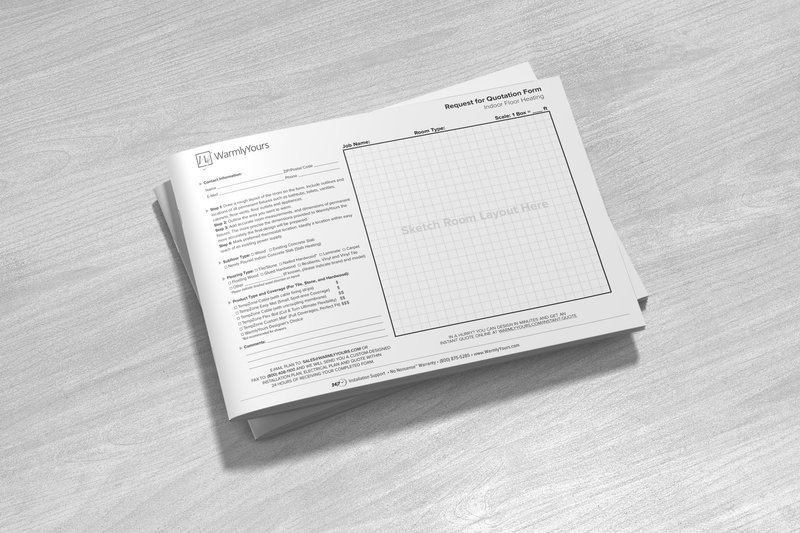
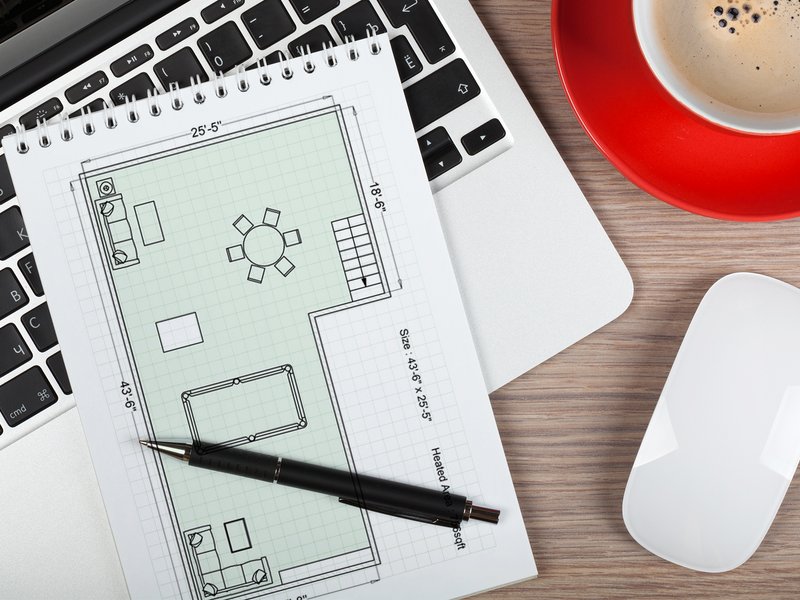
Provide WarmlyYours with a sketch of the basement that includes dimensions and other relevant information and you’ll receive a free SmartPlan within one business day that includes an installation plan, an electrical plan, and an itemized quote.
Also, explore our collection of basement projects that we put together showing their floor plan and estimated quote.