
In This Article
Snow Blower or Heated Driveway to Solve Your Winter Driveway Problems?
We understand if you're skeptical. These days, companies make bold claims about “amazing” and “life-changing” products—but rarely do they live up to the hype. At WarmlyYours, we’ve been perfecting electric radiant heating systems for over 26 years, serving 300,000+ homes and projects. A WarmlyYours electric snow melt system isn't just another product; it's a proven solution that eliminates winter snow and ice headaches entirely.
If you’ve ever battled snow blowers, shoveling, or costly plowing services, a heated driveway offers a smarter, quieter, and more effective alternative—keeping you safe, warm, and worry-free all winter long.
Heated Driveway vs. Snow Blower: The Fastest Way to a Safe, Ice-Free Home
Key Facts: Heated Driveways Outperform Snow Blowers Every Time
This table compares heated driveways and snow blowers across the metrics that matter most to homeowners:
| Metric | Heated Driveway | Snow Blower |
|---|---|---|
| Operating Cost | $0.01–$0.15/hr (interior), up to $6.32/hr (large driveway) | $50–$200+ per season (fuel, maintenance) |
| Maintenance | Minimal; 24/7 automatic operation | Regular tune-ups, repairs, seasonal storage |
| Ice Prevention | Complete; melts snow before it sticks | Leaves thin ice layer; requires follow-up |
| Noise Level | Silent operation | 80–100+ dB (loud) |
| Installation Time | 1–3 days (professional) | N/A |
| Lifespan | 20+ years | 10–15 years |
Real-World Winter: Why Snow Blowers Fall Short and Heated Driveways Deliver
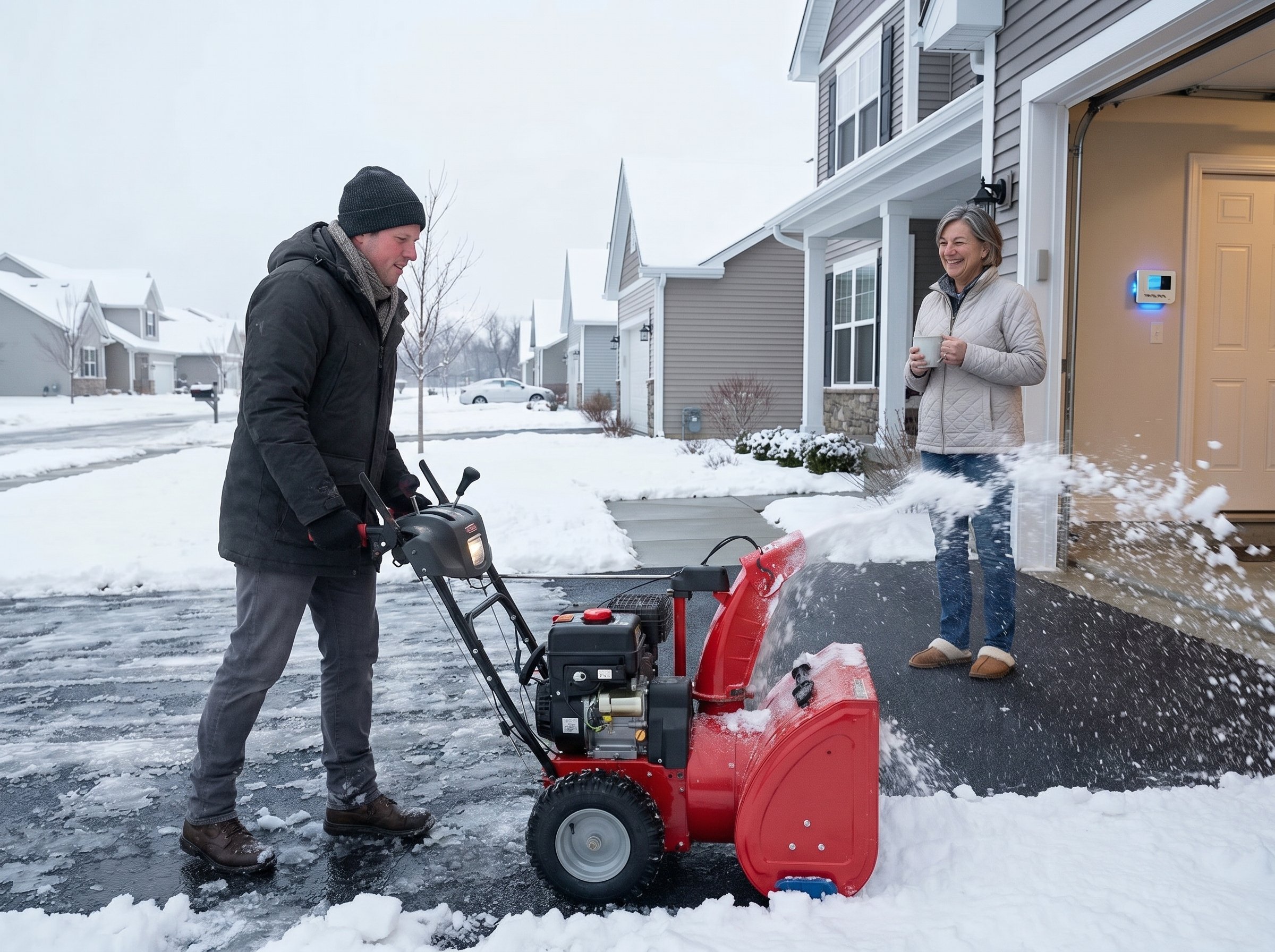
Picture this: It’s the morning after a heavy snowfall. You’re greeted by a driveway blanketed in snow, and the only thing standing between you and your morning commute is your trusty snow blower. After 30 minutes of noisy, back-straining work, you’ve cleared most of the snow—but a thin, stubborn layer of ice remains, waiting to freeze solid by evening. Sound familiar?
Now imagine a different scenario. Snow starts falling overnight, but you sleep soundly. Thanks to your electric snow melt system, the snow melts as it lands. By sunrise, your driveway is completely clear—no snow, no ice, no noise, and no effort. You head out safely, while neighbors are still battling their snow blowers.
Customer Perspective:
“Our snow melting system was installed this fall and for the first time in years we did not have ice in front of the garage doors for weeks in the winter. The WarmlyYours staff were great to work with and answered our many questions with patience and knowledge.”
– Deena G.
How a Heated Driveway System Works: Effortless Snow and Ice Removal
Heated driveway systems use durable electric heating cables or mats installed beneath your driveway surface—concrete, asphalt, or pavers. With the right sensor, when snow or ice is detected, your electric snow melt system can activate automatically, gently warming the surface to melt precipitation as it lands. No shoveling, no snow blowing, no plowing—just a clear, safe driveway all winter long.
- Automatic Activation: Snow sensor detects precipitation and turns the system on only when needed.
- Even Heating: Cables or mats distribute heat uniformly for consistent snow and ice melting.
- Safe Drainage: Meltwater drains naturally, preventing refreeze and slippery patches.
- Low Maintenance: No moving parts, tune-ups, or seasonal storage required.
Real Customer Showcases: Proven Performance in Harsh Winters
See how a WarmlyYours snow melt system transforms winter maintenance from a chore into a distant memory with these real-world success stories.
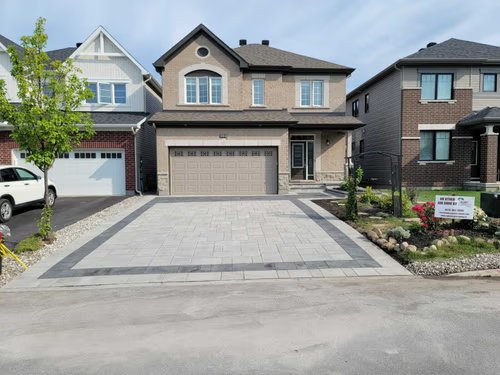
Ottawa, ON: From Arduous Shoveling to "Set It and Forget It"
The O’Malley family’s 810 sq. ft. driveway was once a constant winter battleground of heavy snow and dangerous ice. By installing Snow Melt PowerMats beneath their new pavers, they transformed their home into a maintenance-free sanctuary. Now, an advanced sensor handles the work, melting snow as it falls—no shoveling, no salt, and no stress.
View Full Showcase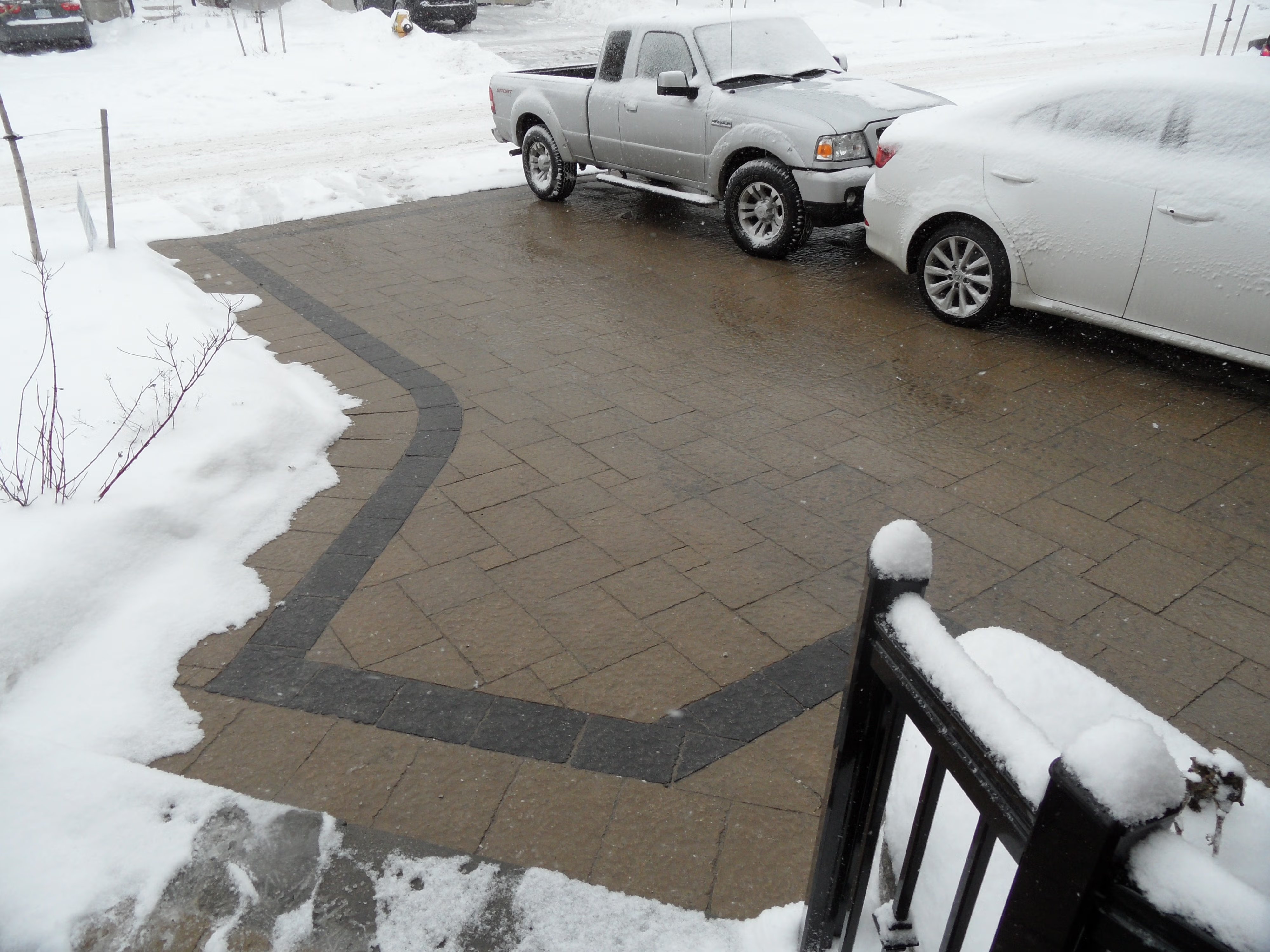
Vaughan, ON: Total Safety for Driveway and Stairs
This comprehensive installation covers both the driveway and front stairs, eliminating slip hazards where they matter most. Using a mix of PowerMats and heating cables, the system provides automated protection for the home's asphalt and masonry. It’s a seamless solution that preserves the property while providing total peace of mind.
View Full ShowcaseSee Radiant Snow Melting in Action: Timelapse Video
Experience the power of WarmlyYours snow melting systems firsthand. Watch how our snow melt system keeps driveways clear and safe in real winter conditions—no shoveling, no waiting, just reliable performance you can see.
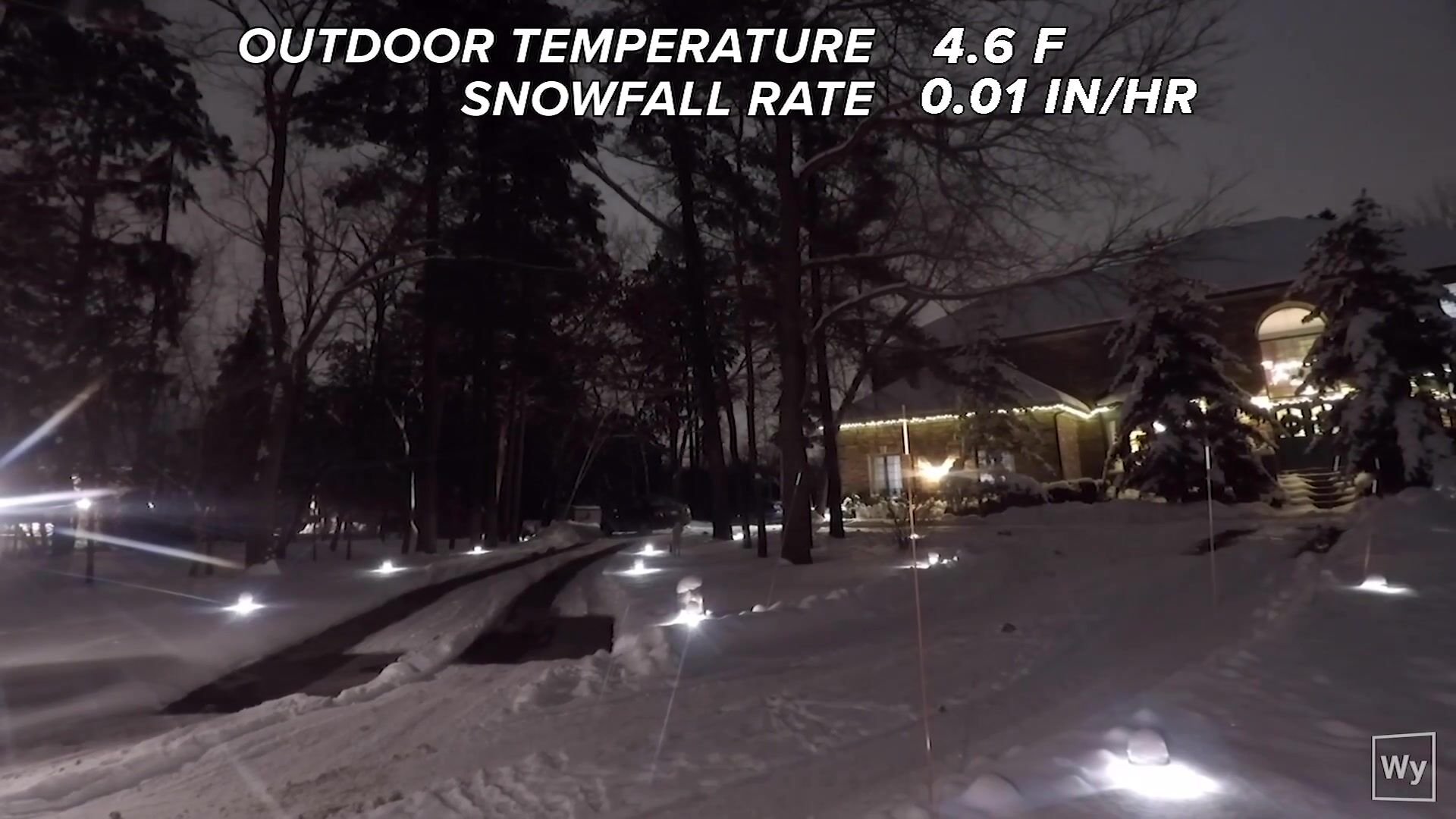
Tire Tracks Snow Melt Timelapse
Watch as a WarmlyYours heated driveway system completely melts away snow, leaving only tire tracks in a dramatic real-world timelapse. See the difference radiant heating makes for safety, convenience, and winter curb appeal.
Watch Full VideoInstallation & Compatibility: Seamless Integration for Lasting Performance
Installing a heated driveway is easiest during new construction or major renovations, ensuring smooth integration without disrupting existing pavement. Retrofits are possible but require more planning and labor.
When to Install
- New Construction: Ideal timing for embedding heating cables or mats beneath concrete, asphalt, or pavers.
- Renovations: Upgrade your driveway during resurfacing or replacement for seamless integration.
- Retrofit Options: Available but more complex and costly; consult with WarmlyYours experts.
Compatible Surfaces
- Concrete: Most common and highly durable surface for heated driveways.
- Asphalt: Works well with professional installation and proper insulation.
- Pavers and Stone: Premium aesthetic option with excellent heat distribution.
- Permeable Surfaces: Specialized systems designed for drainage and heating.
Professional Installation & Support
WarmlyYours offers comprehensive support throughout the installation process:
- Free floor plan analysis with over 600,000 in-house designs
- Custom installation plans tailored to your project
- 24/7 technical support during and after installation
- Industry-leading warranties and lifetime US-based customer care
Ready to Say Goodbye to Snow Blowers Forever?
Invest once in a WarmlyYours electric snow melt system and enjoy ice prevention, zero maintenance, and silent, automatic operation that keeps your home safe and accessible all winter long.
Or call us at 800-875-5285 to speak directly with our radiant heating experts—serving homeowners with trusted solutions for over 26 years.
Common Questions About Heated Driveways
How much does it cost to install a heated driveway?
The cost for the heating system typically ranges from $10 to $20 per square foot. Total project costs vary based on the driveway material (asphalt, concrete, or pavers) and labor rates. For a standard two-car driveway, the heating components usually cost between $3,000 and $5,000.
How much does a heated driveway cost to run per hour?
A heated driveway typically costs between $0.12 and $0.60 per hour to operate, depending on the size of the system and your local electricity rate. A 200 sq. ft. tire-track system runs at the lower end, while a full-coverage 1,000 sq. ft. driveway runs at the higher end. Most systems only activate when snow or freezing conditions are detected, so they don't run continuously. Over a full winter season, operating costs are typically $100–$300 — far less than the cost of annual salt, shoveling services, or driveway repairs from salt damage.
Can I install a heated driveway under an existing driveway?
Heating cables cannot be installed directly under an existing driveway surface. They must be embedded within the concrete, asphalt, or sand bed for pavers to transfer heat effectively. You can, however, install a system during a resurfacing project or by replacing specific sections like tire tracks.
Do heated driveways work in heavy snow?
Yes. Most systems are designed to melt snow at a rate of 1–2 inches per hour. When paired with an automatic sensor, the system begins heating as soon as the first flakes fall, preventing accumulation even during heavy blizzards by maintaining a warm surface temperature.
What happens to a heated driveway during a power outage?
Electric snow melting systems require power to operate. If your area experiences frequent outages during storms, you can connect the system to a backup generator. However, because these systems have high wattage requirements, ensure your generator has sufficient capacity to handle the load.
Are heated driveways environmentally friendly?
Heated driveways are an eco-friendly alternative to traditional snow removal. They eliminate the need for harsh de-icing chemicals and salt, which can damage local ecosystems, contaminate groundwater, and harm pets. They also reduce the carbon footprint associated with gas-powered snow blowers and plows.
How long does a heated driveway system last?
A high-quality electric snow melting system is designed to last 20 to 30 years or more. Because the cables have no moving parts and are protected within the driveway material, they often outlast the driveway surface itself with virtually no maintenance required.
Have Questions About Your Project?
Our team of Radiant Experts is ready to help!
Related Articles
Snow Melting Systems for Steep Driveways: What Homeowners Need to Know
How to Plan for a Snow Melting System: 8 Things to Know Before You Get a Quote
Snow Melting Mats vs. Cables: Which to Choose for your Heated Driveway

Low Cost Snow Melting is the Answer to Snowy Saint Paul Winters
Stay Updated
Get the latest radiant heating news and tips delivered to your inbox.