

In This Article
A heated concrete floor typically costs between $10 and $20 per square foot for materials, with total project costs varying based on whether you are installing a system in a new pour (in-slab) or retrofitting over an existing slab (above-slab). While heated concrete floors represent a significant upfront investment, their high thermal mass allows them to retain heat efficiently, often reducing long-term energy costs compared to traditional forced-air systems. You can estimate your monthly expenses with our operating cost calculator.
Quick Facts
- Material Cost: Typically ranges from $10 to $20 per square foot.
- Installation Type: Can be embedded in a new pour (in-slab) or retrofitted over existing concrete (above-slab).
- Thermal Efficiency: Concrete acts as a thermal battery, retaining heat long after the system is turned off.
- Health Benefits: Radiant heat does not circulate dust or allergens like traditional HVAC systems.
Concrete floors are no longer limited to basements and garages. With the rise of industrial and modern design, polished, stained, and stamped concrete have become popular choices for living areas throughout the home. However, concrete’s high thermal mass means it can feel incredibly cold to the touch without a dedicated heating source.
Why Heat Your Concrete Floors?
Concrete is an excellent conductor of heat, but it is also a “heat sink.” Without a dedicated heating system, it will pull warmth from the room and your feet. By embedding an electric floor heating system, you turn the entire floor into a gentle, consistent heat source. This is especially beneficial in basements and garages, where traditional heating often struggles to keep up.
Best Flooring Options for Heated Concrete
While polished concrete is a stunning finish on its own, many homeowners choose to layer other materials over their heated slab. Tile and stone are the best conductors, but luxury vinyl plank (LVP) and engineered wood are also excellent choices.
Types of Radiant Heating for Concrete
Depending on whether you are building a new home or remodeling an existing space, you have two primary options for electric radiant heat. Below we explore the installation methods and highlight our recommended products for slab heating, whether you need an in-slab or above-slab solution.
In-Slab Heating (New Construction)
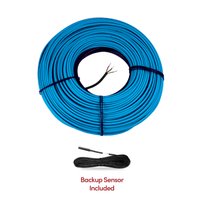
If you are pouring a new concrete slab, Slab Heating Cable is the gold standard. These heavy-duty cables are tied directly to the rebar or wire mesh before the concrete is poured. Once the slab cures, it acts as a massive thermal battery, holding heat for hours. For more technical details, see our slab heating training.
Above-Slab Heating (Remodeling)
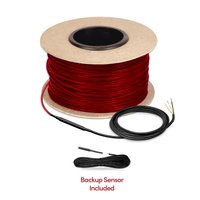
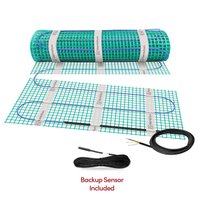
For existing concrete floors, you can install a thinner system like TempZone™ Cable or TempZone™ Flex Rolls on top of the slab. Both are designed to embed smoothly in thinset or self-leveling underlayment, providing even, reliable heat without significantly raising your floor height. To prevent the concrete from sucking the heat downward, we recommend using an insulating underlayment like ThermalSheet™.

Installation Methods for Concrete Floors
Depending on whether you are pouring a new slab or installing over an existing one, the installation process differs. Here are the two primary methods:
1. In-Slab Installation (Slab Heating Cable)
This method is ideal for new construction where the heating elements are embedded directly within the concrete slab. It provides a high thermal mass, allowing the floor to retain heat for long periods.
-
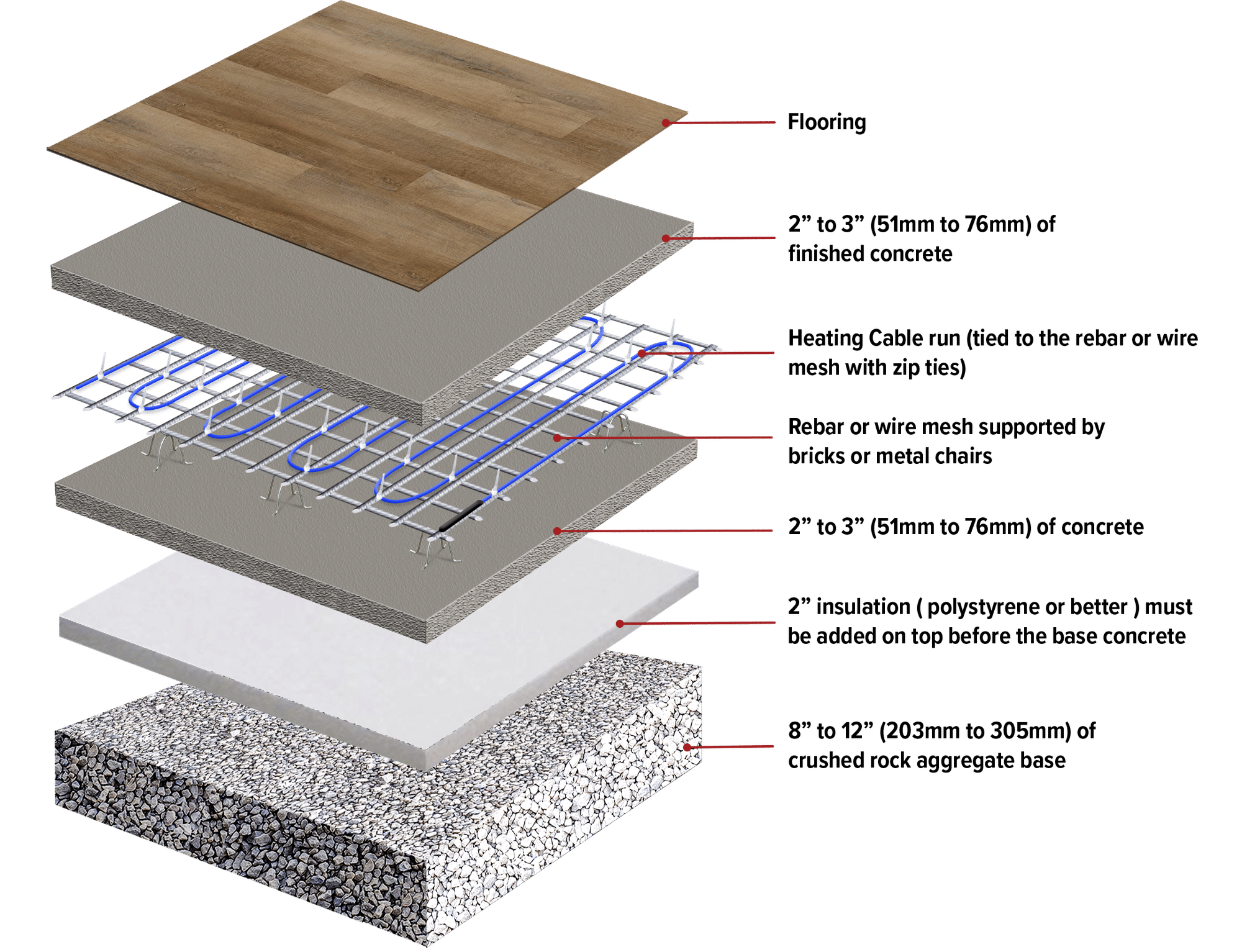
Prepare the Base: Ensure the subbase is compacted and a vapor barrier is installed. Ideally, add a layer of rigid insulation to prevent heat loss into the ground.
-
Install Reinforcement: Lay down rebar or wire mesh. This provides the structure to which the heating cable will be attached.
-
Secure the Cable: Attach the Slab Heating Cable to the rebar or mesh using zip ties. Follow the serpentine pattern designed for your space, ensuring consistent spacing.
-
Test the System: Use a digital ohmmeter to test the cable’s resistance before, during, and after the installation.
-
Pour the Concrete: Carefully pour the concrete over the cables. Ensure the cables remain secured and are completely covered.
In-Slab Cross-Section View
Understanding the layers is key to a successful installation. Here is a cross-section showing how the components fit together in a new concrete pour.
2. Above-Slab Installation (TempZone Flex Roll or Cable)
For existing concrete floors, both TempZone™ Cable and TempZone™ Flex Rolls are excellent solutions. This method involves laying the heating element on top of the slab and covering it with a thin layer of self-leveling underlayment or thinset.
- Clean and Prime: Ensure the existing slab is clean, level, and free of debris. Apply a primer if recommended for your specific underlayment.
- Lay the Insulation: Install ThermalSheet™ insulating underlayment to prevent the concrete from acting as a heat sink.
-
Layout and Cut: If using a TempZone Flex Roll, roll it out and use the “Cut & Turn” method to fit the mat to your floor plan, cutting only the green mesh. If using TempZone Cable, secure the cable to fixing strips at the required spacing. Never cut the heating cable itself.
- Secure and Test: Secure the mat to the subfloor and perform resistance tests to ensure the system is functioning correctly.
-
Install Flooring: Apply thinset or self-leveling mortar over the mat and install your tile, stone, or other compatible flooring.
Above-Slab Cross-Section View
Understanding the layers is key to a successful installation. Here is a cross-section showing how the components fit together when installing over an existing slab.
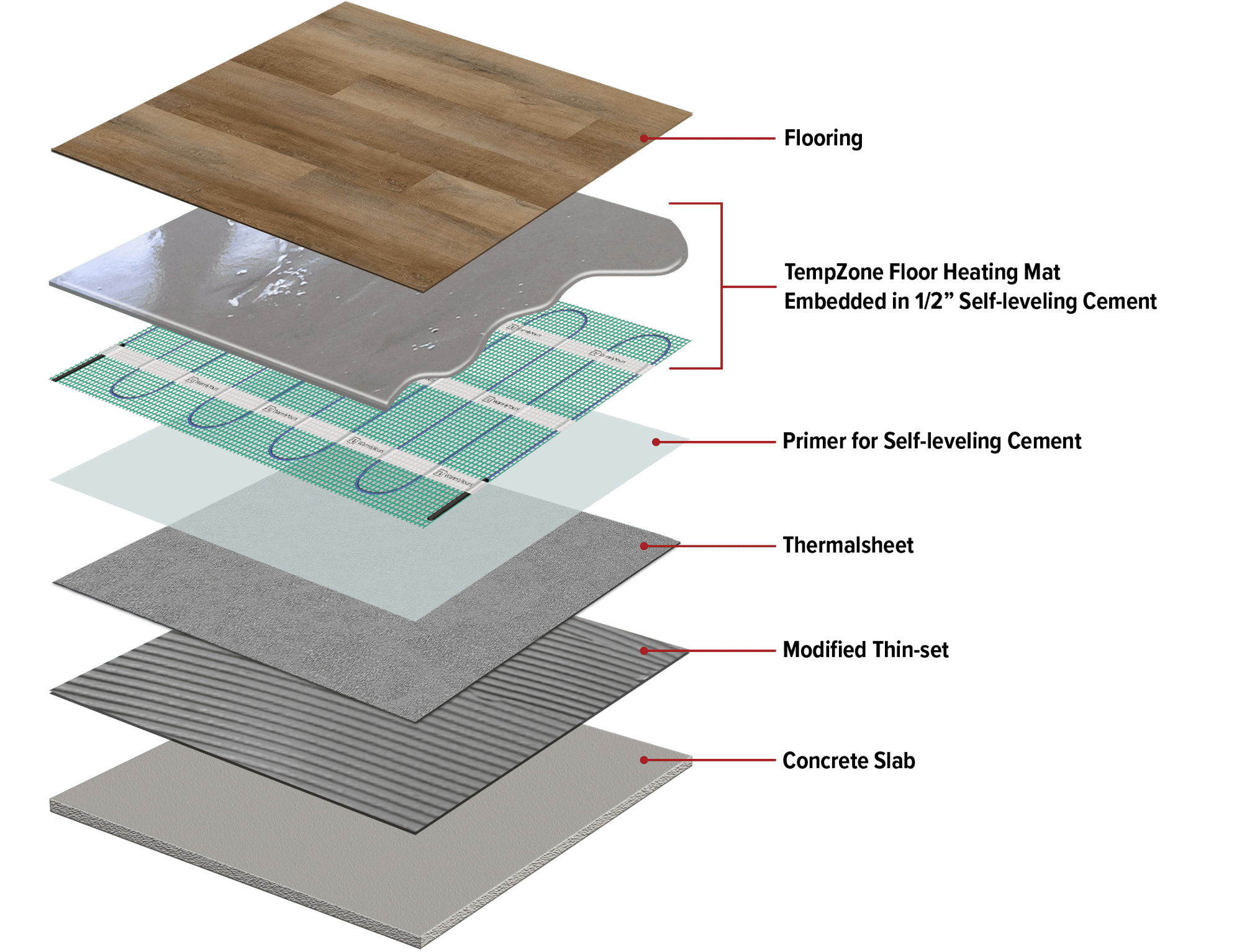
Cross-Section View
Understanding the layers is key to a successful installation. Here is a cross-section showing how the components fit together.
Recommended Products for Slab Heating
Heated Concrete Floor Cost Breakdown
When budgeting for your project, consider both the upfront material costs and the long-term operating expenses.
Operating costs will vary based on your installation method. An In-Slab system (Slab Heating Cable) heats a large thermal mass that takes longer to warm up but retains heat for hours, allowing you to run the system efficiently during off-peak electricity hours. An Above-Slab system (TempZone™ Cable or Flex Roll) sits just below the floor surface, providing faster warm-up times so you only pay to heat the room exactly when you are using it.
Overall, operating costs are surprisingly low. For a typical 500 sq.ft. basement, running the system for 8 hours a day might cost only a few dollars per month. You can calculate your exact costs using our interactive Operating Cost Calculator below.
Operating Cost Calculator for Floor Heating
Estimate your daily and monthly energy costs based on room size and local rates.
"Most homeowners are surprised how affordable radiant floor heating is to operate—often just pennies a day for a bathroom. It's the kind of everyday luxury that pays for itself in comfort!"
— Rae RadiantVideo Guide: Everything You Need to Know About Heating Concrete Floors
Looking for a deep dive? In this comprehensive webinar, we cover everything you need for a successful installation. You’ll learn the benefits of radiant heating for concrete slabs, how to approach new versus existing floors, and expert tips on handling expansion joints and placing cables.
Ready to get started?
Get an instant quote today for electric floor heating and see how affordable a heated concrete floor can be.
Frequently Asked Questions
Most floor coverings, including tile, stone, luxury vinyl plank (LVP), and engineered wood, can be installed over a heated concrete slab. Always verify the flooring manufacturer's temperature limits, typically 82°F to 85°F. For carpet or wood, ensure the R-value does not exceed 1.5 to allow efficient heat transfer.
Yes, you can add radiant heating to an existing slab using low-profile heating mats or cables installed in a thin layer of self-leveling underlayment or thinset. Alternatively, if you are pouring a new topping slab, you can embed the heating system directly within that new layer for efficient warmth.
Yes, installing thermal insulation like CeraZorb® is critical when heating over a concrete slab. Insulation prevents the slab from acting as a "heat sink," which pulls warmth away from the floor. By directing heat upward into the room, insulation reduces energy consumption and significantly improves system response times.
Electric radiant heating is installed by securing heating cables to the rebar or wire mesh before the concrete pour. The cables are spaced evenly to ensure uniform heat distribution. Once the concrete is poured and cured, the system provides consistent, maintenance-free warmth that radiates from the slab.
Electric radiant floor heating for concrete floors typically costs between $10 and $20 per square foot for the heating elements and installation materials. Operating costs are highly efficient, usually ranging from $0.01 to $0.15 per hour depending on the size of the heated area and local electricity rates.
Yes, heated concrete floors are a high-value investment that transforms cold surfaces into consistent radiant heat sources. With an ROI of 50-80% at resale and low operating costs, they provide immediate comfort and long-term value. WarmlyYours has installed over 300,000 systems since 1999, proving the reliability of this solution.
In-slab concrete heating typically takes 2–4 hours to reach target temperatures due to the slab's high thermal mass. While the warm-up time is longer than other floor types, the concrete retains heat significantly longer after the system cycles off. Using a WiFi thermostat to schedule heating is recommended.
No, properly installed radiant heating does not cause concrete to crack. The heating cables are designed to expand and contract with the slab. By maintaining a consistent temperature, the system can actually reduce stress from extreme freeze-thaw cycles. Always follow industry standards for cable depth and control joint placement.
Have Questions About Your Project?
Our team of Radiant Experts is ready to help!
Related Articles
Step-by-Step: Installing Radiant Heat Under LVT in a Finished Basement (Real Project)
How to Install Radiant Heating In or On a Concrete Floor

How Much Does Radiant Floor Heating Cost in 2026?

Are Heated Floors Worth It? Resale Value, ROI & Cost Explained
Stay Updated
Get the latest radiant heating news and tips delivered to your inbox.


