
In This Article
A complete heated floor system is more than just a heating cable; it is a carefully engineered assembly of components designed to provide safe, efficient, and consistent warmth. Whether you are looking for afloor heating system for a small bathroom or a comprehensive underfloor heating system for your entire home, understanding the individual parts—from the heating element to the thermostat—is essential for a successful installation.
System Components
- Heating Element: The core component, available as flexible cables or pre-spaced mats.
- Thermostat: The “brain” of the system that regulates temperature and can enable scheduling.
- Floor Sensor: A small probe that monitors the actual floor temperature for safety and comfort.
- Uncoupling Membrane: Protects tile from cracking while providing a channel for cable installation.
- Insulation: Prevents heat loss into the subfloor, directing warmth upward into the room.
The Core: Choosing Your Heating Element
The most important part of any heated floor system is the heating element itself. In electric systems, this typically comes in two formats: heating mats and heating cables.
Heating Mats
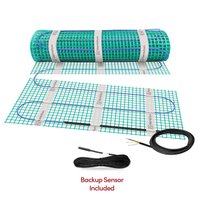
Heating mats, such as our TempZone™ Floor Heating Mats, feature heating cables pre-attached to a mesh backing at fixed intervals. This design ensures even heat distribution and simplifies installation, as the mat can be rolled out and adhered directly to the subfloor. Mats are ideal for rectangular or square rooms where layout is straightforward.
Heating Cables
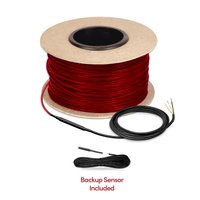
For rooms with complex shapes or obstacles (like vanities, toilets, or pillars), loose heating cables offer maximum flexibility. These floor heating cables can be spaced manually with fixing strips (like our GripStrips) or snapped into an uncoupling membrane, allowing you to customize the heat output and coverage area exactly where you need it. The cables can be spaced at 3”, 4”, and even 5” in warmer climates to perfectly match your room’s heating requirements.
Floor Covering Compatibility
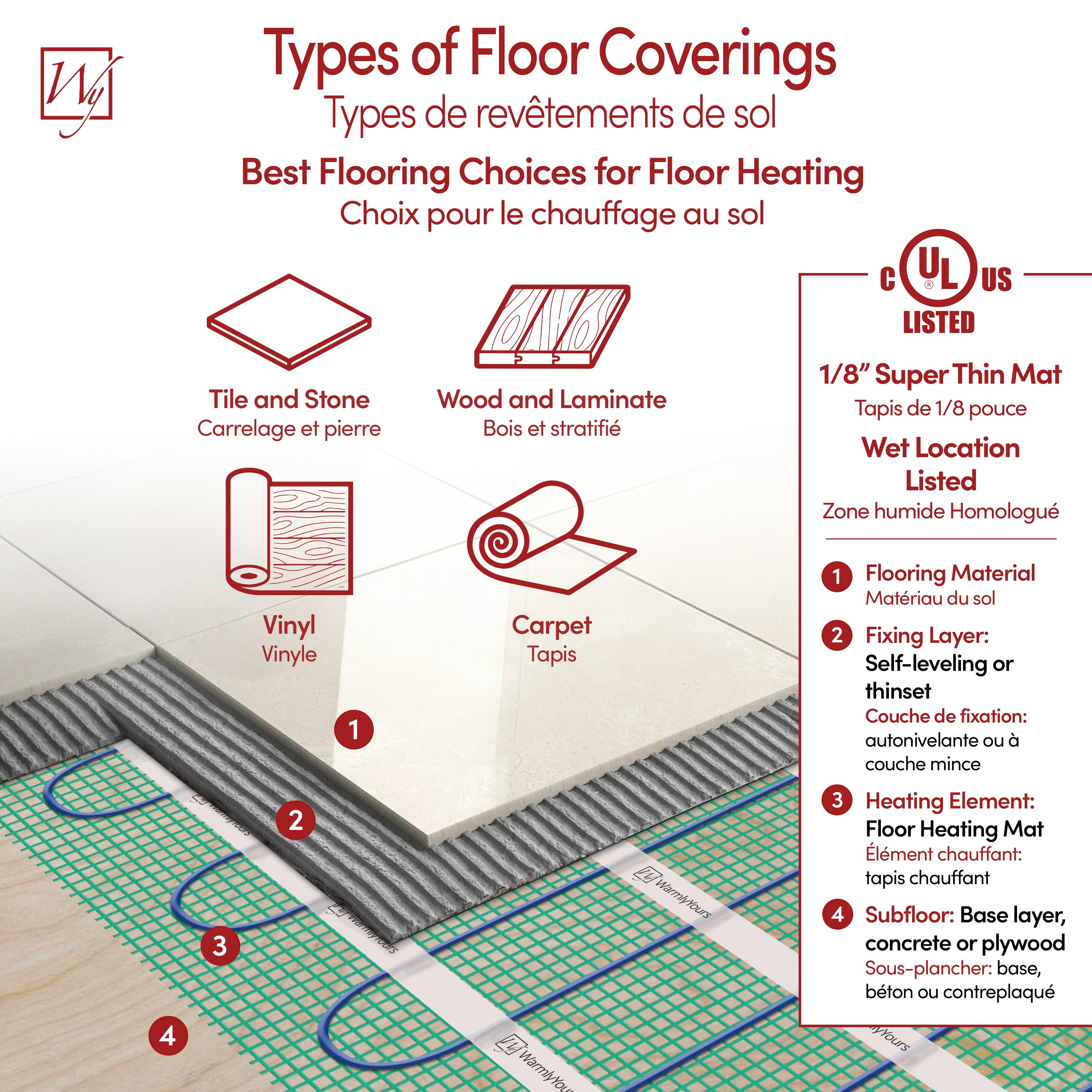
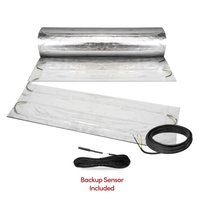
Your choice of heating element also depends on your floor covering. While TempZone™ products are designed to be embedded in thinset or self-leveling compound under a floor covering like tile or LVT, WarmlyYours also offers the Environ™ series. Environ™ features a foil-based mat designed specifically for floating floors like laminate, engineered wood, and carpet. The foil distributes heat evenly without requiring any cement or thinset during installation.
Electrical Requirements: 120V vs. 240V
When selecting your components, you will need to choose between 120V and 240V systems. Both voltages output the exact same amount of heat and cost the same to operate. The primary difference is capacity: a 240V system allows you to heat twice the square footage on a single circuit compared to a 120V system. Always consult with your electrician to determine which voltage is best suited for your home’s electrical panel.
If you’re an installer looking for a deeper dive into the technical differences, be sure to read our comprehensive guide: 120V vs 240V TempZone™ Ruler Cable: The Professional’s Complete Selection Superiority Guide.
The Brain: Smart Controls and Thermostats
A modern floor heating system relies on a specialized thermostat to manage energy usage and comfort. Unlike standard HVAC thermostats, floor heating controls use a dedicated floor sensor to monitor the temperature of the flooring material itself.
WarmlyYours offers the nSpiration Series, which includes options ranging from simple non-programmable models to advanced Wi-Fi enabled thermostats. These smart controls allow you to set schedules, monitor energy usage, and even control your floors remotely via a smartphone app.
The Floor Sensor Probe
While the thermostat mounts on the wall, the floor sensor is a physical wire probe that must be embedded in the thinset or underlayment during the floor installation. This critical component communicates the exact floor temperature back to the thermostat, ensuring your floors never overheat and always reach your desired comfort level.
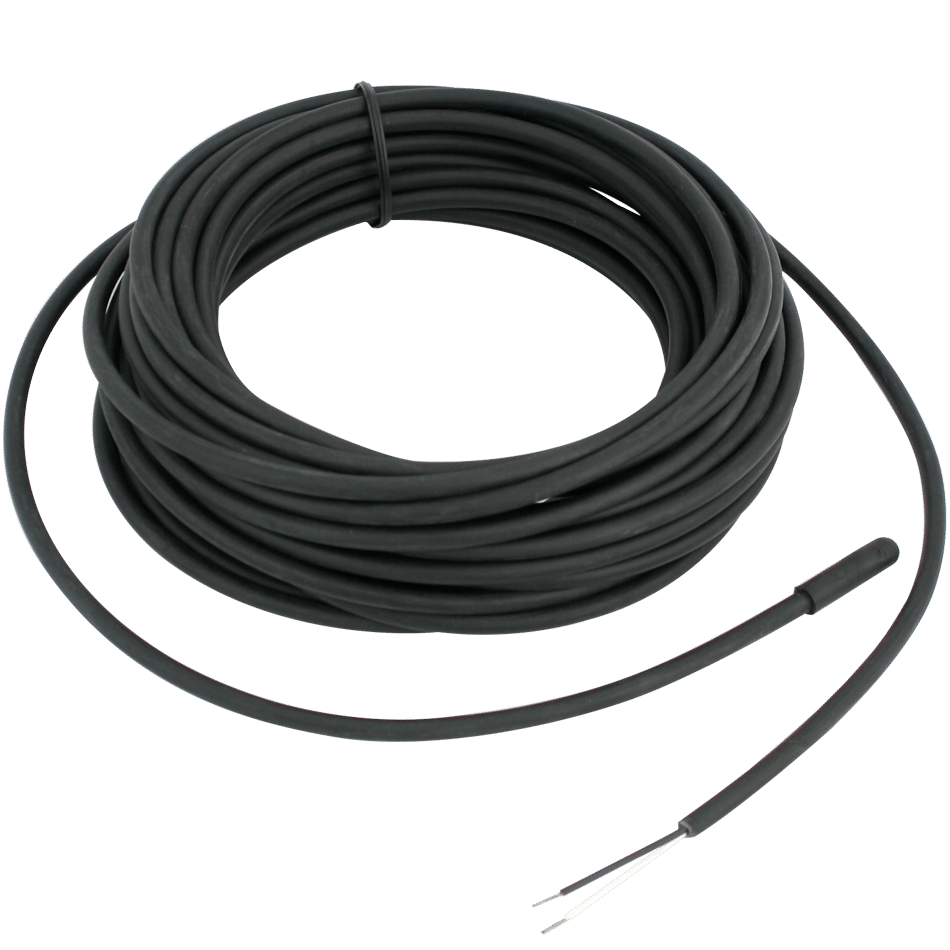
Because this sensor is permanently sealed in thinset or self-leveling compound, every WarmlyYours heating system comes with a backup sensor included. Installing both sensors provides essential redundancy and peace of mind—if the primary sensor ever fails or is damaged during installation, you can simply connect the backup sensor to the thermostat without needing to tear up your finished floor.
Power Modules for Large Rooms
A single thermostat can typically handle up to 15 amps (roughly 150 sq. ft. at 120V or 300 sq. ft. at 240V). For large-scale or whole-home underfloor heating systems that exceed this limit, a power module (like our nJoin 2.0) is an essential component. Power modules allow a single master thermostat to control multiple heating circuits simultaneously, ensuring seamless operation across large areas.
Installation Essentials: Membranes and Insulation
To ensure the longevity of your underfloor heating system, especially under tile or stone, an uncoupling membrane like Prodeso® is highly recommended when you’re installing cable-based floor heating systems. This membrane serves two purposes: it provides a structured grid for easy cable spacing and acts as a buffer to prevent subfloor movement from cracking your grout and tiles.

Additionally, adding a layer of thermal insulation (such as ThermalSheet®) beneath the heating element (either cable or mat) can improve efficiency by up to 50%. Insulation prevents the “heat sink” effect, where warmth is absorbed by a cold concrete subfloor instead of rising to your feet.

Safety First: Installation Testing Tools
A complete system includes the tools needed to install it safely. The Circuit Check is a mandatory component used during installation. This device continuously monitors the heating cable and sounds an alarm if the cable is damaged during the flooring installation, giving you peace of mind before the floor is permanently sealed.

Why a Complete System Matters
When you purchase a complete system rather than piecing together components from different manufacturers, you ensure total compatibility. A unified system is easier to troubleshoot, covered by a comprehensive warranty, and designed to work together for decades of maintenance-free comfort.
Get a Professional Layout
Before you buy, take advantage of the WarmlyYours SmartPlan™ service. Send us your floor plan, and our engineers will design a custom layout for your specific heated floor system, including exact cable lengths and component placement.
If you’re not quite ready for a custom plan and want to see some examples first, check out our Floor Plan Finder. From there, you can browse by room type to view various floor plans with system options, complete with estimated product costs and operating costs to help you budget for your project.
Ready to start your project? Explore our full range of floor heating systems or use our interactive calculator to estimate your costs.
Operating Cost Calculator for Floor Heating
Estimate your daily and monthly energy costs based on room size and local rates.
"Most homeowners are surprised how affordable radiant floor heating is to operate—often just pennies a day for a bathroom. It's the kind of everyday luxury that pays for itself in comfort!"
— Rae RadiantFrequently Asked Questions about Floor Heating Components
A complete electric floor heating system consists of two essential components: the heating element (either a pre-spaced mat or loose cable) and a specialized thermostat. But most systems will also incorporate a floor sensor to monitor temperature. Cable-based systems may also use an uncoupling membrane for tile protection. If you're installing over a cement slab or a poorly insulated space, you may also want to include thermal insulation to prevent heat loss. Together, these parts ensure safe, efficient, and consistent warmth throughout your room.
Floor heating mats feature pre-spaced cables attached to a mesh backing, allowing for fast roll-out installation in standard rectangular rooms. Loose heating cables offer maximum flexibility, allowing for custom spacing around obstacles, curved walls, or irregular room layouts.
A floor sensor is a critical component that monitors the actual temperature of your flooring material. It communicates directly with the thermostat to ensure your floors reach your desired comfort level without overheating. This precise control protects your flooring and maximizes energy efficiency by only heating when necessary.
An uncoupling membrane, like Prodeso, serves two vital roles: it provides a structured grid for easy heating cable installation and acts as a buffer between the subfloor and tile. This prevents subfloor movement from causing cracks in your grout or tiles, ensuring a long-lasting and durable installation.
Yes, but capacity is limited. A 120V system typically handles up to 150 square feet on a single circuit. For larger areas, a 240V system is preferred as it can heat up to 300 square feet per circuit. Both voltages provide the same heat output and cost the same to operate.
Electric floor heating is surprisingly affordable to operate. A typical 35 sq. ft. bathroom heated with a TempZone™ system at about 15 watts per square foot draws roughly 525 watts — about — per hour, or about — for 8 hours a day at the current national average electricity rate. Because a floor-heating thermostat only calls for heat part of the time, real-world costs are often lower. Use our Operating Cost Calculator for an estimate based on your exact room size and local electricity rate.
Have Questions About Your Project?
Our team of Radiant Experts is ready to help!
Related Articles

Radiant Floor Heating Operating Costs: The Monthly Expense Guide
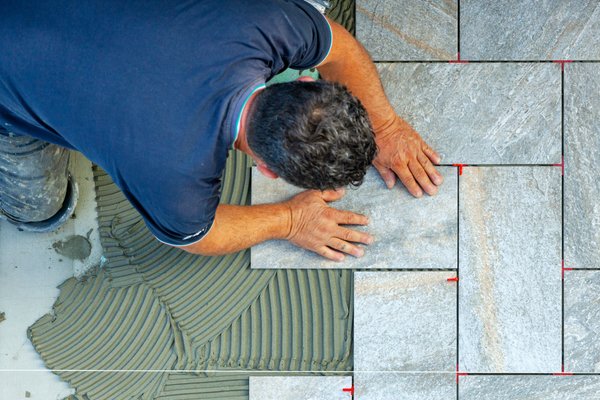
How to Install Floor Heating under Tile

How to Prevent Tile Cracks When Installing Radiant Floor Heating
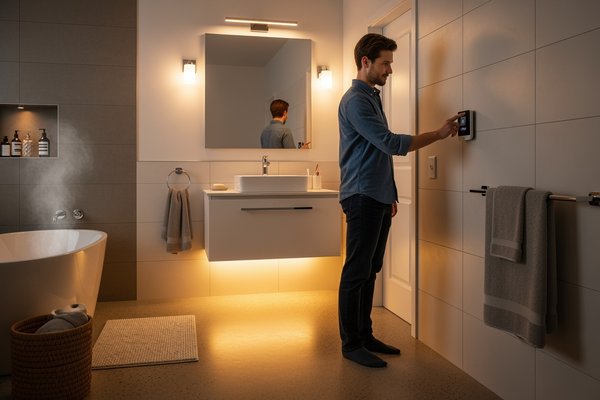
How to Run Your Floor Heating System Efficiently: Thermostat Tips & Schedules
Stay Updated
Get the latest radiant heating news and tips delivered to your inbox.