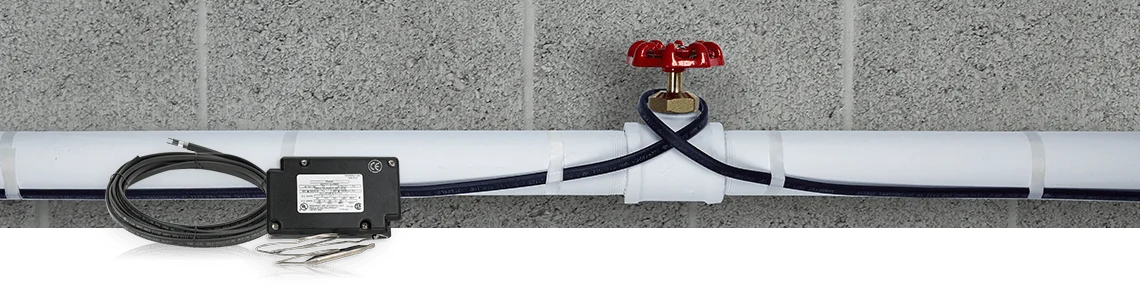
Heat Tape for Pipes & Pipe Freeze Protection
In Canada, where winter temperatures can regularly drop to levels between -15°C and -40°C, winter can often mean frozen pipes. A frozen pipe will not only restrict the flow of water, but also cause potential costly damage to your building when pipes burst. Heat cable for pipes are a simple and easy-to-install solution to the ravages of harsh Canadian winters.
Our heat tape for pipes will be able to keep non-flowing water pipes in poorly insulated perimeter walls flowing despite harsh Canadian winter temperatures. And our heat cable for pipes helps keep running costs down by adjusting the wattage output in direct response to the ambient temperature.

Why Install Heat Tape for Pipes?
A frozen pipe is more than an inconvenience—it can burst and flood your home. A simple heating cable prevents it for just pennies a day.
Prevent Burst Pipes
Frozen pipes that burst cause thousands in water damage. Heat tape keeps pipes above freezing so pressure never builds.
Keep Water Flowing
Maintain water supply to your home even in the coldest temperatures—no more frozen faucets or lost service.
Easy to Install
No pipe removal required—simply wrap the cable around existing pipes and secure with fiberglass tape.
Self-Regulating Options
Our self-regulating cable automatically adjusts heat output based on temperature, using only the energy it needs.
Safety Certified
cULus listed (self-regulating) and cUL/CSA/cETLus listed (constant wattage)—independently tested for safe operation.
Industry-Leading Warranty
10-year warranty on self-regulating cable, 2-year warranty on constant wattage—built to last through decades of winters.
Heat Tape for Pipes
WarmlyYours line of PRO-Tect Pipe Freeze Protection Heating Cables are the ideal solution to protect pipes from freezing. We offer both a DIY-friendly constant wattage option and a self-regulating heat tape for pipes that is more energy efficient.
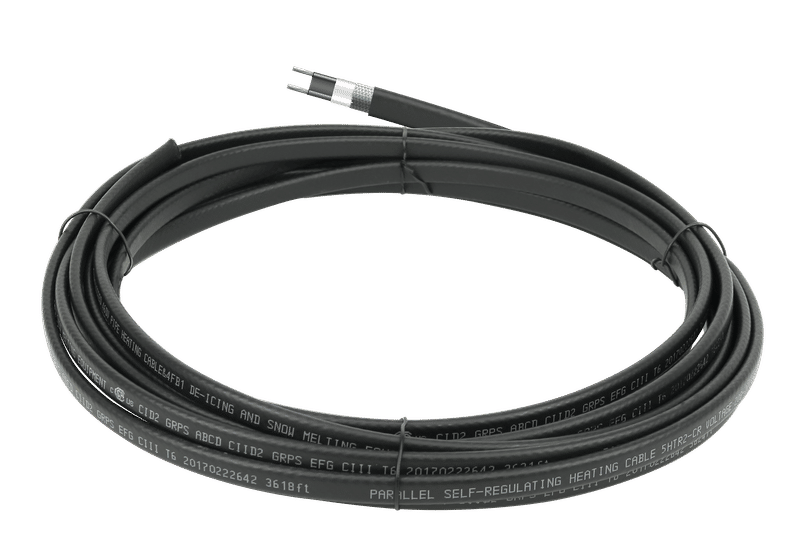
These self-regulating heat trace cables can be trimmed to exact size by the installer.
Self-regulating cut-to-length pipe freeze protection cable
-
Cables spools length available in 50′, 100′, 250′, 500′ and 1,000′
-
Options for 120, 208, 240, and 277 voltages
-
Automatically varies wattage for optimal energy savings
-
Can be overlapped or criss-crossed
-
Safe: cUlus Listed
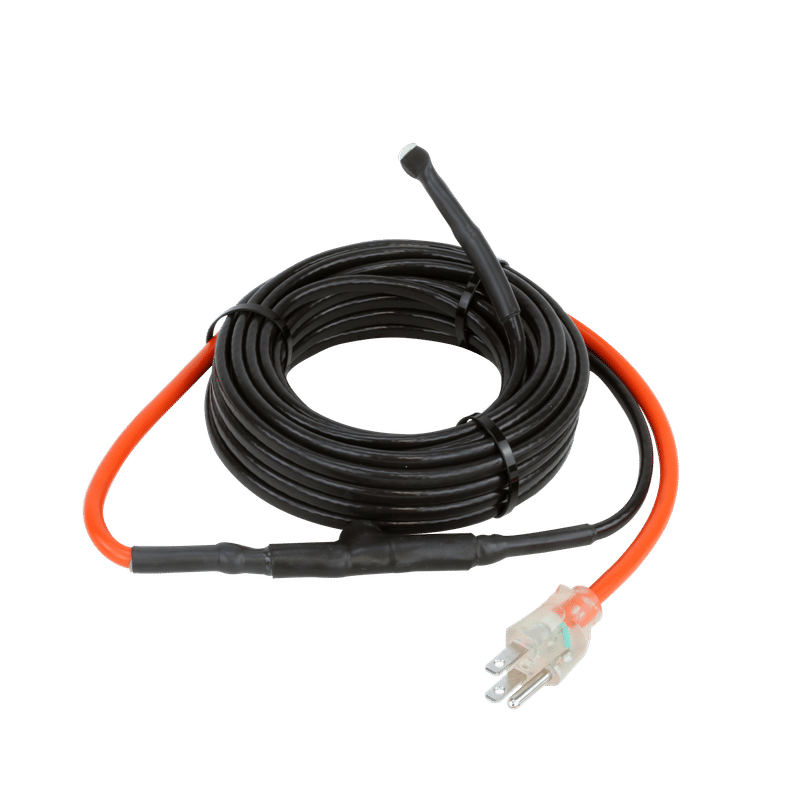
These plug-in heat tape cables will keep your pipes from freezing in low temperatures.
Pipe Freeze Protection Heating Constant Wattage Cables are the ideal cost-effective solution to protect pipes from freezing. These small cables come in pre-determined lengths generating 7 watts per linear foot with an integrated thermostat control.
-
Easy plug-in operation with indicator light and integrated thermostat
-
Available in 3′, 6′, 9′, 12′, 15′, 18′, 24′, 30′, 40′, 60′, and 80′ lengths
-
Stops pipes from freezing at temps as low as -40°F/-40°C
-
7 watts per linear foot (constant wattage)
-
Safe: cCSAus listed
Get a Free Quote!
Provide us with measurements of the pipes you want to protect and receive a free quote within one business day.
Request QuoteHow to Install Heat Tape for Pipes
The installation process will differ somewhat depending on which type of heat tape for pipes you select (constant wattage vs. self-regulating) so you should always defer to the specific installation instructions for that particular product type. However, here are some general steps:
Measure
It's important to measure both the length of the pipe and the width/diameter to ensure that your heating element is the correct size for the project.
Test
Check that the heating elements are working properly.
Clean
Make sure that the pipe and the area around it has been cleared of any debris or obstructions that might interfere with the installation. Cleaning the pipe will also make it easier to adhere the cable with fiberglass tape.
Dry-fit
It's a good idea to do a test fitting of the cable to make sure everything lines up properly. The layout of the pipe will depend on the product type and the type of pipe so make sure to refer to your installation instructions.
Secure
Once you're happy with the layout, you can secure the cable to the pipe (typically with a heat resistant tape like fiberglass tape).
Insulate
The next step is to wrap the pipe and the heating cable with insulation. This helps retain the heat generated by the tape, reducing energy consumption and ensuring more consistent protection.
Connect
The final step is to connect the system to its power supply. For our constant wattage kits, this is a simple plug-in. For the self-regulating product, we do recommend that a licensed electrician make the final connections.
Types of Heat Tape for Pipes
There are two main types of pipe freeze protection cables: self-regulating and constant wattage. Here's how they compare to each other.
Self-Regulating Heat Tape
Automatically adjusts its heat output based on the ambient temperature, increasing heat as temperatures drop and decreasing it as they rise.
Ideal for pipes that require variable heat output depending on environmental conditions.
Advantages:
Energy-efficient due to its ability to adjust heat output.
Reduces the risk of overheating and energy waste.
Disadvantages:
Generally more expensive upfront than constant wattage tape.
Final connections should be done by a licensed electrician (which generally involves added project costs).
Constant Wattage Heat Tape
Delivers a consistent amount of heat regardless of the surrounding temperature.
Best suited for situations where a steady and uniform heat output is required.
Advantages:
Simple and consistent heating, making it reliable in stable environments.
Typically less expensive than self-regulating options.
Disadvantages:
Can lead to higher energy consumption as it doesn't adjust to temperature changes.
May overheat if used in warmer conditions or improperly installed.
Choosing the Best Option for Your Needs
Consider Your Climate: For regions with fluctuating temperatures, self-regulating heat tape offers better adaptability and energy efficiency. In consistently cold environments, constant wattage heat tape might provide the steady protection needed.
Evaluate Installation Complexity: If you prefer a more straightforward installation process and consistent performance, constant wattage heat tape may be the best choice. For those looking for long-term energy savings and are comfortable with a more complex installation, self-regulating heat tape is ideal.
Assess Your Budget: Constant wattage heat tape is often more budget-friendly upfront, while self-regulating tape may save on energy costs over time, offering better long-term value.
Preventing Frozen Pipes: Additional Tips
In addition to installing a pipe freeze protection system, there is one primary action you can take to prevent a frozen pipe. Improve the insulation in the room that your pipe is located in. By improving the insulation, you will also help improve the efficiency of the heating system itself.
Upgrading a room's insulation can take a lot of different forms including adding spray insulation (if not present) or replacing outdated windows with more insulative ones. But whatever form it takes, these extra steps can greatly improve the performance of your heating system.
Documents & Articles
-
PDF

Blog Posts
-
 5 min
5 min Heather
Dec 23, 2014
Heather
Dec 23, 2014
Heat Tape
Provides direct, consistent heat along the length of the pipe, preventing freezing even in extreme conditions. Available in self-regulating and constant wattage options to suit different climates and needs.
Directly heats the pipe, ensuring targeted and effective freeze prevention.
Provides precise heating exactly where needed
Works well in extremely cold conditions.
Maintains effectiveness even in sub-zero temperatures
Requires a generally more complex installation process.
May need professional installation for optimal results
Higher upfront cost compared to simpler insulation methods.
Initial investment is higher but provides active heating
Pipe Sleeves (Insulation)
Made from materials like foam or rubber, pipe sleeves provide insulation to keep pipes warm by trapping heat. Best suited for milder climates or as an additional layer of protection in combination with heat tape.
Easy to install and cost-effective for general pipe protection.
Simple DIY installation with minimal tools required
Provides energy-efficient insulation, reducing heat loss.
Passive protection that helps retain existing heat
Less effective in extremely cold conditions without supplemental heat.
May not provide sufficient protection in severe weather
Does not provide active heating, making it unsuitable for the coldest environments.
Relies solely on insulation without generating heat
Heating Lamps or Space Heaters
Used to warm the air around pipes, particularly in small, enclosed spaces like crawl spaces. Can be effective but inefficient and less targeted compared to heat tape.
Easy to set up and useful in emergency situations or temporary solutions.
Quick deployment when immediate protection is needed
Provides ambient heat, which can protect multiple pipes in a small area.
Covers a broader area with a single heat source
Less efficient and potentially unsafe if not used carefully.
Requires constant monitoring and safety precautions
Can be costly to run continuously and less effective for targeted pipe protection.
Higher operational costs and less precise heating