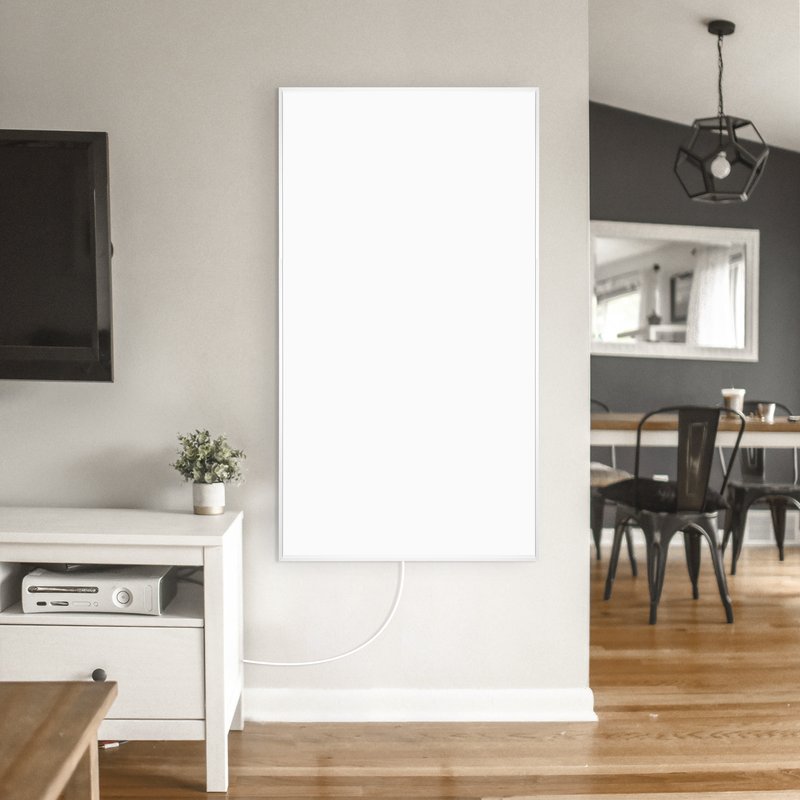
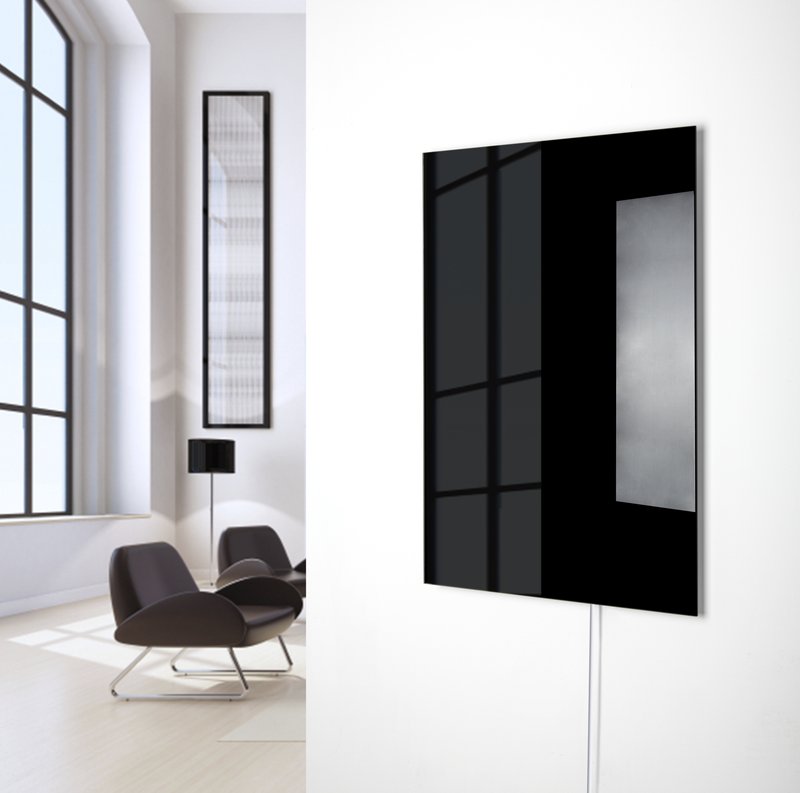
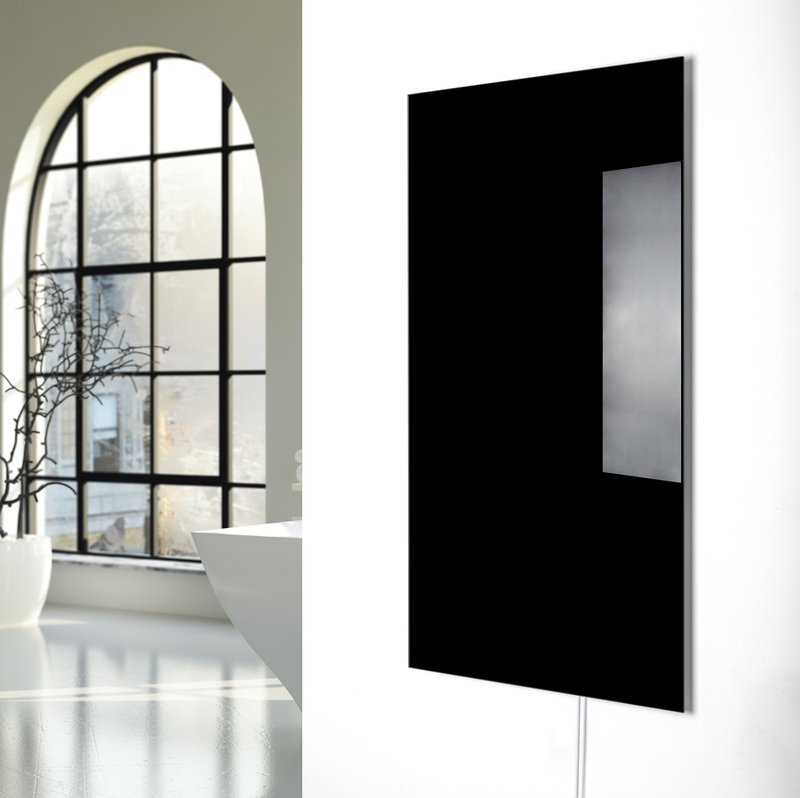
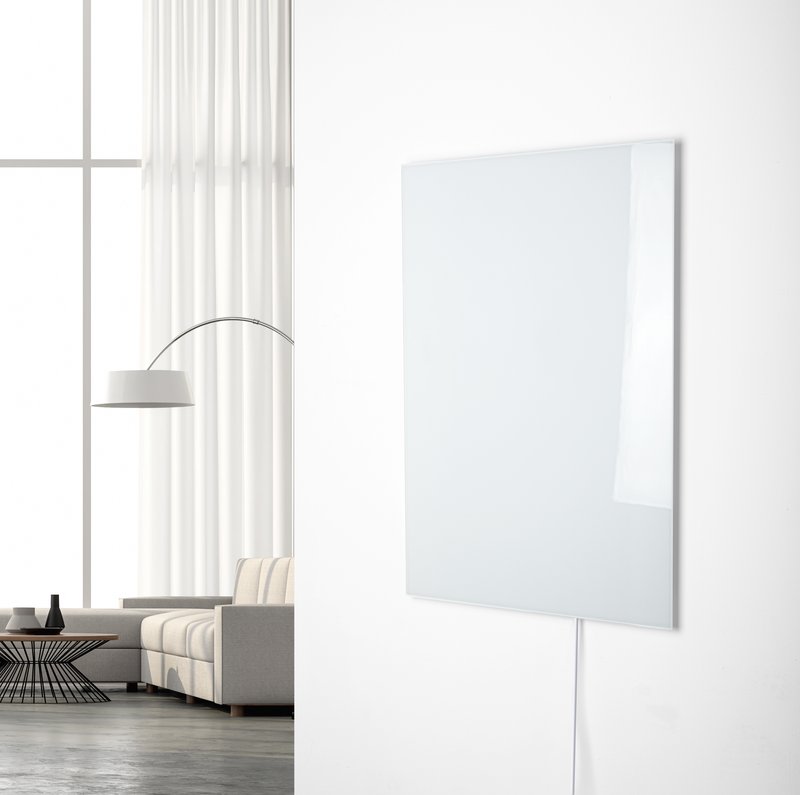
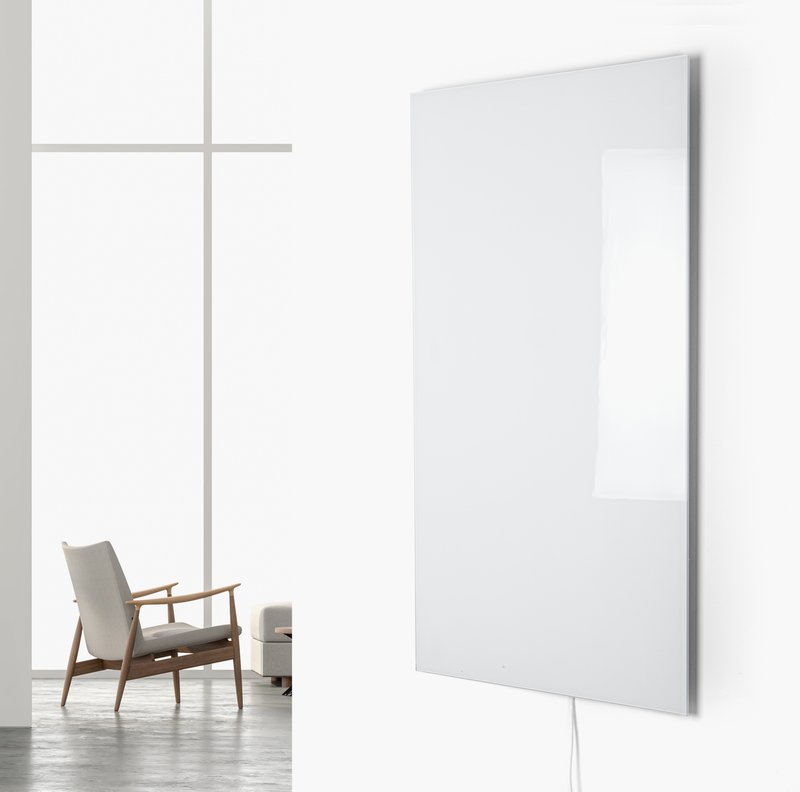
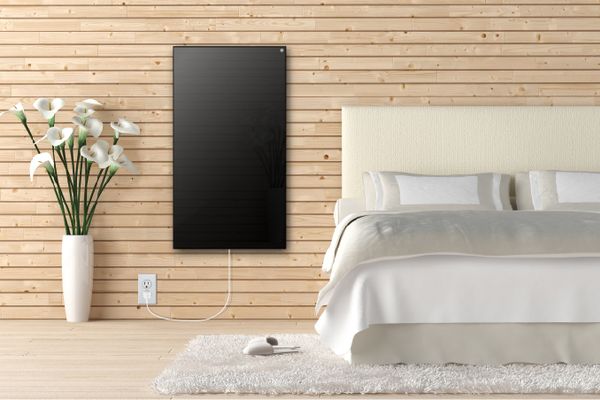
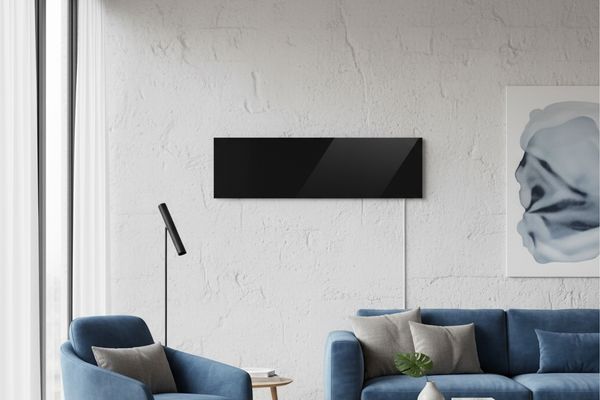
Infrared heating panels are designed for supplemental heating, not as a primary heat source. They work best to boost warmth in specific rooms or offset cold spots, but most homes require a central heating system for whole-home comfort.Why panels are supplemental:
-
Coverage area: Each panel heats 50–150 sq.ft. (one room or zone)
-
Wattage limits: 300–800W per panel (not enough for whole-home heating)
-
Installation: Requires multiple panels for multiple rooms (costly for whole-home coverage)
Best use cases for supplemental heating:
-
Cold rooms: Basements, sunrooms, garages, workshops
-
Spot heating: Home offices, bathrooms, bedrooms
-
Zone heating: Heat only occupied rooms (save energy)
-
Seasonal use: Three-season rooms, vacation homes
-
Supplement existing heat: Boost warmth without cranking up thermostat
When panels CAN be primary heat:
-
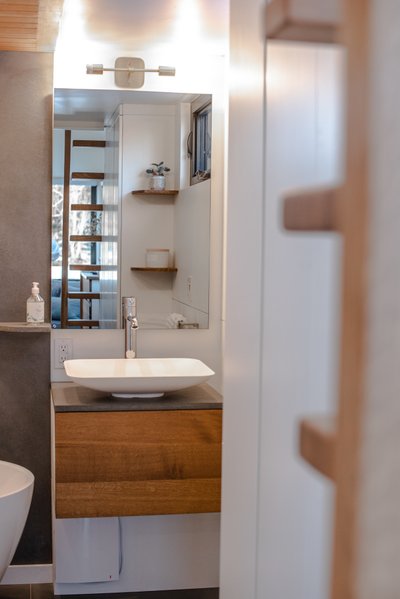
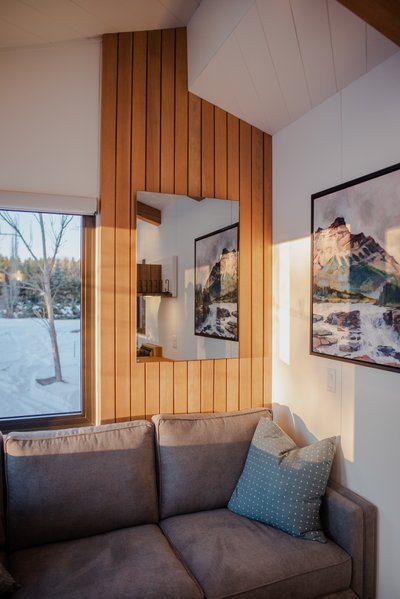
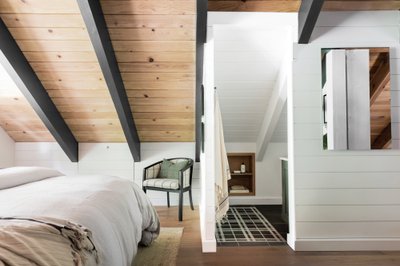
Tiny homes: 200–400 sq.ft. spaces (1–2 panels sufficient)
-
Well-insulated spaces: Modern, energy-efficient construction
-
Mild climates: Regions with minimal heating needs
-
Single-room dwellings: Studio apartments, ADUs
Sizing guidance:
Use our Heat Loss Calculator to determine if infrared heating panels can meet your heating needs or if they’re best used as supplemental heat.