
5 DIY Tile Installation Mistakes to Avoid with Radiant Floor Heating
last updated march 22, 2026

In This Article
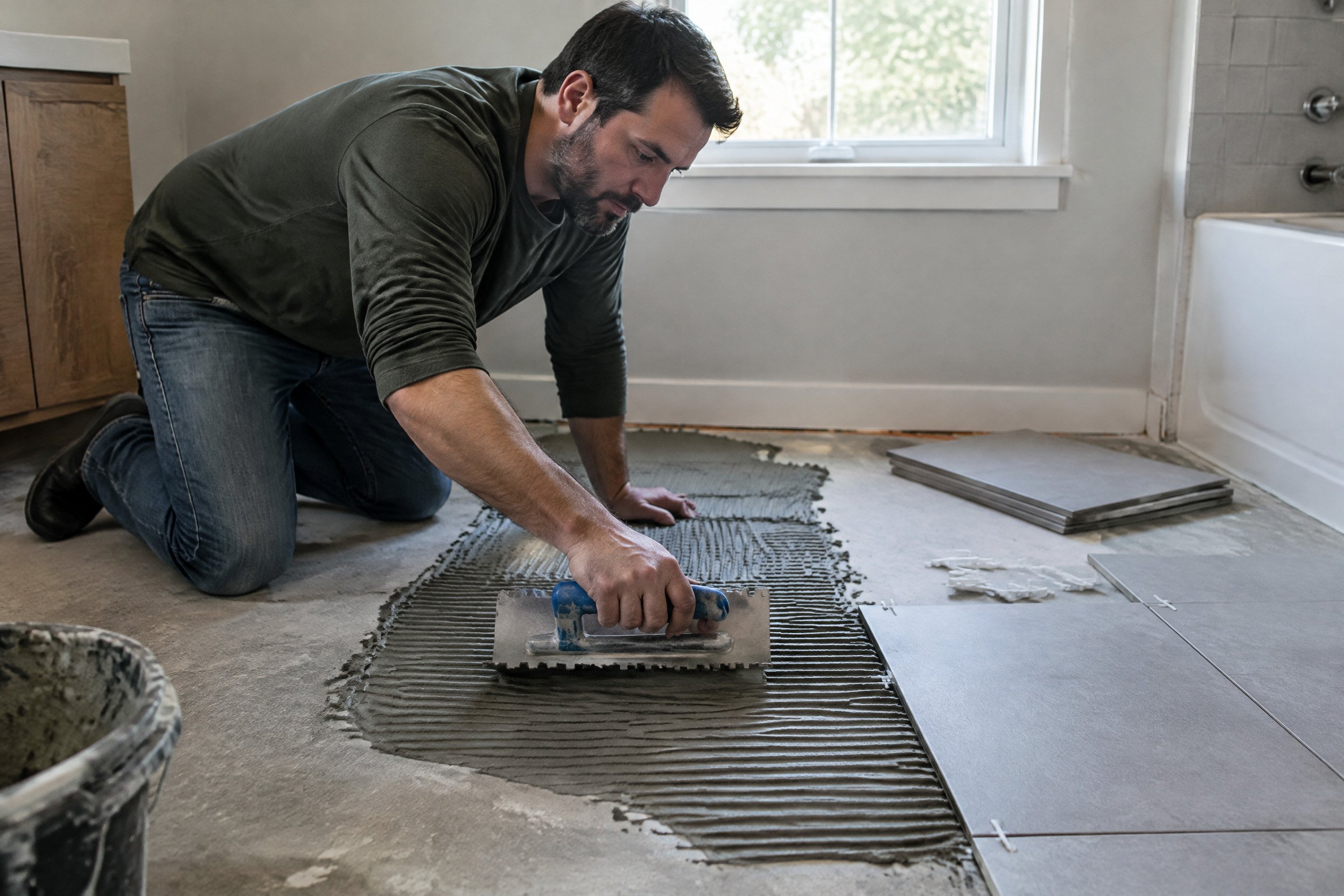
Installing tile yourself can save money and add a personal touch to your home, but when radiant floor heating is involved, mistakes can be costly and damaging. From improper subfloor preparation to neglecting heating cable protection, these common pitfalls can compromise your floor’s durability and warmth. By following expert advice and planning ahead, you can ensure a professional-quality installation that provides comfort for years to come.
Quick Facts: DIY Tile & Radiant Floor Heating
- Average savings: DIY tile installation can cut labor costs by 30–50%, but mistakes can erase those savings.
- Subfloor prep: Even small dips or high spots can cause tile lippage and stress radiant heating cables.
- Testing: Heating mats or cables should be tested with an ohmmeter before, during, and after installation.
- Thinset coverage: Heating elements must be fully embedded in mortar or self-leveling compound for safety and performance.
- Planning: A clear layout plan reduces tile waste and helps position sensors and thermostats correctly.
Mistake #1: Not Having the Right Tools Ready
Successful tile installation starts with having all the right tools on hand. From measuring tapes to tile cutters and leveling systems, missing even one essential tool can lead to delays, errors, and frustration. For radiant floor heating installations, additional tools like an ohmmeter and cable testers are critical to protect your heating system while working.
Mistake #2: Underestimating Material Needs — Always Buy Extra
Running out of tile or thinset mid-project is frustrating and can delay your installation. Always purchase more material than your measurements suggest — about 10% extra tile and additional thinset mortar. This buffer accounts for cuts, breakage, and unexpected waste.
When working with radiant floor heating, remember that the thinset layer needs to fully encapsulate heating cables or mats, which may slightly increase your mortar requirements. Having extra thinset on hand ensures you won’t compromise on coverage or safety.
Mistake #3: Skipping Proper Subfloor Preparation and Leveling
A clean, flat, and stable subfloor is the foundation of any successful tile installation. Failing to remove debris, fix loose boards, or level uneven surfaces can lead to cracked tiles, lippage, and damage to radiant heating cables underneath.
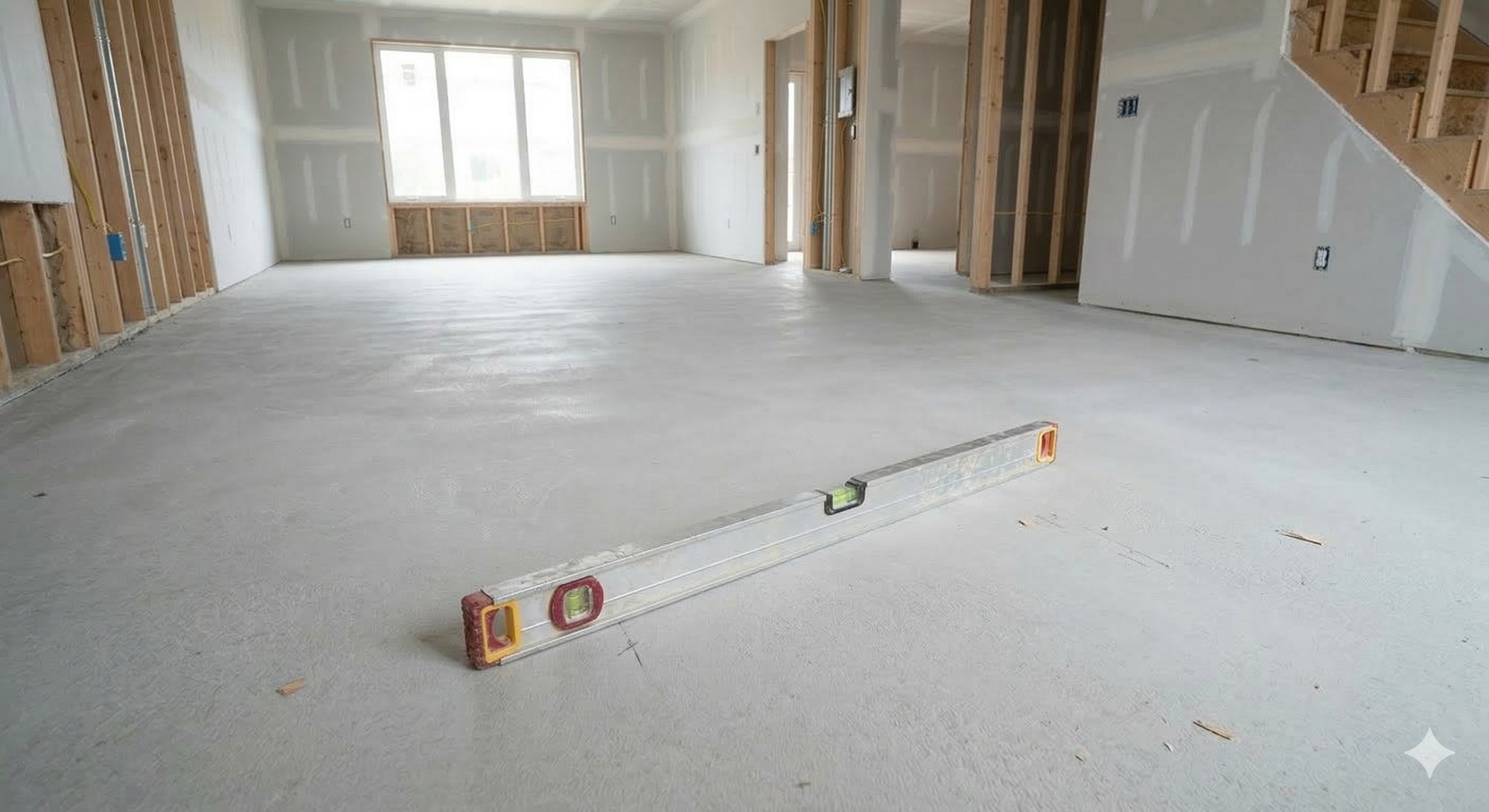
Use a broom or vacuum to clear the area, secure any loose plywood, and grind or fill low spots in concrete. Self-leveling compounds are especially helpful to create a smooth surface and protect your radiant floor heating system. If you're dealing with potential subfloor movement, consider using an uncoupling membrane to prevent cracks.
Mistake #4: Ignoring Room Measurements and Layout Planning
Many DIYers overlook measuring their room’s dimensions and squareness, which can lead to uneven tile layouts and wasted materials. Knowing your room’s shape helps you plan tile placement to avoid awkward cuts and unsightly patterns.
When installing radiant floor heating, coordinate your layout to accommodate heating mats or cables and ensure sensors are properly positioned for optimal temperature control. Not sure where to start? Send us your room layout and we’ll provide a custom installation and electrical plan with our SmartPlan® design service so you can install with confidence.
Mistake #5: Not Mixing Tile Boxes Before Installation
Tile from different boxes can have slight variations in shade or pattern, even within the same product line. If you install one box at a time, you may end up with visible “blocks” of different tones across the floor.
Before you start, open multiple boxes and mix the tiles together. This blends any shade differences and creates a more natural, uniform look — especially important over radiant floor heating, where consistent warmth draws attention to the entire surface.
Bonus Tip: Protect Your Radiant Floor Heating System
Radiant floor heating cables or mats are delicate and can be damaged by sharp tools or excessive pressure. Always test your heating elements with an ohmmeter before, during, and after installation to catch any issues early. If you encounter any problems, our troubleshooting and repair services are here to help.
Frequently Asked Questions
Essential tools include a measuring tape, tile cutter, levelers, thinset mixer, and grout float. For radiant heating, you also need an ohmmeter to test cable resistance before, during, and after installation. WarmlyYours offers complete installation kits that include these specialized tools to ensure a successful project.
To protect heating cables, always test resistance with an ohmmeter at every stage. Use a plastic notched trowel to avoid nicks, and never cut or shorten the heating cable. Promptly remove excess thinset from grout joints using a wooden stick or plastic tool rather than a sharp metal blade.
No, an uneven subfloor can cause tile lippage and stress the radiant heating cables, leading to cracks or system failure. Always level the subfloor using a self-leveling compound or patching material first. This creates a stable, flat surface that protects the heating elements and ensures a professional finish.
Ready to Get Started on Your Tile and Radiant Floor Heating Project?
Explore our complete floor heating products, installation kits, and expert support — everything you need for a flawless, warm tile floor.
Have Questions About Your Project?
Our team of Radiant Experts is ready to help!
Related Articles
Can You Install Floor Heating Yourself? A DIY vs. Pro Guide
How to Install Floor Heating under Tile
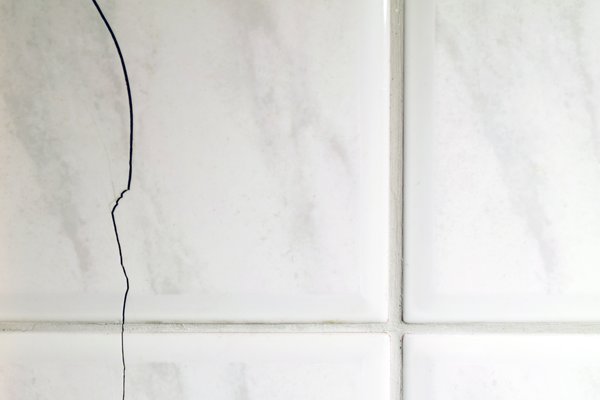
How to Prevent Tile Cracks When Installing Radiant Floor Heating
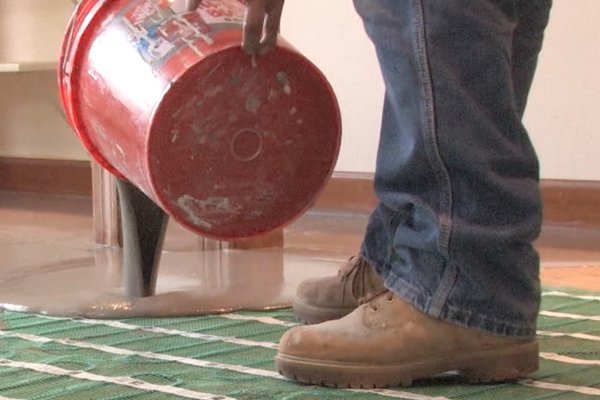
How to Ensure a Level Tile Floor with Radiant Floor Heating
Stay Updated
Get the latest radiant heating news and tips delivered to your inbox.
