


What is the best way to insulate your home? The best way to insulate your home is to start with a comprehensive energy audit to identify leaks, then prioritize sealing windows and doors, upgrading attic insulation, and insulating plumbing and hot water tanks. These targeted improvements offer the highest return on investment for winter comfort.
Key Takeaways
- Energy Audit: Always start with a professional assessment to find hidden leaks.
- Windows & Doors: Sealing gaps and upgrading to double-pane glass yields a 73% ROI.
- Attic Insulation: Proper attic insulation can reduce heating bills by 10-50%.
- Plumbing & Tanks: Insulating older, inadequately insulated hot water tanks can reduce water heating costs.
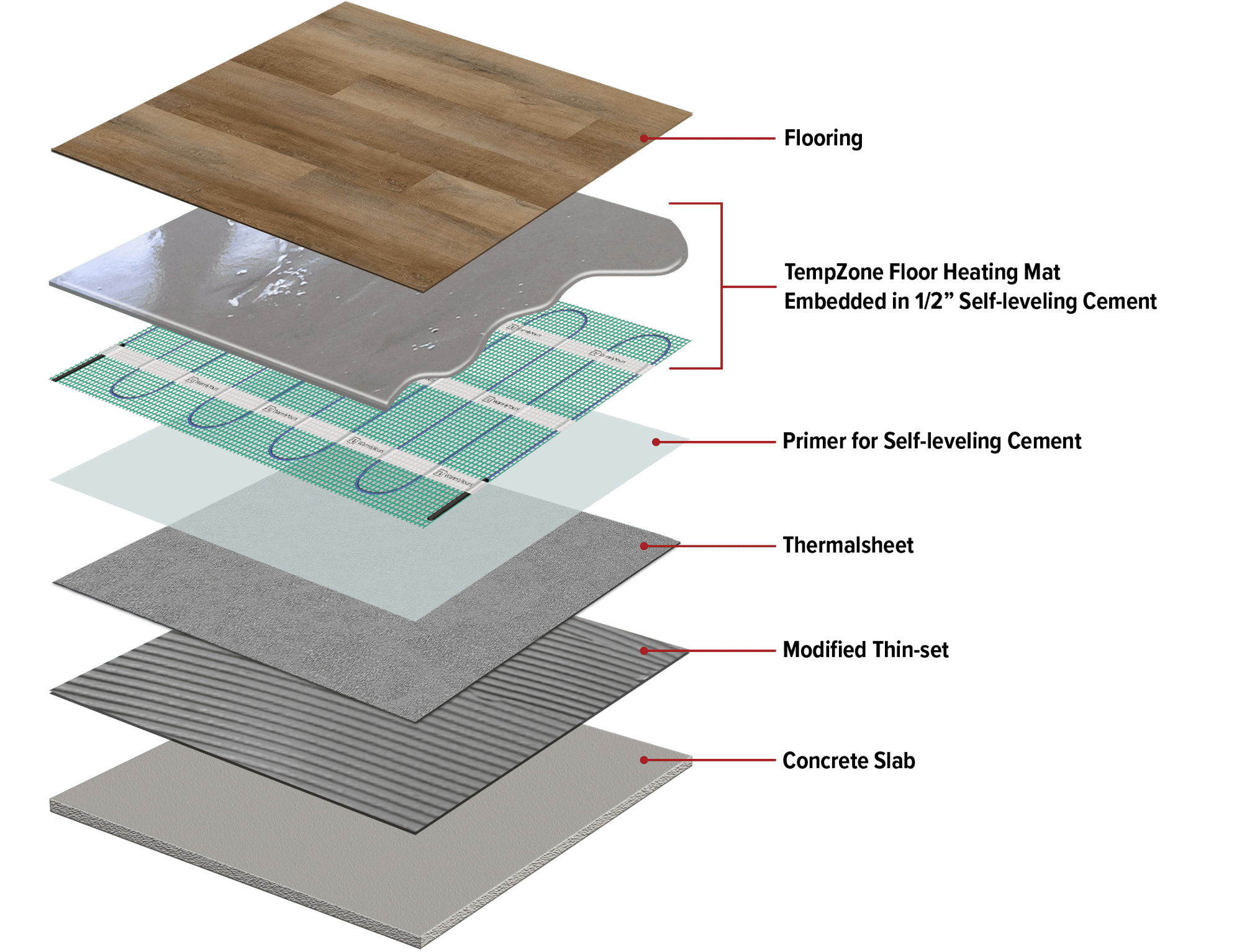
- Radiant Heating: Always use an insulating underlayment like ThermalSheet under electric floor heating.
If you feel like your heat has been constantly running this winter but your home still feels drafty, you may have an insulation problem. Generally, the older the home, the less insulation it has. By insulating five key areas, you can get a return on your investment in only a few short years. But more importantly, you’ll feel warm and comfortable all winter long once your home is properly insulated.
The first thing you’ll want to do is get a home energy audit. A professional auditor will evaluate your home and determine how much energy it uses, where it’s losing energy, and how to improve problem areas. They’ll also be able to identify where your home is and isn’t insulated, the type of insulation used, and the R-value (or thermal resistance) of the insulation. The R-value plays a large role in terms of energy loss because insulation with a high R-value means it will be slower to lose heat. To find an auditor, visit the Residential Energy Services Network (RESNET) or the Building Performance Institute Inc. (BPI). You can also request a Heat Loss Calculation from our team to see how much heat your specific rooms are losing.
| Insulation Material | R-Value per Inch | Best Application |
|---|---|---|
| Fiberglass Batts | R-3.1 to R-4.3 | Unfinished walls, floors, and ceilings |
| Blown-in Cellulose | R-3.2 to R-3.8 | Enclosed existing walls, open new wall cavities |
| Spray Foam (Closed Cell) | R-6.0 to R-6.5 | Adding insulation to existing finished areas, irregularly shaped areas |
| Rigid Foam Board | R-4.0 to R-6.5 | Unfinished walls (foundation), unvented roofs |
Once you know how your home is insulated, you can begin to improve upon it. Below are the five best places to insulate.
1. Windows
There are a few different ways to insulate your windows. First, you’ll want to make sure there are no cracks around the frame letting outside air in. Feel around the outer edges of the frame with your hand. If you feel a breeze, you need to seal that gap. Use putty or sealer to patch the area.
Next, you’ll want to find out if your windows are single pane. If they are, you should highly consider replacing them with double or even triple pane glass. Double or triple pane glass is separated by a vacuum or gas-filled space to better insulate the home. These windows also offer a better sound barrier, which is another perk. You can expect to spend at least $200 per window to replace one with a double-pane version; however, replacing your old windows with new, energy-efficient ones has great resale value, with a 73 percent return on investment, according to Remodeling Magazine. For more ideas on dealing with drafty rooms, check out our guide on 6 Clever Ways To Warm Up A Cold Home.
Finally, you can add insulation to your windows just by decorating. By installing blinds and curtains over the windows, you can keep the cold air from coming in and your warm interior air from cooling down.
2. Doors
An easy way to prevent warm air from escaping outside is by insulating underneath your exterior doors. You can purchase weatherstripping and door sweeps in a variety of colors and options from any hardware store at a very affordable price.
If you already have a door sweep but notice some light coming through, a no-cost solution is simply raising the threshold. You’ll notice screws in the threshold under your exterior doors. By turning these screws counterclockwise, you can tighten the amount of space between the door sweep and the threshold, ceasing any light (and therefore, air) from coming through.
Just a 1/8-inch gap around an exterior door is equivalent to drilling a 5 ½-inch diameter hole in an exterior wall, according to This Old House. That’s why sealing exterior doors is so vital.
3. Attic
One of the easiest ways to keep your house warm during the winter is by insulating the attic. A properly insulated attic can help you save 10-50 percent of your heating bill, according to the Department of Energy. Insulating an attic doesn’t take long and it’s relatively inexpensive. All you need is a few rolls of insulation and a day or two to lay them out.
4. Plumbing Gaps
An often overlooked source of heat leakage comes from unsealed piping. Use a silicone sealer to cover any gaps between plumbing and your floor, walls and ceiling. For pipes exposed to extreme cold, consider installing a pipe freeze protection system to prevent bursting.
5. Hot Water Tank
A lesser known way to save energy is to insulate your hot water tank. If you have a new hot water heater, it is probably already insulated. However, if your tank is older, you should check to see if it is insulated or not. Insulating an older, inadequately insulated tank can reduce water heating costs by 4-9 percent, according to the U.S. Department of Energy. Follow the manufacturer’s instructions and keep controls and valves unobstructed.
By making sure your home is well insulated, you can make the most of the heat you’re paying for — whether radiant, baseboard or forced air. Beyond general insulation, focusing on room-specific solutions like making your bathroom comfortable can significantly enhance your daily winter experience. For more tips on preparing your home for winter, read about the 5 Features Every Cold-Climate Home Needs to Be Warm. You can also explore our guide on pre-winter home fixes for a comprehensive checklist.
Frequently Asked Questions
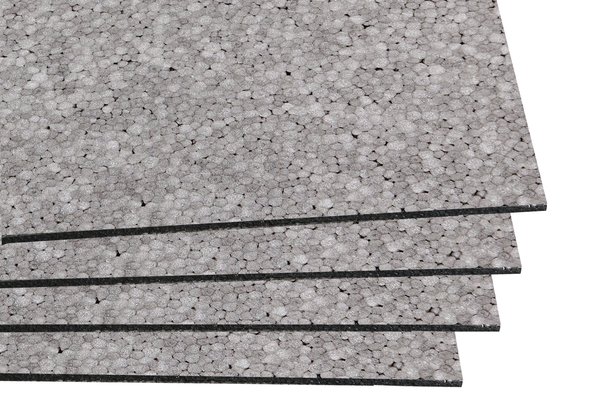
When installing electric floor heating over a concrete slab, an insulating underlayment like ThermalSheet is highly recommended to ensure efficient operation, faster heating times and warmer floor temperatures.
In cold climates, insulation under basement radiant heating is essential because the concrete slab and frozen ground act as a massive heat sink. Without proper insulation like ThermalSheet, the heat generated by your radiant system escapes downward into the earth rather than rising into your living space, wasting energy and drastically increasing operating costs.
Common signs that your home needs more insulation include drafty rooms, uneven temperatures between floors, high heating bills, and ice dams forming on your roof in winter. A professional energy audit can pinpoint exactly where your home is losing heat and recommend the best insulation upgrades.
The most cost-effective insulation upgrades are sealing air leaks around windows and doors with weatherstripping or caulk, and adding blown-in or batt insulation to your attic. These relatively inexpensive DIY projects offer the highest return on investment by immediately reducing your winter heating costs.
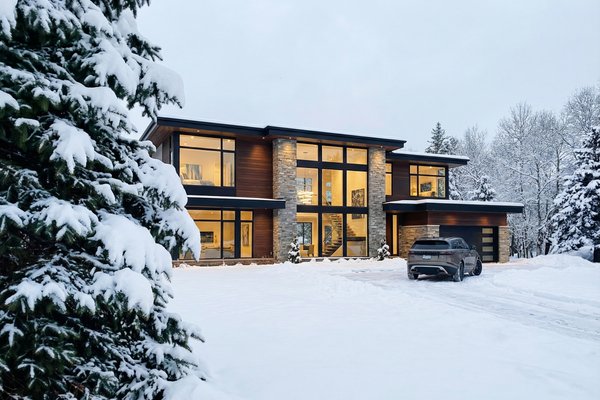
The best home features for cold climates include a simple gable roof to shed snow, covered entrances for protection, airtight triple-pane windows to prevent heat loss, and radiant heating systems. These features work together to maintain interior warmth, reduce energy bills by up to 25%, and ensure structural safety during harsh winters.
Having floor heating installed and set to a higher temperature during particularly cold days will help to maintain a comfortable temperature level by providing supplemental heat.
Simply set your floor heating thermostat to a comfortable temperature to maintain a nice warm floor. Your room will feel warmer and, typically, your furnace will cycle less often.
For older homes, the most cost-effective insulation strategy is sealing air leaks around windows and doors using weatherstripping and adding blown-in cellulose insulation to the attic. These steps provide the fastest return on investment by preventing the most common sources of heat loss.
Yes, radiant heating is highly efficient in cold weather. Unlike forced-air systems that lose heat through ductwork and rising air, radiant heat warms objects directly via far-infrared energy. This method is up to 45% more energy-efficient, providing consistent comfort while significantly lowering monthly heating costs in frigid environments.
Yes, sunrooms can be used in the winter, just activate your floor heating or infrared heating panel and turn your sunroom into a 4-season room. You will notice a tremendous difference in the room comfort, especially with the thermostat set to maintain a desired ambient temperature. WarmlyYours thermostats will do the work for you by energizing the floor for longer cycles.
Ready to Stop the Heat Loss?
Proper insulation is the first step, but a radiant heating system provides the ultimate in winter comfort and efficiency. Get a free, no-obligation floor heating quote today to see how easy it is to add targeted warmth to your home.
Have Questions About Your Project?
Our team of Radiant Experts is ready to help!
Related Articles

Stay Updated
Get the latest radiant heating news and tips delivered to your inbox.