Contact Us After Hours

Loading...

Loading contact options...

Sign In

Loading...

Loading...


No More Cold Toes: Escaping the Winter Chill of Freezing Stone Floors

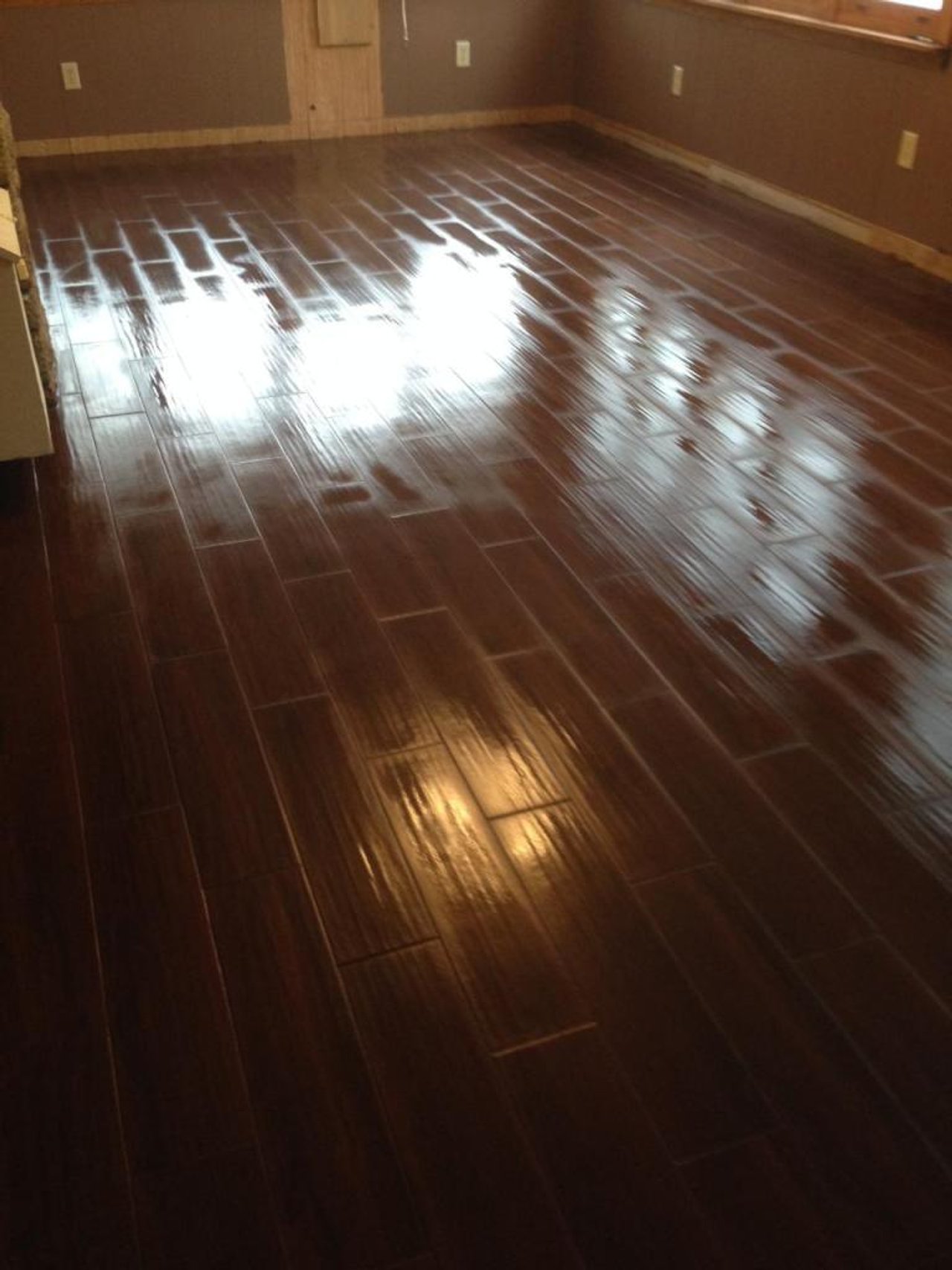
This North Providence, RI, family room renovation eliminated the chill from cold stone flooring, delivering energy-efficient comfort that enhances the entire home.

NORTH PROVIDENCE, RI
No More Cold Toes: Escaping the Winter Chill of Freezing Stone Floors
Size: 233 sq.ft. Voltage: 240V Wattage: 2,704 W Amps: 11 A Flooring: Tile, Marble or Stone Cost/hr *: $0.12

The universal flaw of beautiful stone and ceramic surfaces is their high thermal conductivity—they pull heat right out of your body, making an entire living space feel uncomfortably drafty during New England winters. Homeowner Tricia Fabrizio wanted to reclaim her 233-square-foot North Providence family room from this precise issue. WarmlyYours eliminated the stubborn chill by engineering a targeted electric radiant floor heating system beneath the new tile, transforming the room into a warm, inviting sanctuary.

Project Details

SpecificationDetail
LocationNorth Providence, Rhode Island
Space TypeFamily Room / Living Room
Surface / FlooringTile, Marble, or Stone
System TypeElectric Radiant Floor Heating
Total Square Footage233 sq. ft.
Heated Area Coverage180 sq. ft.
Technical Specs240V / 2,704W / 11A
Watt Density15 Watts per sq. ft.
Cable Spacing3 inches On-Center (OC)
Products Used
Professional InstallerCustomer DIY / Independent Local Contractor

Restoring Comfort to the Heart of the Home

The Problem

Large gathering spaces with hard flooring are notorious for feeling uninviting when the temperature drops. Because stone surfaces naturally mimic the cold ambient air, space heaters or traditional forced-air vents often fail to keep the floor level comfortable, leaving a layer of cold air exactly where your feet rest.

The Solution

To overcome this, a custom-designed WarmlyYours TempZone™ Flex Roll system was selected to blanket 180 square feet of the room's high-traffic zones. Because the ultra-thin heating cable is pre-woven into a flexible mesh backing, it was rolled out directly over the subfloor, maintaining a completely low-profile floor elevation. The tile layout was then laid seamlessly on top, embedding the thermal wires directly beneath the masonry.

The Outcome

Controlled by a dedicated smart thermostat, the completed layout creates an unbroken thermal plane. Instead of blowing dry, allergen-heavy air through the room, the system gently radiates heat upward, warming the physical objects and occupants in the room first. The result is a uniformly cozy family room that remains functional and comfortable all year round.

Featured Products

  • TempZone™ Flex Rolls: The engineering core of the project. These mesh rolls keep the premium heating cables perfectly spaced at 3-inch intervals, ensuring rapid heat-up times and completely eliminating cold spots across the tile floor.
  • SmartStat Programmable Thermostat: An intelligent control system featuring an in-floor thermal sensor. It monitors real-time flooring temperatures and runs a precise, custom schedule so you never pay to heat an empty room.

* Maintaining premium comfort does not require premium utility expenses. This high-performance system operates at approximately $0.12 per hour. Running the system for a full 8-hour heating cycle costs roughly $0.96 per day. At less than $29.00 for an entire month of daily use, keeping your living room floor warm costs less than a single streaming service subscription, all while protecting your family's daily comfort and boosting your home’s resale value.

Frequently Asked Questions

Showing all 4 questions

Answer: No, radiant systems are highly cost-efficient because they heat objects directly rather than warming large volumes of air. Explain: Heated floors operate via radiant heat transfer, meaning thermal energy moves directly from the floor to your body. Because it doesn't rely on air circulation like a furnace, no heat is trapped at the ceiling, allowing you to lower your main thermostat while feeling warmer. Example: In this North Providence home, warming 180 square feet of flooring requires just $0.12 an hour, allowing the family to zone-heat their primary living space affordably.
Answer: A 240-volt setup handles larger heated areas on a single circuit breaker without pulling more power. Explain: While both voltages deliver identical warmth (15 watts per square foot), doubling the voltage cuts the total amperage in half according to Ohm's Law. This allows a single electrical line to cover significantly more space without overloading standard residential breakers. Example: Utilizing a 240V system for this family room kept the electrical draw down to a modest 11 amps, eliminating the need to run multiple complex circuits to the breaker panel.
Answer: No, modern systems provide gentle, controlled heat that expands materials well within safe structural limits. Explain: Electric elements warm up gradually and top out at comfortable temperatures (typically between 80°F and 85°F). This modest thermal shift prevents the sudden, intense expansion or contraction that causes masonry or grout joints to crack. Example: The TempZone™ cables used here deliver an even 15 watts per square foot, providing an incredibly safe, steady rise in temperature beneath the stone flooring.
Answer: Most tile floors reach their set temperature within 30 to 60 minutes. Explain: Thermal conductivity dictates how fast heat transfers, and dense materials like tile or marble act as excellent thermal conductors. They absorb heat from the embedded cables quickly and retain that warmth long after the system cycles off. Example: Combined with the SmartStat's morning scheduling, Tricia's family room floor is fully warmed right when the family wakes up, requiring zero manual waiting.

Featured Products

Project Quote

Products used in this project, ready to add to your cart.

Tell Us About Your Project

Our team of Radiant Experts is ready to help.

Typically respond within 1 business day

Disclaimer: Images reflect individual client installations; however, strict compliance with the NEC and specific manufacturer installation manuals is required for all systems. For specific guidance on your layout, please contact our engineering support team.