

Home Automation
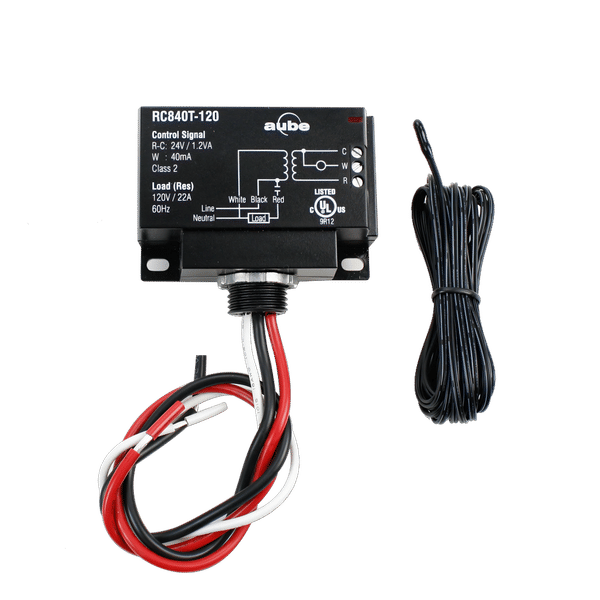
With WarmlyYours third-party control integration kits, you can get the best of both worlds: In-floor heating and home automation. Available in 120V and 240V options, each with a built-in transformer, all you have to do is purchase the voltage that matches your floor-heating system.
Home automation systems provide the ultimate in comfort and complete control of your home. With our third-party control integration kits you are able to fully integrate your radiant floor heating with a home automation system, allowing you to combine the control and energy-management features of your home automation system with the luxurious comfort of radiant heat. Remote technology puts climate control at your fingertips and allows you to adjust your floor heating schedule and preferences from anywhere.
Below you can find a side-by-side comparison of the recommended home automation systems with which WarmlyYours integration kits work. To find out if other home automation systems are compatible with WarmlyYours integration kits, please call (800) 875-5285 or email us.
Recommended Home Automation Systems
- Remote Control
- Floor Sensor Connection
- Built-in Ambient Sensor
- Touch Screen
- Remote Control
- Floor Sensor Connection
- Built-in Ambient Sensor
- Touch Screen
- Remote Control
- Floor Sensor Connection
- Built-in Ambient Sensor
- Touch Screen
Frequently Asked Questions
Showing all 1 questions
Yes — the nJoy WiFi (UWG5-4999) thermostat supports all three major smart home platforms:
- Amazon Alexa — use voice commands to set temperature or turn the system on and off.
- Google Home / Google Assistant — integrates with Google Home routines and Nest displays.
- Apple HomeKit — manage your floor heating from the Apple Home app and Siri.
The nJoy also works with the dedicated nJoy app (iOS and Android), which gives you full remote control including scheduling, temperature adjustments, and energy usage history from anywhere.
The nHance (UDG4-4999) and nTrust (UTN5-4999) thermostats are not WiFi-enabled and do not integrate with smart home platforms. They must be controlled locally at the wall unit.