How to Install a Snow Melting System in a Patio
last updated june 16, 2026

In This Article
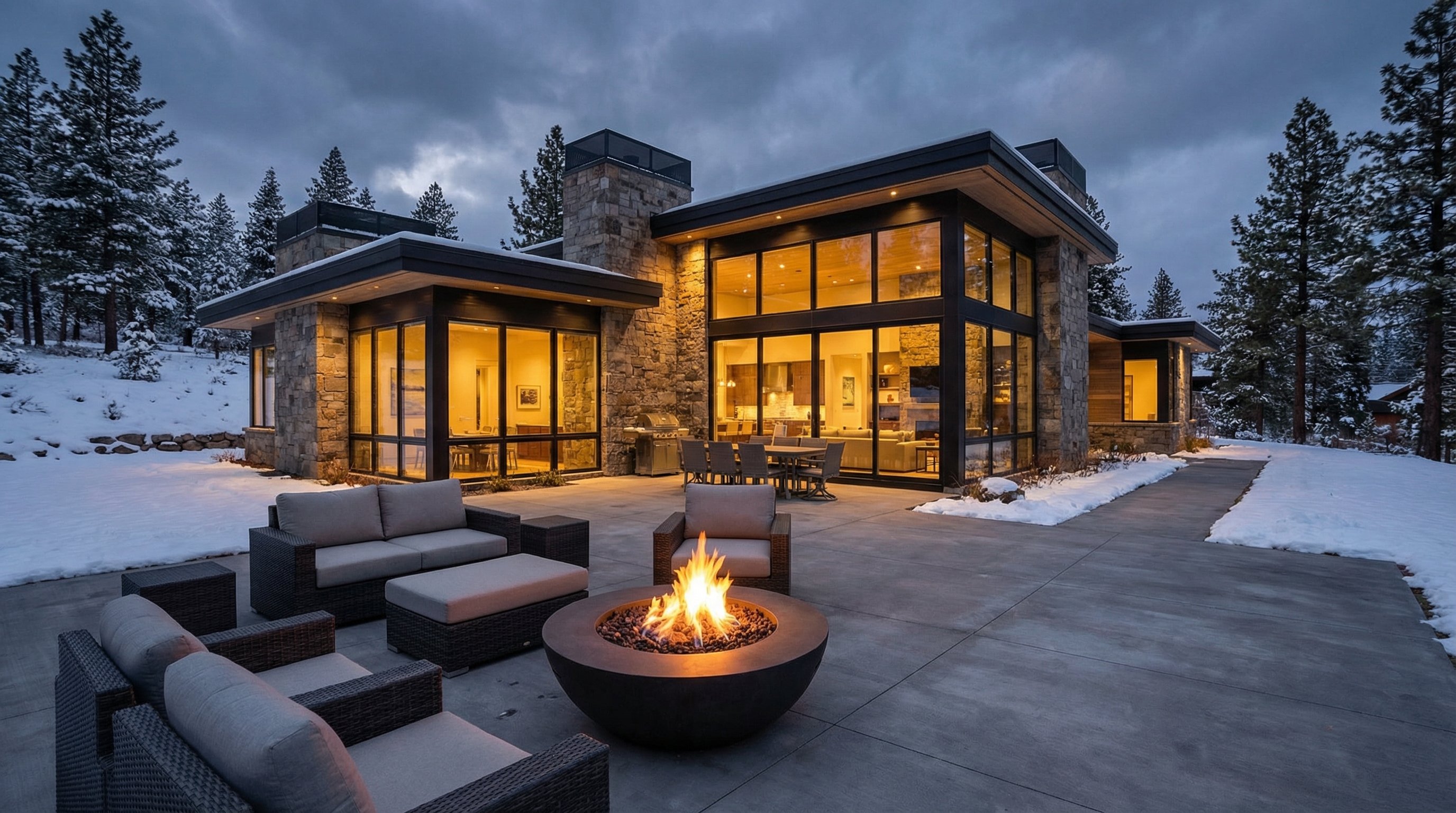
If you have invested time and money into creating a beautiful outdoor living space, it can be frustrating to watch it disappear under a blanket of snow and ice for several months of the year. While many homeowners look for ways to extend their patio season, it is important to clarify what we mean when we talk about heating an outdoor space. We are not talking about “comfort” heat—such as space heaters, fire pits, or overhead heating lamps designed to keep you warm while you sit outside in the freezing cold. Instead, we are focusing on a much more practical and permanent solution: a patio snow melting system.
Quick Facts
- Power draw: Snow melting systems use roughly 50 watts per square foot.
- Voltage: Systems run on dedicated 120V, 208V, 240V, or 277V circuits.
- Best control: An automatic moisture-and-temperature sensor turns the system on and off for you.
- Cable depth: Embed cables 1.5 to 2 inches below the finished concrete surface.
- Cure time: New concrete typically needs 30 days to cure before first use.
A snow melting system is installed directly into or under the surface of your patio to keep it clear of snow and ice automatically. Whether you use your patio as a primary walkway to your backyard, a path to a hot tub, or simply want to protect the surface from the harsh winter elements, a heated patio installation is a game-changer. In this comprehensive guide, we will walk you through the benefits, the planning phase, and the step-by-step process of a patio snow melting system install.
Why Invest in a Patio Snow Melting System?
Before diving into the installation process, it is worth understanding why so many homeowners are choosing to add radiant snow melting to their outdoor spaces.
1. Enhanced Safety
Winter weather brings a significant risk of slips and falls. A patio covered in ice is a major hazard for your family, guests, and pets. A snow melting system eliminates this risk by melting snow as it falls and preventing ice from forming, providing a clear, safe surface at all times.
2. Ultimate Convenience
Shoveling snow is backbreaking work, and it is even more tedious when dealing with the intricate layout of a patio, outdoor kitchen, or seating area. With an automated snow melting system, you can wake up to a clear patio without ever lifting a shovel.
3. Surface Protection
Traditional snow removal methods can wreak havoc on your patio. Metal shovels can scratch and chip stamped concrete or natural stone. Chemical deicers and rock salt can cause spalling, discoloration, and accelerated deterioration of concrete and pavers. Radiant heat is completely invisible and protects your investment by eliminating the need for harsh chemicals and abrasive tools.
4. Preventing Freeze-Thaw Damage
When snow melts and refreezes in the small cracks and pores of your patio surface, it expands, causing the material to crack and heave over time. By keeping the surface consistently above freezing during winter precipitation, a snow melting system helps mitigate the damaging freeze-thaw cycle.

Planning Your Heated Patio Installation
A successful patio snow melting system install begins long before the first wire is laid. Proper planning is crucial to ensure the system operates efficiently and meets your expectations.
Assess Your Coverage Needs
Do you need to heat the entire patio, or just specific high-traffic areas? Many homeowners choose to heat a 3-foot wide walkway through the patio leading to a detached garage, a hot tub, or a grill area. Heating only the necessary paths can significantly reduce both the upfront material costs and the ongoing operating costs.
Choose the Right Heating Element
WarmlyYours offers snow melting systems in two main formats: mats and loose cables.
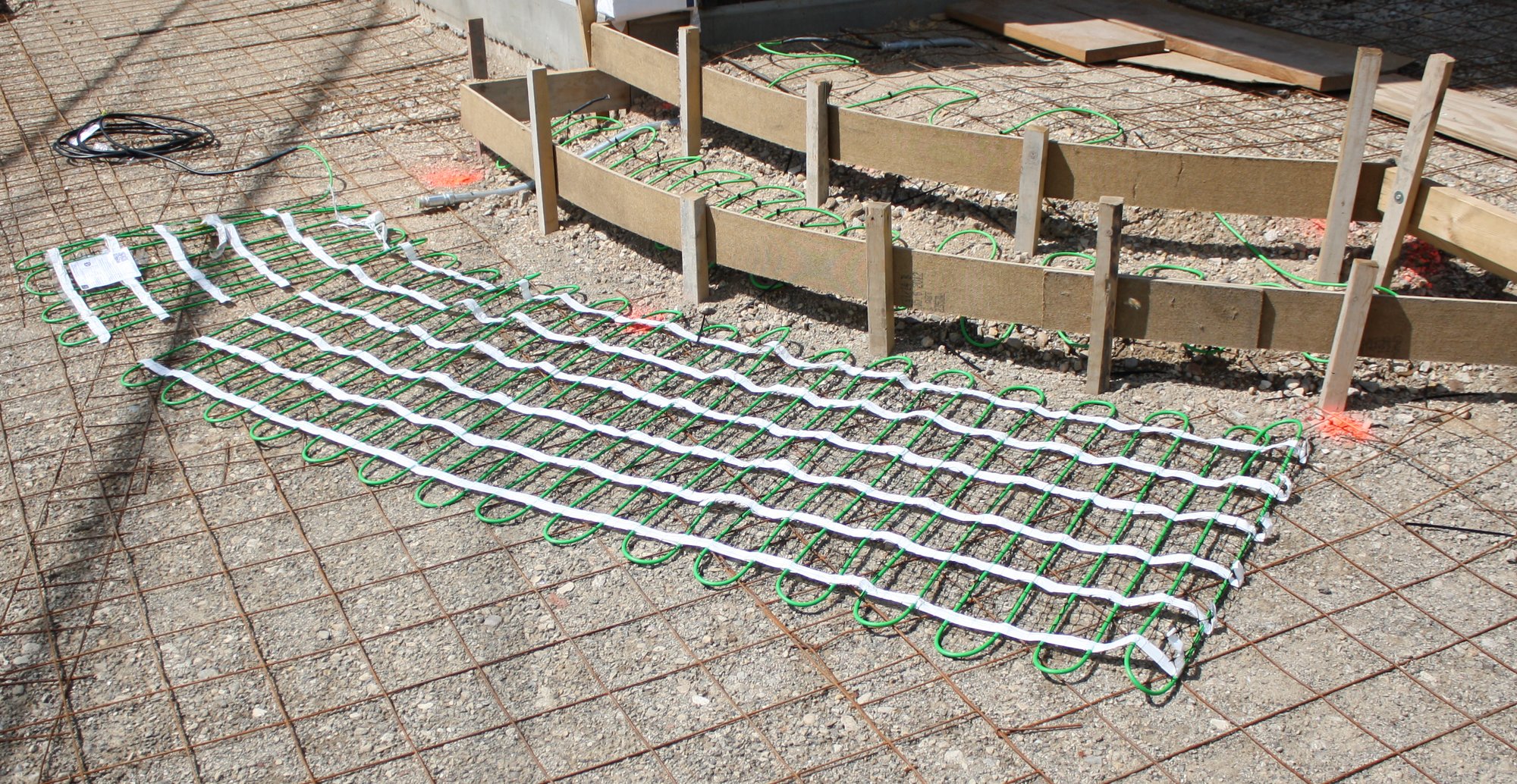
- Snow Melting Mats: These feature the heating cable pre-attached to a flexible mesh backing at a consistent spacing (typically 3 inches apart). Mats are ideal for large, rectangular areas because they roll out quickly and ensure even heat distribution.
- Loose Snow Melting Cables: Cables provide maximum flexibility. They are perfect for custom-shaped patios, curved walkways, or areas with obstacles like fire pits, columns, or built-in planters. The cable is secured to wire mesh or rebar using fixing ties.
Electrical Requirements
Snow melting systems require a significant amount of power. They operate on dedicated 120V, 208V, 240V, or 277V circuits. Before beginning your heated patio installation, you must consult with a licensed electrician to ensure your home’s electrical panel has the necessary capacity. In some cases, a panel upgrade or a sub-panel may be required.
Selecting a Control System
The brain of your snow melting system is the control unit. For the most efficient and hands-off operation, an automatic control with a moisture and temperature sensor is highly recommended. These sensors detect when it is cold enough to snow and when moisture is present, turning the system on automatically and shutting it off once the patio is clear. Manual timers are also available for those who prefer to control the system themselves, though they require you to proactively turn the system on before a storm hits.
Heat Only What You Use
Heating a 3-foot path to the door, hot tub, or grill instead of the entire patio cuts both upfront material costs and ongoing operating costs—without sacrificing the convenience of a clear, safe walkway.
Step-by-Step Patio Snow Melting System Install
While the electrical connections must be handled by a licensed professional, the physical installation of the heating elements is often completed by a concrete contractor, landscaper, or an experienced DIYer. Here is a general overview of the installation process for a concrete or paver patio.
Step 1: Site Preparation and Base Layer
The foundation of your patio is critical. For a new concrete pour, the ground must be properly excavated, graded for drainage, and filled with a compacted gravel base. Rebar or heavy-gauge welded wire mesh is then elevated on chairs or blocks. This metal framework will serve as the attachment point for your heating cables.
If you are installing pavers, the base will typically consist of compacted crushed stone, followed by a layer of bedding sand or stone dust.
Step 2: Testing the Cables (The First Time)
Never install a heating cable without testing it first. Using a digital ohmmeter, verify that the core resistance of the cable matches the value listed on the UL tag. Next, use a megohmmeter (megger) to test the insulation resistance to ensure there are no shorts or damage to the cable jacket. Record these values in your installation manual.
Test at Three Stages
Always test cable resistance with an ohmmeter and megohmmeter before layout, after layout, and immediately after embedding. Catching damage while concrete is still wet or pavers are still loose can save you from tearing up a finished patio later.
Step 3: Laying Out the Heating Elements
Following your custom installation plan, begin laying out the mats or cables.
- For Mats: Roll out the mats across the area. When you reach the end of a run, cut the mesh backing (NEVER cut the heating cable itself) and turn the mat to run in the opposite direction. Tie the mesh to the rebar or wire grid using plastic zip ties.
- For Cables: Route the cable back and forth across the area, maintaining the spacing specified in your plan (usually 3 or 4 inches). Secure the cable to the rebar or wire mesh every 12 inches using zip ties.
Ensure that the factory splice (the connection between the heating cable and the non-heating cold lead) is positioned so that it will be completely embedded in the concrete, mortar, or sand. The cold leads should be routed through rigid PVC conduit to an accessible junction box.
Step 4: Testing the Cables (The Second Time)
Once the cables are fully laid out and secured, perform the ohmmeter and megger tests again. This ensures that the cables were not damaged during the layout process.
Step 5: Embedding the System
This is the most critical phase of the heated patio installation. The heating cables must be completely embedded without being damaged by tools or heavy machinery.
- For Concrete: Carefully pour the concrete over the cables. Workers should avoid stepping directly on the cables whenever possible, and shovels or rakes used to move the concrete must be handled with extreme care to avoid nicking the cable jacket. The cables should be positioned 1.5 to 2 inches below the final finished surface.
- For Pavers: Cover the cables with a layer of stone dust or sand (typically 1 to 1.5 inches thick). Carefully lay the pavers on top of this bedding layer. Do not use heavy mechanical compaction equipment directly over the cables; use a hand tamper or a plate compactor with a protective pad, and only after the pavers are in place.
Step 6: Testing the Cables (The Third Time)
Immediately after the concrete is poured or the pavers are laid, test the cables one final time. If damage occurred during the embedding process, it is much easier to address it while the concrete is still wet or before the patio is completely finished.
Step 7: Final Electrical Connections
Once the patio surface is finished and cured (concrete typically requires 30 days to fully cure before the system can be turned on), your licensed electrician will make the final connections. They will wire the cold leads to the control panel, connect the sensors, and wire the system to the dedicated breakers in your electrical panel.

Get a Custom Quote for Your Patio
Every patio is unique, and so is every snow melting system. The cost of your patio snow melting system will depend on the square footage you want to heat, the voltage available, and the type of control you select.
Taking the guesswork out of your project is easy. We highly encourage you to use the WarmlyYours Snow Melting Quote Builder tool. By entering a few simple details about your project—such as the dimensions, surface type, and location—the tool will instantly generate a custom installation plan and a detailed price quote. It is the fastest and most accurate way to start planning your heated patio installation.
Want a quick ballpark before you build a full quote? Estimate your seasonal operating cost with the calculator below:
Operating Cost Calculator for Snow Melting
Calculate driveway heating costs based on size, coverage type, and local energy rates.


"A snow melting system is the ultimate set-it-and-forget-it solution. No more shoveling, no more slipping—just safe, clear walkways and driveways whenever you need them!"
— Rae RadiantConclusion
A patio snow melting system is a smart investment that enhances the safety, convenience, and longevity of your outdoor living space. By eliminating the need for shoveling and harsh deicing chemicals, you can protect your beautiful concrete or paver patio while ensuring it remains accessible all winter long. With proper planning, the right equipment, and a careful installation process, your heated patio will provide reliable, maintenance-free performance for years to come.
Ready to Plan Your Heated Patio?
The fastest way to get started is a free, custom SmartPlan™ installation plan—our team maps out the exact products, layout, and electrical requirements for your patio snow melting system, usually ready in one business day. Planning a different surface or want to dig deeper first? Explore snow melting for pavers and stone, review the concrete driveway installation guide, or learn how to choose the right snow melting controls for fully automatic operation.
Get Your Free Custom Install Plan
Tell us about your patio and our radiant heating experts will design a complete snow melting system—products, layout, and electrical specs included—at no cost. Start your free SmartPlan™ today and enjoy a clear, safe patio all winter long.
Frequently Asked Questions
One option is saw cutting the grooves into the existing concrete for cable placement and filling the remaining grooves with a sealant. This depends on the preferred finished surface, an alternative option may be to install the cable or mat over an existing surface, overlay in mortar and then have brick, stone or tile installed on top. When working over an existing concrete surface, ensure that the heating cable never crosses the existing expansion joints.
Operating cost depends on the heated area, installed wattage, your electricity rate and how many hours the system is energized. For example, 100 sq ft at 50 W/sq ft draws 5 kW (100 × 50 ÷ 1,000). At an illustrative $0.20/kWh, that is $1.00 per energized hour, or $6.00 for six energized hours. This is an example, not a typical bill. What changes your total:
- Heated area and coverage (full area or tire tracks)
- Installed watts per square foot
- Your local electricity rate
- Runtime, including preheating, snowfall and the controller’s drying cycle
Enter your own numbers in our snow melting cost calculator.
Have Questions About Your Project?
Our team of Radiant Experts is ready to help!
Stay Updated
Get the latest radiant heating news and tips delivered to your inbox.