
Mirror Defoggers: The 10 Questions Everyone Asks (And a Few You Haven’t Thought Of)
last updated april 7, 2026


In This Article
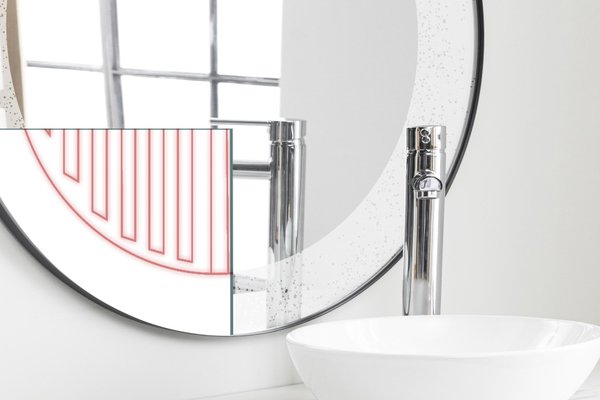
Bathroom mirrors fogging up after a hot shower? You’re not alone—and you’re not out of options. A mirror defogger is a simple, energy-efficient solution that keeps your bathroom mirror clear—even after the steamiest showers. At WarmlyYours, we believe that understanding how these products work—and how to get the most from them—is key to enhancing your bathroom experience.
Let’s dive into the most frequently asked questions about mirror defoggers—and a few you might not have thought to ask.
Frequently Asked Questions
Yes, many homeowners successfully install bathroom floor heating systems themselves. WarmlyYours provides detailed installation manuals, 24/7 technical support, and custom installation plans to guide you through the process. However, a licensed electrician is required to perform the final electrical connections and thermostat wiring to ensure safety and warranty compliance.
Most WarmlyYours towel warmers reach their optimal operating temperature within 15 to 20 minutes. For the best results, we recommend hanging your towels on the unit at least 30 to 45 minutes before use. This allows enough time for the heat to penetrate the fabric layers and provide a cozy experience.
WarmlyYours floor heating systems are backed by industry-leading protection. TempZone™ and Environ™ heating cables and mats come with a 25-year product warranty. In the rare event of a manufacturing defect, our No Nonsense™ Warranty covers the repair or replacement of the system, plus any required labor and flooring materials.
Bedroom floor heating is popular because it provides consistent, draft-free warmth that enhances comfort in a space where people often walk barefoot. It eliminates cold spots, operates silently, and is highly energy-efficient. Additionally, radiant heat doesn't circulate dust or allergens, contributing to a healthier sleeping environment compared to forced-air systems.
To prepare a basement for radiant heating, ensure the concrete subfloor is level, clean, and free of debris. It is highly recommended to install a thermal break, like WarmlyYours CeraZorb, over the slab to prevent heat loss into the ground. Finally, verify that your electrical panel has sufficient capacity for the system's requirements.
Yes, bedroom floor heating can be a DIY project. Systems like TempZone Easy Mats or Environ Flex Rolls are designed for straightforward installation under various flooring types. While you can lay the heating elements and flooring yourself, you must hire a certified electrician to connect the system to power and install the thermostat.
Radiant snow melting systems use electric heating cables or mats embedded in the driveway surface. When sensors detect moisture and freezing temperatures, the system activates, warming the slab to melt snow and ice on contact. This prevents accumulation and ensures a clear, safe surface throughout winter storms without manual shoveling.
Infrared heating panels work by emitting infrared radiation that travels through the air until it hits an object or person, warming them directly. This is similar to how the sun warms the earth, making it a highly efficient way to heat specific zones in a room.
Installing floor heating under carpet involves placing Environ heating mats over a pad and then covering them with the carpet. The process typically includes:
- Installing a specific radiant-compatible carpet pad.
- Laying out the Environ mats according to your plan.
- Securing the mats with tape.
- Having a professional installer lay the carpet over the mats.
The primary purpose of a towel warmer is to provide the luxury of warm, dry towels after every bath or shower. Beyond comfort, they help reduce moisture and mildew in the bathroom by drying towels faster. Some models can also act as a secondary heat source, adding a touch of ambient warmth to the room.
Choose a plug-in model for easy DIY installation into an existing outlet, ideal for renters or quick upgrades. Select a hardwired model for a seamless, professional look with no visible cords. Hardwired units are typically integrated into the wall during a renovation and are controlled by a dedicated wall switch or timer.
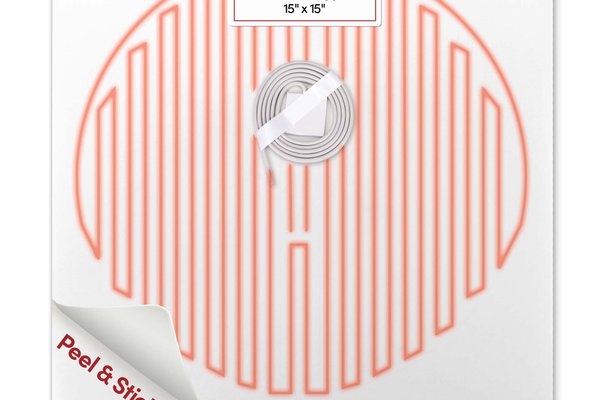
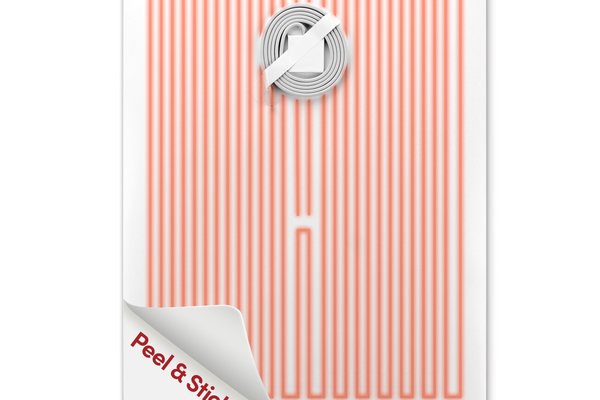
Installing a mirror defogger is a simple process:
- Clean the back of the mirror thoroughly.
- Peel off the adhesive backing from the defogger pad.
- Press the pad firmly onto the center of the mirror's back.
- Have an electrician wire the lead wires into the bathroom's lighting circuit or a dedicated switch.
Mirror defoggers are extremely energy-efficient, typically using about the same amount of electricity as a standard light bulb. For example, a medium-sized defogger might consume only 25 to 50 watts. Since they are usually wired to the light switch, they only draw power while the bathroom light is on.
Final Thoughts
A mirror defogger is a small upgrade with big benefits—improving visibility, comfort, and the overall feel of your bathroom. Whether you’re renovating or simply want a clearer start to your day, this energy-efficient upgrade adds both comfort and style to your space.
Ready to find the perfect defogger for your mirror? Explore our full line of WarmlyYours Mirror Defoggers here.
Have Questions About Your Project?
Our team of Radiant Experts is ready to help!
Related Articles

Comparing Mirror Defogger Sizes: Choosing the Right Fit for Your Bathroom
How Mirror Defoggers Work: The Simple Science Behind a Clear Reflection
The Evolution of Bathroom Comfort: A History of Mirror Defoggers
WarmlyYours Mirror Defogger Reviews: Easy Installation & Trusted Performance
Stay Updated
Get the latest radiant heating news and tips delivered to your inbox.


