Health Benefits of Heated Driveways: Safe Snow Removal for Seniors
last updated may 19, 2026

In This Article
Winter brings picturesque snowfalls, holiday cheer, and cozy evenings indoors, but it also introduces one of the most grueling and dangerous household chores: snow removal. For many homeowners, a heated driveway is often viewed as a luxury—a convenient, high-end upgrade designed simply to avoid the morning hassle of clearing a path before work. However, when you examine the severe physical toll and the hidden risks associated with winter weather, an electric snow melt system is truly a medical and preventative health investment.
Key Takeaways
- Heart Health: An electric snow melt system eliminates the severe cardiovascular strain and heart attack risks associated with shoveling heavy snow.
- Fall Prevention: A snow melt system can be set up to automatically clear ice and snow, drastically reducing the risk of dangerous slips and falls.
- Independence: A snow melting system can empower seniors to safely age in place without relying on unpredictable plowing services.
The Hidden Dangers of Shoveling Snow
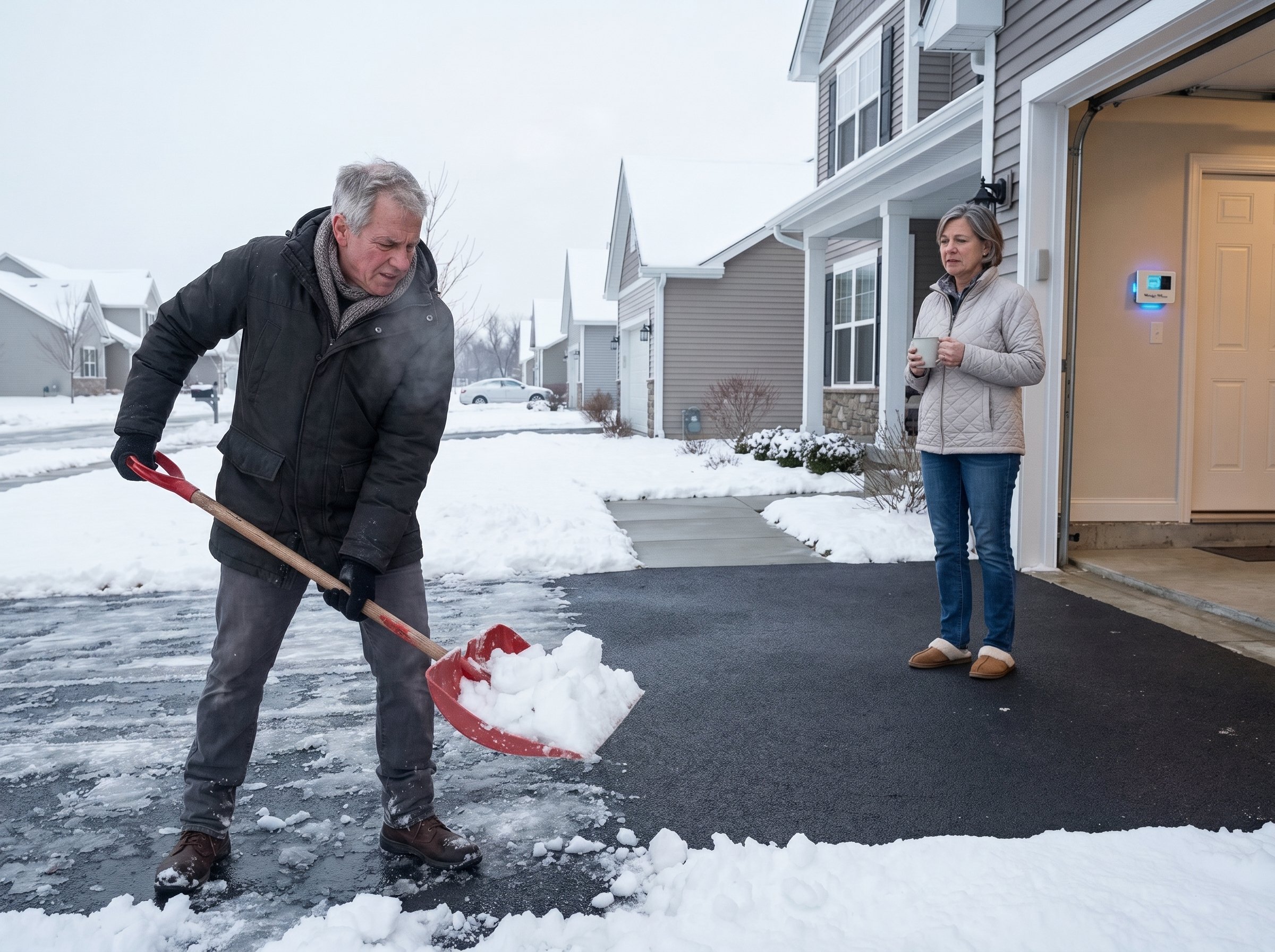
Shoveling snow is not just a tedious chore; it is one of the most strenuous physical activities a person can undertake. The combination of freezing temperatures and sudden, intense exertion creates a dangerous scenario, particularly for those who are not regularly active, who are older, or who have underlying health conditions.
When you step out into the cold, your body’s natural physiological response is to constrict blood vessels to preserve core body heat. This constriction immediately increases your blood pressure and forces your heart to work harder just to circulate blood. When you add the heavy lifting of wet, dense snow—often repeatedly and rapidly—the strain on your cardiovascular system multiplies exponentially. Lifting a shovel full of heavy snow can be the equivalent of lifting 15 to 20 pounds every few seconds. Over the course of clearing a standard driveway, a person might lift hundreds of pounds of snow.
This sudden spike in physical demand is why medical professionals frequently warn about the risks of winter chores, and why it is critical to prevent heart attack shoveling incidents. For individuals with a history of heart disease, high blood pressure, or high cholesterol, the act of shoveling can be the trigger for a severe cardiac event. The cold air entering the lungs can also cause airways to constrict, making breathing more difficult and further taxing the heart. By eliminating the need to shovel entirely, a radiant snow melting system acts as a proactive health measure, protecting homeowners from the dangerous combination of cold weather and overexertion.
Medical Fact: Shoveling snow can increase your heart rate and blood pressure more quickly than running on a treadmill. The combination of cold air and heavy lifting creates a perfect storm for cardiovascular strain, making it crucial to find safer alternatives like an electric snow melt system.
Slips, Trips, and Falls: The Treachery of Icy Walkways
Beyond the cardiovascular risks, the physical environment of a frozen driveway or walkway is inherently treacherous. Ice often forms invisibly under a light dusting of snow, creating slip hazards that can lead to devastating injuries. Black ice, in particular, is notoriously difficult to spot and is responsible for countless winter accidents.
According to the Centers for Disease Control and Prevention (CDC), falls are a leading cause of fatal and non-fatal injuries among older adults. A slip on an icy driveway can result in broken bones, severe concussions, spinal injuries, or debilitating hip fractures. Recovery from these types of injuries is often long, painful, and can permanently alter a person’s mobility and overall quality of life. Even for younger, healthier individuals, a bad fall on the ice can mean weeks of missed work and painful rehabilitation.
The True Cost of a Fall
According to the CDC, one out of five falls causes a serious injury such as broken bones or a head injury. For seniors, a fall on an icy driveway can mean a loss of independence, extended hospital stays, and costly rehabilitation. A snow melting system acts as a preventative measure against these life-altering accidents.
This is where the health benefits of heated driveway systems become undeniable. By utilizing radiant heat to melt snow and ice on contact, these systems ensure that your driveway, walkways, and stairs remain clear and dry. There is no need to navigate a slippery path to get the mail, walk the dog, or get to the car. The system operates automatically, providing a consistently safe surface and drastically reducing the risk of winter falls.
The Psychological Toll: Anxiety and Winter Isolation
The impact of winter weather isn’t solely physical; it carries a significant psychological burden as well. For many seniors and individuals with limited mobility, the threat of a snowstorm brings intense anxiety. The fear of slipping on ice or being physically unable to clear a path can lead to a feeling of being trapped indoors for days at a time.
This winter isolation can take a severe toll on mental health, leading to feelings of loneliness, helplessness, and seasonal depression. A snow melting system alleviates this anxiety at its source. Knowing that the driveway will automatically clear itself provides immense peace of mind. It ensures that homeowners can safely leave their house for medical appointments, grocery runs, or social visits, regardless of the weather forecast. It transforms the home from a potential winter prison back into a safe haven.
“It definitely has eliminated the frozen spot at the front of our porch and had given peace of mind we won’t have someone take a terrible spill on the ice. Thanks very much for that!”
— Scott S., Loveland, CO
Maintaining Independence: Safe Snow Removal for Seniors
As we age, the desire to remain in our own homes—often referred to as “aging in place”—becomes a top priority. However, maintaining a home requires keeping up with seasonal maintenance, and winter weather presents one of the most significant barriers to independent living.
Finding reliable snow removal services can be difficult, expensive, and unpredictable. Waiting for a plow to arrive can delay important daily activities, and plows often leave behind a dangerous, icy residue or a heavy berm of snow at the end of the driveway that still requires manual clearing. Safe snow removal for seniors is a critical component of aging in place successfully. A radiant snow melting system empowers older adults to maintain their independence. They no longer have to rely on neighbors, family members, or hired services to clear their property. The automated system handles the heavy lifting, allowing seniors to live safely and comfortably in their homes for years to come.
Aging in Place: A heated driveway is often the difference between staying in your beloved home and being forced to downsize or move to an assisted living facility due to winter maintenance challenges.
Comparing Alternatives: Why Shoveling and Salting Fall Short
Traditional methods of snow removal simply cannot compete with the safety and efficiency of a radiant heating system. Manual shoveling, as discussed, carries immense physical risks. Snow blowers, while less physically demanding than shoveling, still require the operator to brave the freezing temperatures, navigate slippery surfaces, and handle heavy machinery. Furthermore, snow blowers do not eliminate the underlying layer of ice that often forms on the pavement.
Chemical de-icers and rock salt are frequently used to combat ice, but they come with their own set of drawbacks. These chemicals can be highly corrosive, damaging concrete, asphalt, and landscaping over time. They are also harmful to pets, causing irritation to their paws, and can be tracked into the house, damaging interior flooring. Most importantly, salt is only effective at certain temperatures and requires manual application. A snow melting system eliminates the need for these harsh chemicals entirely, providing a clean, dry, and safe surface without the environmental or property damage.
| Feature | Manual Shoveling | Professional Plowing | Radiant Snow Melting |
|---|---|---|---|
| Physical Effort | Extreme: High-intensity lifting and cardiovascular strain. | Moderate: Requires clearing what the plow misses. | Zero: Fully automated; no physical labor required. |
| Fall Safety | Low: Often leaves a thin, invisible layer of “black ice.” | Medium: Plowing can pack down snow into slippery ice patches. | Maximum: Dries the pavement completely to prevent ice formation. |
| Health Risk | High: Risk of heart attack, back injury, and fractures. | Medium: Risk of slips while walking to/from the car. | Low: Eliminates the primary causes of winter injuries. |
| Reliability | Low: Depends on your own stamina and availability. | Variable: Depends on the driver’s schedule and route timing. | High: Sensors trigger the system the moment snow begins to fall. |
| Environmental | Neutral: No chemicals, but physically taxing. | Low: High salt usage; heavy equipment can damage driveways. | High: No harsh chemicals/salt needed; protects landscaping. |
ROI on Wellness: Why a Heated Driveway Costs Less Than a Hospital Stay.
When considering a snow melting system, homeowners often focus primarily on the upfront installation cost. However, it is essential to view this cost through the lens of preventative health and long-term financial planning.
Consider the potential costs associated with a shoveling-related injury. A single slip and fall resulting in a broken hip can lead to exorbitant ambulance fees, costly surgery, extended hospital stays, and months of expensive physical therapy. The financial burden of a cardiac event is even more staggering, potentially resulting in lost wages and long-term medical care. Furthermore, if an injury forces a homeowner to move into an assisted living facility prematurely, the ongoing monthly costs will quickly dwarf the one-time price of a heated driveway.
In this context, a snow melt system is an insurance policy for your physical well-being. It is an investment that pays dividends in safety, health, and independence every time the snow falls, protecting both your physical health and your financial future.
Financial Insight: When comparing the one-time installation cost of a snow melt system to the potential medical bills from a single winter fall, the system often pays for itself in peace of mind and injury prevention.
How Radiant Snow Melting Systems Work
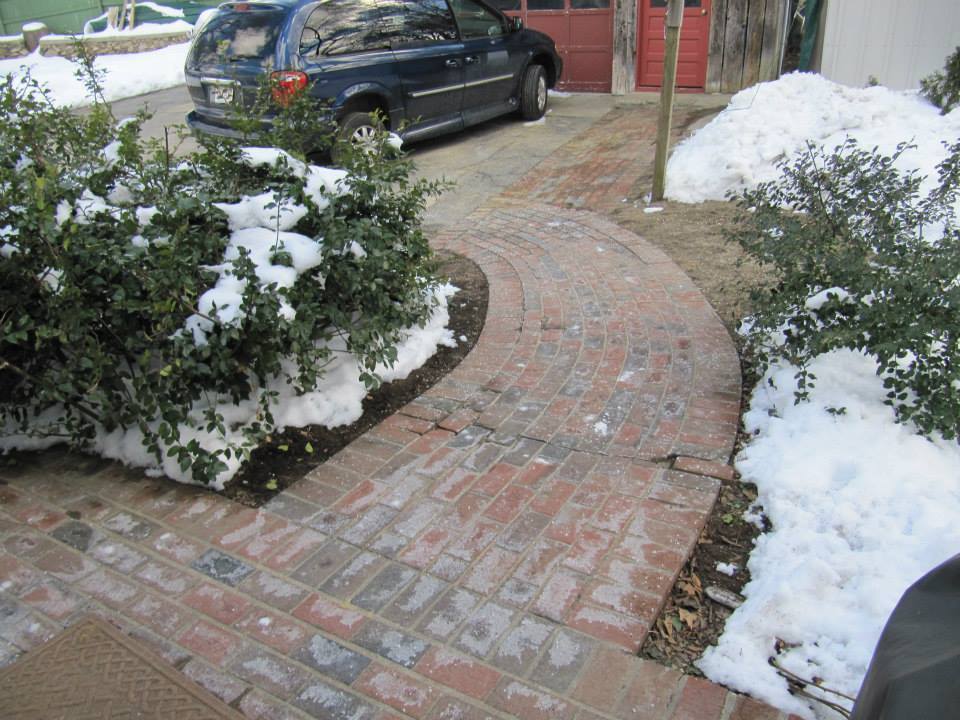
Electric snow melting systems are incredibly efficient, reliable, and entirely hidden from view. They consist of durable heating cables embedded directly into the driveway material—whether it’s poured concrete, asphalt, or installed under pavers. These cables are connected to an advanced control system equipped with sophisticated moisture and temperature sensors.
When the sensors detect freezing temperatures combined with precipitation, the system automatically turns on, warming the surface just enough to melt the snow as it lands. Once the storm passes and the surface is completely dry, the system automatically turns off to conserve energy. This automated, hands-off process means you never have to wake up early to shovel, spread harsh de-icing chemicals, or worry about hidden black ice forming overnight.
Conclusion: Investing in Your Most Valuable Asset
Your health, safety, and independence are your most valuable assets. While a heated driveway certainly adds a touch of luxury and undeniable convenience to your home, its true value lies in the profound protection it offers. By preventing the dangerous physical strain of shoveling and eliminating the risk of icy falls, a snow melting system is a critical investment in your long-term well-being.
Don’t let winter weather dictate your safety or limit your independence. Embrace the peace of mind that comes with a consistently clear, dry path, and recognize an electric snow melt system for what it truly is: a vital, life-enhancing health investment.
Ready to Protect Your Health?
Calculate the cost of a snow melting system for your project today.
Operating Cost Calculator for Snow Melting
Calculate driveway heating costs based on size, coverage type, and local energy rates.


"A snow melting system is the ultimate set-it-and-forget-it solution. No more shoveling, no more slipping—just safe, clear walkways and driveways whenever you need them!"
— Rae RadiantPrioritize your health and safety by learning more about a WarmlyYours electric snow melt system or heated driveways.
Frequently Asked Questions
Shoveling snow is one of the most strenuous activities a person can perform. The combination of cold air, which constricts blood vessels and raises blood pressure, and the intense physical exertion of lifting heavy snow creates a "perfect storm" for cardiovascular strain. For many, especially seniors, a snow melting system is a vital preventative health investment that eliminates this dangerous physical burden.
A heated driveway supports aging in place by removing the two biggest winter obstacles: the physical strain of snow removal and the risk of icy falls. By automatically maintaining clear, dry pavement, these systems ensure seniors can safely access their vehicles and homes, maintaining their independence and peace of mind without relying on manual labor or unpredictable plowing services.
Yes, snow melting systems are ideal for walkways, patios, and outdoor stairs. These systems eliminate the need for shoveling and salting while preventing dangerous ice buildup. For stairs, heating elements are typically spaced closer together to ensure complete coverage on every step, providing maximum safety for high-traffic entryways.
Operating cost depends on the heated area, installed wattage, your electricity rate and how many hours the system is energized. For example, 100 sq ft at 50 W/sq ft draws 5 kW (100 × 50 ÷ 1,000). At an illustrative $0.20/kWh, that is $1.00 per energized hour, or $6.00 for six energized hours. This is an example, not a typical bill. What changes your total:
- Heated area and coverage (full area or tire tracks)
- Installed watts per square foot
- Your local electricity rate
- Runtime, including preheating, snowfall and the controller’s drying cycle
Enter your own numbers in our snow melting cost calculator.
Have Questions About Your Project?
Our team of Radiant Experts is ready to help!
Related Articles


Stay Updated
Get the latest radiant heating news and tips delivered to your inbox.


