

Snow Melting Accessories Support
Main Products
Do you need support or specifications for a specific model? Identify your model below.
Support Questions
Showing all 7 questions
The most common spacing for snow melting systems is 3“ from wire to wire. However, we can design snow melting systems based on your local climate and weather expectations that might have different cable spacings to ensure the most efficient system possible. We also offer snow melting mats with 3" and 4" spacing.
A 2 pole single-phase 240V circuit works by continuously monitoring the current flowing through both hot wires of the circuit. If it detects even a slight imbalance between the current on each hot wire (indicating a ground fault), it will quickly trip, cutting off power to the circuit. Essentially, it compares each leg of the 240V circuit and trips if they are not precisely equal.
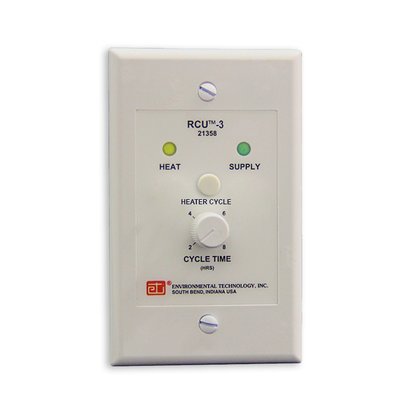
This feature prevents the snow melting system from running, by default, in temperatures below 17°F (–8.33°C), or as set by the user. At temperatures this low, it becomes difficult for the system to effectively melt the snow. It is, however, possible to turn off this feature should the system be required to keep running during these low temperatures.
Multiply the heated area by the installed watts per square foot, divide by 1,000 for kilowatts, then multiply by your electricity rate. At 50 W/sq ft, every 100 sq ft draws 5 kW, or $1.00 per energized hour at an illustrative $0.20/kWh. For example, a 400 sq ft full-coverage driveway draws 20 kW: $4.00 per energized hour, or $24.00 for six energized hours. Tire tracks heat less area, so they cost proportionally less. Your seasonal bill depends on how many hours the system is energized, including preheating and the controller’s drying cycle, which varies with the weather. These are examples, not typical bills; enter your own area, rate and runtime in our snow melting cost calculator.
Operating cost depends on the heated area, installed wattage, your electricity rate and how many hours the system is energized. For example, 100 sq ft at 50 W/sq ft draws 5 kW (100 × 50 ÷ 1,000). At an illustrative $0.20/kWh, that is $1.00 per energized hour, or $6.00 for six energized hours. This is an example, not a typical bill. What changes your total:
- Heated area and coverage (full area or tire tracks)
- Installed watts per square foot
- Your local electricity rate
- Runtime, including preheating, snowfall and the controller’s drying cycle
Enter your own numbers in our snow melting cost calculator.
The best home features for cold climates include a simple gable roof to shed snow, covered entrances for protection, airtight triple-pane windows to prevent heat loss, and radiant heating systems. These features work together to maintain interior warmth, reduce energy bills by up to 25%, and ensure structural safety during harsh winters.
Documents
Sell Sheets
- Outdoor Display Program Sell Sheet for Canada (English)
- Snow Melt Controller Comparison Sheet (French)
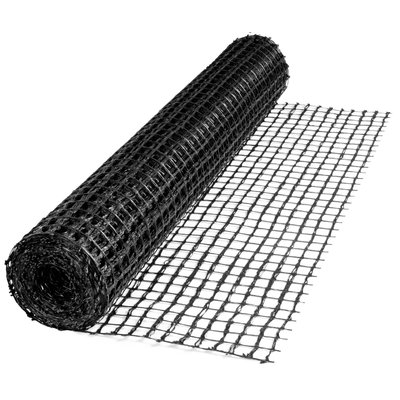
- Snow Melt Embeddable Attachment Grid Sell Sheet (English)


