

In This Article
Winter weather brings a unique set of challenges for homeowners and businesses alike, but for individuals who rely on mobility aids, snow and ice can create significant barriers. A snow-covered or icy ramp isn’t just an inconvenience; it’s a serious safety hazard that can restrict independence and limit access to the outside world. Fortunately, there is a reliable and efficient solution: installing a heated wheelchair ramp.
Quick Facts: Installation Surfaces
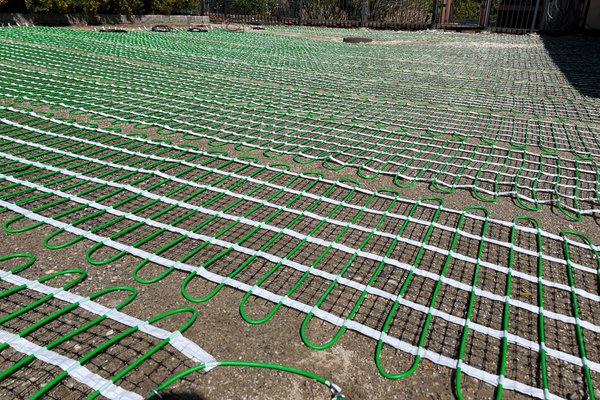
- Concrete: Cables are tied to rebar or wire mesh before the pour.
- Asphalt: Specially designed cables can withstand the heat of the asphalt application.
- Pavers: Cables are laid in the bedding material beneath the pavers.
- Mortar under Tile/Stone: Ideal for decorative ramp surfaces.
By integrating an electric snow melt system into the surface of your ramp, you can ensure clear, safe, and unrestricted access all winter long. In this comprehensive guide, we will explore how these systems work, the benefits they provide, and real-world examples of how a heated ramp outdoors can transform winter mobility.
The Importance of a Heated Wheelchair Ramp in Winter
Accessibility should never be seasonal. For those who use wheelchairs, walkers, or other mobility devices, a clear path is essential for daily life. When winter storms hit, ramps can quickly become impassable, trapping individuals indoors or forcing them to navigate treacherous conditions.
Safety First: Preventing Slips and Falls
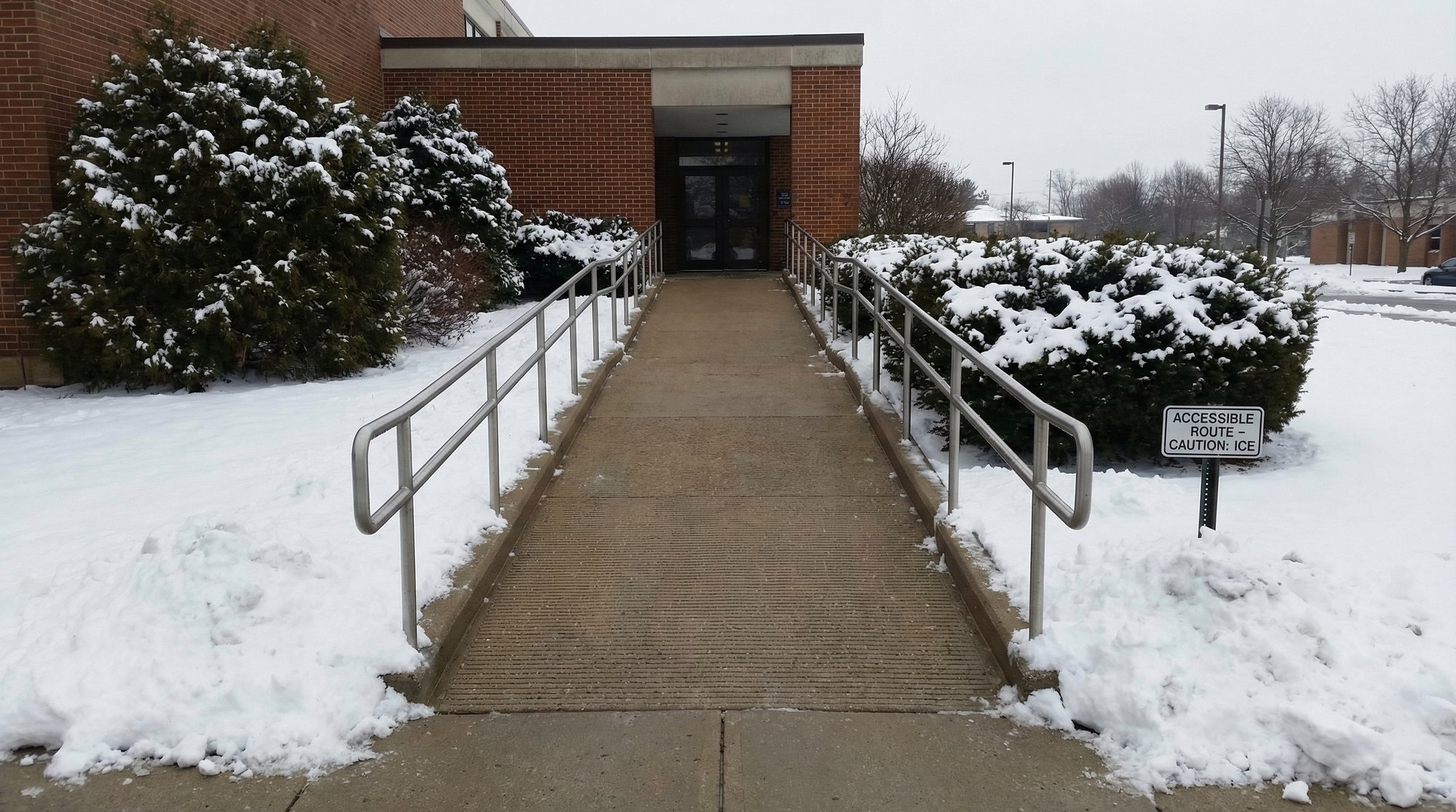
The primary concern with any outdoor walkway during winter is safety. Ice and snow dramatically reduce traction, making slips and falls a common occurrence. For someone using a wheelchair, a loss of traction on an incline can be particularly dangerous, potentially leading to a loss of control, sliding backward, or tipping over. Even a thin layer of black ice, which is often invisible to the naked eye, can be disastrous. A heated wheelchair ramp eliminates this risk by melting snow and ice as it falls, preventing accumulation and ensuring a dry, high-traction surface at all times.
Did You Know?
The Americans with Disabilities Act (ADA) requires that accessible routes, including ramps, be maintained in operable working condition. For outdoor routes in cold climates, a heated ramp is one of the most effective ways to meet this requirement year-round without constant manual maintenance.
Maintaining Independence and Accessibility
Beyond physical safety, a clear ramp is about maintaining independence and dignity. Shoveling an incline is physically demanding, and relying on others to clear or salt the ramp limits your freedom. It means waiting for a caregiver, family member, or hired service to arrive before you can go to work, attend appointments, or simply enjoy the outdoors. Furthermore, harsh rock salt can track indoors, damaging floors, and is often harmful to nearby landscaping and pets’ paws. Because an electric snow melt system eliminates both the manual labor and the wait time, the ramp is always ready for use, allowing individuals to come and go as they please without the mess or environmental drawbacks of traditional snow removal.
Benefits of Installing a Heated Ramp Outdoors
Investing in a heated ramp outdoors offers numerous benefits that go beyond just melting snow. It is an investment in property longevity, environmental responsibility, and peace of mind.
Pro Tip
When planning your ramp, consider heating the landing areas at the top and bottom as well. This ensures a completely safe transition from the ramp to the adjoining walkways, driveways, or entryways.
Protecting the Ramp Surface
The freeze-thaw cycle is incredibly damaging to outdoor surfaces. When water seeps into small cracks in concrete or asphalt and freezes, it expands, causing the cracks to widen and eventually leading to spalling, pitting, and severe surface degradation. The use of rock salt accelerates this deterioration by lowering the freezing point of water, causing more frequent freeze-thaw cycles.
By keeping the ramp dry and preventing the freeze-thaw cycle entirely, a heated wheelchair ramp actually extends the lifespan of the surface material. This saves you significant money and hassle on repairs and replacement in the long run.
How an Electric Snow Melt System Works for Ramps
Understanding the mechanics of a snow melting system can help you make an informed decision about installing one for your home or business. The technology is straightforward but highly effective.
The Technology Behind Heated Ramps Outdoors
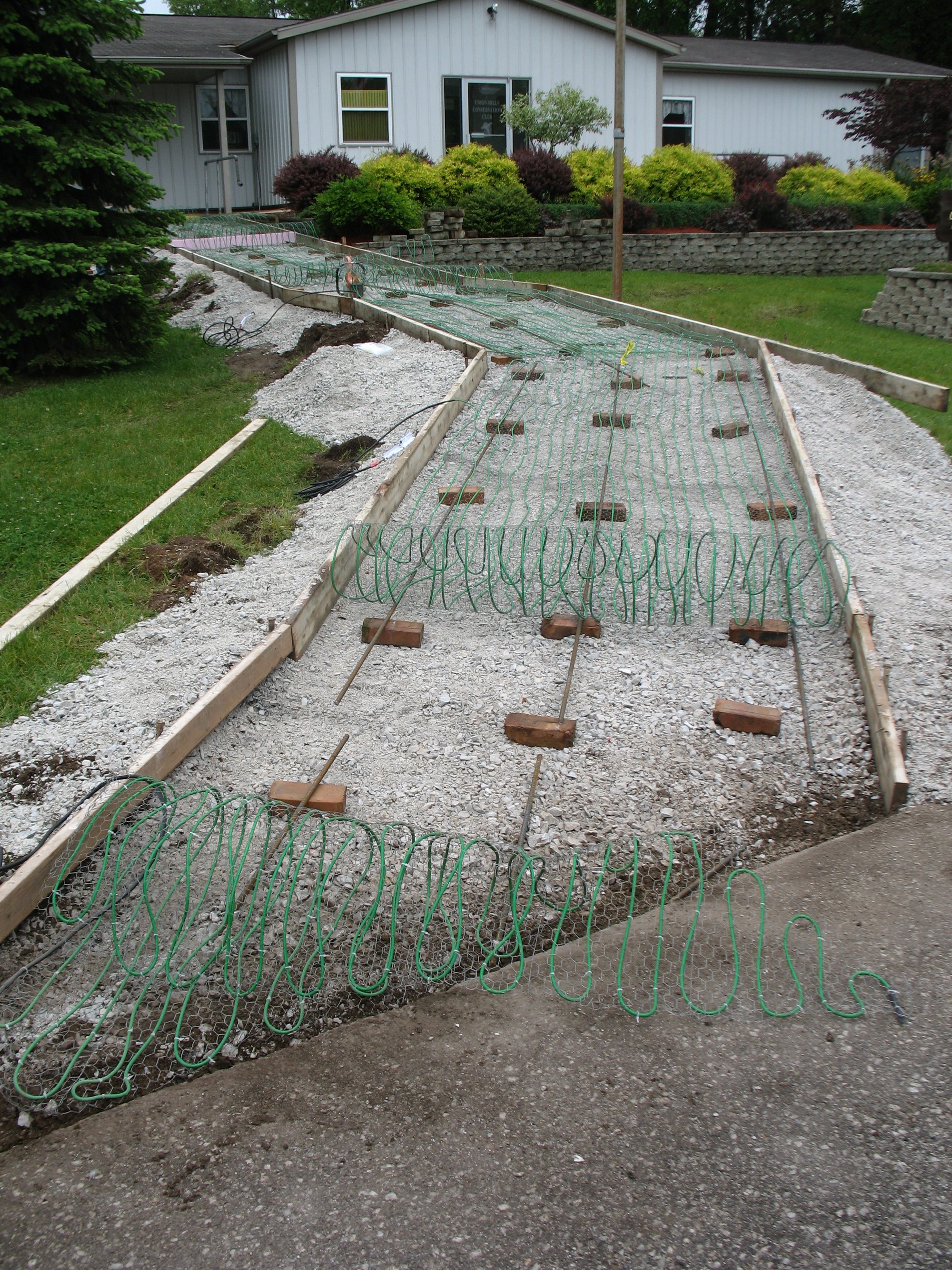
An electric snow melt system consists of durable heating cables that are embedded directly into the ramp’s surface material—typically concrete, asphalt, or under pavers. These cables generate radiant heat, which warms the surface of the ramp from the bottom up. As the surface temperature rises above freezing, snow melts on contact, and ice is prevented from forming.
The cables are designed to withstand the rigors of outdoor installation and the harsh conditions of winter. They are heavily insulated, protected against moisture, and built to endure the physical stresses of being embedded in heavy materials, ensuring long-lasting performance and reliability.
Automatic Controls and Sensors
One of the greatest advantages of a modern heated wheelchair ramp is the ability to automate the system. Advanced snow melting controls use sensors that detect both temperature and moisture. When the temperature drops below a set point (usually around 38°F) and moisture (snow or freezing rain) is detected, the system automatically turns on.
This means the ramp begins heating up as soon as the snow starts falling, preventing any accumulation from the very beginning of the storm. Once the storm passes and the sensor dries off, the system automatically shuts down, ensuring energy is only used when necessary. This hands-off approach is what makes the system truly invaluable.
Real-World Success Stories: WarmlyYours Showcases
To truly understand the impact of a heated ramp outdoors, it helps to look at real-world examples. WarmlyYours has helped countless homeowners and businesses achieve winter safety and accessibility through custom-designed heating solutions.
Unrestricted Access in Elmhurst, IL
In Elmhurst, Illinois, a homeowner needed a reliable solution for a concrete wheelchair ramp. The harsh Midwestern winters meant the ramp was frequently covered in snow and ice, creating a dangerous situation. By installing a WarmlyYours electric snow melt system during the pouring of the new concrete ramp, the homeowners ensured unrestricted access year-round. The system was paired with an automatic control, providing peace of mind that the ramp would always be clear, regardless of when a storm hit. You can read more about this project in our Elmhurst Showcase.
Effortless Winter Safety in Eaton Rapids, MI
For a new construction project in Eaton Rapids, Michigan, the architects recognized the importance of accessibility from day one. They incorporated a heated concrete ramp into the design to provide effortless winter safety. The WarmlyYours snow melting cables were expertly laid out to ensure even heating across the entire surface of the ramp. This proactive approach guaranteed that the building would be accessible to everyone, even during the heaviest Michigan snowfalls. Discover the details in our Eaton Rapids Showcase.
Transforming Winter Mobility in Hudson, MA
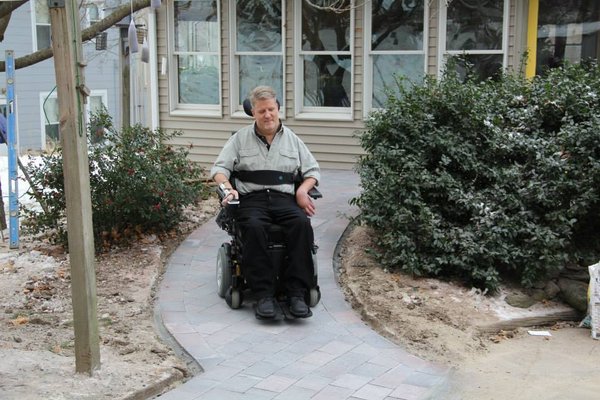
In Hudson, Massachusetts, a heart-warming project transformed winter mobility for a homeowner who relied on a wheelchair. The existing paver walkway and ramp were a constant source of stress during the winter. The solution was to retrofit the area with a WarmlyYours snow melting system. The pavers were carefully removed, the heating cables were installed on a new base, and the pavers were replaced. The result was a beautiful, functional, and safe heated wheelchair ramp that completely changed the homeowner’s winter experience. Learn more about this inspiring installation in our Hudson Showcase.
Planning Your Heated Wheelchair Ramp Installation
If you are considering adding a heated ramp outdoors, there are a few key factors to keep in mind during the planning phase to ensure a successful project.
Retrofitting vs. New Construction
While it is often easiest to install an electric snow melt system during new construction—such as when pouring a new concrete ramp—retrofitting is entirely possible. For existing concrete or asphalt ramps, the surface can be saw-cut, the cables laid in the grooves, and then sealed over. Alternatively, if you have a paver ramp, the pavers can be lifted, the heating elements installed in the bedding material, and the pavers replaced, as seen in our Hudson, MA showcase.
Choosing the Right Surface Material
Electric snow melting systems are highly versatile and can be installed under a variety of surfaces. The most common materials for ramps are concrete and asphalt, as they provide a smooth, durable surface for mobility devices. The heating cables are typically embedded directly into the material during the pour. If you prefer the look of pavers, the cables can be installed in the bedding sand or stone dust just beneath the pavers. Regardless of the material, it is crucial to ensure the surface provides adequate traction.
Electrical Requirements and Operating Costs
An electric snow melt system requires a dedicated electrical circuit. The size of the system and the required amperage will depend on the square footage of the ramp. It is essential to consult with a licensed electrician early in the planning process to ensure your home’s electrical panel can accommodate the system.
As for operating costs, they are generally quite reasonable, especially when compared to the cost of hiring a snow removal service or the potential liability of a slip-and-fall accident. Because the system only runs when it is actively snowing or freezing rain is falling, energy usage is optimized. You can even use our interactive calculator to estimate the operating cost for your specific project.
Operating Cost Calculator for Snow Melting
Calculate driveway heating costs based on size, coverage type, and local energy rates.


"A snow melting system is the ultimate set-it-and-forget-it solution. No more shoveling, no more slipping—just safe, clear walkways and driveways whenever you need them!"
— Rae RadiantConclusion: Invest in Safety and Peace of Mind
Winter should not mean a loss of independence or a constant worry about safety. A heated wheelchair ramp is a profound investment in accessibility, ensuring that your home or business remains welcoming and safe for everyone, regardless of the weather.
By utilizing an electric snow melt system, you eliminate the physical strain of shoveling, the environmental damage of salt, and the inherent dangers of ice and snow. Whether you are pouring a new concrete ramp or retrofitting an existing paver walkway, WarmlyYours has the technology, expertise, and support to help you create a reliable heated ramp outdoors.
Don’t let another winter storm dictate your mobility. Get a snow melt system quote from WarmlyYours today to start planning your snow melting project and experience the peace of mind that comes with a clear, safe path all winter long.
Frequently Asked Questions
Yes, you can combine multiple areas like driveways, walkways, ramps, and stairs into a single snow melting system. Our team can design a SmartPlan that integrates all your selected zones with shared controls and sensors, ensuring optimal layout and efficient operation across your entire outdoor space.
Absolutely. Snow melting systems are highly effective for walkways, patios, and outdoor stairs. They eliminate slip-and-fall hazards and prevent ice buildup, providing a critical safety upgrade and ensuring accessible, clear paths for everyone during winter.
Electric snow melting systems use heating cables or mats embedded in outdoor surfaces like concrete, asphalt, or under pavers. When paired with an automatic sensor, the system detects freezing temperatures and moisture, turning on to melt snow and ice as it falls, and shutting off automatically once the surface is clear.
Electric snow melting uses heating cables embedded in the surface, offering easier installation, lower maintenance, and a longer lifespan. Hydronic systems circulate heated fluid through tubing, which requires a complex boiler system and regular maintenance. Electric systems are generally more affordable and ideal for most residential applications.
Have Questions About Your Project?
Our team of Radiant Experts is ready to help!
Related Articles
Warming Lives: Heated Wheelchair Ramp Restores Winter Mobility for Quadriplegic Homeowner
Case Study: Snow Melting Installation Under Stamped Concrete

Heated Driveway Cost in 2026
Heated Driveway Maintenance & Lifespan Guide
Stay Updated
Get the latest radiant heating news and tips delivered to your inbox.