

In This Article
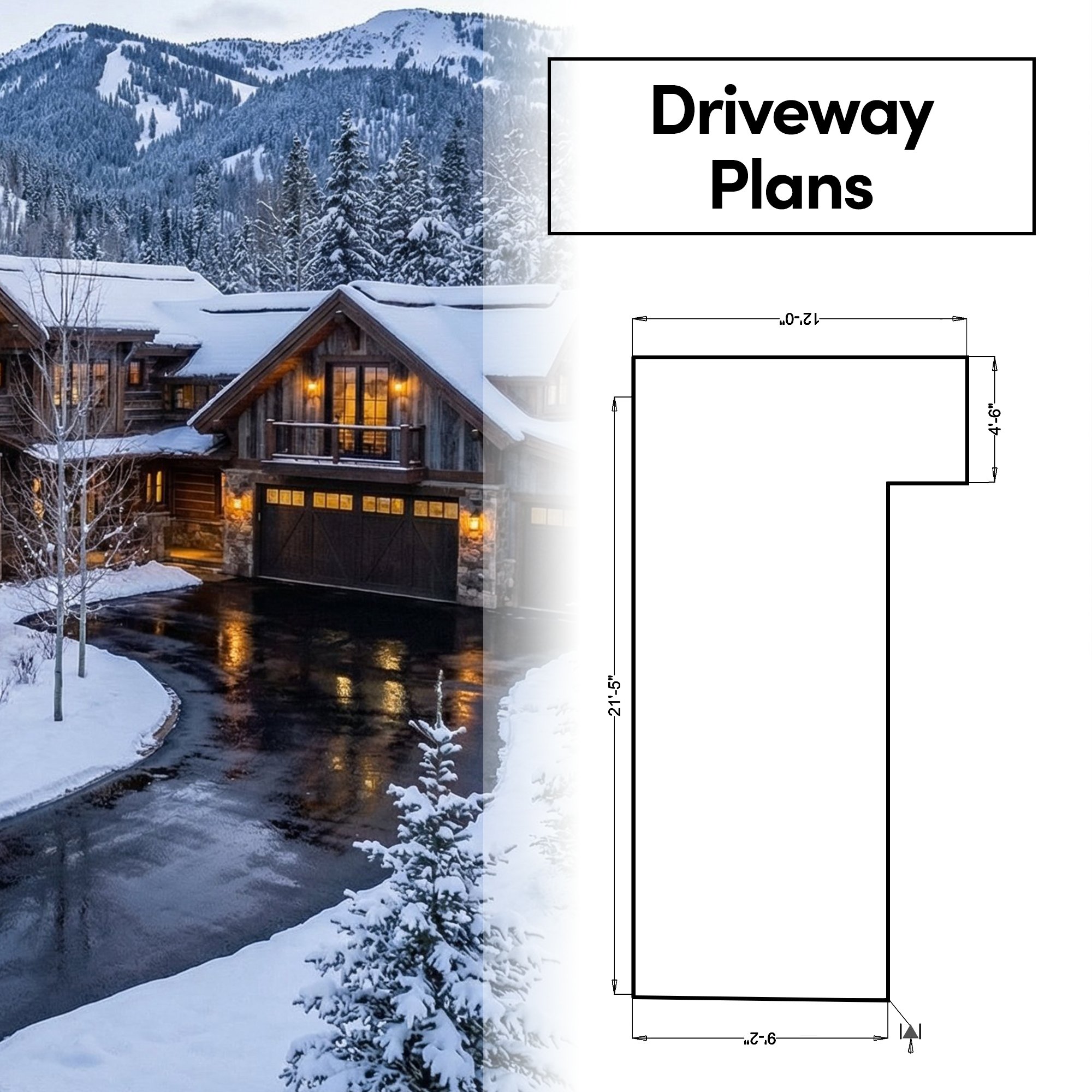
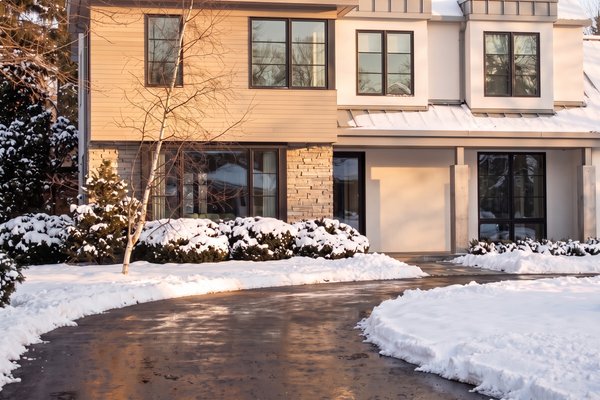
Winter brings its fair share of challenges, but dealing with a snow-covered driveway doesn’t have to be one of them. For homeowners looking to eliminate the back-breaking labor of shoveling and the environmental impact of harsh de-icing chemicals, an electric snow melt system is the ultimate solution. By installing a radiant heating system beneath your driveway surface, you can ensure a clear, safe, and accessible path all winter long, regardless of how severe the weather gets.
However, not all driveways are created equal. The material of your driveway plays a crucial role in how a heated driveway system is installed and how it performs over its lifespan. Whether you are pouring a brand-new driveway, replacing an old one, or retrofitting an existing surface, understanding the nuances of different materials is key to a successful installation. In this comprehensive guide, we will explore how snow melting systems integrate with the three most common driveway materials: asphalt, concrete, and pavers. By the end of this article, you’ll have the knowledge you need to choose the perfect system for your home and say goodbye to winter maintenance for good.
Quick Facts
- Asphalt Driveways: Heating elements are embedded directly in hot asphalt (up to 284°F / 140°C) with careful compaction to protect the cables.
- Concrete Driveways: Cables/mats are secured to rebar or mesh, positioned precisely 2 to 3 inches below the surface, and must never cross expansion joints.
- Paver Driveways: Systems are installed in the bedding sand or stone dust layer, offering a highly accessible, low-risk, and easily repairable setup.
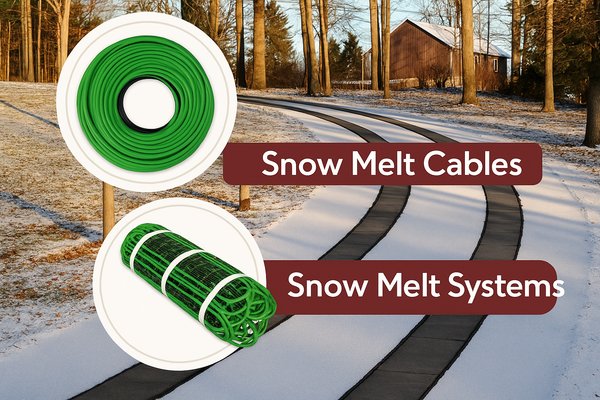
- Mats vs. Cables: Pre-spaced heating mats are ideal for fast, rectangular layouts (e.g., tire tracks), while loose cables offer maximum design flexibility for curves and stairs.
Choosing the Right System: Mats vs. Cables
When planning your snow melting installation, one of the most important decisions is choosing between heating mats and loose cables. Both options provide excellent performance, but they are designed for different types of projects.
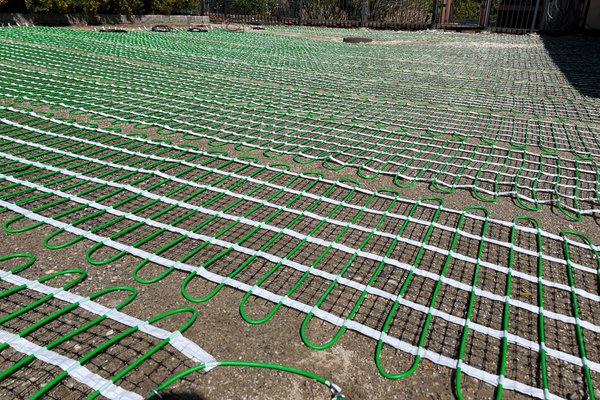
- Snow Melting Mats: Best for standard, rectangular areas like tire tracks or straight walkways. They roll out quickly and ensure consistent 3-inch spacing, yielding an optimal 50 watts per square foot.
- Snow Melting Cables: Best for custom shapes, curves, stairs, or areas with obstacles. They offer maximum flexibility but require manual spacing and attachment during installation.
Asphalt Driveways: Durable, Cost-Effective, and Efficient
Asphalt is a highly popular choice for residential driveways due to its durability, cost-effectiveness, and sleek, uniform appearance. But when considering winter upgrades, many homeowners naturally wonder, “can you heat an asphalt driveway?” The answer is a resounding yes. In fact, an asphalt heated driveway is one of the most efficient ways to manage winter weather and keep your property safe.
When installing a snow melting system under asphalt, the heating cables or mats are typically laid out on the base surface—usually a compacted layer of crushed stone or an existing milled asphalt layer. Once the heating elements are secured in place, they are covered with a fresh layer of asphalt. WarmlyYours snow melting cables are specially designed with a durable outer jacket to withstand the high temperatures of fresh asphalt during the paving process, ensuring the integrity and longevity of the heating elements.
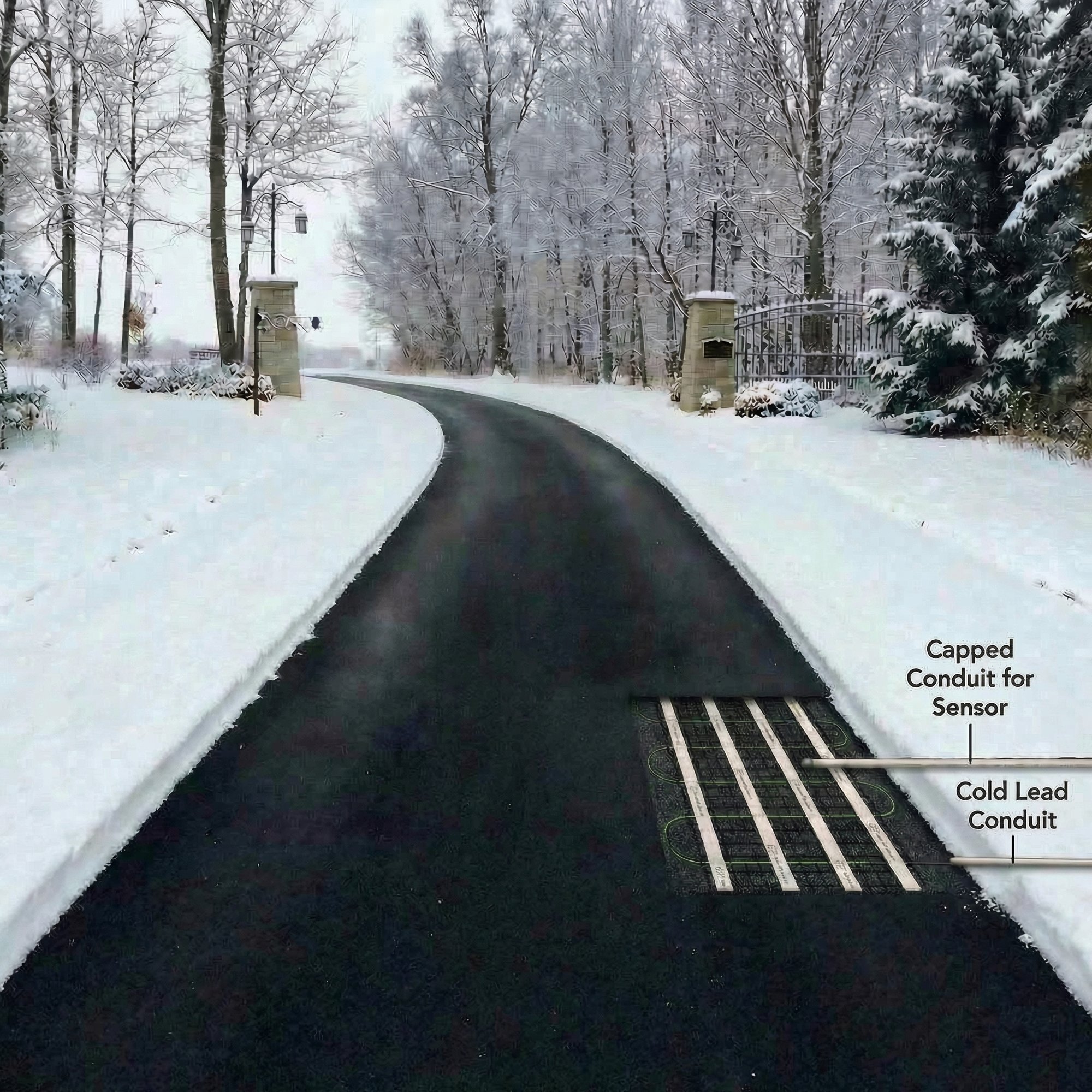
The dark color of asphalt naturally absorbs heat from the sun, which can aid in the melting process during the day. However, when the sun goes down and temperatures plummet, your heated driveway asphalt system takes over completely. The radiant heat transfers efficiently through the dense asphalt material, melting snow and ice on contact and preventing dangerous ice accumulation that could lead to slips, falls, or vehicular accidents.
For those considering this option, it’s important to work with experienced professionals who understand the specific requirements of installing heating cables in asphalt. The asphalt must be compacted carefully using the right equipment to avoid damaging the cables, and the system should be tested with a megohmmeter before, during, and after the pour to ensure there are no shorts or breaks. For more detailed information on this process, visit our comprehensive guide on asphalt snow melting systems.
Concrete and Cement Driveways: Long-Lasting Performance and Strength
Concrete is renowned for its incredible longevity and structural integrity, making it a staple for high-quality residential driveways. A heated concrete driveway not only enhances the safety of your property but also actively protects the concrete itself from the damaging freeze-thaw cycle. When water seeps into porous concrete, freezes, and expands, it can cause cracking and spalling over time. A snow melting system eliminates this moisture before it has a chance to freeze.
Integrating snow melting concrete systems involves a precise installation process. The heating cables or mats must be securely attached to the rebar or wire mesh framework before the concrete is poured. It is critical that the heating elements are positioned exactly 2 to 3 inches below the finished surface. This specific depth ensures optimal heat distribution while protecting the cables from surface wear and tear, as well as future surface treatments.
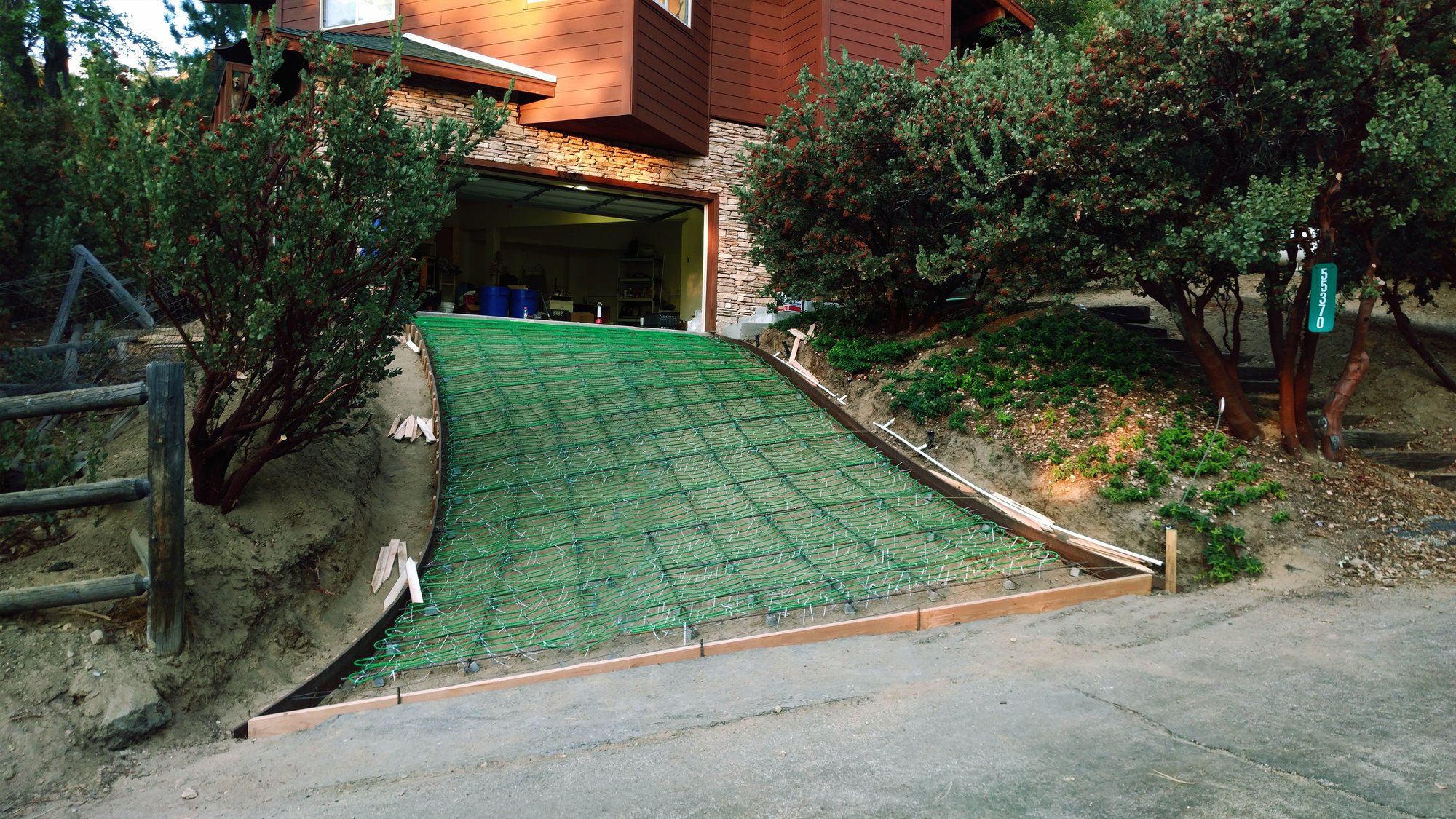
One of the primary benefits of a heated cement driveway is the incredibly even distribution of heat. Concrete has excellent thermal mass, meaning it retains and radiates heat highly effectively. Once the system brings the concrete slab up to the target temperature, it can maintain a clear, dry surface even during heavy, continuous snowfall.
When planning a concrete installation, proper spacing of the heating cables is essential to ensure uniform melting and avoid cold spots where ice could form. Additionally, expansion joints must be carefully managed. Cables should never cross an expansion joint directly; instead, special techniques must be used so that the heating cables are not compromised when the concrete naturally expands and contracts with temperature changes. To learn more about the specifics of this installation, check out our resources on concrete snow melting.
Paver Driveways: Aesthetic Appeal Meets Modern Functionality
For homeowners who prioritize curb appeal and architectural design, paver driveways offer unmatched beauty and versatility. The good news is that you don’t have to sacrifice aesthetics for winter functionality. A heated paver driveway provides the absolute best of both worlds, keeping your intricate stone or brickwork clear of snow and ice without the need for corrosive rock salts or harsh chemicals that can permanently damage and discolor the pavers.
Installing a heated driveway under pavers is a straightforward and highly effective process. The heating cables or mats are typically laid out in the bedding sand or stone dust layer just below the pavers themselves. This setup allows the radiant heat to transfer evenly and quickly through the pavers, effectively melting snow and ice as soon as it begins to fall.
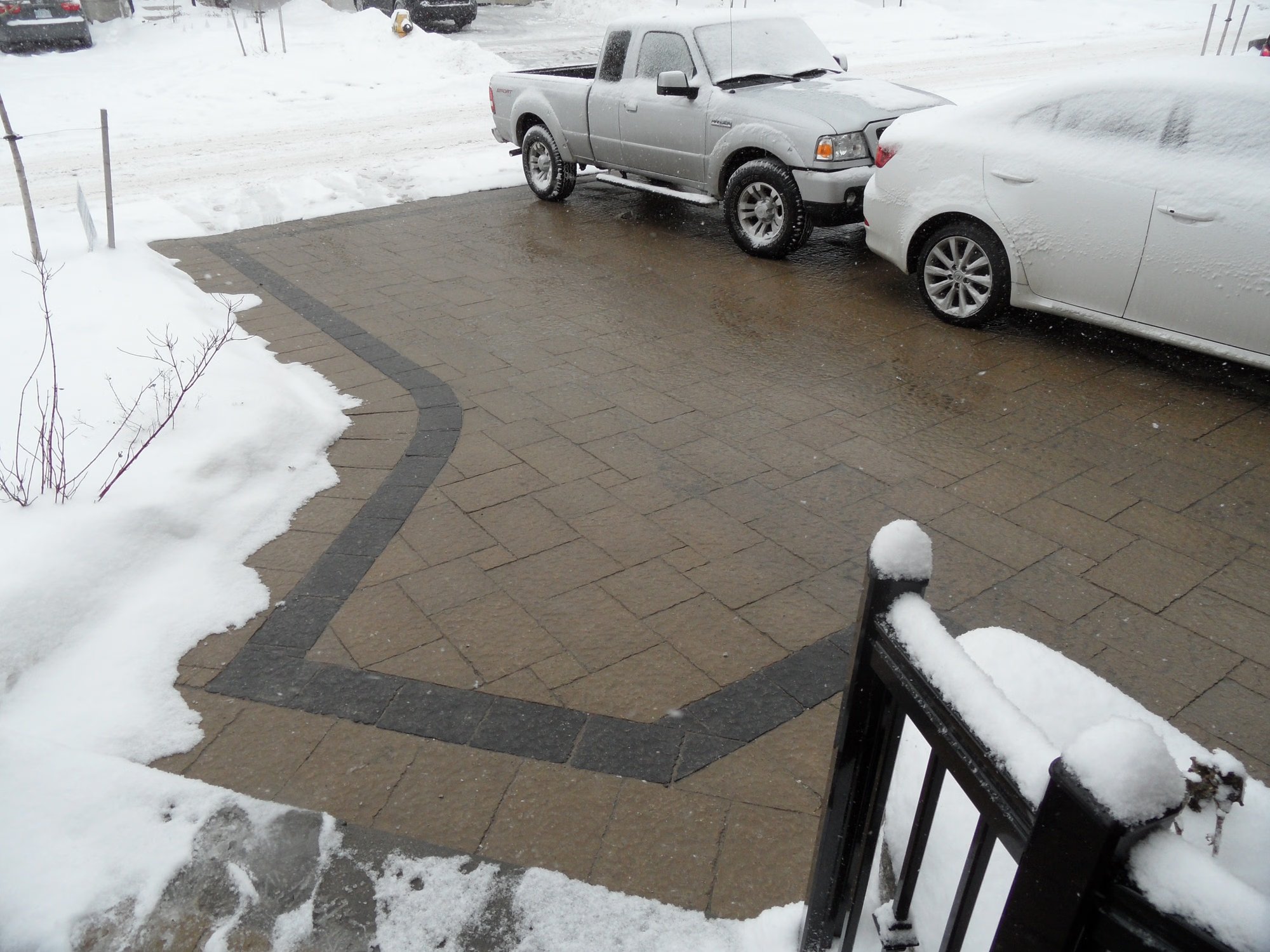
Snow melting pavers are particularly advantageous from a maintenance perspective because the system can be easily accessed if repairs or adjustments are ever needed in the future. Unlike concrete or asphalt, where the solid surface must be broken up and patched to reach the cables, individual pavers can simply be lifted, the work completed, and the pavers replaced seamlessly. This makes a paver snow melting system an incredibly practical and low-risk long-term investment.
Whether you are using natural stone, traditional brick, or modern concrete pavers, the radiant heat will protect the surface from the harsh winter elements and eliminate the need for heavy plows or sharp metal shovels that could scratch, chip, or dislodge the pavers. Discover more about integrating radiant heat with your premium hardscaping by visiting our dedicated page on heated pavers and stone.
Retrofitting an Existing Driveway
While installing a snow melting system is often done during new construction or when completely replacing a driveway, you can also retrofit an existing surface. The method depends on your driveway material:
- For Concrete and Asphalt: Retrofitting involves saw-cutting grooves into the existing slab. The heating cable is laid directly into these cuts and then sealed with a backer rod and a compatible joint sealant (for concrete) or hot asphalt sealer (for asphalt).
- For Pavers: The process is much simpler. You can lift the existing pavers in the desired heating area, lay the heating elements in the bedding sand or stone dust, and then replace the pavers seamlessly over the top.
For a detailed, step-by-step walkthrough of this process, including a real-world asphalt installation, check out our Heated Driveway Retrofit Application Guide. This guide provides comprehensive instructions on saw-cutting, cable placement, and sealing to ensure a successful retrofit project.
Key Installation Depths & Clearances
To ensure a successful and long-lasting snow melting system, it is critical to adhere to specific installation guidelines based on your driveway material:
- Asphalt: The temperature limit for hot asphalt is typically 284°F (140°C). Heavy steam rollers should not be used directly over the heating cables; hand rolling or lightweight rollers are required to prevent damage.
- Concrete: Heating cables must never cross expansion joints. Special techniques must be used to protect the cables from the natural expansion and contraction of the concrete slab.
- Pavers: Heating elements are typically laid in the bedding sand or stone dust layer just below the pavers, ensuring an even heat distribution without damaging the pavers.
Power and Controls
When selecting your system, it is also important to consider your power and control options. Snow melting systems are available in multiple voltage options (120V, 240V, 277V) to match your home’s electrical capacity. Additionally, pairing your system with the right control—such as an automatic moisture and temperature sensor rather than a manual timer—ensures optimal efficiency and performance, activating the system only when needed.
Conclusion: Take the Next Step Toward a Snow-Free Winter
Investing in a snow melting system is a smart, forward-thinking decision that significantly enhances the safety, convenience, and overall value of your home. Whether you are planning a sleek asphalt, robust concrete, or elegant paver driveway, there is a radiant heating solution perfectly designed to meet your specific needs and material requirements. By understanding the unique installation methods and long-term benefits associated with each material, you can ensure a seamless integration and optimal performance for decades to come.
Ready for a Snow-Free Winter?
Don’t let another grueling winter dictate your schedule, strain your back, or put your family’s safety at risk. Take control of your driveway and enjoy the ultimate peace of mind that comes with a fully automated, reliable electric snow melt system.
Ready to get started on your winter upgrade? Use our Quote Builder to design a custom system tailored to your exact driveway dimensions and material, and receive a free, no-obligation quote today.
Frequently Asked Questions
Radiant snow melting systems use electric heating cables or mats embedded in the driveway surface. When sensors detect moisture and freezing temperatures, the system activates, warming the slab to melt snow and ice on contact. This prevents accumulation and ensures a clear, safe surface throughout winter storms without manual shoveling.
Yes, you can install a heated driveway system under asphalt. WarmlyYours snow melting cables and mats are designed to withstand the high temperatures of fresh asphalt during installation. The heating elements are typically laid out on the base surface and covered with a layer of asphalt, providing efficient and reliable snow melting for your driveway.
Installing a snow melting system in a concrete driveway involves securing the heating cables or mats to the rebar or wire mesh before the concrete is poured. The heating elements must be positioned 2 to 3 inches below the finished surface. Once the concrete is poured and cured, the system will efficiently melt snow and ice, keeping your driveway clear.
Yes, paver driveways are excellent candidates for snow melting systems. The heating cables or mats are typically installed in the bedding sand or stone dust layer just below the pavers. This setup allows the heat to transfer evenly through the pavers, effectively melting snow and ice while maintaining the aesthetic appeal of your driveway.
Have Questions About Your Project?
Our team of Radiant Experts is ready to help!
Related Articles

Heated Driveway Cost in 2026
Heated Driveway Maintenance & Lifespan Guide
Snow Melting Mats vs. Cables: Which to Choose for your Heated Driveway
How to Install Snow Melting Under an Asphalt Driveway
Stay Updated
Get the latest radiant heating news and tips delivered to your inbox.