

In This Article
The best electric wall heaters for 2026 are infrared infrared heating panels, which provide silent, energy-efficient supplemental heat by warming objects directly rather than just the air. Unlike traditional convection heaters, these wall-mounted solutions are safe to the touch, allergy-friendly, and blend seamlessly into modern decor. In this guide, we compare top-rated infrared and convection models to help you find the perfect heating solution for your home.
What Makes a Good Electric Wall Heater?
Before diving into specific models, it is important to understand the key criteria that separate the best wall mounted heaters from the rest. When evaluating your options, consider the following factors:
- Efficiency: How effectively does the heater convert electricity into usable heat? Look for models that minimize heat loss.
- Safety: Wall heaters should have built-in safety features, such as overheat protection, and ideally, surfaces that remain safe to the touch.
- Noise Level: Many traditional heaters rely on fans, which can be noisy and disruptive. The best options operate silently.
- Aesthetics: A wall-mounted heater becomes a permanent fixture in your room. Sleek, low-profile designs blend seamlessly into modern decor.
Types of Electric Wall Heaters Compared
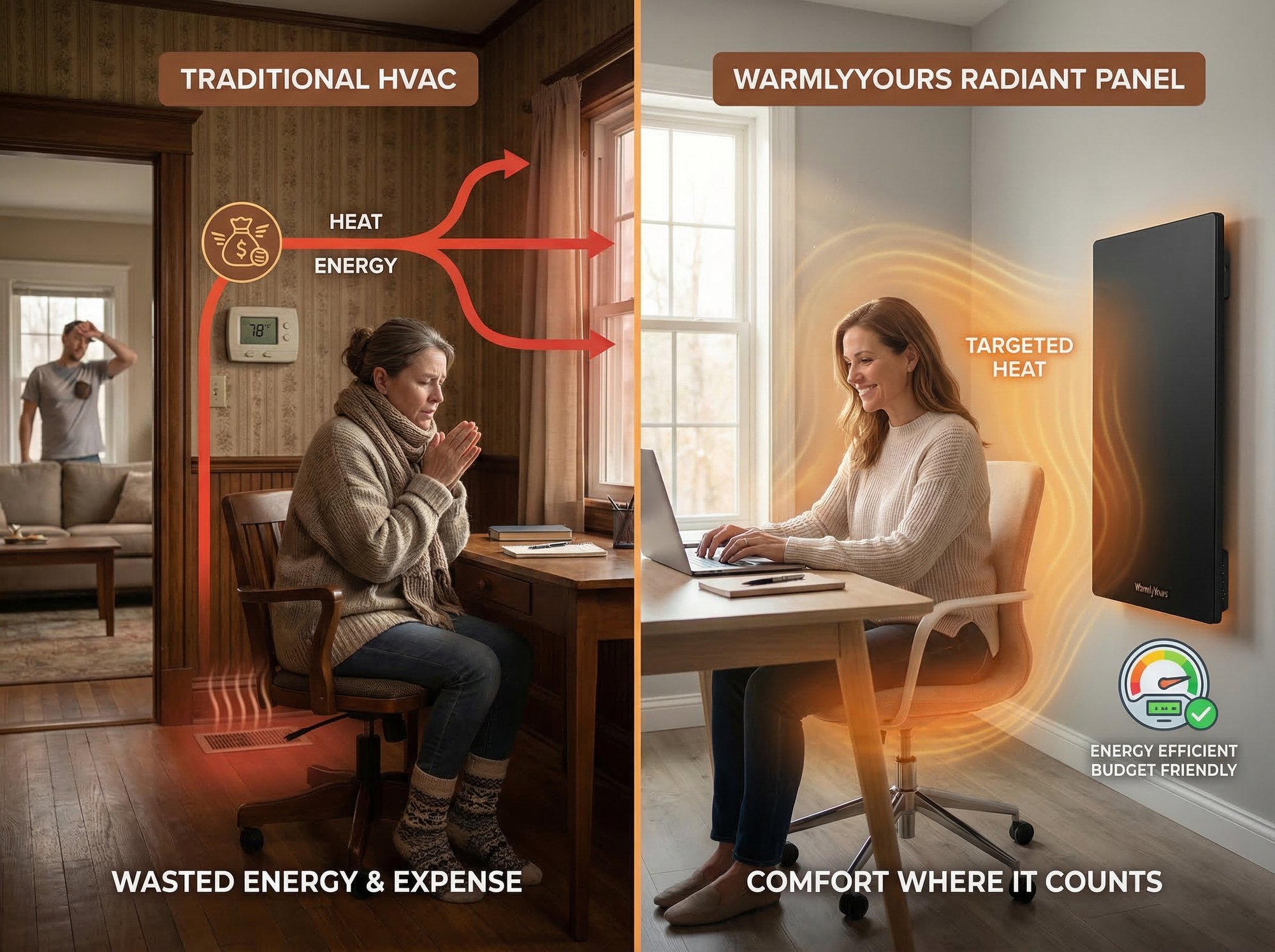
There are several types of electric wall heaters on the market, each utilizing different heating methods. Understanding the difference between an infrared wall heater vs convection heater is crucial for choosing the right fit.
- Infrared Infrared Heating Panels: These heaters emit infrared waves that directly warm people and objects in the room, much like the sun. They are highly efficient, completely silent, and do not circulate dust or allergens. A WarmlyYours Ember electric wall heaters is the premium choice in this category, offering superior comfort and sleek design.
- Convection Heaters: These rely on heating the air, which then rises and circulates throughout the room. While effective, they can be slow to heat a space, often create dry air, and are less efficient because heat easily escapes through drafts or open doors.
- Ceramic Heaters: Often portable but sometimes wall-mounted, these use a ceramic element to generate heat, which is then blown into the room by a fan. They are quick to heat up but can be noisy and are generally better suited for very small, temporary spaces.
- Baseboard Heaters: A traditional form of convection heating installed along the floor. They take up valuable wall space, can be slow to warm a room, and pose a burn risk for pets and children.
Top Picks for 2026
When reading electric wall heater reviews, you will find a variety of options, but infrared technology consistently comes out on top for efficiency and comfort. According to the U.S. Department of Energy, electric resistance heaters are 100% efficient at converting electricity into heat, and infrared heating panels take this further by warming people and objects directly. Furthermore, studies by ASHRAE (the American Society of Heating, Refrigerating and Air-Conditioning Engineers) show that radiant heating provides superior thermal comfort by warming the surfaces in a room, allowing for a more consistent and natural feeling of warmth compared to the “blast and fade” cycles of convection heaters. Here are our top recommendations for 2026:
- WarmlyYours Ember Flex Panels: The undisputed leader in infrared heating. These versatile panels can be hardwired or plugged in, offering silent, efficient radiant heating with a minimalist aesthetic.
- WarmlyYours Ember Mirror Panels: Perfect for bathrooms, these dual-purpose panels provide all the benefits of infrared heating while functioning as a high-quality, fog-free mirror.
- Premium Convection Wall Heaters: A solid runner-up for those who prefer traditional air heating, though they lack the direct, sun-like warmth and silent operation of infrared panels.
Room-by-Room Recommendations
Different rooms have different heating needs. Here is how to choose the best electric wall heater for specific areas of your home:
The Bathroom
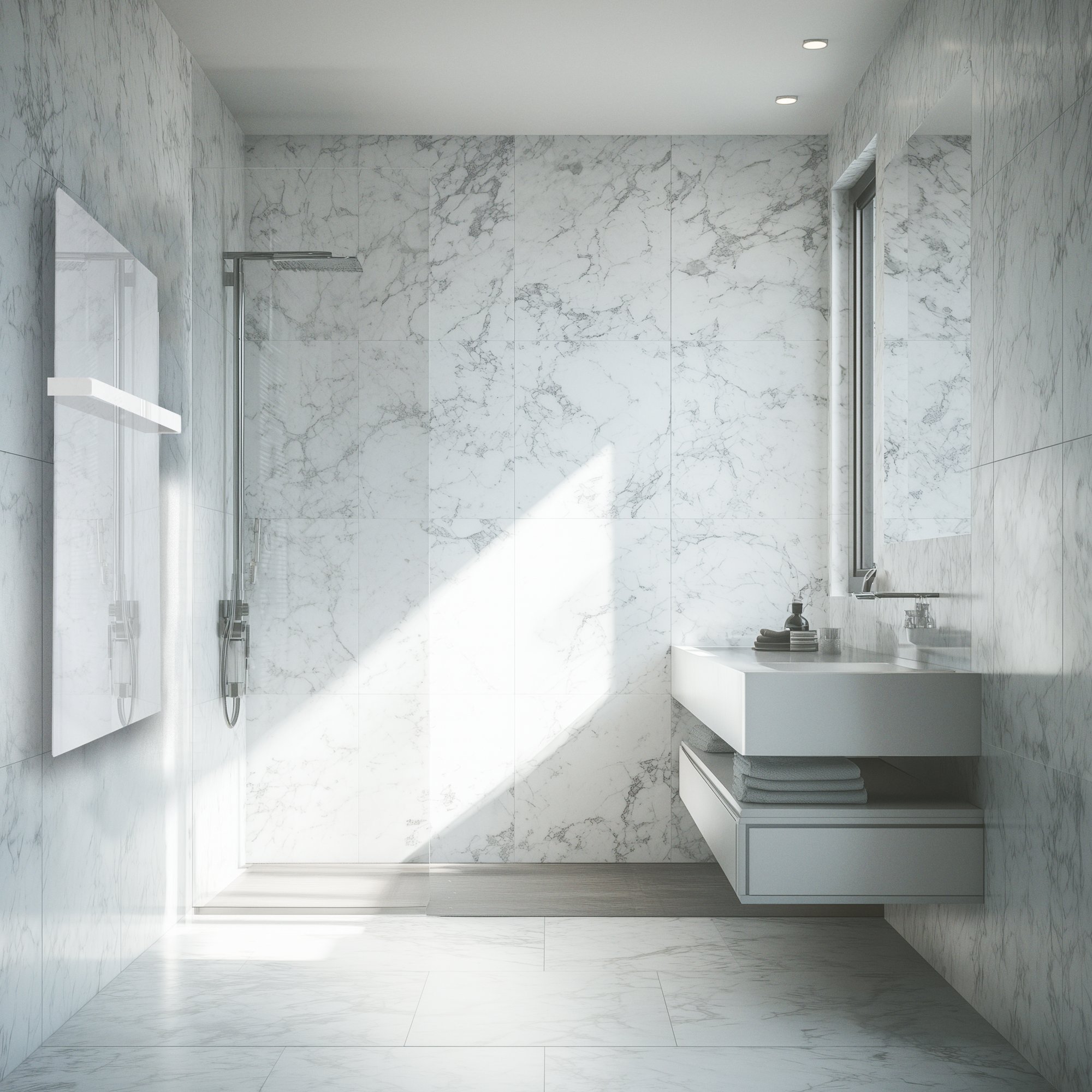
Bathrooms require and electric wall heater that can handle moisture and provide quick warmth. The Ember Mirror is our top pick here. It saves space by replacing your standard mirror and provides luxurious radiant heat right where you need it most. Plus, these panels have a convenient towel bar accessory, allowing you to warm your towels while heating the room.


The Bedroom
For bedrooms, silence and safety are paramount. The Ember Flex series operates without noisy fans, ensuring a peaceful night’s sleep while keeping the chill away. Our top recommendation for bedrooms is the Ember Flex White 500W.

The Office or Basement
For home offices or chilly basements, you want a heater that provides consistent warmth without taking up floor space. The Ember Black series adds a touch of modern elegance while delivering powerful infrared heat to keep you comfortable during long workdays.
Installation & Running Costs
One of the biggest advantages of electric wall heaters is their ease of installation. Many models, including the WarmlyYours Ember series, offer dual-connection capabilities. This means they can simply be plugged into a standard 120V outlet or hardwired by a professional for a seamless, cord-free look.
When it comes to running costs, infrared panels are incredibly efficient because they heat objects directly rather than wasting energy heating the air. To maximize efficiency, we highly recommend pairing your heater with smart controls for wall heaters. A programmable or WiFi-enabled thermostat ensures your heater is only running when you need it, significantly reducing operating costs.
“Panel install was easy... For us it’s critical to have the panel on a timer of some sort because it not temperature controlled... and consumes 500w of electricity when on or about $2/day.”
— Jeremy L., Verified Customer
While our online calculator is primarily for floor heating and snow melting, you can easily estimate the operating cost of a infrared heating panel yourself. These panels typically range from 300 to 800 watts (averaging around 600 watts). To calculate your cost, use this formula:
Operating Cost Formula
- Formula: (Wattage / 1000) x 0.1626 = Cost per hour
- Example: A typical 600-watt panel costs approximately $0.10/hr per hour to operate based on the average electricity rates in your area.
Ready to Upgrade Your Comfort?
Choosing the best electric wall heater comes down to understanding your space and prioritizing efficiency and comfort. By opting for an infrared infrared heating panel, you are investing in a superior heating experience that will keep your home cozy for years to come.
Frequently Asked Questions
Infrared panels are significantly more efficient than traditional convection space heaters. While convection heaters warm the air—which easily escapes through drafts—infrared panels directly warm people and objects. This targeted approach uses less energy, operates silently without fans, and prevents the circulation of dust and allergens common with forced-air competitors.
Yes, high-quality electric wall heaters, particularly infrared infrared heating panels, are extremely safe for bedrooms. Unlike traditional space heaters with exposed heating elements or noisy fans, infrared panels operate silently and maintain a safe surface temperature. They provide consistent, gentle warmth without drying out the air, making them ideal for overnight use.
Operating costs depend on the heater's wattage and your local electricity rate, but infrared wall heaters are highly efficient. Because they warm objects directly rather than heating the air, they require less running time to maintain comfort. Pairing your heater with a programmable thermostat can further reduce energy consumption and costs.
Yes, electric wall heaters convert 100% of electricity into heat. Radiant infrared panels are the most efficient option because they warm people and objects directly rather than heating air that rises and escapes. This targeted approach can reduce energy use by up to 50% compared to traditional forced-air systems.
Not always. A single 500W panel draws about 4.2A, which a standard 15A circuit can usually handle if not heavily loaded. However, a dedicated circuit is recommended for multiple panels or high-wattage units. Always consult a licensed electrician to ensure your circuit can safely support the additional load.
For optimal performance, mount radiant wall heaters at least 12 inches from the floor and 12 inches from the ceiling. Ideally, position the panel at "picture height" (about 5-6 feet from the floor) to ensure the infrared heat directly reaches occupants in the room without obstruction.
Have Questions About Your Project?
Our team of Radiant Experts is ready to help!
Related Articles
How do Radiant Infrared Heating Panels Work?
The Complete Guide to Infrared Heating Panels for Supplemental Heating
The Science of Radiant Heating: How Far Infrared Works

Electric Radiant Heating: A Safer, Smarter Alternative to Space Heaters
Stay Updated
Get the latest radiant heating news and tips delivered to your inbox.


