
Heated Driveway Maintenance & Lifespan Guide
last updated march 22, 2026

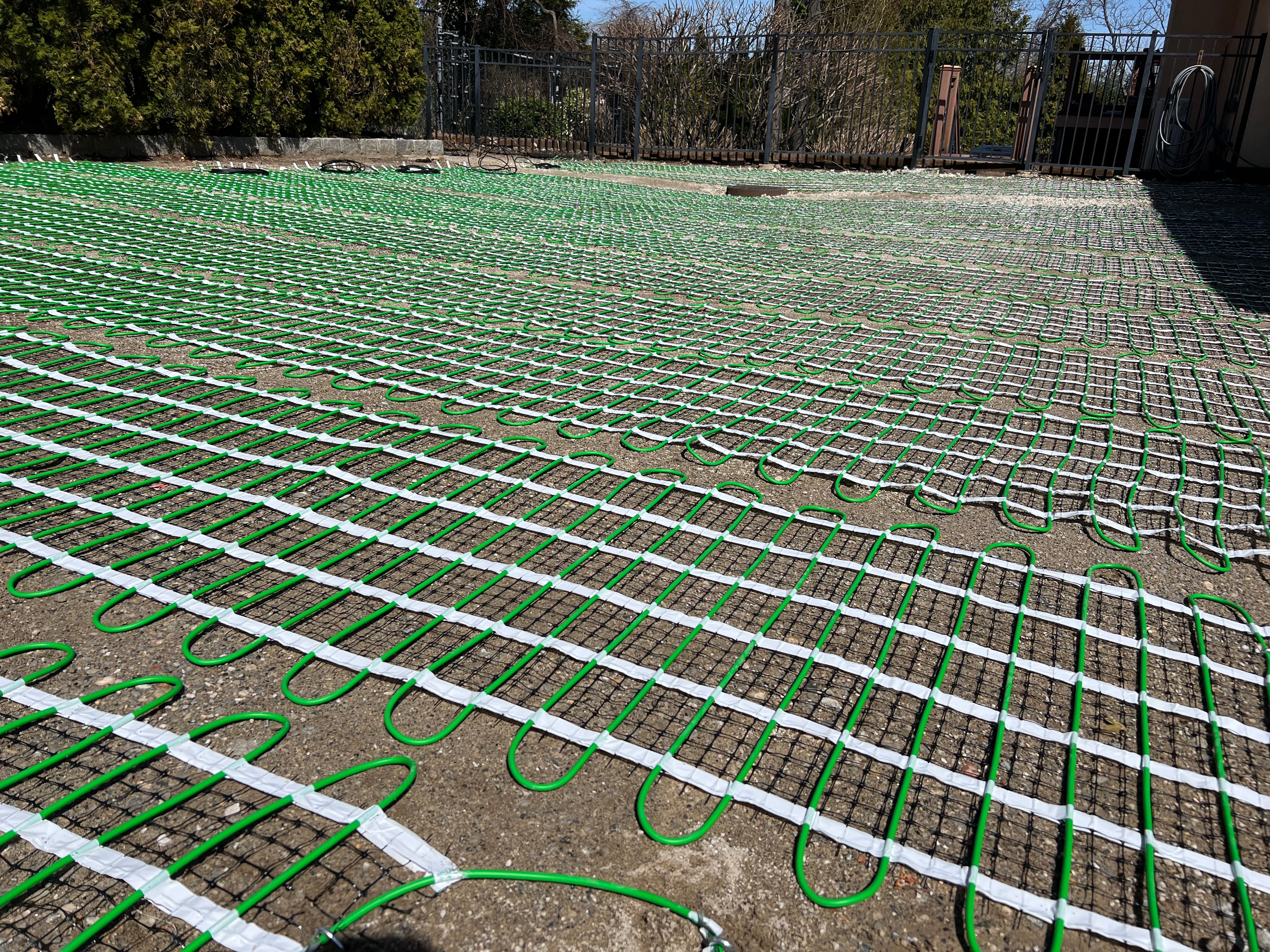
In This Article
One of the most common questions homeowners ask before investing in a heated driveway is: How long will it last, and what do I have to do to keep it running? The short answer: electric snow melting systems last 30+ years with virtually no maintenance — and understanding what affects longevity, what can go wrong, and how problems get fixed will help you get the most from a system that should outlive the concrete or asphalt above it.
If you're still evaluating whether a heated driveway makes financial sense, our heated driveway ROI guide walks through payback periods by climate zone. For a breakdown of ongoing electricity costs, see our heated driveway operating cost guide.
Quick Facts
- Expected lifespan: 30+ years for electric snow melting cables — typically outlasting the driveway surface above them.
- Maintenance required: Virtually none. No moving parts, no fluids, no annual servicing.
- Most common cause of failure: Physical damage to cables during installation or a subsequent surface repair — not system wear.
- Warranty: WarmlyYours electric snow melting systems carry a 10-year limited warranty.
- Repair options: Even if a cable is damaged, pinpoint repair tools mean you don't have to tear up the entire driveway.
How Long Does a Heated Driveway Last?
Electric snow melting cables are engineered for extreme conditions — buried under heavy driveway surfaces, exposed to freeze-thaw cycles, and conducting electricity for decades. When properly installed, WarmlyYours heating cables carry an expected lifespan of 30+ years. In practice, many systems outlast the first driveway resurfacing by a wide margin.
The key phrase is properly installed. The heating cable itself is highly durable — it's a static element with no parts that wear out or need replacement. What cuts a system's life short is almost always physical damage: a rake or shovel strike during the initial pour, a contractor hitting the cable during a later driveway repair, or — as we'll cover below — an installation that left sections of cable exposed to air rather than embedded in thermal mass.
One Elmhurst, IL homeowner summed it up well after their full-coverage installation: the system ran flawlessly for years without a single service call. You can read the full project story at Snow-Free Luxury: Full Heated Driveway and Walkway Installation in Elmhurst, IL.
Real Homeowners, Real Longevity
The 30+ year lifespan isn't marketing copy — it's borne out by verified customer experiences. Here's what actual WarmlyYours owners have reported:
"We've had our WarmlyYours driveway system for over 10 years and it still works perfectly. Best investment we ever made in our home — not a single issue."
"We had our system installed several years ago and it's still working great. Every winter it just does its job — we never think about it until the snow starts falling."
These reviews reflect a consistent pattern: when the cable is installed correctly and protected by proper thermal mass, it simply keeps working — season after season, decade after decade.
Maintenance Requirements: What You Actually Need to Do
The short answer: almost nothing. Unlike a hydronic (water-based) heated driveway system, which requires annual glycol checks, pump maintenance, and occasional bleeding of the lines, an electric snow melting system has no fluid, no pump, and no mechanical components. There is no maintenance schedule.
| Task | Electric Snow Melting | Hydronic (Boiler-Based) |
|---|---|---|
| Annual servicing | ❌ Not required | ✅ Required (boiler, pump, glycol) |
| Fluid checks | ❌ No fluids | ✅ Glycol mix & pH check annually |
| Moving parts to replace | ❌ None | ✅ Pump, valves, manifolds |
| Pre-season check recommended | ✅ 5-min resistance test | ✅ Full system inspection |
| Control system check | ✅ Verify sensor operation | ✅ Thermostat & zone valves |
The one proactive step worth taking each fall is a quick ohmmeter resistance test at the thermostat lead wires. This takes about five minutes, requires no tools beyond a basic multimeter, and confirms the cable is intact before winter arrives. Your system's installation manual includes the expected resistance range; any reading within ±15% of that spec means your system is in good health.
Pre-Season Tip
Before your first snow of the season, run your system for 10–15 minutes on a dry day and walk the driveway to feel for even warmth. This quick functional test confirms everything is working — and gives you time to address any issues before you need it most.
Common Problems and Solutions
Despite their exceptional reliability, heated driveway systems can develop issues. The vast majority trace back to one root cause: physical damage to the heating cable, almost always during installation or a subsequent surface repair. True component failure from age or normal use is rare.
Problem 1: System Stops Heating Partially or Completely
If one zone goes cold — or the whole system stops — the most likely culprits are a cable break (open circuit) or a short circuit caused by physical damage. This is diagnosable and repairable without tearing up the entire driveway. WarmlyYours offers two loan tool options:
- ShortStop TDR — for systems installed under pavers with a known installation plan. Locates the fault by measuring signal travel distance down the cable. No electrician required; $300 refundable deposit, shipping only.
- Trouble Shooting Kit (TSK) + Thermal Imaging Camera — for any substrate (concrete, asphalt, pavers), no installation plan required. A licensed electrician is needed. $150 rental + $100 camera rental, both with refundable deposits.
Once the fault location is identified, only the affected section needs to be excavated and spliced. For a real-world example of this process — from diagnosis to a fully restored system — read: From Zero to Hero: Fixing a Snow Melt System Failure in Outdoor Stairs. For a step-by-step technical walkthrough, see: How to Troubleshoot and Repair a Heated Driveway.
Problem 2: Sensor or Control Malfunction
If the cable tests healthy but the system isn't activating, the issue is often in the control — either a sensor that's failed, an improperly positioned aerial sensor, or a programming error. Aerial snow sensors should be mounted away from roof overhangs and heat sources that could cause false readings. WarmlyYours technical support is available 24/7 at 800-875-5285 and can walk you through sensor diagnostics over the phone.
Problem 3: Driveway Resurfacing Damage
This is the most preventable issue. When a driveway is repaved or patched, contractors unfamiliar with the underlying heating cable can cut or pierce it. Before any surface work, always inform the contractor of the cable location and provide the original installation plan if available. For asphalt overlays, WarmlyYours recommends a minimum 1.5" overlay to protect the cable during compaction.
Always Protect Your Installation Plan
Your SmartPlan shows exactly where heating cables are routed. Store a digital copy somewhere accessible — you'll need it if a future contractor ever resurfaces or repairs the driveway, and it significantly speeds up any troubleshooting if an issue arises.
Warranty Coverage
WarmlyYours electric snow melting systems are backed by a 10-year limited warranty covering manufacturing defects and electrical faults under normal use. This warranty applies to the heating cables and mats — and it's supported by 24/7 technical phone support throughout the life of the product, not just the warranty period.
It's worth noting that warranty claims are uncommon. System failures are almost never caused by manufacturing defects — they're caused by installation damage, which is why WarmlyYours provides free SmartPlans, 24/7 install support, and on-site technical assistance for complex or at-risk projects. Prevention is built into the process.
Electric vs. Hydronic: Which Lasts Longer?
| Factor | Electric (WarmlyYours) | Hydronic (Boiler-Based) |
|---|---|---|
| Cable/tube lifespan | 30+ years | 20–30 years (PEX tubing) |
| Boiler/mechanical lifespan | N/A — no boiler | 15–20 years |
| Annual maintenance cost | ~$0 | $150–$400/year |
| Repair complexity | Low — pinpoint fault location | High — pressurized fluid system |
| Total 20-year ownership cost | Lower | Higher (maintenance + boiler replacement) |
While hydronic systems can cover larger areas at lower operating cost per square foot, their mechanical complexity means more ongoing maintenance expense and more failure points over time. For most residential driveways, electric systems offer a better total cost of ownership when installation, maintenance, and expected lifespan are factored together. For a complete financial picture, including payback periods by climate zone, see our heated driveway ROI guide.
Questions About Your Existing System?
WarmlyYours technical support is available 24 hours a day, 7 days a week at 800-875-5285. Whether you're troubleshooting a failure, planning a repair, or doing a pre-season check, our team can walk you through it — for the life of your system, not just the warranty period.
Frequently Asked Questions
WarmlyYours electric snow melting cables are rated for 30+ years of reliable operation — typically outlasting the asphalt or concrete surface installed above them. Because there are no moving parts and no fluids, there is nothing to wear out under normal use. Controls have a 15–20 year lifespan and are replaceable if needed. The most common cause of premature failure is not age or wear — it is physical damage to the cable during installation or a later surface repair.
Heated driveways are practically maintenance-free. Below the surface of your driveway, the heated cable is perfectly safe and the electrical components last for many years with little to no maintenance requirements.
Electric snow melting systems require virtually no maintenance. There are no fluids to check, no pump to service, and no annual inspection required. The one recommended task is a quick ohmmeter resistance test each fall — about five minutes with a basic multimeter — to confirm the cable is intact before winter. If the reading falls within ±15% of the spec in your installation manual, the system is in good health.
This type of installation should not significantly affect the longevity of the driveway. Be sure to have a professional for your surface material type evaluate this during installation.
Have Questions About Your Project?
Our team of Radiant Experts is ready to help!
Related Articles

Heated Driveway Cost in 2026
How to Get Rid of Ice on Driveway Without Salt
Snow Melting Systems for Steep Driveways: What Homeowners Need to Know
Heated Driveway Repair: ShortStop vs. Trouble Shooting Kit Rental
Stay Updated
Get the latest radiant heating news and tips delivered to your inbox.


