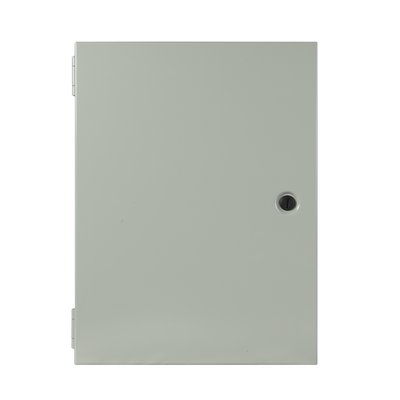
Snow Melt Control Timer Panel - 3 Zone (SCT-120-3Z)
Part Number: SCT-120-3ZPast Model
This product is discontinued.
This support page provides publications, manuals, specifications, videos, support articles, and common support questions
This product is discontinued.
This support page provides publications, manuals, specifications, videos, support articles, and common support questions
Jump to
Support Questions
Showing all 9 questions
Our systems can handle low temperatures, but many controls come equipped with a Low-Temperature Lockout Feature. This feature prevents the system from running in very low temperatures. At very low temperatures it can become difficult for the system to effectively melt the snow. It is however possible to turn off this feature should you need the system to keep running during such low temperatures.
All of our automatic controllers have a Hold-on time feature after the initial warming up of the snow melt system. This feature ensures that all the snow is melted from the surface, and also that the system continues to operate and evaporate the surface water without it refreezing.
Once you've decided what type of heating system (manual vs. automatic), you'll need to choose a control, which may or may not utilize a sensor. You may need a relay panel(s) depending on the size of the system, and a snow melt plaque which is required by the National Electric Code. Junction box(es) may be optional depending on the distance of heating cable from the indoor power location.
It depends on how the system is intended to operate. If the expectation is manual operation (ex. WiFi or Timer Control), then no sensors are required. If the expectation is automatic operation, then the system will require at least one snow sensor.
No, a sensor is not required with the snow melt system. However, certain automatic controllers require a temperature/moisture sensor to sense atmospheric conditions and may also require an in-slab, high temperature limit sensor to be installed (notably, asphalt installations).
A 2 pole single-phase 240V circuit works by continuously monitoring the current flowing through both hot wires of the circuit. If it detects even a slight imbalance between the current on each hot wire (indicating a ground fault), it will quickly trip, cutting off power to the circuit. Essentially, it compares each leg of the 240V circuit and trips if they are not precisely equal.
This feature prevents the snow melting system from running, by default, in temperatures below 17°F (–8.33°C), or as set by the user. At temperatures this low, it becomes difficult for the system to effectively melt the snow. It is, however, possible to turn off this feature should the system be required to keep running during these low temperatures.
Documents
Project Planners
- PRO Resource: Technical Field Guide for Electric Snow Melting Controls, Aerial & In- Slab Sensors, Hold-On Timers, and Pre-Season Commissioning (English)
- WarmlyYours Snow Melting Field Pocket Guide - Quick Field Troubleshooting Checklist (English)
Sell Sheets
Technical Information
Specifications
Installation
| Best Use | Typically Used For Projects That Require On-demand Operation |
Electrical
| Connection Method | Hardwired |
| Voltage | 120 V |
Product Dimensions
| Length | 1′ |
| Weight | 14 lbs |
| Width | 10″ |
Identifiers
| SKU | SCT-120-3Z |
| UPC (GTIN-12) | 881308025304 |
Warranty / Certifications
| Warranty | 2 years |
Videos
Articles
Related Items
Do you need support or specifications for a specific model? Identify your model below.