

In This Article
Turning an unfinished basement into a game room is one of the best ways to add usable living space—especially when you design it for comfort in every season.
What are the best basement game room ideas for year-round comfort?
The best basement game room ideas start with smart zoning (games + seating), basement-friendly flooring, and radiant floor heating to eliminate cold floors. Plan clearances and traffic flow first, then pick materials that handle humidity (like LVT, tile, or carpet). Adding electric radiant floor heating keeps the space comfortable in every season—so your game room gets used all winter, not just in summer.
Plan Your Game Room Layout
Start by deciding what the room is “for” (pool, arcade, console gaming, movie nights, or all of the above), then build your layout around clearances and traffic flow. A quick floor plan helps you place game tables, seating, screens, and storage so the space feels open—not cramped.
Key Layout Considerations
- Measure your basement dimensions and account for ceiling height and structural columns
- Plan adequate clearance around game tables (pool tables need 5–6 feet on all sides)
- Position seating areas to view entertainment screens or game tables comfortably
- Identify electrical outlets and lighting needs for different zones
- Consider traffic flow—avoid bottlenecks or awkward pathways
- Account for HVAC, plumbing, and other basement infrastructure
Create Comfort Underfoot with Radiant Floor Heating
Basements are notorious for cold floors and temperature swings—so comfort should be part of your game room plan from day one. Electric radiant floor heating installs under your finished floor to deliver consistent, draft-free warmth (no noisy vents, no cold spots), so everyone stays comfortable whether they’re standing at an arcade cabinet or lounging on the couch.
Why Radiant Heating Works for Game Rooms
- Eliminates cold basement floors that discourage extended gaming sessions
- Provides consistent warmth across the entire room—no cold spots
- Operates quietly, so it won’t interfere with gaming, movies, or conversation
- Energy-efficient heating (use the Operating Cost Calculator to estimate your project)
- Works with common basement flooring types—tile, LVT, and carpet
- Lets you heat only the zones you use most (especially when paired with SmartPlan)
Flooring Compatibility with Radiant Heating
Since you’re building a permanent game room, choosing the right flooring is crucial. Different flooring materials pair perfectly with radiant floor heating systems. Choose the option that best fits your game room aesthetic and performance needs:
| Flooring Type | Recommended System | Why It Works |
|---|---|---|
| Tile, Stone, and Marble | TempZone™ Floor Heating Cable | Excellent heat conductors that create a sleek, modern game room aesthetic. Perfect for high-traffic entertainment spaces. |
| Luxury Vinyl Tile (LVT) | TempZone™ Floor Heating Mat | Durable and moisture-resistant, ideal for basement environments where humidity can fluctuate. Easy to clean and maintain. |
| Carpet | Environ™ Foil Mat Systems | Offers sound insulation and a cozy feel perfect for game rooms. Specifically designed to work safely with carpeted floors. |
Use SmartPlan to Plan Your Heated Zones
Planning where to install radiant floor heating is just as important as deciding to install it. You don’t want to heat areas where no one will be sitting or standing—like under a pool table, behind a bar, or in front of a screen. That’s where SmartPlan makes all the difference.
SmartPlan is WarmlyYours’ free professional planning service that helps you identify the high-traffic zones in your game room where people actually gather and spend time. Simply submit your floor plan or sketch—including where your pool table, seating areas, and entertainment equipment will be positioned—and our engineering team designs a custom heating layout that maximizes comfort where it matters most. Within one business day, you’ll receive a complete installation plan and electrical diagram showing exactly which areas will be heated, how much coverage you need, and all the technical specifications your electrician will require. Your SmartPlan also includes an itemized product quote so you can calculate the exact operating cost for your specific project.
Pro Tip: Think about where people will actually be in your game room. Will they be standing around a pool table? Sitting on the floor during movie nights? Lounging on couches? Tell our engineers where the action happens, and they’ll design your heating layout to match.
Transform Your Basement with Radiant Floor Heating
Radiant floor heating is more than just a comfort upgrade—it’s a complete basement transformation. In this video, learn why basements benefit from radiant heating, explore your product options (mats and cables for different flooring types), discover the installation process, and understand why radiant heating is significantly more energy-efficient than traditional forced-air systems. Whether you’re planning a guest bedroom, movie space, or game room, this video shows you how to turn an underused basement into a warm, inviting retreat your family will love year-round.
Good to Know
Radiant floor heating is especially helpful in basements because it counteracts the natural cold of concrete slabs—so the space feels comfortable the moment you walk in. Design Your Game Room Theme
Once the layout is set, your theme is what makes the room feel intentional—not like “extra space in the basement.” Pick a style you’ll still love in a few years, then use lighting, color, and décor to bring it to life.
Popular Game Room Themes
- Sports Bar Aesthetic - Team colors, framed jerseys, and a neon sign for that classic bar vibe. Perfect for hosting football watch parties—see our guide to creating the ultimate football watching experience for seating layouts, screen setup, and game-day comfort tips.
- Classic Las Vegas Lounge - Jewel tones, metallic accents, vintage posters, and moody lighting
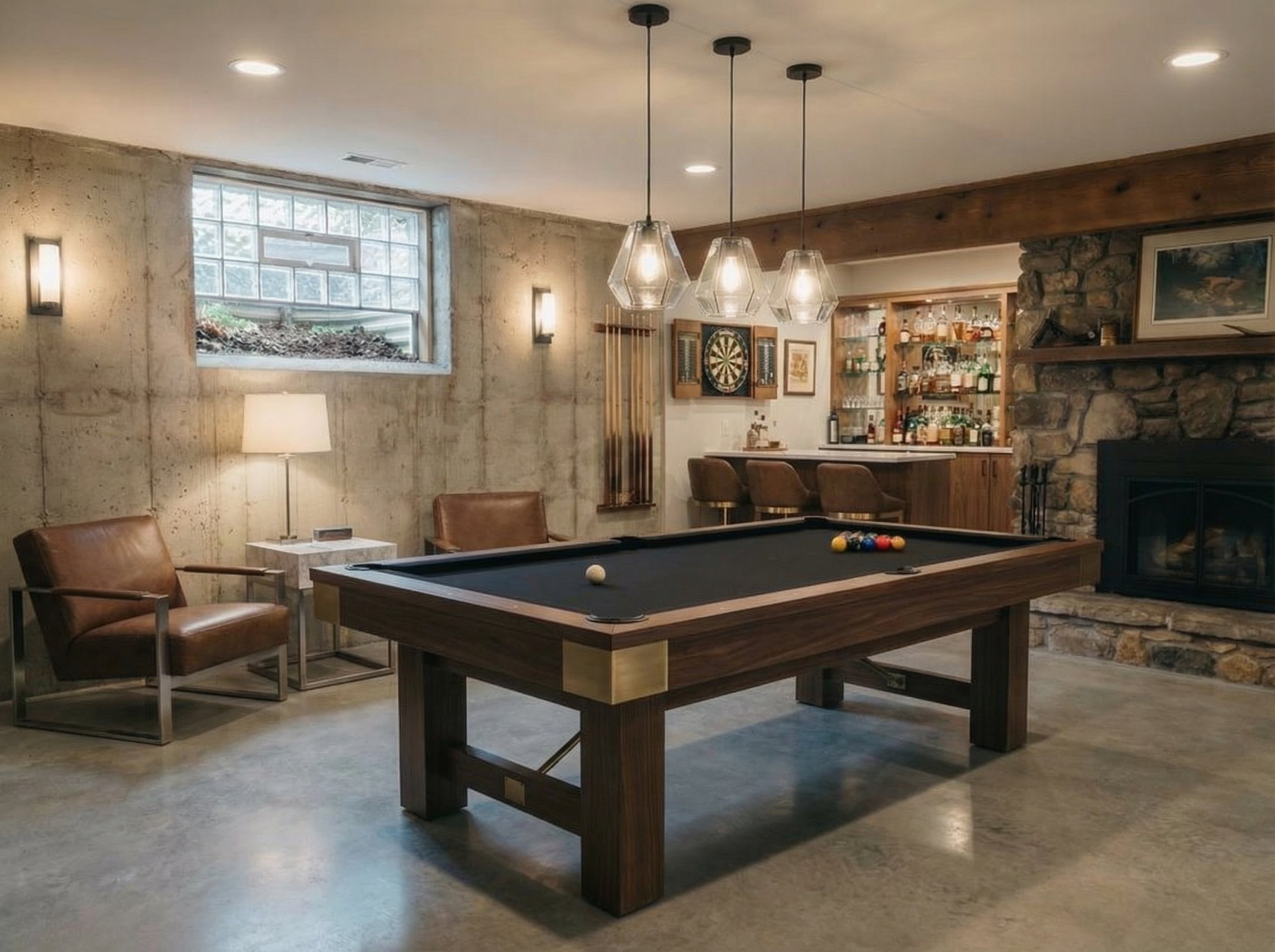
- Traditional Pool Hall - Deep wood tones, leather seating, and warm pendant lighting
- Modern Gaming Lounge - Sleek furniture, minimalist décor, and LED accent lighting
- Retro Arcade - Vintage machines, bold colors, and throwback memorabilia
- Man Cave or She Shed - Personal collectibles and hobby-focused décor
Design Tips for Maximum Impact
- Choose a cohesive color palette that fits your theme
- Layer lighting (overhead + task + accent) to avoid a “basement cave” feel
- Add wall décor that tells your story (memorabilia, art, signage)
- Invest in comfortable seating for longer hangouts
- Build in storage so controllers, cues, and board games stay organized
- Use area rugs to define zones and reduce echo (optional if you’re prioritizing maximum floor warmth)
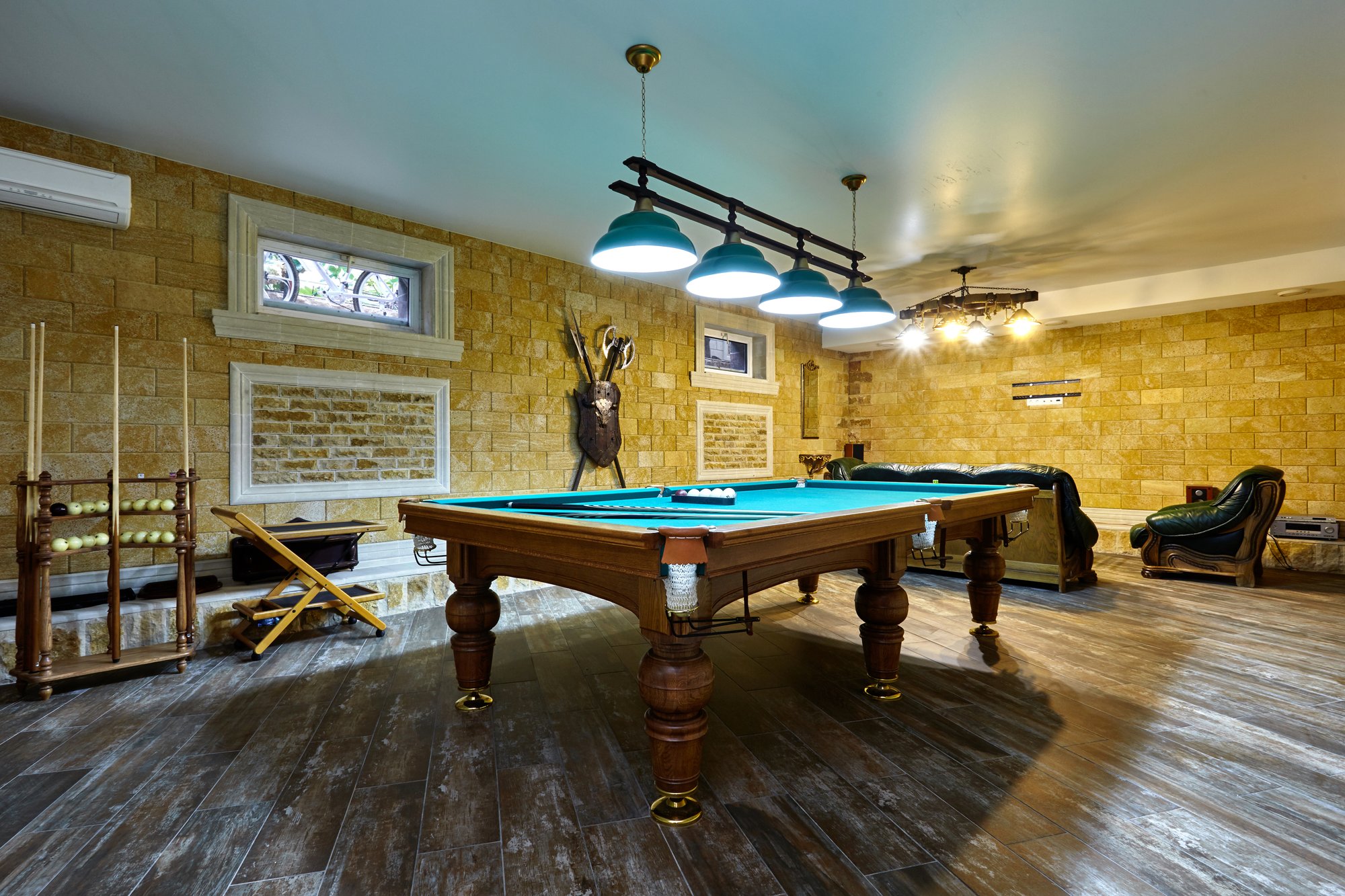
Pro Tip: With radiant floor heating underfoot, you can focus on décor and comfort without worrying about cold floors—warm feet naturally make guests want to stay longer.
Make Your Game Room a Year-Round Gathering Spot
The difference between a “cool basement project” and a room your family actually uses is comfort. When the space stays warm and inviting—especially in fall and winter—it becomes the default hangout for movie nights, tournaments, and weekend get-togethers.
Benefits of Year-Round Use
- Extended entertainment season—no more avoiding the basement in winter
- Consistent comfort that encourages longer gaming sessions and gatherings
- Energy-efficient heating (estimate your project with the Operating Cost Calculator)
- A dedicated space for family bonding and entertaining guests
- Increased home value with a finished, functional basement entertainment space
- A retreat for hobbies, relaxation, and quality time with loved ones
Good to Know: If your basement gets heavy use in colder months, consider using SmartPlan to heat only the zones where people stand and sit—so you maximize comfort without wasting energy.
Ready to Build Your Dream Game Room?
If you’re already planning new flooring, that’s the perfect time to add electric radiant floor heating. It installs under your finished floor and makes the whole space feel warmer, quieter, and more comfortable—so your basement game room gets used year-round.
Get started today:
- Use our Quote Builder for a personalized estimate based on your room size and flooring choice
- Check the Operating Cost Calculator to estimate operating cost for your project
- Explore radiant floor heating systems to find the best option for your flooring type
- Submit your layout to SmartPlan so you only heat the zones you’ll actually use
Key Takeaways
- Start with zoning: place games, seating, and screens first, then design traffic flow around them.
- Plan clearances early—pool tables typically need 5–6 feet of space on all sides.
- Choose basement-friendly flooring that matches your style and handles humidity (like LVT, tile, or carpet).
- Add electric radiant floor heating to eliminate cold basement floors and keep the room comfortable year-round.
- Use SmartPlan to heat only the zones where people actually stand and sit.
- Get a fast estimate with the Quote Builder and run numbers in the Operating Cost Calculator.
Frequently Asked Questions About Radiant Floor Heating for Game Rooms
Radiant heating is installed directly under the flooring material. If you are already planning to replace your old basement carpet or tile with something new (like the LVT or Tile mentioned in our compatibility table), that is the perfect time to install a system. Electric floor heating is very thin and won't require you to "dig up" your concrete slab.
Because basements start at a lower temperature, we recommend using a programmable or "Smart" thermostat. You can schedule the heat to kick on an hour before your family usually starts gaming. This ensures the floor is perfectly cozy the moment you walk downstairs, while saving energy when the room isn't in use.
Yes. Our systems, like the TempZone™ and Environ™ series, are UL-listed and designed for safety in home environments. In fact, radiant heat can actually help by keeping the floor surface dry and reducing that "musty" basement feel caused by cold, damp slabs.
Surprisingly little! As mentioned in our guide, it costs between $0.01 to $0.15 per hour to operate. For a standard game room used a few evenings a week, it often costs less than a few lattes per month to maintain total comfort. Use our Operating Cost Calculator to see your exact savings.
Many homeowners choose to lay the heating mats or cables themselves as a DIY project while they are putting down new flooring. However, we always recommend that a licensed electrician perform the final hookup to the thermostat and power source to ensure everything is up to code.
Have Questions About Your Project?
Our team of Radiant Experts is ready to help!
Stay Updated
Get the latest radiant heating news and tips delivered to your inbox.