
5 Reasons Snow Melting Will Change Winter Forever
last updated february 25, 2026

In This Article
If you've been on the fence about installing a snow melting system, here are five reasons why it might be the best home improvement decision you make this year. From affordability to convenience, electric snow melting systems have come a long way — and the benefits speak for themselves. For a full breakdown of installation costs, see our heated driveway cost guide.
1. It's More Affordable Than You Think
One of the biggest misconceptions about heated driveways is that they're only for luxury homes. In reality, you can heat the tire tracks of a standard 20' x 40' driveway for under C$2,055. That's a one-time investment that eliminates years of plowing, salting, and shoveling costs. Full coverage systems scale up from there depending on driveway size and surface material.
2. It Leaves No Water or Ice Residue
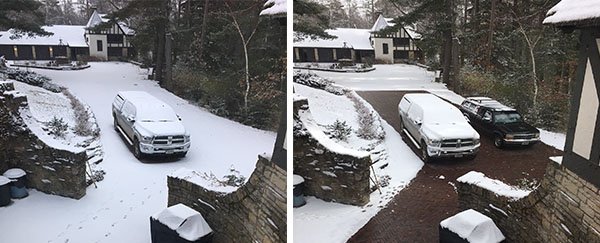
Unlike rock salt or calcium chloride, a snow melting system doesn't just push the problem around — it eliminates it. The system heats the surface to a temperature that melts snow on contact and evaporates the resulting moisture, leaving a completely dry surface. No puddles, no refreeze, no black ice forming after the storm passes.
This is especially important for concrete driveways, where repeated freeze-thaw cycles caused by residual moisture are one of the leading causes of surface cracking and deterioration.
3. It Works Under Any Surface
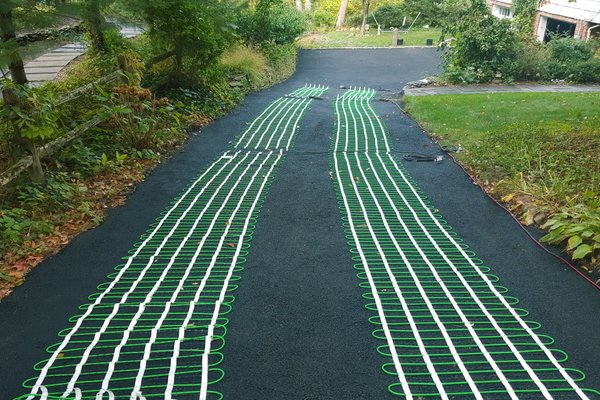
WarmlyYours snow melting systems are engineered to work under asphalt, concrete, and pavers. The heating cables can withstand the high temperatures of freshly poured asphalt (up to 450°F) and are flexible enough to be routed around obstacles in paver installations. Whether you're replacing a driveway, adding a new walkway, or resurfacing a patio, there's a system that fits.
4. Smart Controls Minimize Power Use
A snow melting system only needs to run when it's actually snowing — and smart controls make sure that's exactly what happens. Automatic aerial sensors detect moisture and temperature simultaneously, activating the system only when both conditions are met. An adjustable hold-on timer keeps the system running for a set period after snow stops to ensure complete drying.
Zone controls like the ZoneBraker let you divide large driveways into sections, running only the zones you need. The result: operating costs that are often lower than a single professional plowing visit per season. See how costs break down by region in our monthly operating cost guide.
5. It Eliminates Manual Snow Removal
This one is simple: no more shoveling, no more waiting for the plow, no more 6am scrambles before work. The system activates automatically, so by the time you're ready to leave, your driveway is already clear. For households with elderly residents, mobility challenges, or simply a preference for convenience, this benefit alone justifies the investment.
Best Time to Install
Snow melting systems must be embedded during construction or resurfacing — they can't be retrofitted under an existing driveway. The ideal installation window is late spring through early fall (May–September), when temperatures allow concrete and asphalt to cure properly. If you're planning a driveway replacement, now is the time to add snow melting to the project.
Ready to Get Started?
Use our Instant Quote tool to get a fast estimate for your project, then request a free SmartPlan — a custom installation and electrical plan prepared by our engineering team at no charge. All WarmlyYours snow melting systems are backed by a 10-year warranty with 24/7 technical support at 800-875-5285.
Have Questions About Your Project?
Our team of Radiant Experts is ready to help!
Related Articles

Stay Updated
Get the latest radiant heating news and tips delivered to your inbox.