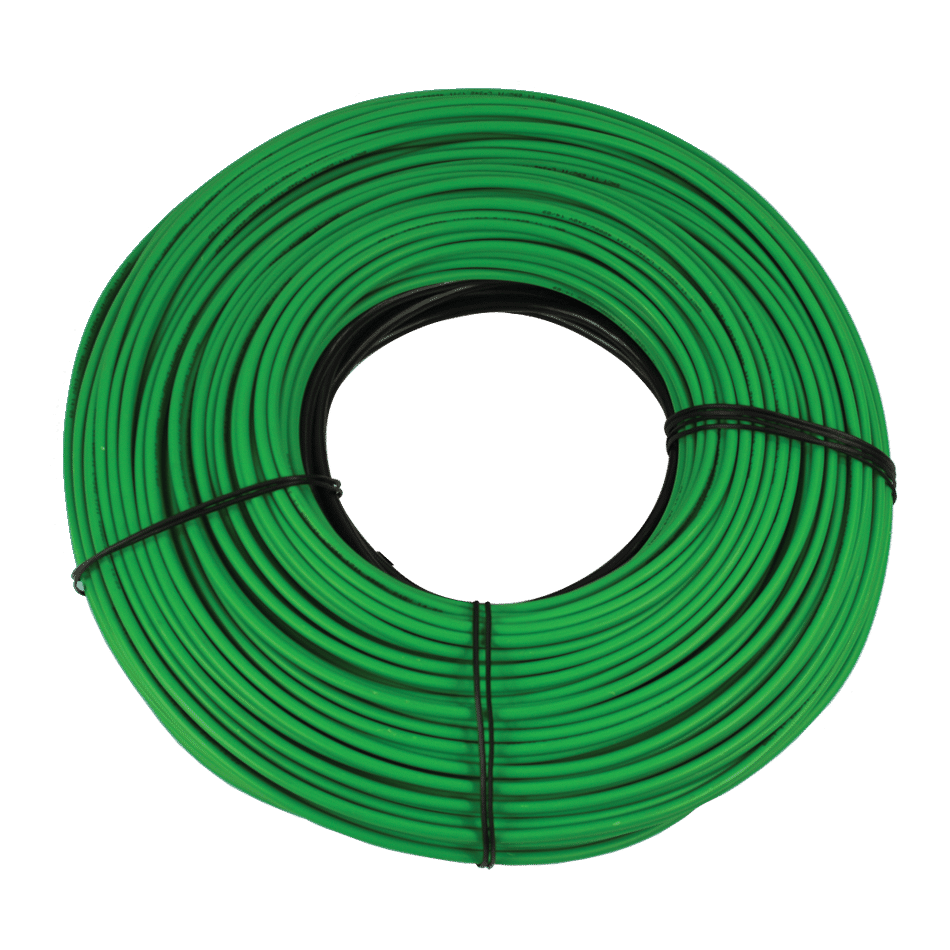
Snow Melt Cable 208V, 11.54A, 200 ft.

How Much Cable Will I Need?
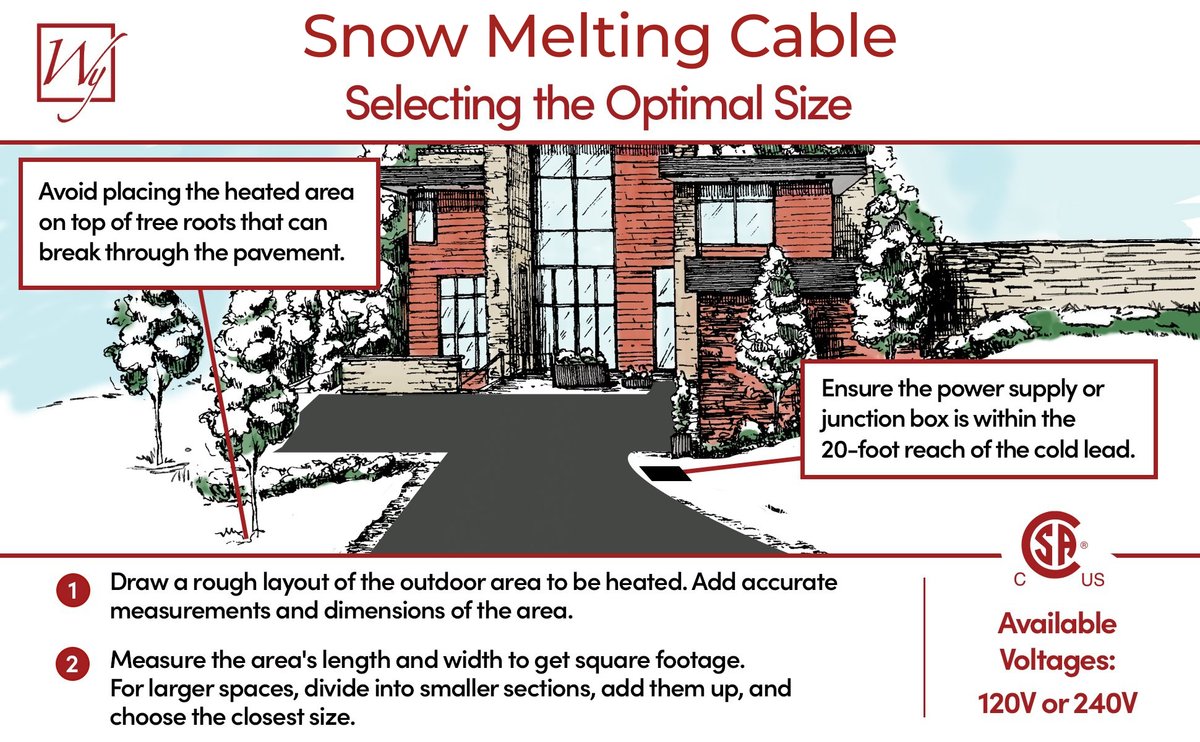
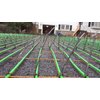
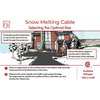
The amount of cable you'll need depends on the heat output and amount of heating coverage you want, both of which are impacted by the spacing of the heating cable.
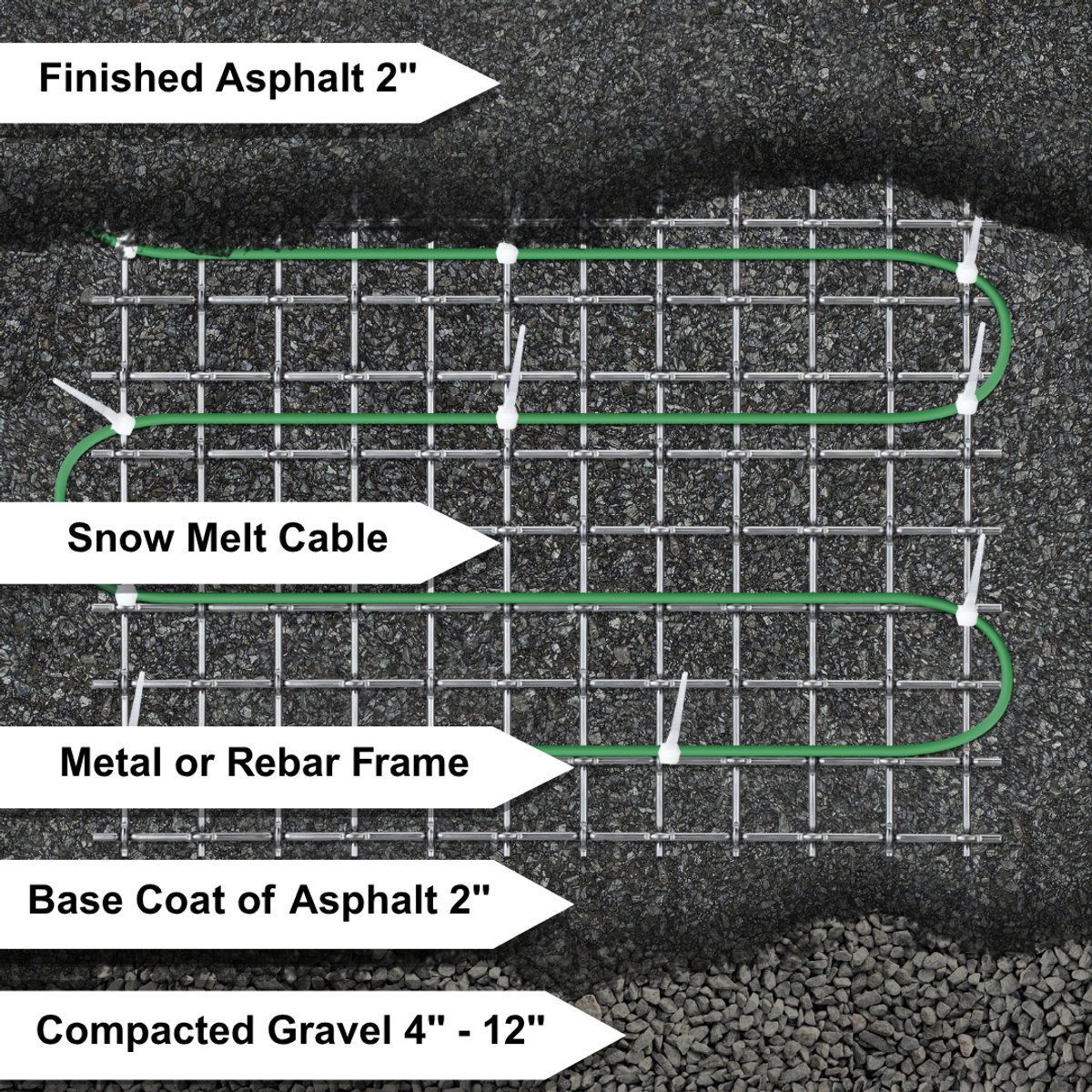
The recommended spacing for snow melting cables is 3", which will provide a heat output of 48-watts per sq. ft.
You can use our quote tool to get a rough estimate of the amount of cable you'll need for a project.
Or contact us for help:
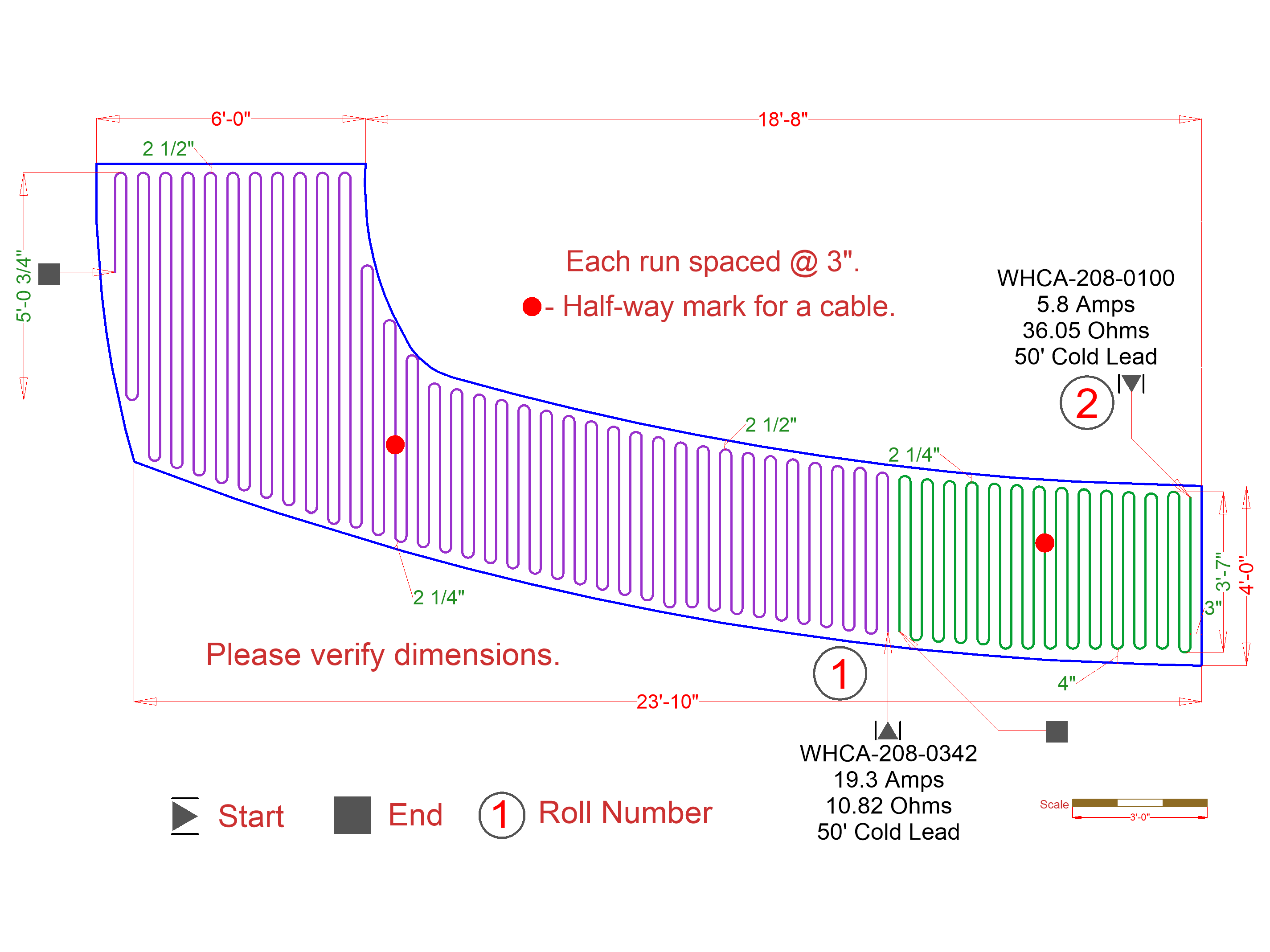
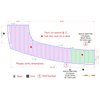
You can also submit a drawing of your project (with dimensions) and we'll provide you with a free installation plan with the exact amount of cable you'll need. Get started
Features
-
High Heat Output: This embeddable electric heating cable provides 12-watts of heat per linear foot (nearly 50-watts per sq. ft.)
-
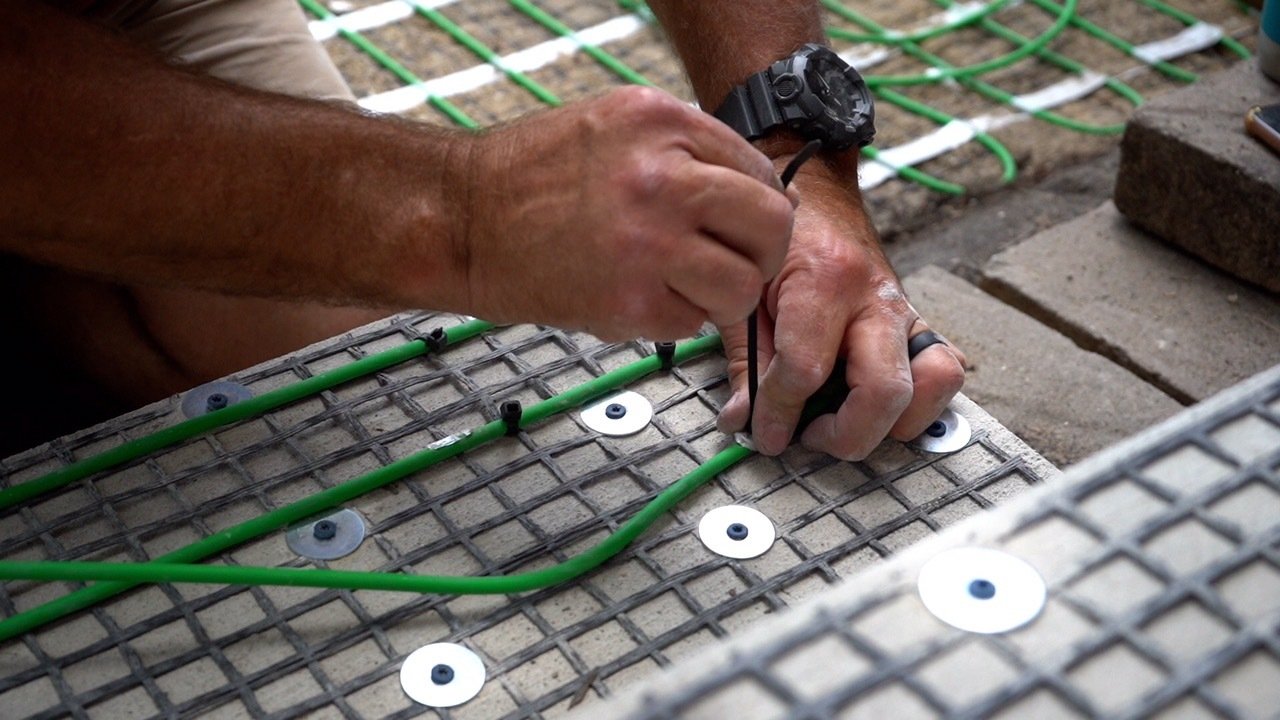
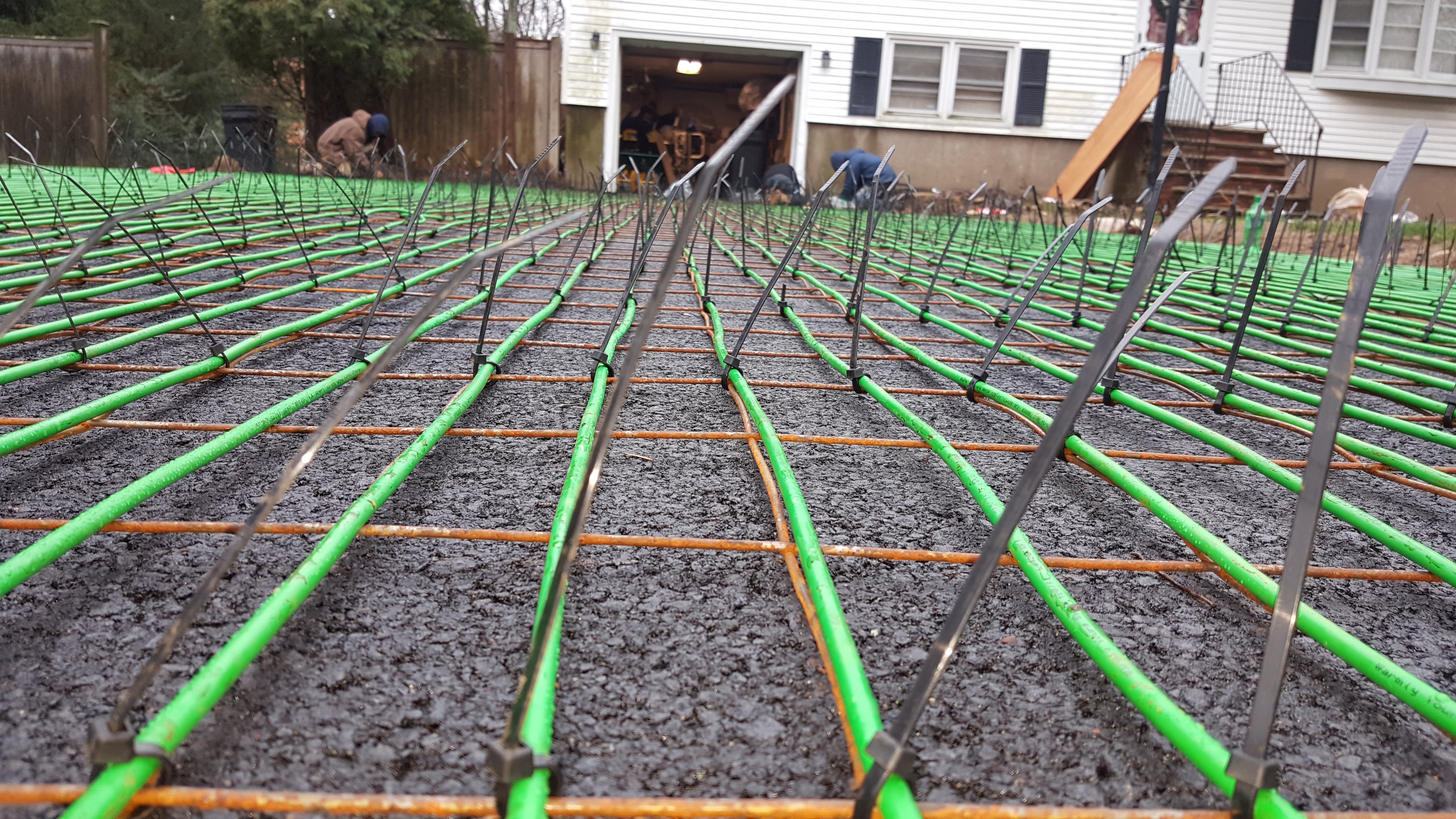
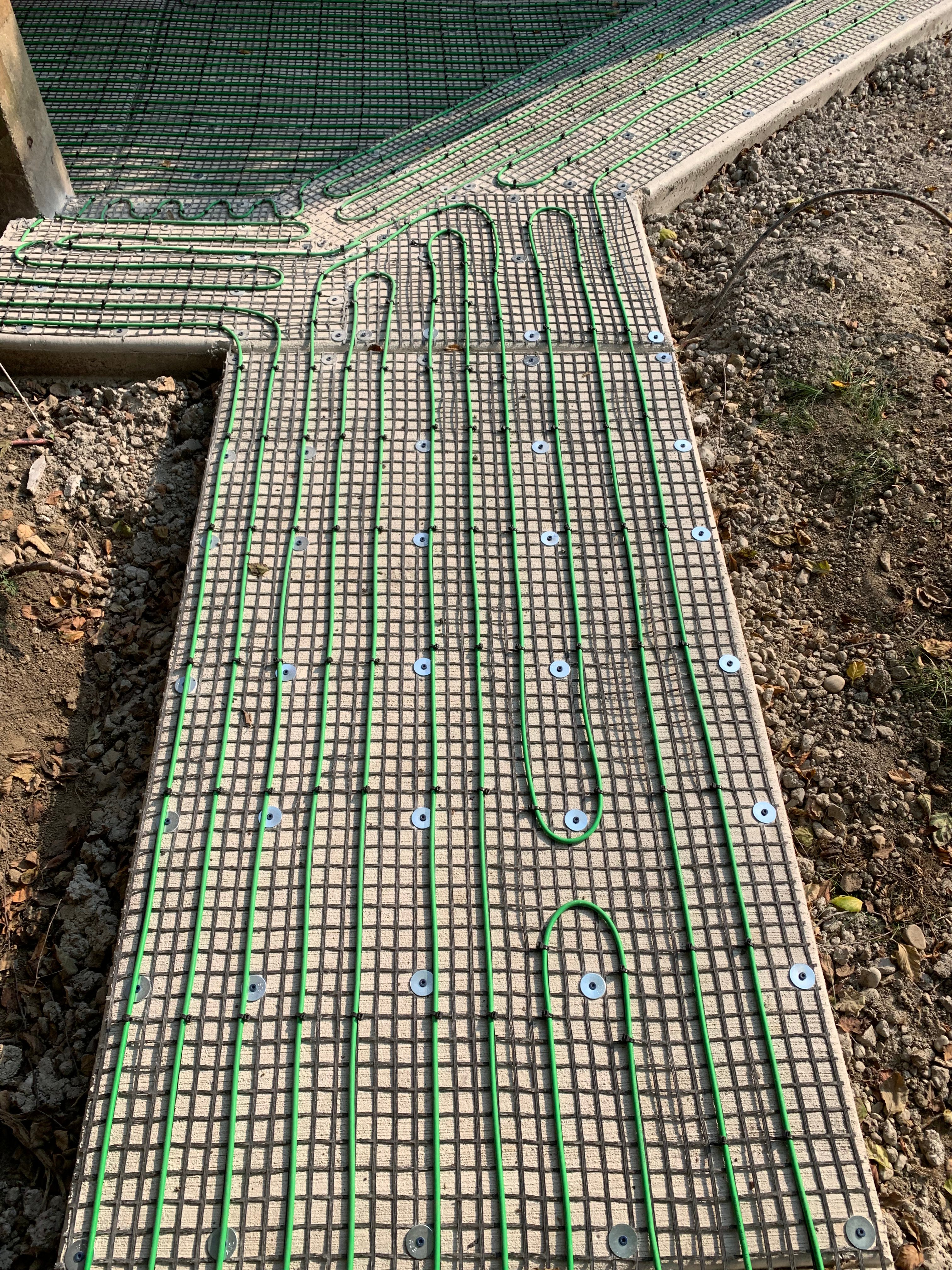
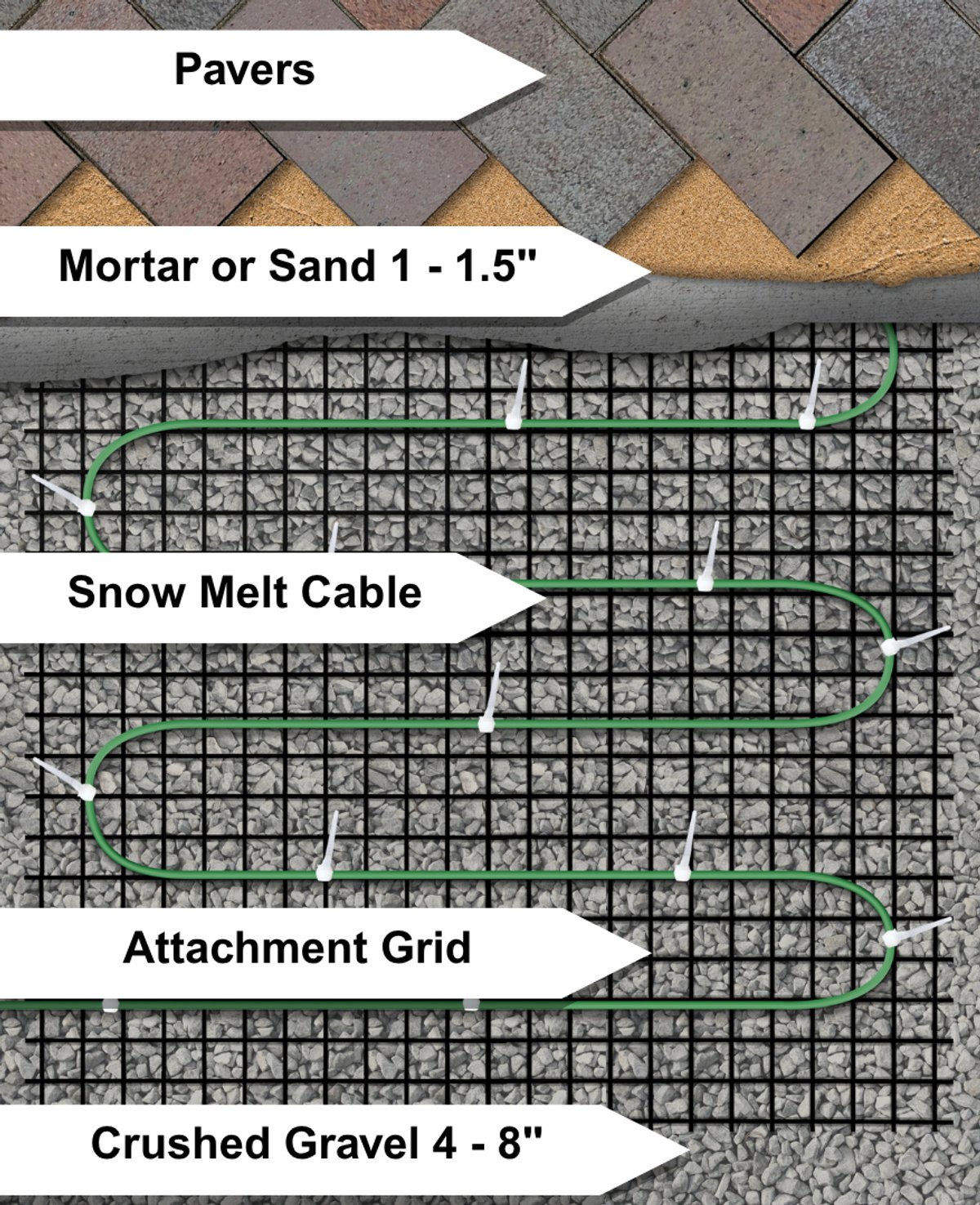
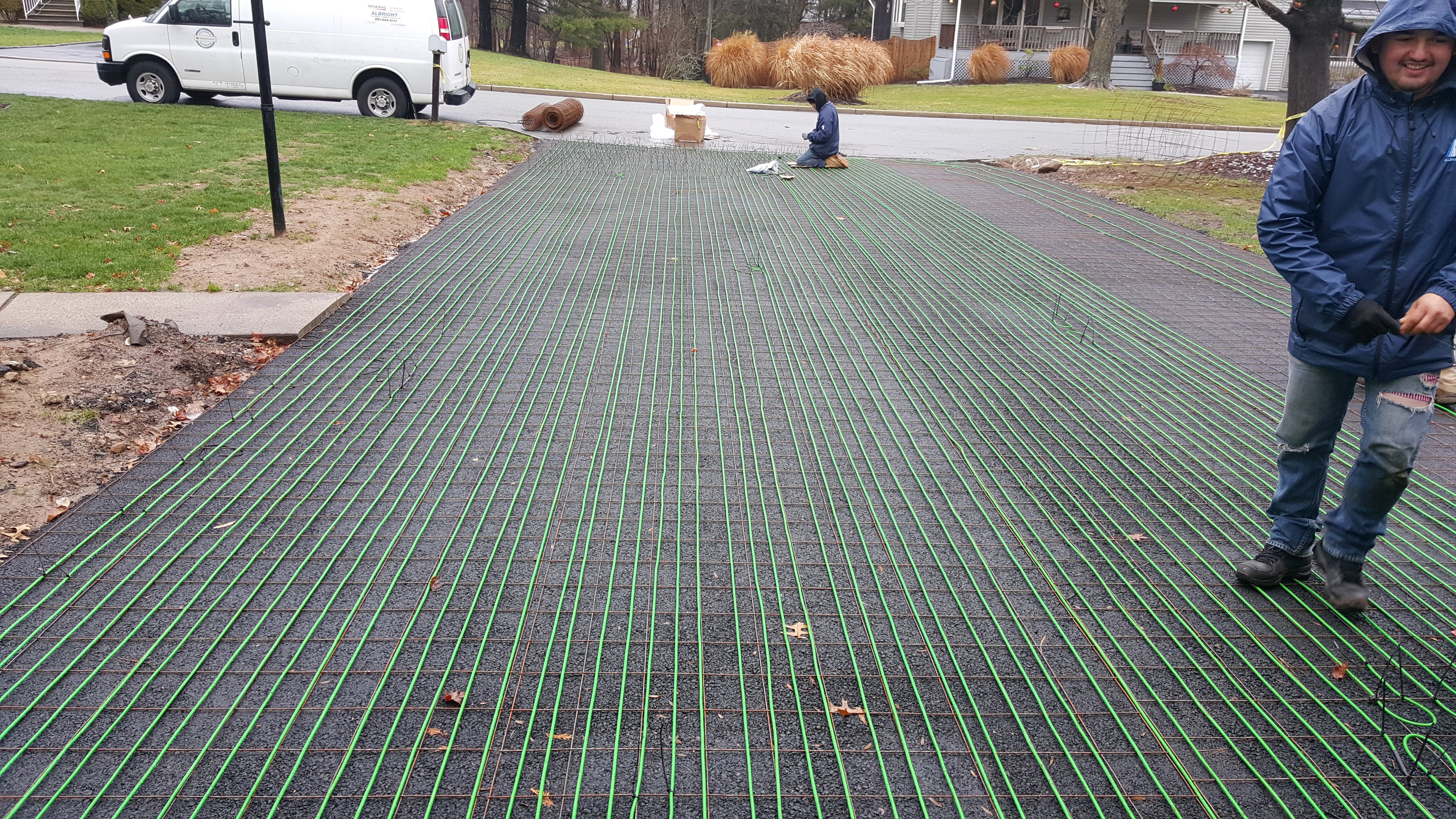
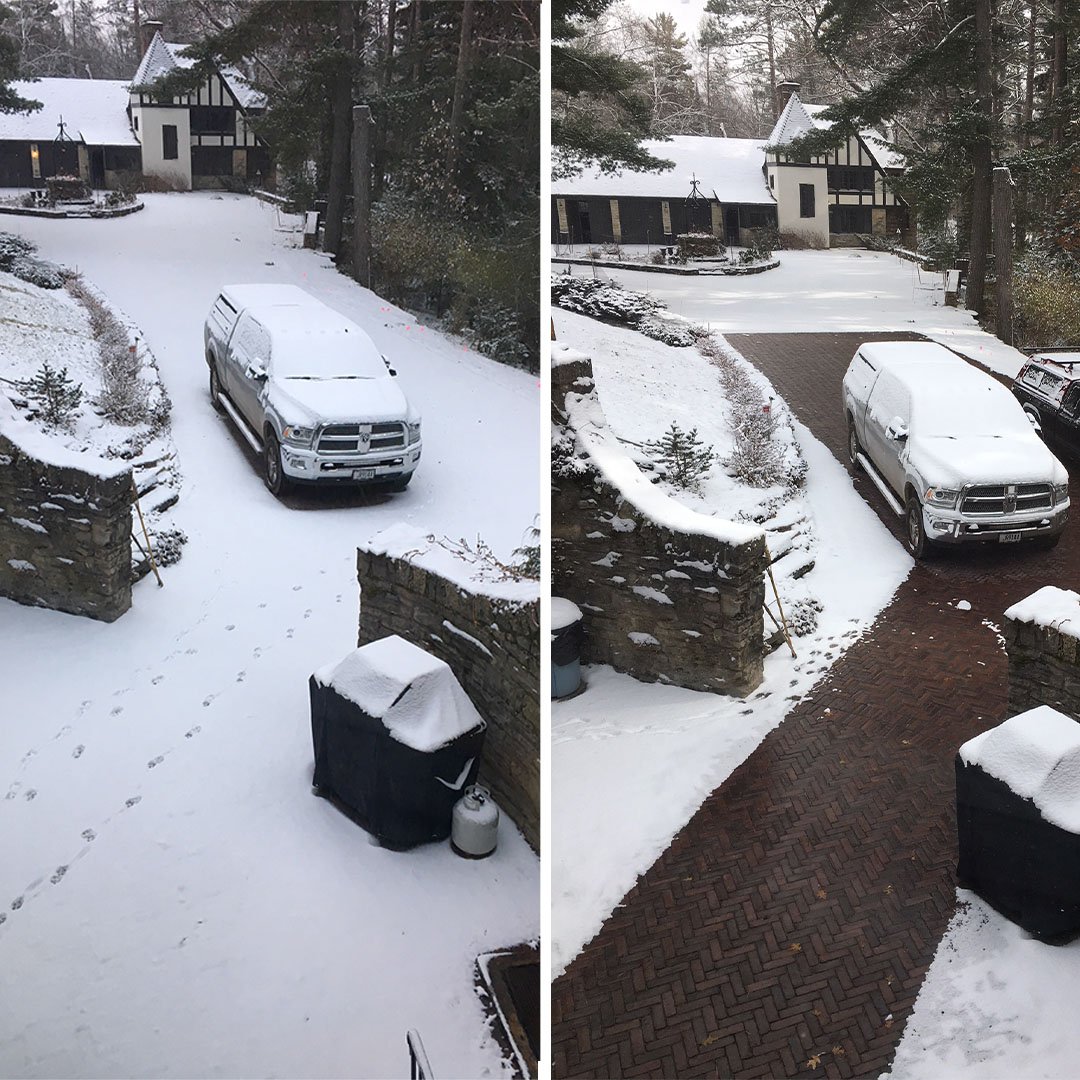
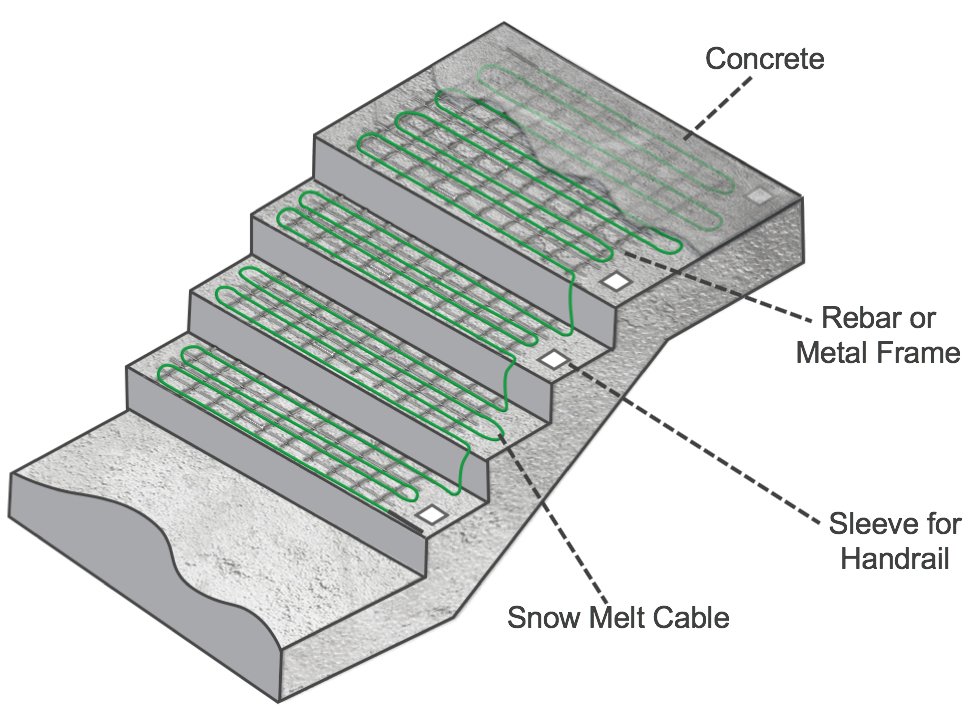
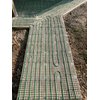
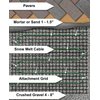
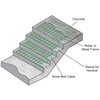
Embeddable in Concrete, Asphalt, or in Mortar Under Pavers: Installing a cable-based snow melting system within a new driveway, walkway, or patio means you can enjoy snow/ice free outdoor surfaces all year
-
Cost-Effective and Flexible: Snow melting cables are an less expensive (but more time consuming) alternative to snow melting mats and they provide maximum flexibility to cover round driveways, cornered patios, or outdoor stairs
-
Wide Variety of Voltages: We offer snow melting cables in 120, 208, 240, and 277 voltages and in a range of different lengths
-
Installation Support: WarmlyYours offers free SmartPlan™ installation plans, 24/7 phone support, and a 10-year limited warranty
Notices
Quebec Repairability Notice
Avis important pour les consommateurs du Québec:
WarmlyYours n’offre pas de services de réparation pour ce produit. Les seules pièces de rechange disponibles sont les kits de raccordement (splice kits) pour les câbles et les tapis de déglaçage ; aucune pièce de rechange n’est offerte pour les contrôleurs (snow melting controls). Si votre système de déglaçage (câbles, tapis ou contrôleurs) tombe en panne pendant la période de garantie, nous remplacerons l’unité complète conformément à notre politique de garantie. Notre équipe d’assistance technique est disponible 24h/24 et 7j/7 par téléphone pour toute aide à l’installation ou au dépannage. Pour plus de détails, consultez notre politique de retour. Cet avis est fourni conformément à la Loi sur la protection du consommateur du Québec, article 39 (telle qu’amendée en 2025).
Important Notice for Québec Consumers:
WarmlyYours does not provide repair services for this product. The only replacement parts available are splice kits for snow melting cables and mats; no spare parts are available for snow melting controls. If your snow melting system (cables, mats, or controls) fails within the warranty period, we will replace the entire unit according to our warranty policy. Our technical support team is available 24/7 by phone for installation and troubleshooting assistance. For full details, see our Return Policy. This notice is provided in accordance with Québec’s Consumer Protection Act, section 39 (as amended in 2025).
Snow Melt Cables Description
Let it snow! WarmlyYours’ 208V 200-foot-long snow-melting cable generates 12 watts of radiant heat per lineal foot (50 watts per square foot at 3” spacing) to remove snow and ice from concrete, asphalt or paver applications.
For use in commercial installations, this twin-conductor cable measures just ¼” (6mm) in diameter and includes 50 feet of cold lead to meet the requirements of any installation.
All WarmlyYours snow-melting cables are CSA certified for outdoor use in the U.S. and Canada.
Learn more about snow melting systems. Perfect for heated driveways, patios, walkways and paths, accessibility ramps, or even stairs.
Specifications
Electrical
| Amps | 11.54 A |
| Ohms | 18.03 Ω |
| Voltage | 208 V |
| Watts | 2400 W |
| Watts Per Linear Ft. | 12 W |
| Watts Per Sq. Ft. at 3 Inch Spacing | Up to 50 |
| Watts Per Sq. Ft. at 4 Inch Spacing | Up to 38.5 |
| Watts Per Sq. Ft. at 5 Inch Spacing | Up to 31.5 |
Warranty / Certifications
| Approvals | cCSAus Listed |
| Warranty | 10 years |
Performance
| BTU Per Hour | 8189 Btu |
Product Dimensions
| Cold Lead Length | 50′ |
| Coverage at 3 Inch Spacing | 50 ft² |
| Coverage at 4 Inch Spacing | 66.7 ft² |
| Coverage at 5 Inch Spacing | 83.3 ft² |
| Heating Element Thickness | 1/4″ |
| Height | 0.25″ |
| Length | 200′ |
| Weight | 13 lbs |
| Width | 0.25″ |
Appearance
| Color | Green |
Identifiers
| SKU | WHCA-208-0200 |
| UPC (GTIN-12) | 881308047788 |
Installation
| Surface Types | Asphalt, concrete or in mortar under pavers |
Logistics
| UNSPSC Code | 40101842 |
Installation Plans
This is a real example of an installation plan that uses this product. If you want to design your own room or have any questions, please contact us.
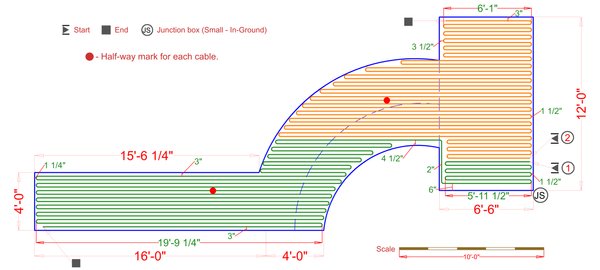
Paver Subfloor
N/A Voltage
240V Operating Cost
162 cents per hour
This Installation Plan Includes:
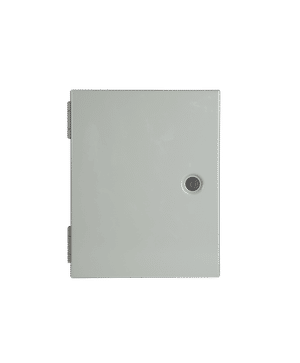
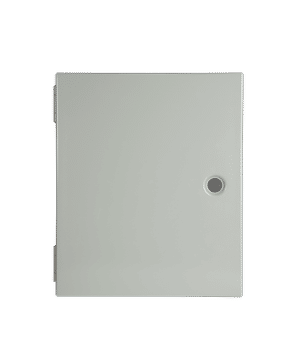
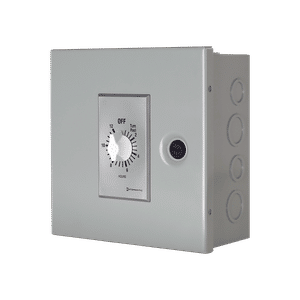
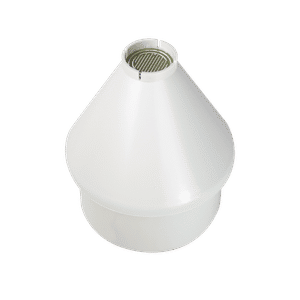
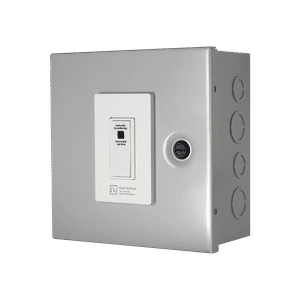
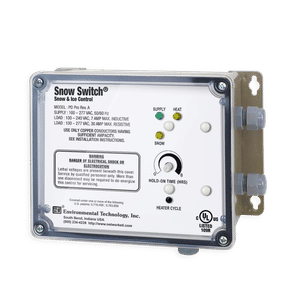
Controls
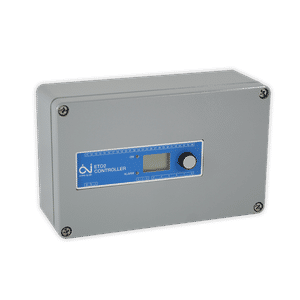
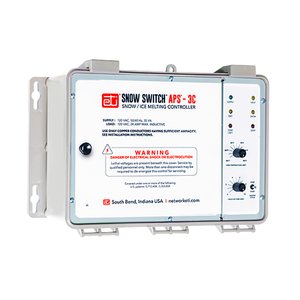
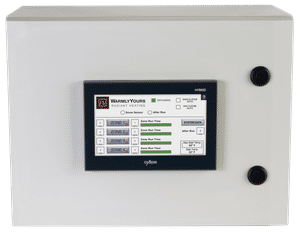
A great control is the secret to any great heating system.
Documents
Installation
- Snow Melting Installation Manual (English)
- Manual de Instalación para Sistemas de Derretimiento de Nieve (Spanish)
- Snow Melting & Slab Heating Application Cross Sections (Spanish)
- Snow Melting & Slab Heating Application Cross Sections (English)
- Snow Melting & Slab Heating Application Cross Sections (French)
- Snow Melting Installation Manual (French)
Project Planners
Technical Information
Warranties
Sell Sheets
- 208V/277V Commercial Snow Melt Cables Sell Sheet (English)
- Outdoor Display Program Sell Sheet for Canada (English)
- Snow Melt Controller Comparison Sheet (French)
- Snow Melting Cable Sell Sheet (English)
Catalogs
Case Studies
Frequently Asked Questions
Showing all 5 questions
The material costs are similar. However, electric systems are easier to install, with fewer components and significantly lower maintenance costs. Electric systems will run for a shorter period of time to give the same level of performance but with much higher energy efficiency (typically 95%-98% efficient). Controls and sensors required for the two types of systems are very similar. Electric systems do not usually require slab insulation and do not create the concerns typically associated with hydronic systems. These concerns include, but are not limited to, return temperatures, flue gas venting, waterway shrinkage and property damage caused by leaking pipes or tubes.
When installing outdoor WarmlyYours snow melting cables for your driveway, patio, walkway, terrace, stairs, ramp, etc. - NEVER cross, overlap, or allow the heating cables to touch each other. Doing so will quickly cause a circuit failure due to excessive heat build up. Always follow the installation instructions and/or design layout plan to ensure the cable is installed with the correct spacing required for proper operation.
Our systems can handle low temperatures, but many controls come equipped with a Low-Temperature Lockout Feature. This feature prevents the system from running in very low temperatures. At very low temperatures it can become difficult for the system to effectively melt the snow. It is however possible to turn off this feature should you need the system to keep running during such low temperatures.